Portrait of Ujval Patel, MBA, REALTOR®

Most people enter real estate to sell houses. I entered so no one feels alone.

Ujval Patel, MBA, REALTOR®

Civil Engineer (India) + MBA, turned REALTOR®

+1 226-612-3123

Informed Decisions. Trusted Results.

Buying or selling in Kitchener, Waterloo, Cambridge or Guelph? Clear advice and a practical plan, around your move — guidance in English, Hindi and Gujarati.

Find Me a Home →

Prefer to talk first? · or call/text +1 226-612-3123

100+Deals Closed
195+Satisfied Buyers & Sellers
5.0Google Rating — 47 reviews
Follow Ujval

What brings you here today?

Four ways in — pick the one that fits, and you'll get a clear next step, not a sales pitch.

Every client deserves the guidance I once wished I had.

I Became the REALTOR® I Wish I Had.

My path to real estate didn’t start with a sales pitch. It started on construction sites — I began as a Civil Engineer in India and, at 24, was a contractor in Ahmedabad leading a team of 60. An MBA in Marketing & Leadership followed, and after coming to Canada I studied Environmental Building Science and Project Management. To be clear about what that background is and isn’t: my engineering training is from India, and I’m not licensed as a Professional Engineer in Ontario — I use that training to help you spot visible concerns and the right questions for inspectors and specialists, never as engineering advice or certification. Buildings weren’t just my job — they were my whole education.

Then it was my turn to buy — and despite everything I knew about how a house is built, I went through that first purchase feeling on my own, making decisions I couldn’t take back. Nobody should face the biggest purchase of their life wondering whether anyone is really in their corner.

That’s why I became the REALTOR® I wish I had: accurate information in plain language, an honest read on every decision — even when the honest answer is “wait” — whether you end up buying or selling with me or not. I don’t chase transactions. I build long-term relationships — the kind where you still call me years later, and I still pick up.

My story — read the full version →

Rated 5.0 on Google — 47 reviews

Google Rating 5.0 47 Google reviews

Read what clients say about working with me.

“Worked with 5 realtors previously, but Ujval was by far the best among all of them. He was honest, knowledgeable, and genuinely focused on guiding us through the process rather than just looking for commission. His advice was always in our best interest, and he made the entire experience smooth and stress-free.”
— Jayeshkumar Patel · Google review
“In a one word: Honesty! Rare to find.”
— Vishvajit Ravalji · Google review
“Ujval Patel is 11/10, always helping, advising and supporting a little extra. Indeed a genuine and honest realtor. He helped us not only to find a home but find the right deal.”
— Mili Doshi · Google review
“Had an amazing experience working with Ujval Patel for our pre-construction home purchase in Kitchener. Ujval was honest, knowledgeable, and professional throughout the entire process. He genuinely focused on helping us secure the right investment property and future home instead of just looking for commission.”
— Vraj Patel · Google review
“He always advised us to stay within our budget and never once pressured us into making a decision.”
— Yash Doshi · Google review
Why Work With Me

Walk through a home with me.

I walk every home slowly, stop by stop. I point out what I notice — and a qualified inspector confirms the important things before you commit.

At the curb

First, the land: slope, drainage, where the rainwater goes. No countertop fixes water heading for a foundation.

In the basement

Where a home tells the truth: structure, moisture — the things listing photos never show you.

At the furnace and the panel

The systems that turn into bills — furnace, roof, electrical — and what they may cost, in plain numbers.

At the negotiation table

We price with proof, from real comparable sales — and negotiate with a strategy, not hope.

From offer to closing

Conditions, deposits, documents, deadlines — I track each one like a project with your name on it.

Communities

Local guidance across Kitchener, Waterloo, Cambridge & Guelph

Pricing changes block by block. Local knowledge is what protects you from overpaying — or underselling.

Kitchener, Ontario

Kitchener — Tech energy, real neighbourhoods

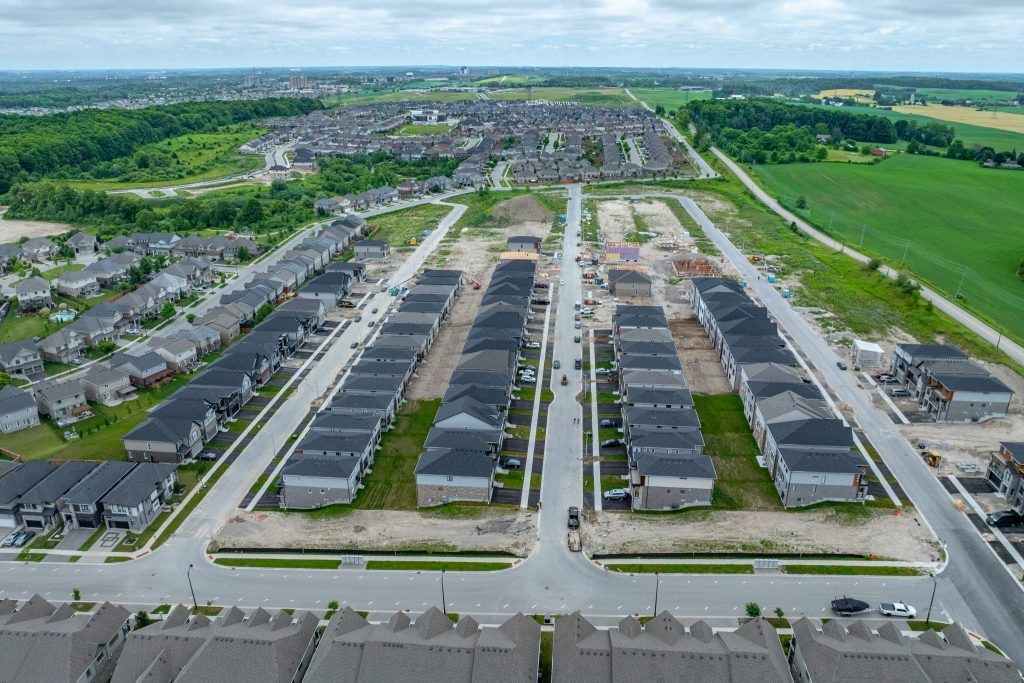
From the Innovation District and Stanley Park to Doon South and Huron Park, Kitchener is a city being reshaped by tech-driven demand, Conestoga College and the ION LRT.

Explore Kitchener →

Waterloo, Ontario

Waterloo — Two universities, one uptown

Across Uptown Waterloo, Beechwood, Vista Hills and the west-side estates, two universities and a major tech cluster keep both resale and rental demand deep.

Explore Waterloo →

Cambridge, Ontario

Cambridge — Galt, Preston & Hespeler

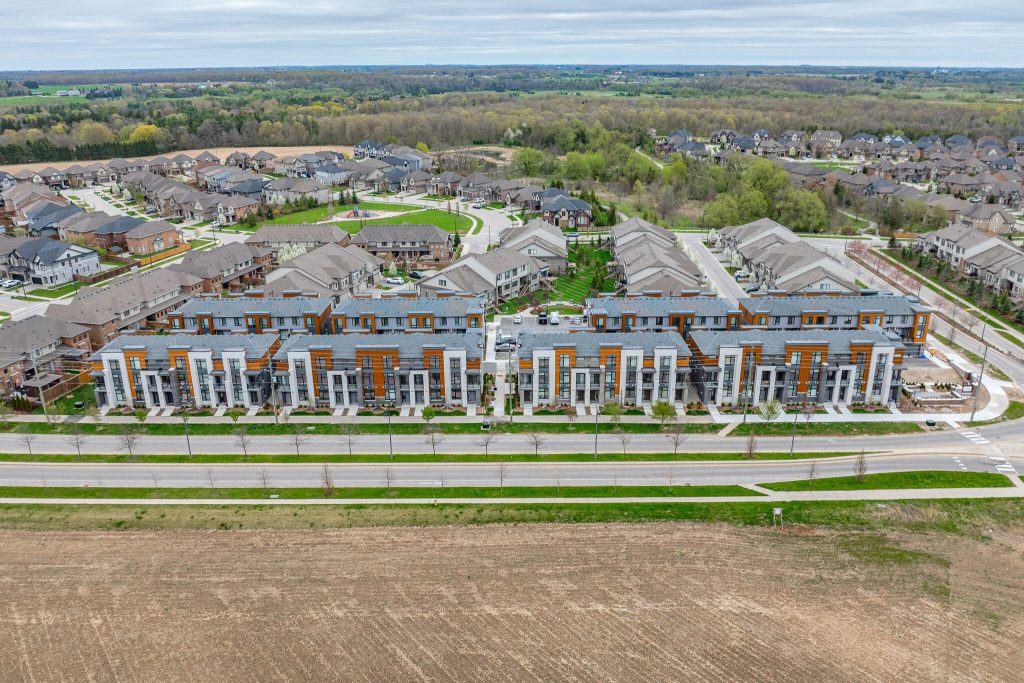
Cambridge brings together character homes in Galt, mill-town charm in Hespeler and newer subdivisions in North Cambridge, and it offers strong value for first-time buyers commuting on the 401.

Explore Cambridge →

Guelph, Ontario

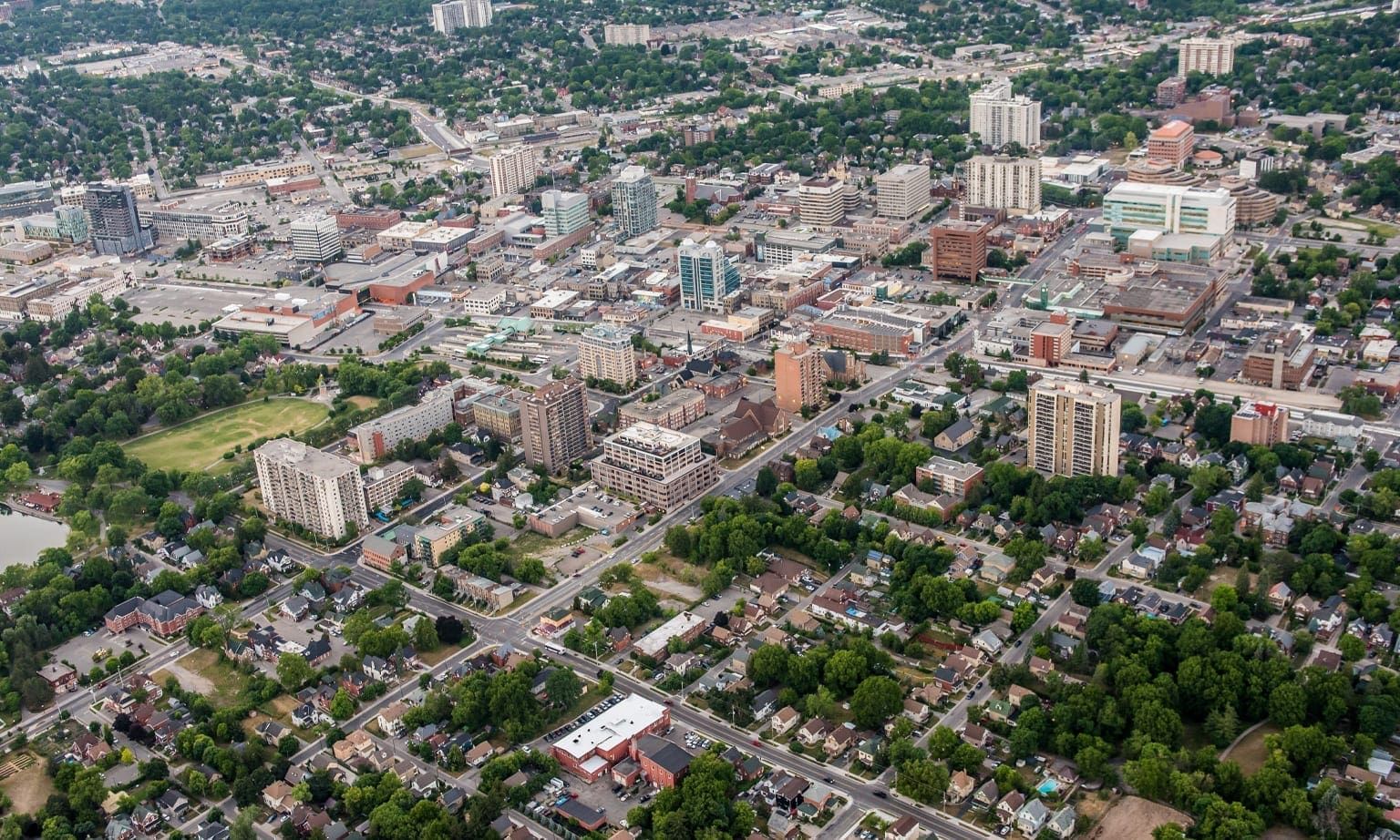
Guelph — The Royal City

From Downtown and Old University to Kortright, Clairfields and the south end, Guelph combines strong family demand and the U of G rental market with a downtown core that keeps growing.

Explore Guelph →

London, Ontario

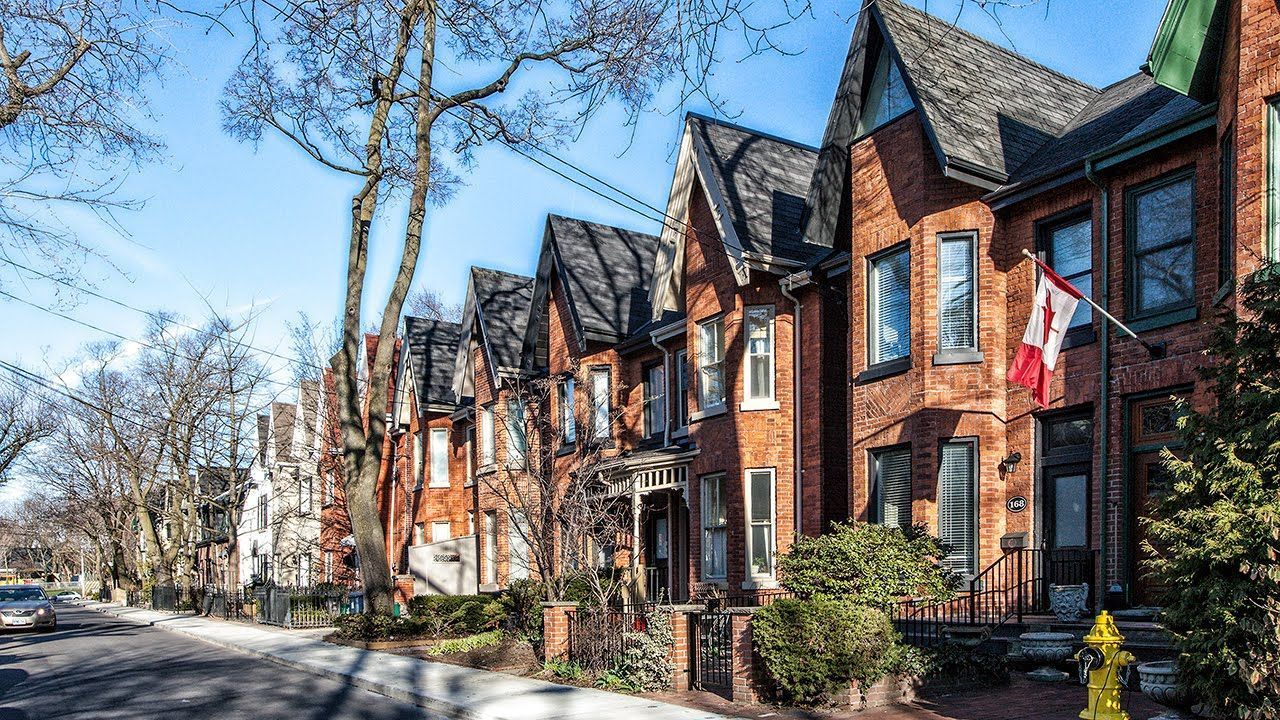
London — The Forest City

From Downtown and Old North to Byron, Masonville and River Bend, London pairs a major university and the region’s hospital system with family neighbourhoods in every direction — and room to breathe.

Explore London →

Milton, Ontario

Milton — The Escarpment Town

From Old Milton and Timberlea to Boyne, Hawthorne Village and Campbellville, Milton pairs Niagara Escarpment trails and conservation areas with a GO station, Highway 401, major logistics employment and some of the GTA’s newest family subdivisions.

Explore Milton →

Hamilton, Ontario

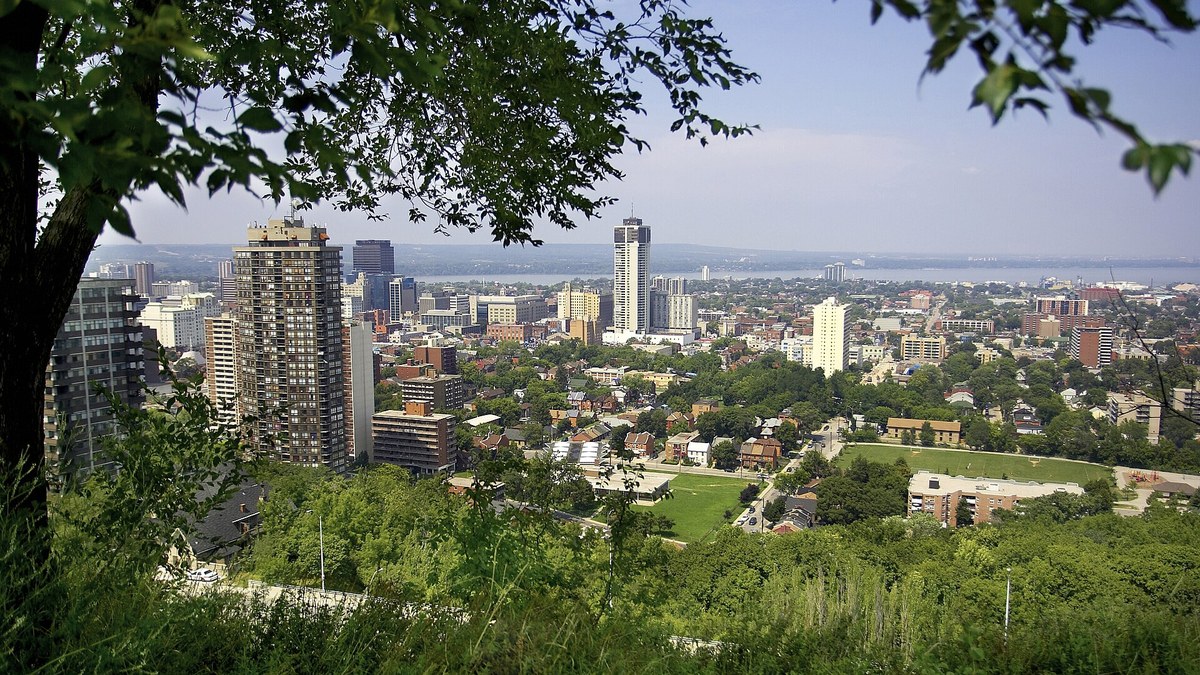
Hamilton — The Waterfall City

From Downtown and Westdale to Ancaster, Dundas, Stoney Creek and the Mountain, Hamilton pairs Niagara Escarpment trails and waterfalls with McMaster University, a major hospital economy, a working port and housing from century homes to new subdivisions.

Explore Hamilton →

Oakville, Ontario

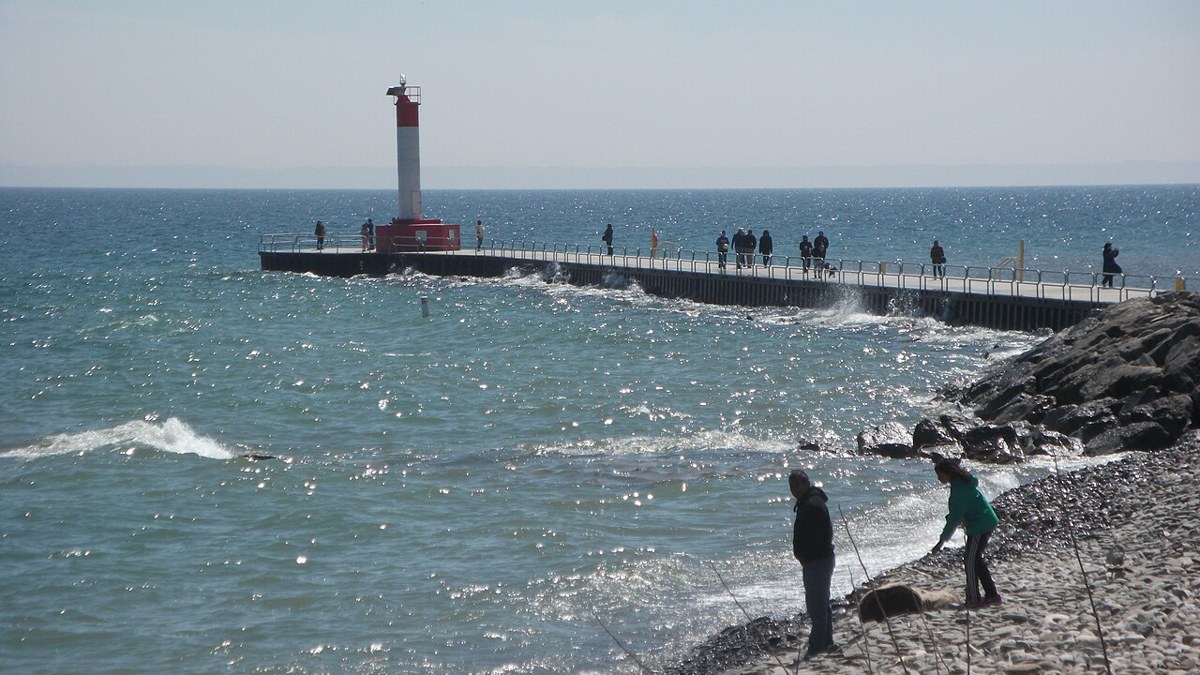
Oakville — The Lakefront Town

From Old Oakville and Bronte Village on the lake to Glen Abbey, River Oaks and the new subdivisions of North Oakville, Oakville pairs a Lake Ontario shoreline and two harbours with top-rated schools, Sheridan College and a GO line to Union Station.

Explore Oakville →

Brantford, Ontario

Brantford — The Telephone City

On the Grand River in the heart of the 403 corridor — the Telephone City pairs a Laurier campus downtown, Ferrero Canada’s big and growing plant, and trail-lined riverbanks with some of the most attainable freehold housing between Hamilton and London.

Explore Brantford →

Stratford, Ontario

Stratford — The Festival City

The Festival City on the Avon River — world-renowned theatre, a university campus downtown, and quiet heritage streets in a complete small city of 33,232, about 45 minutes west of Kitchener on the road to London.

Explore Stratford →

Not sure which neighbourhood fits your life? Take the 60-second neighbourhood quiz →

Also serving nearby areas — Durham · GTA · Hamilton · Milton · Brantford · London · Niagara

See the current numbers — the Local Market Hub →

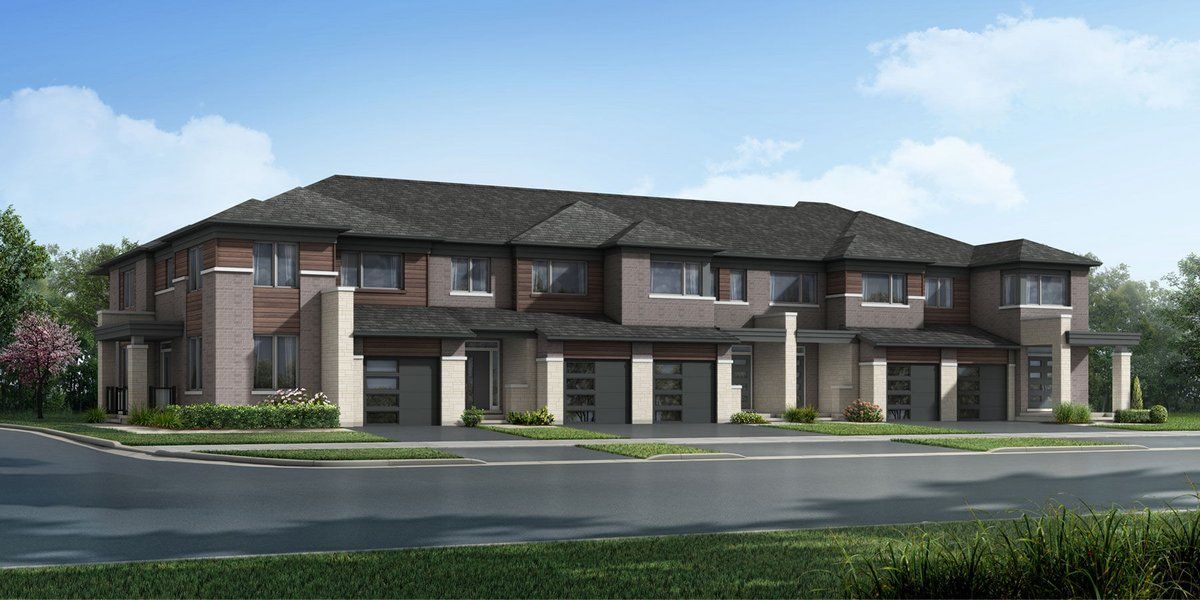
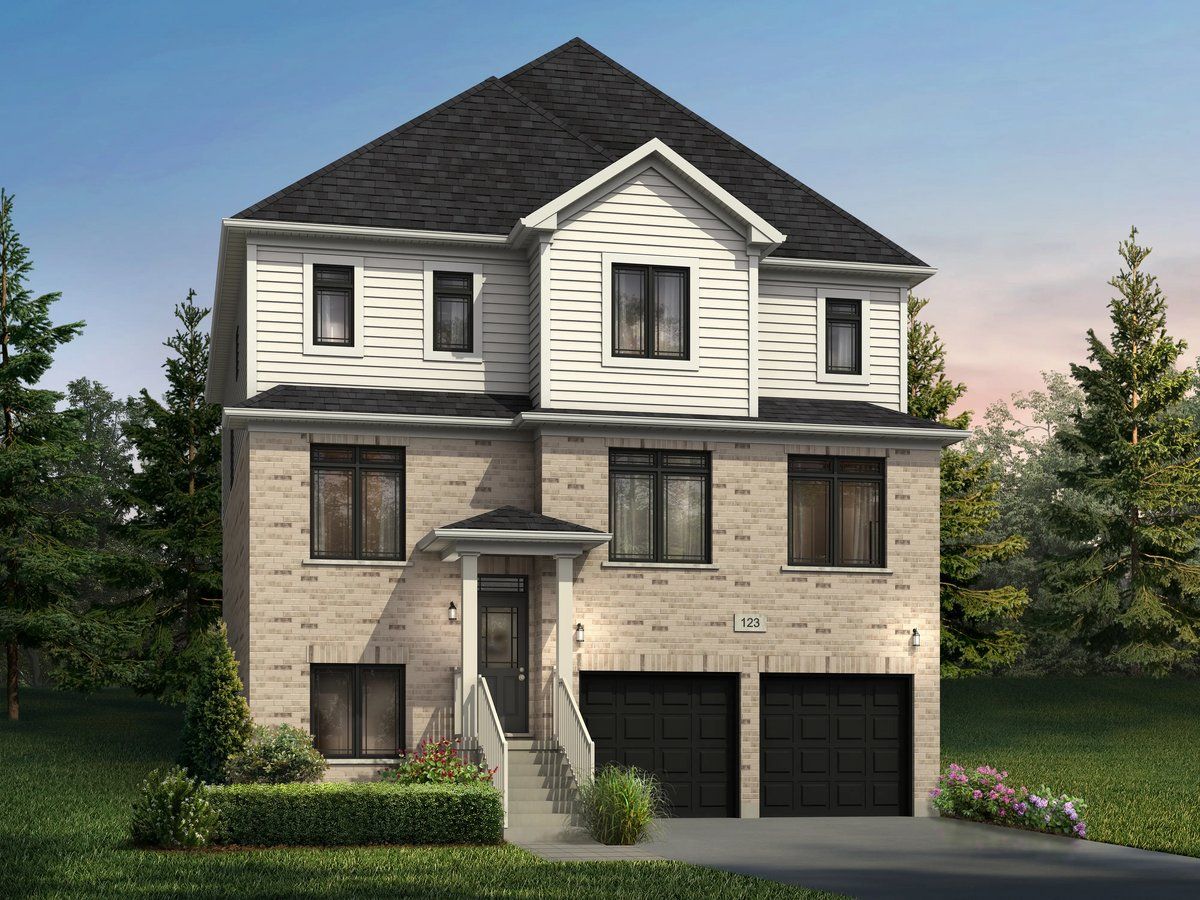
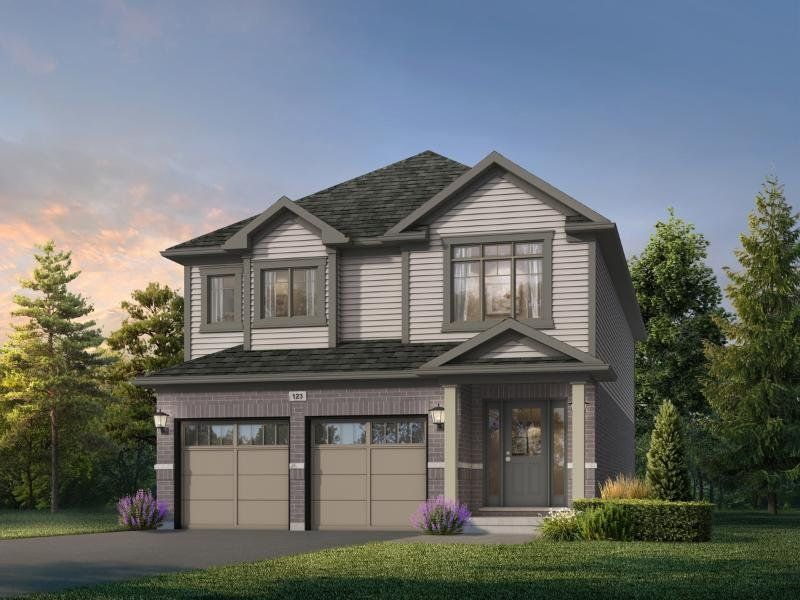
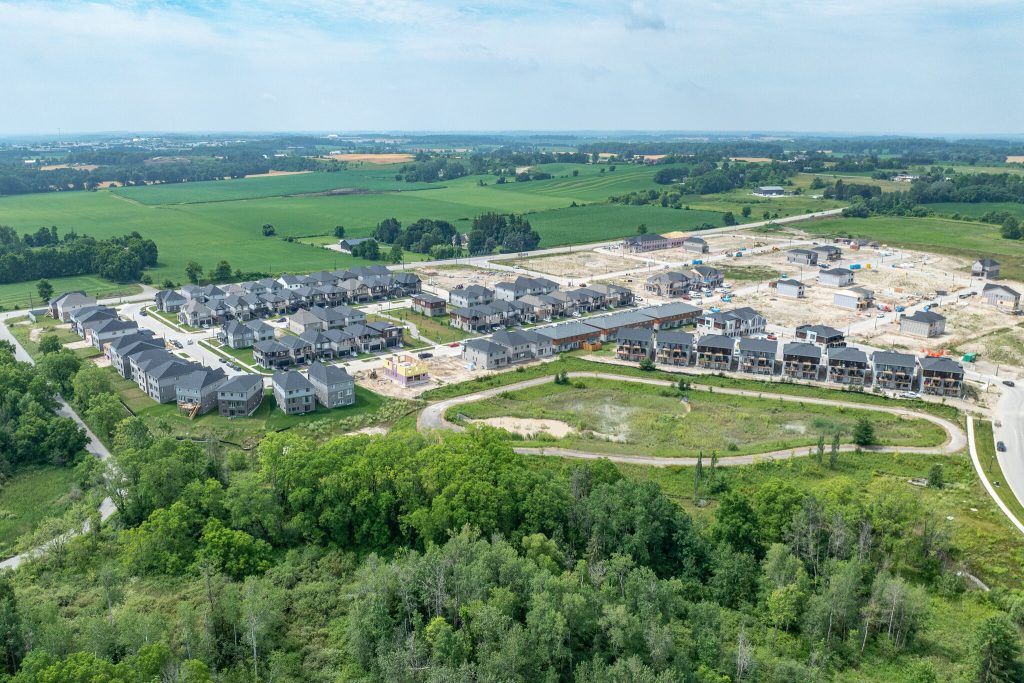
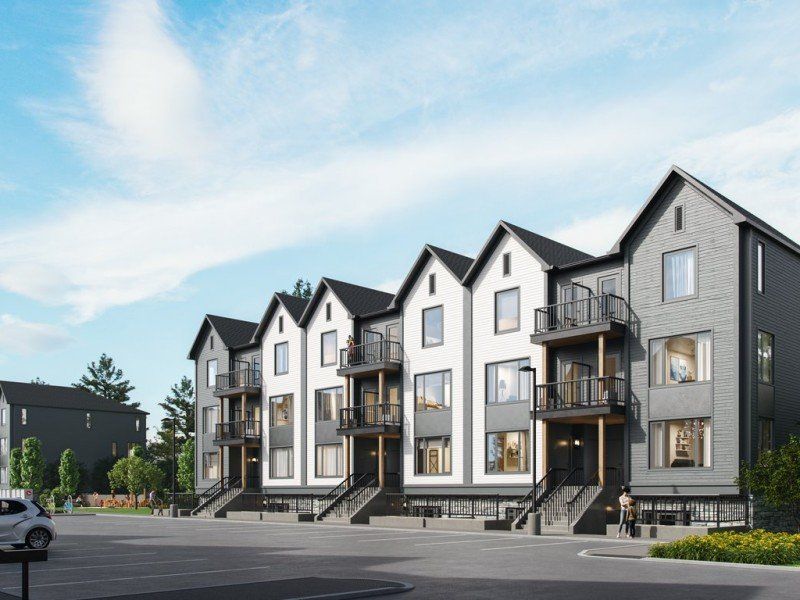
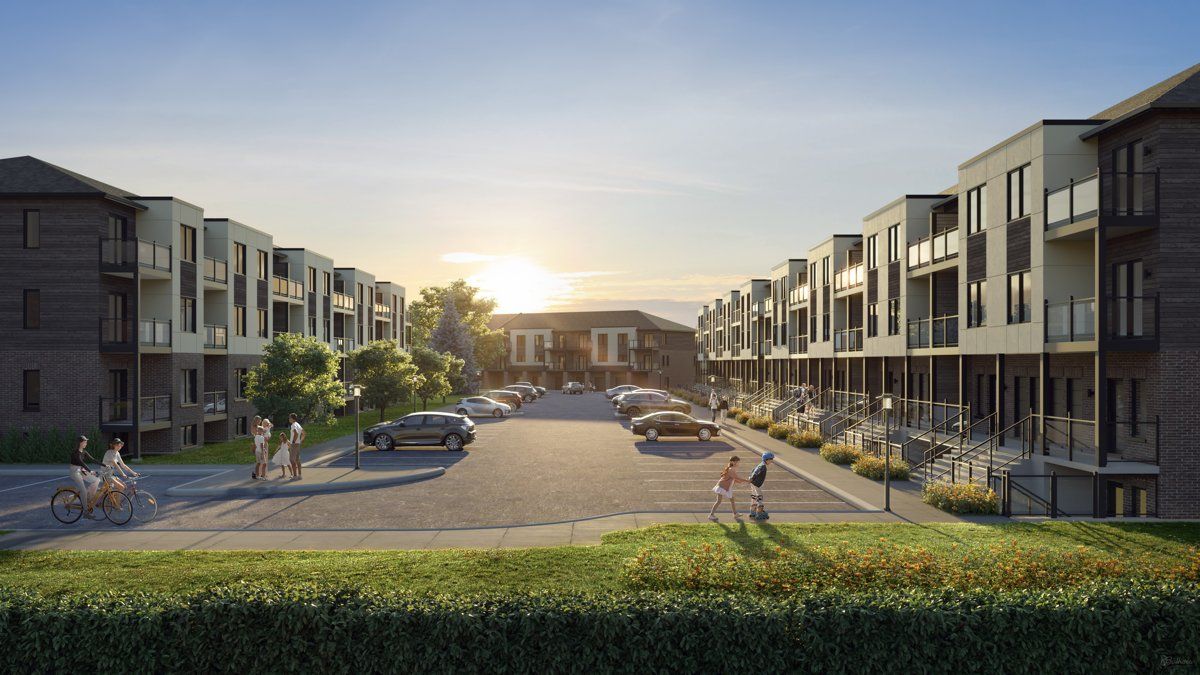
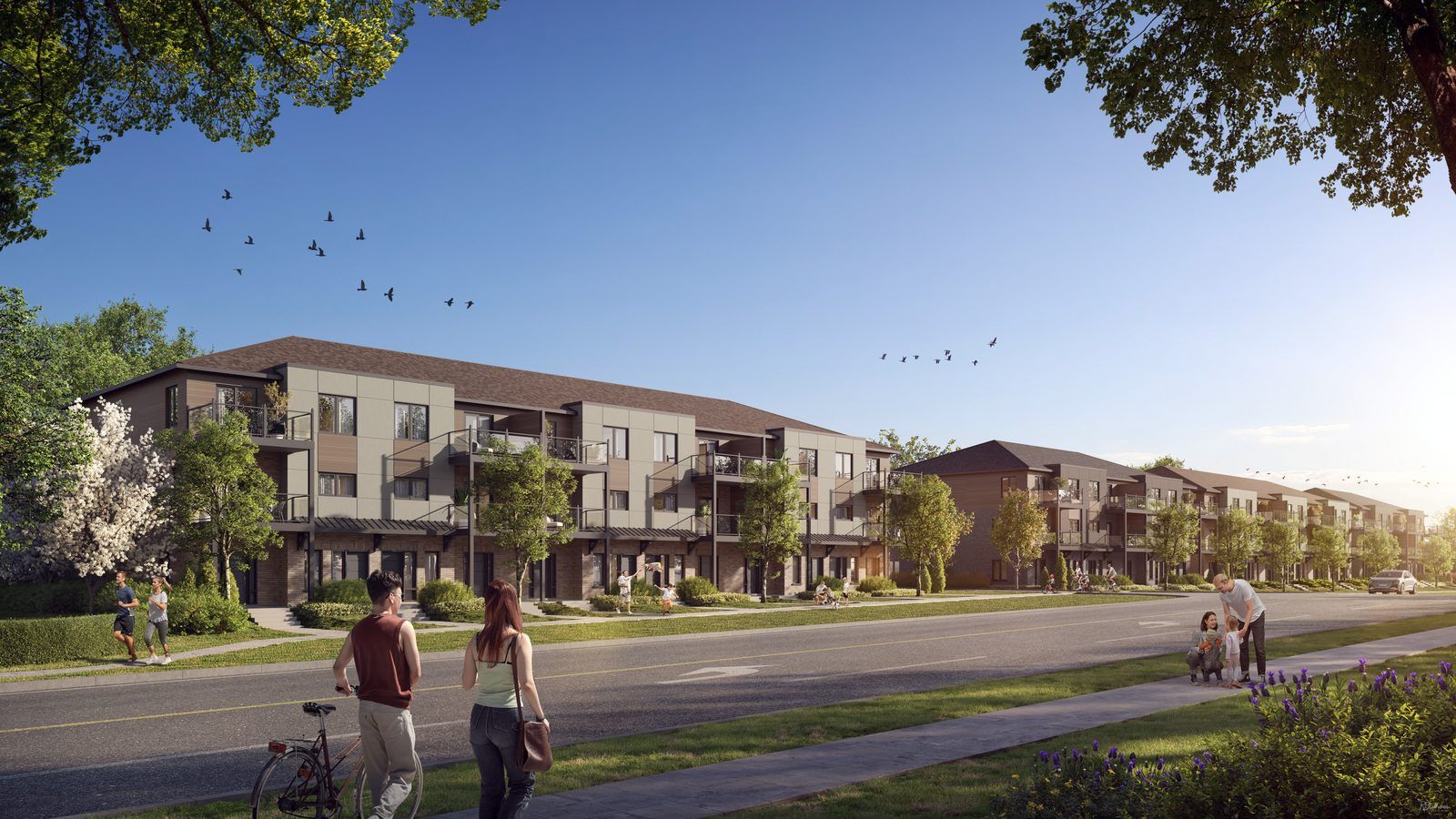
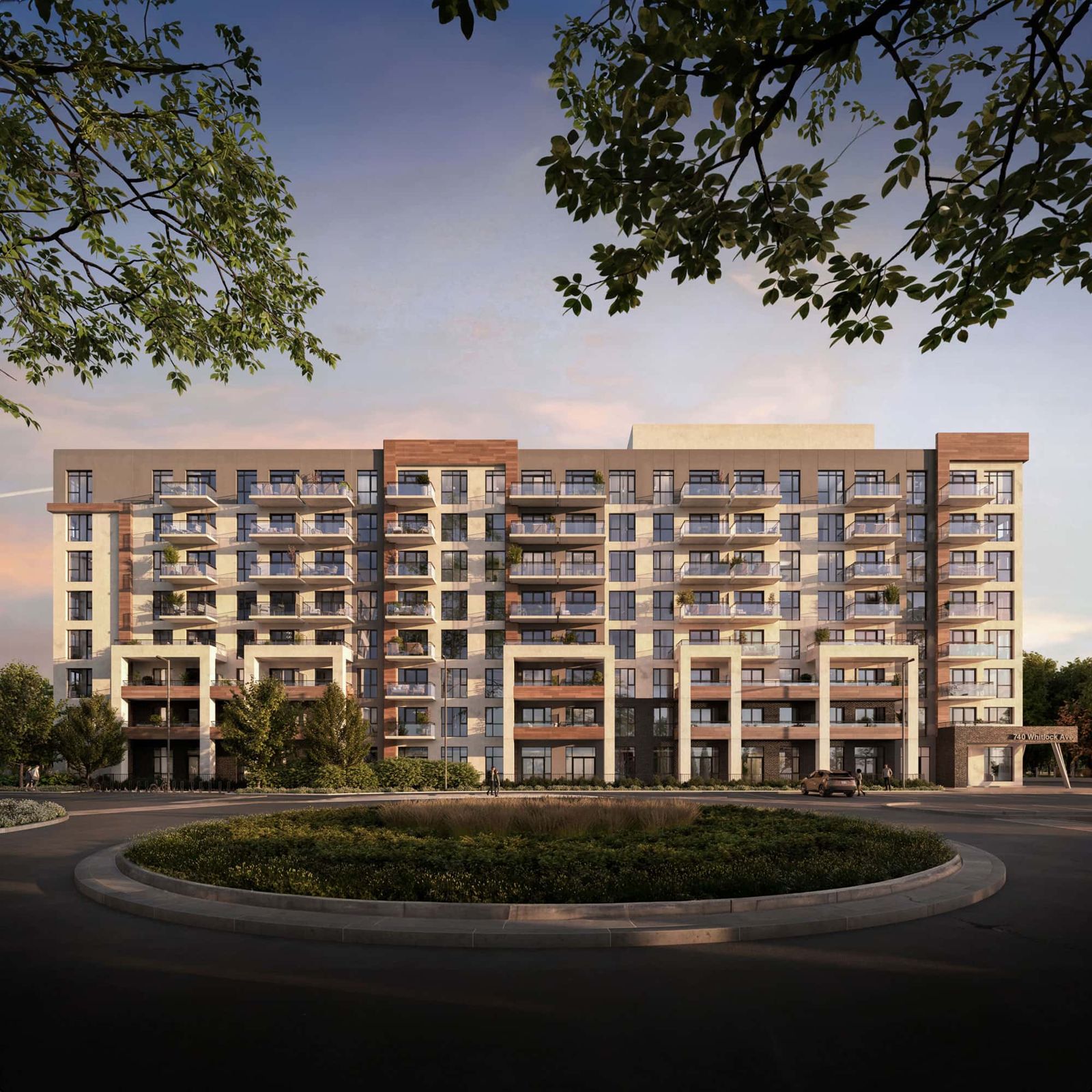
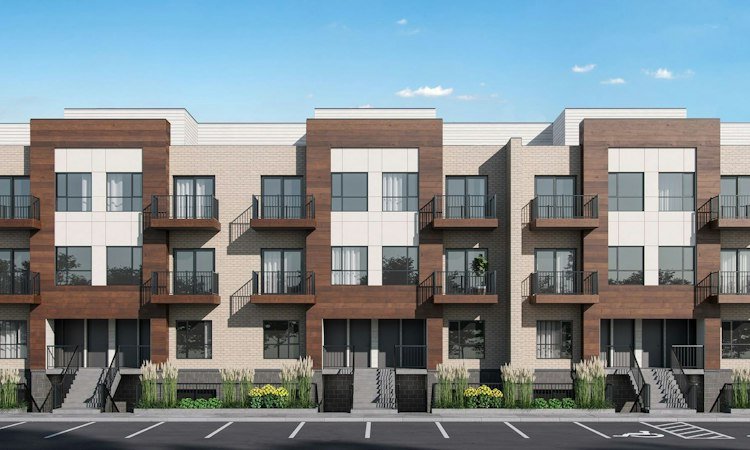
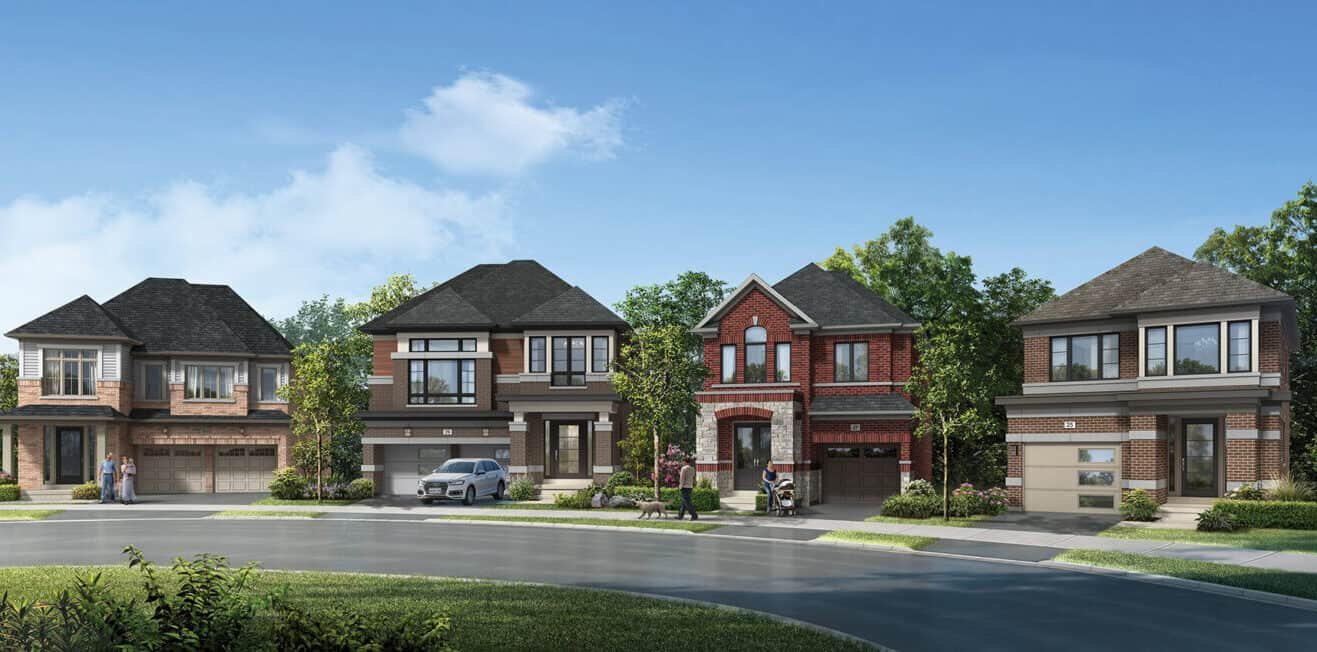
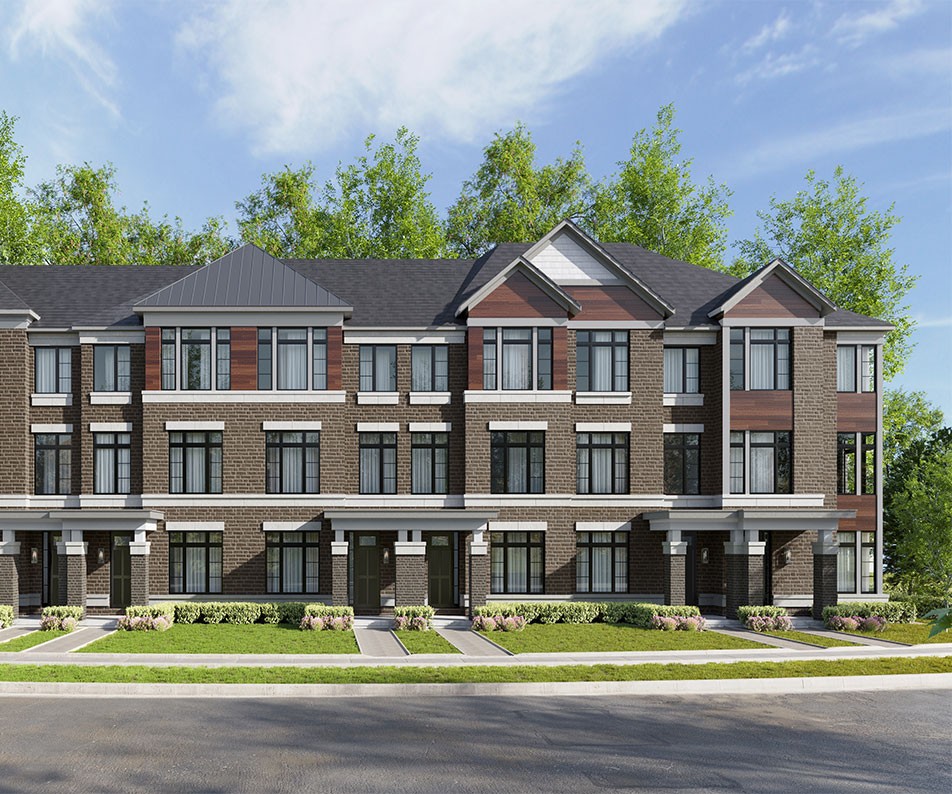
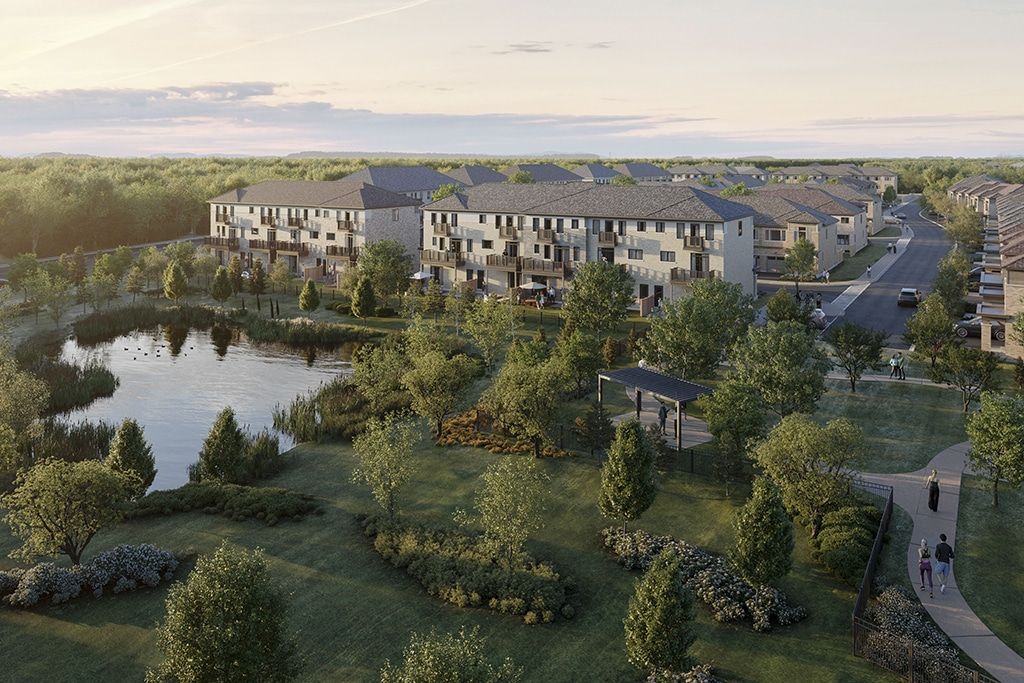
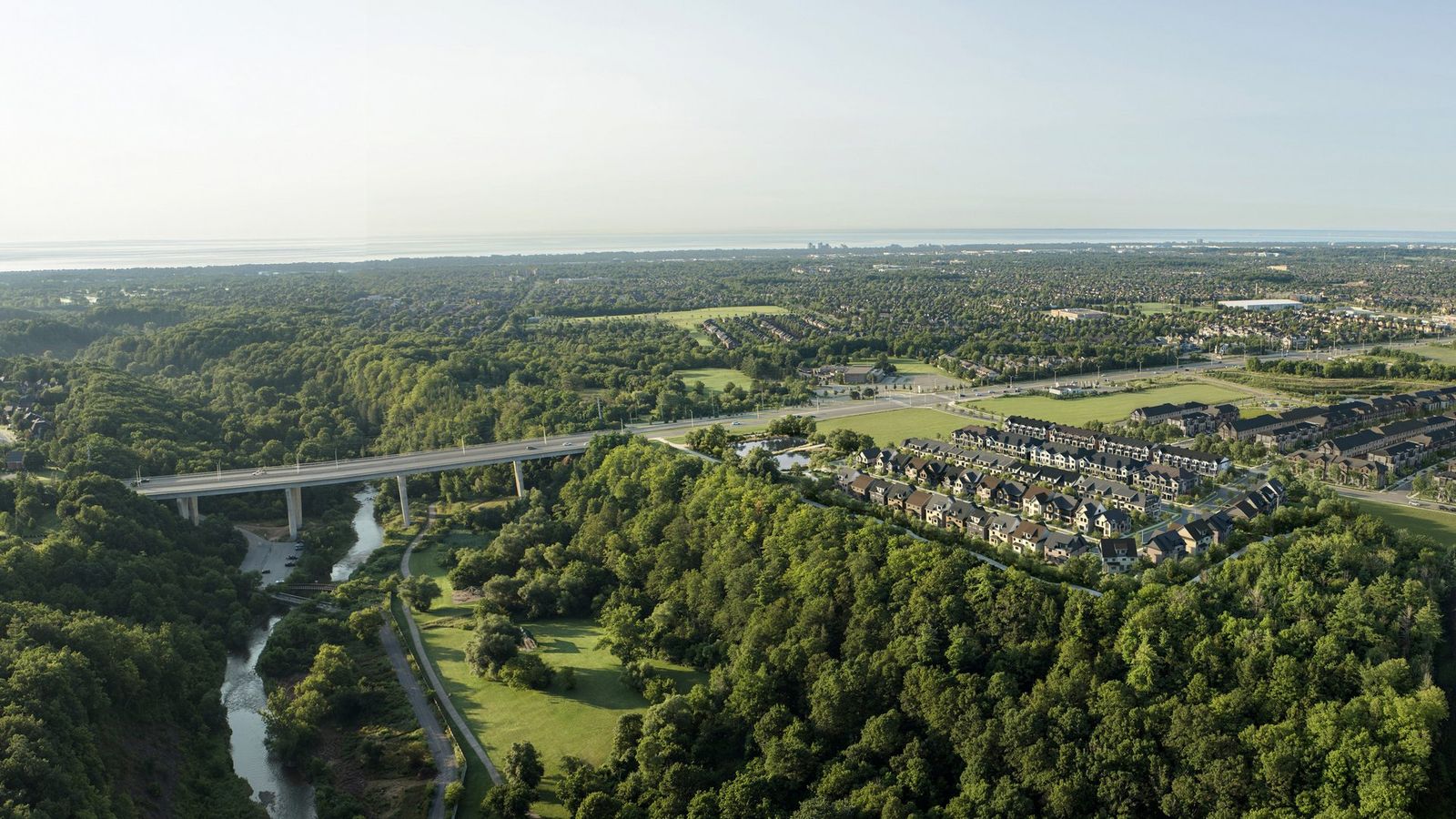
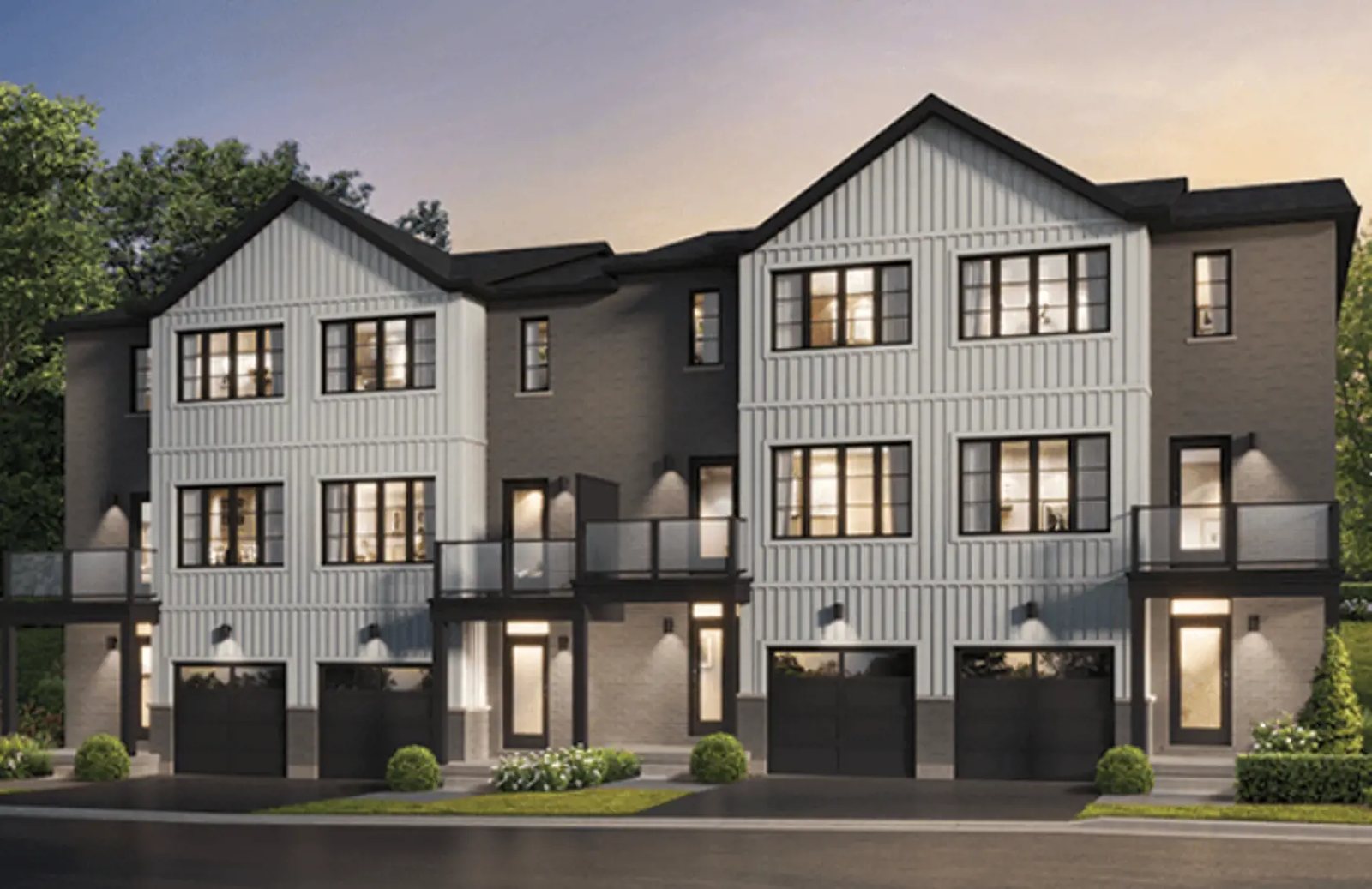
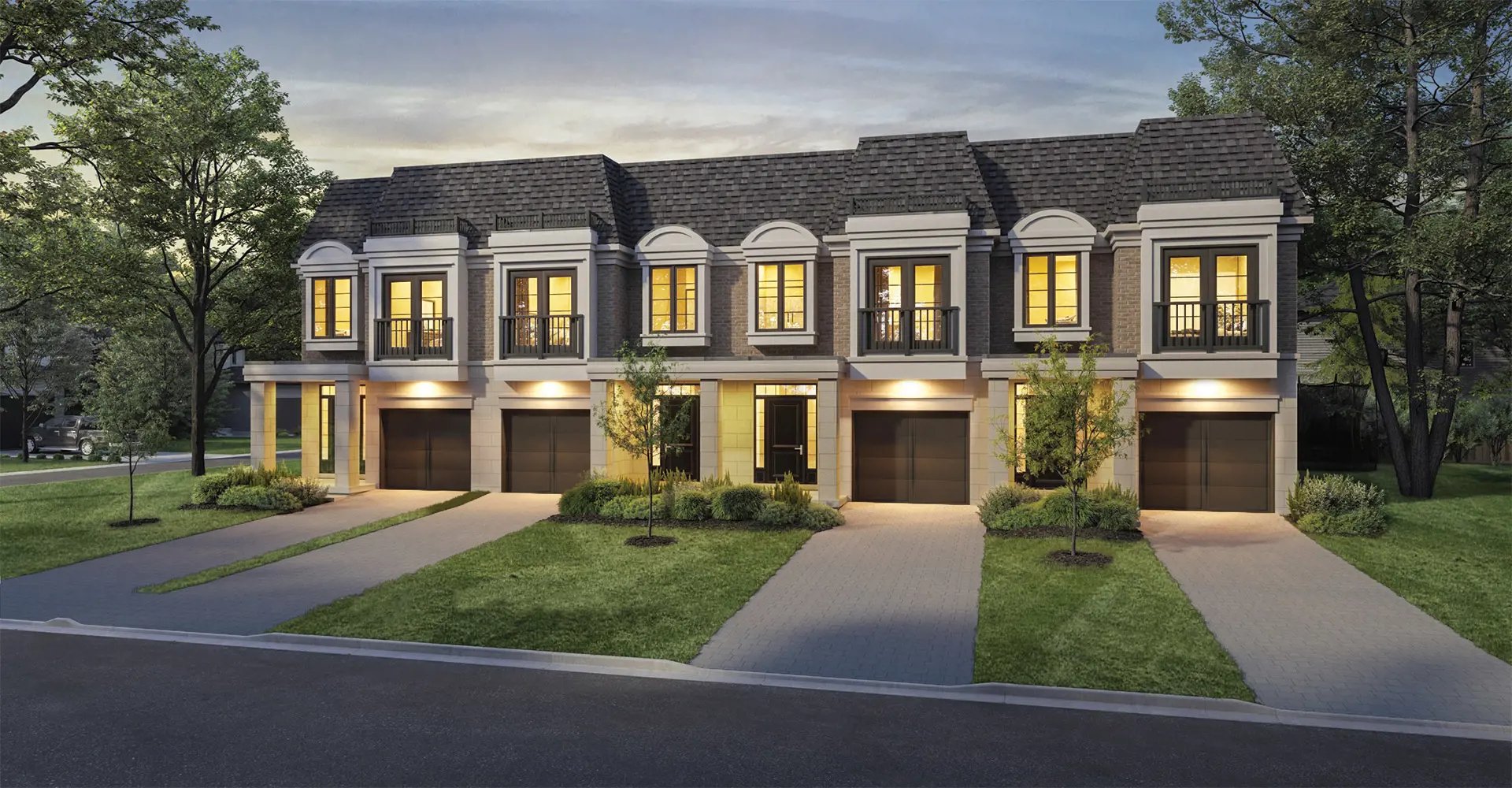
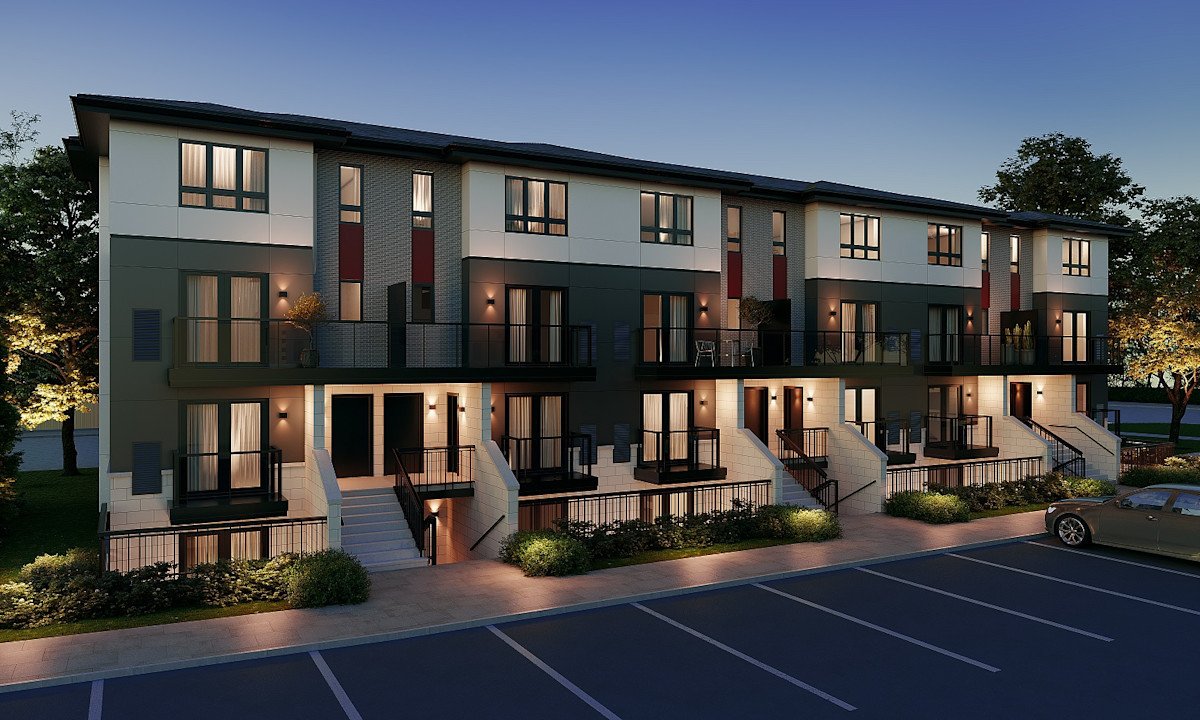
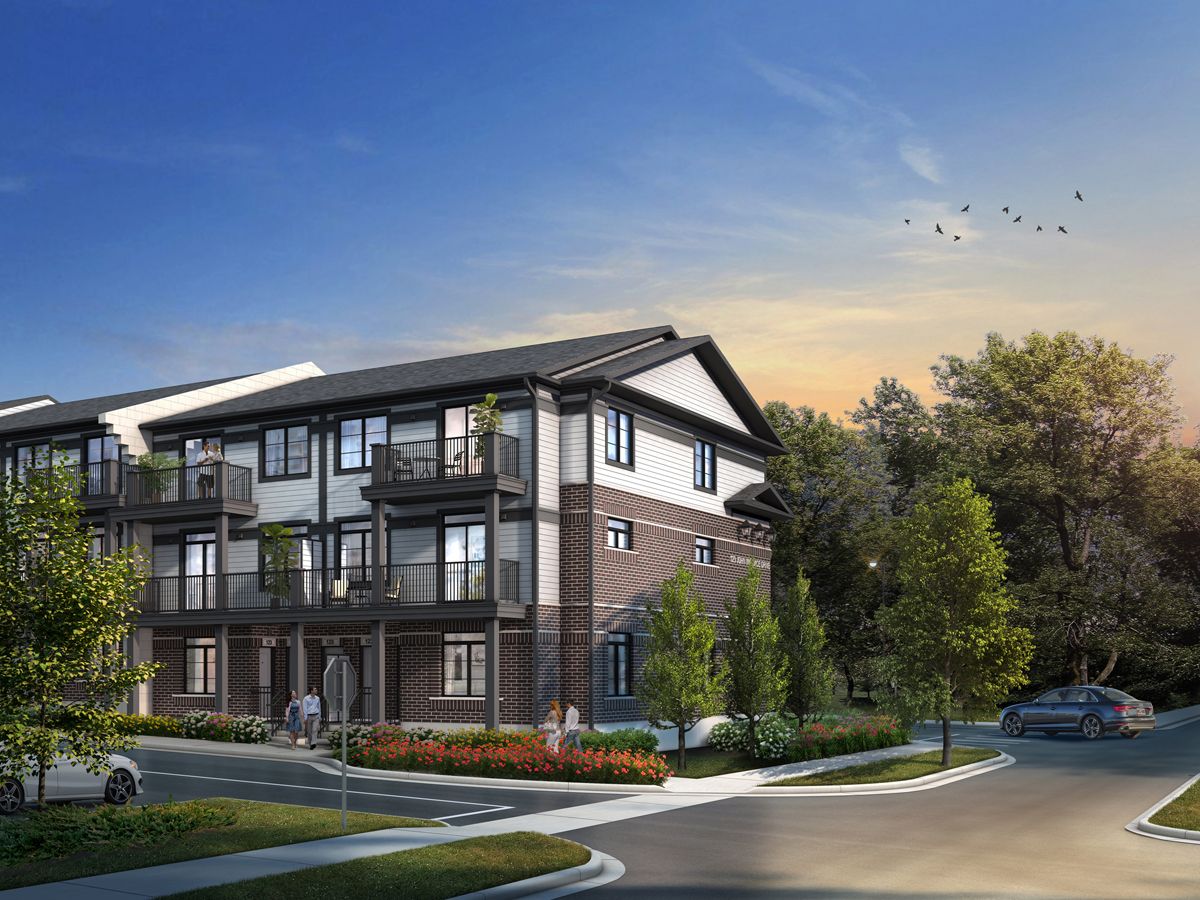
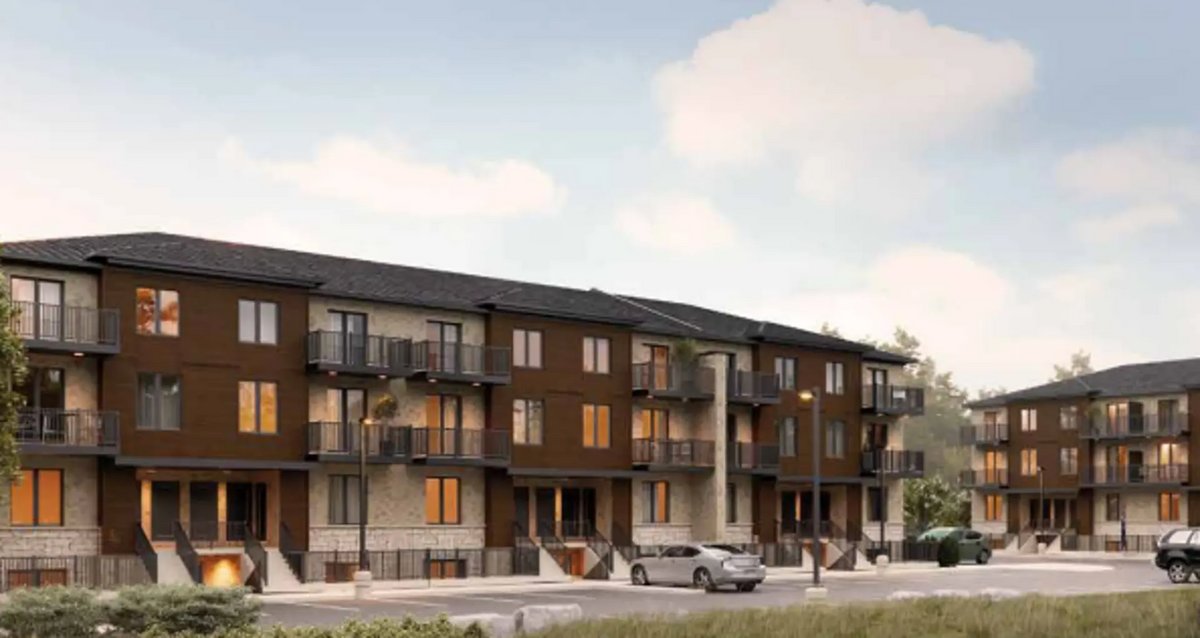
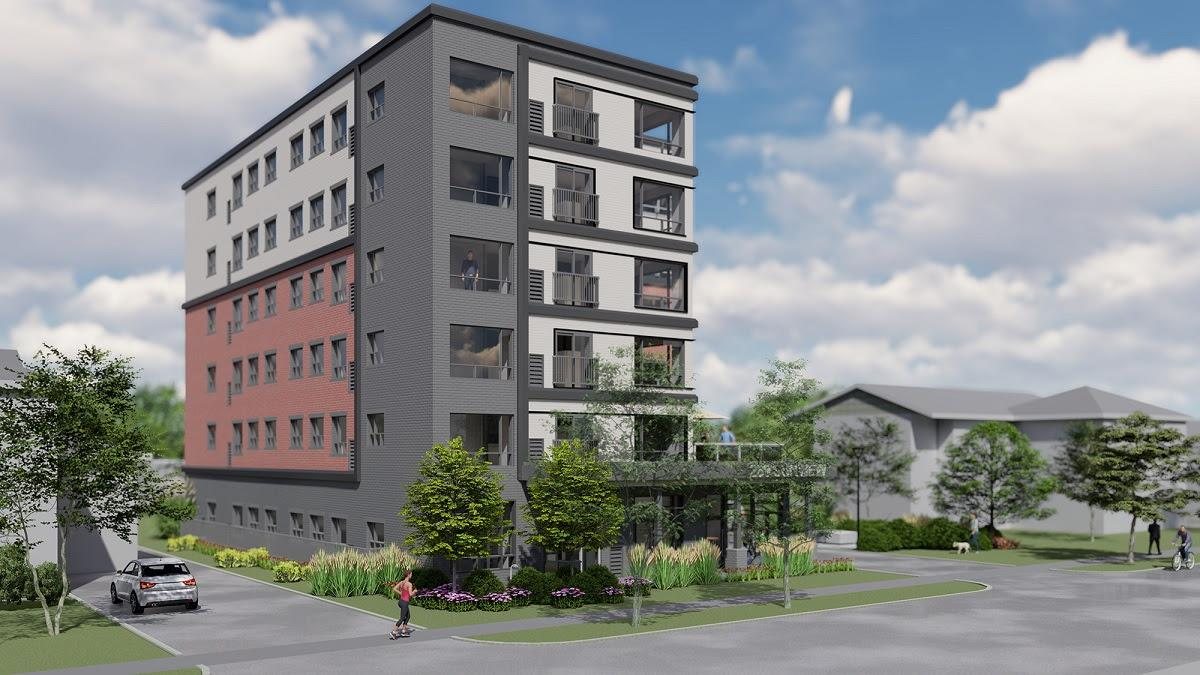
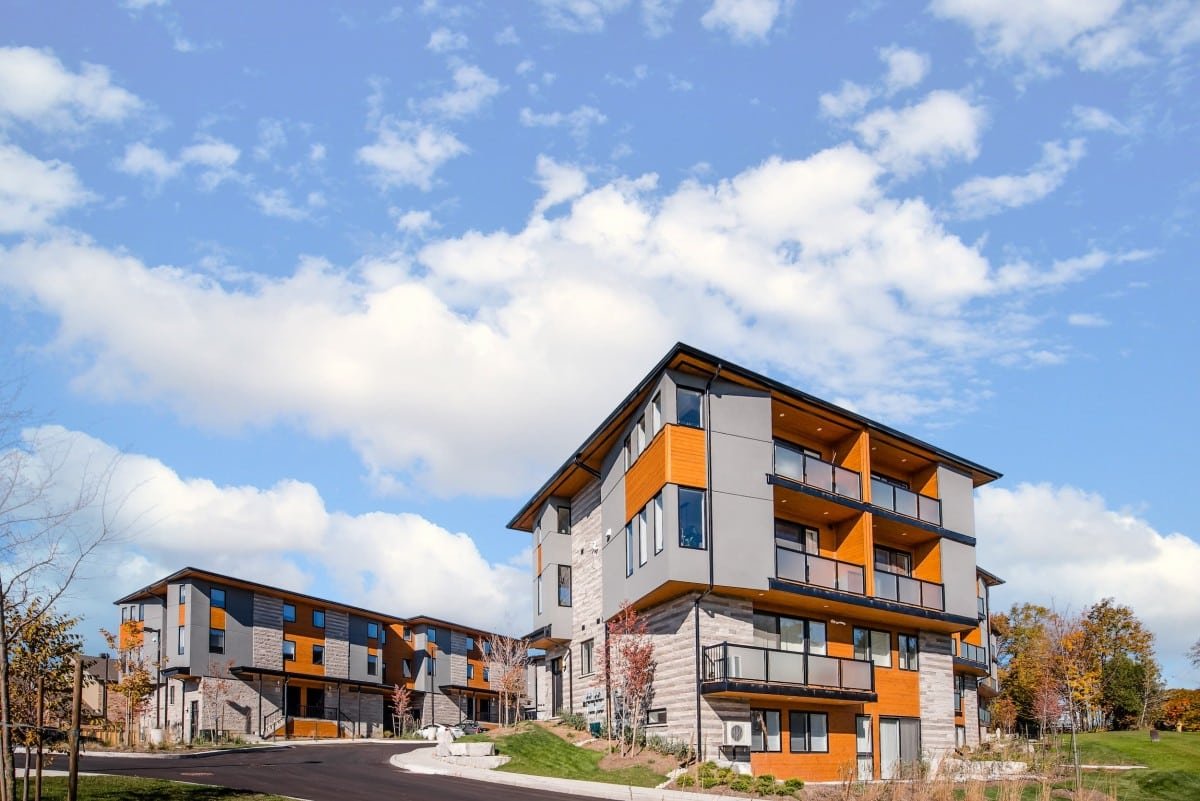
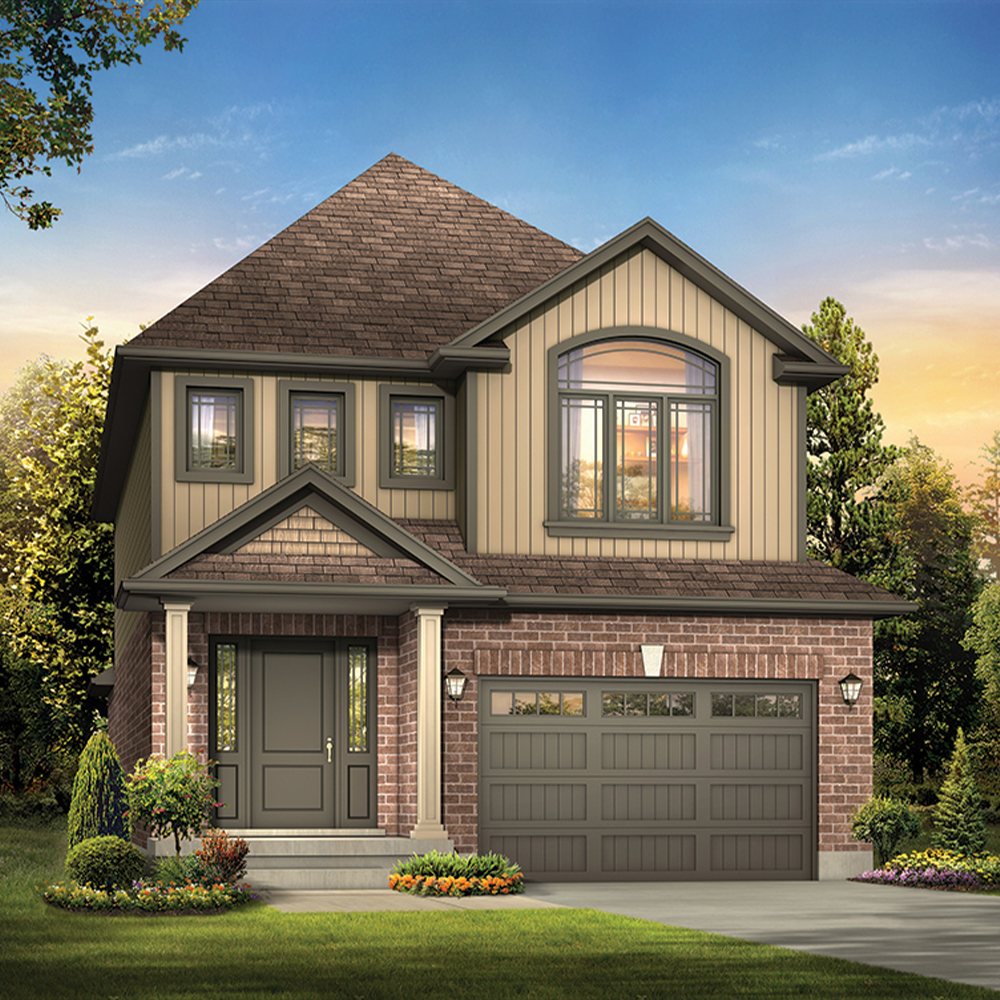
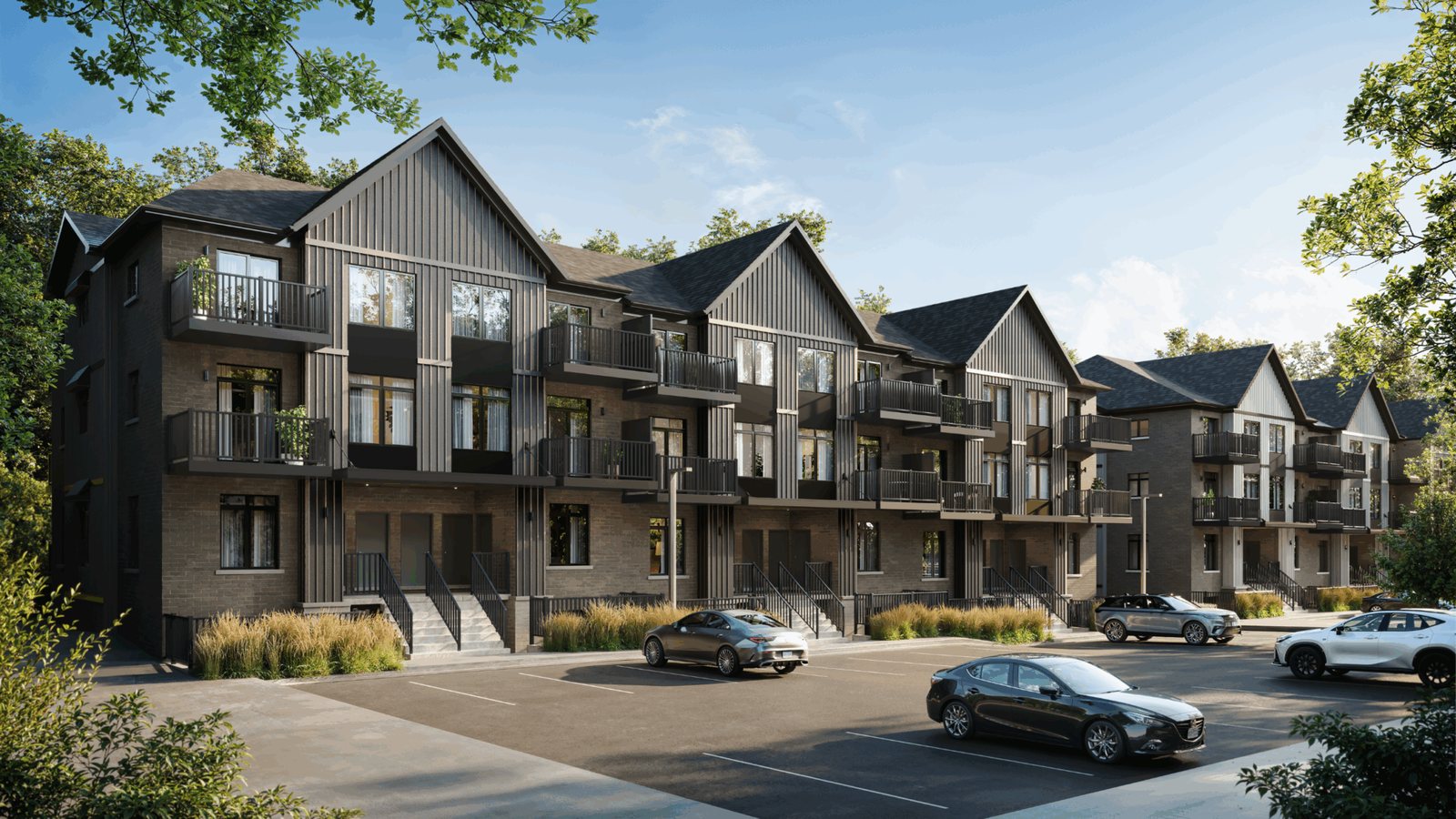
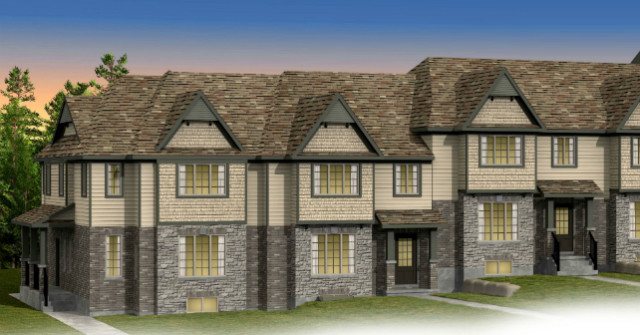
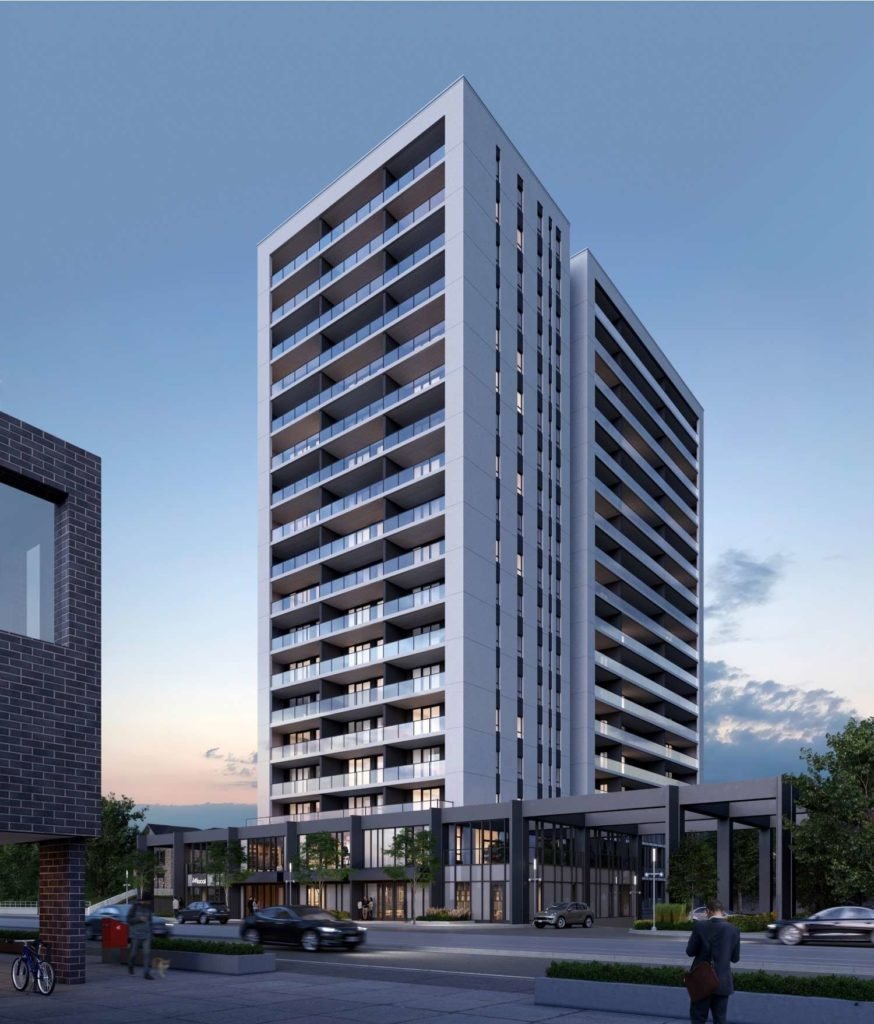
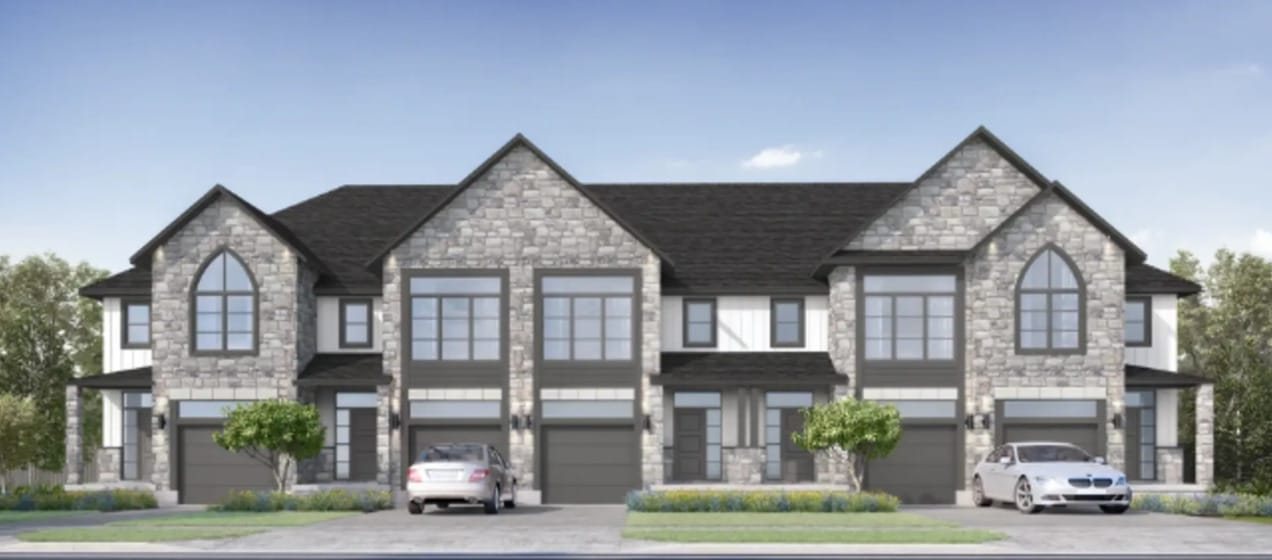
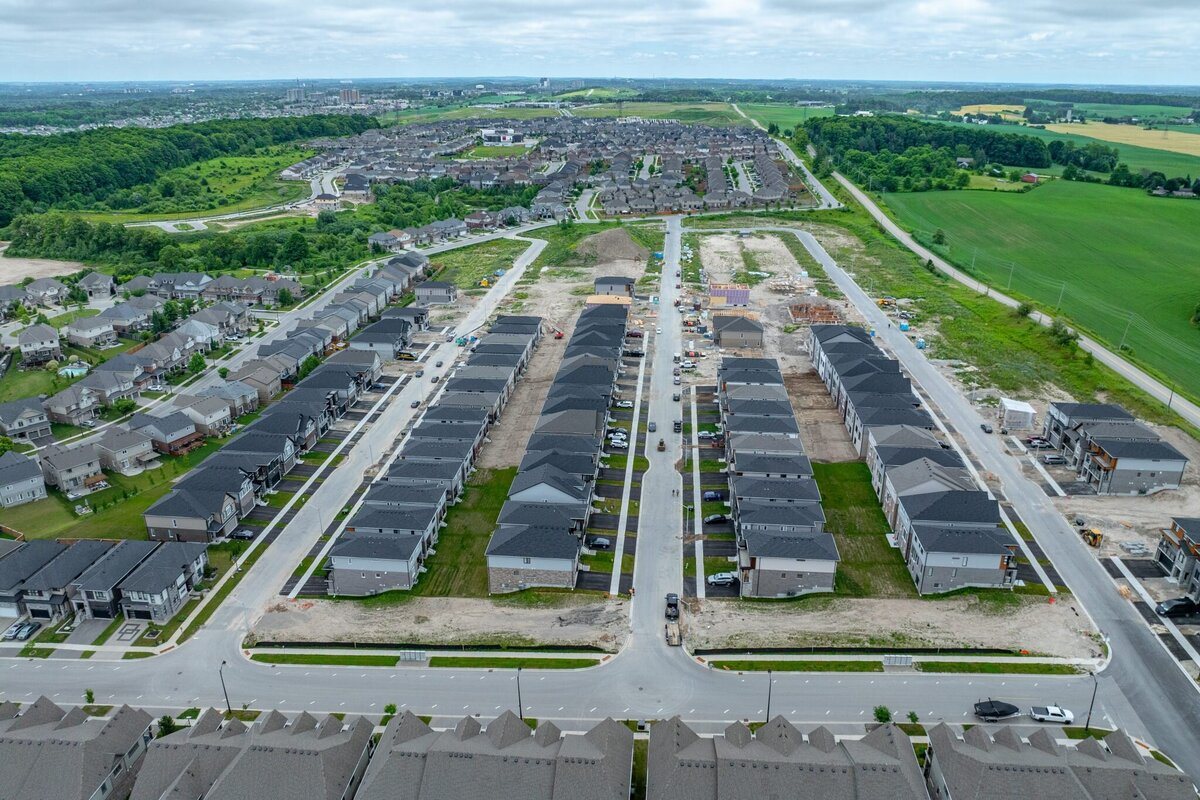
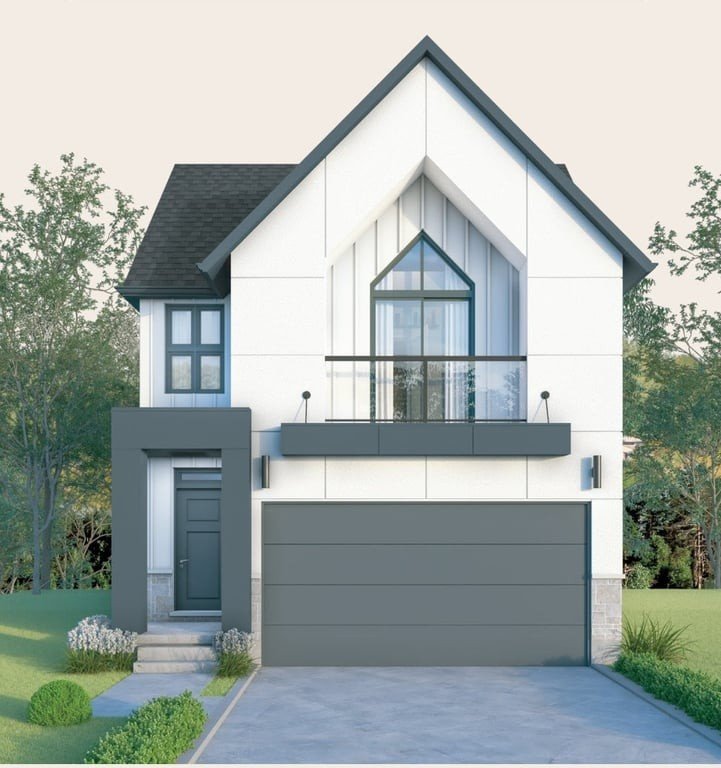
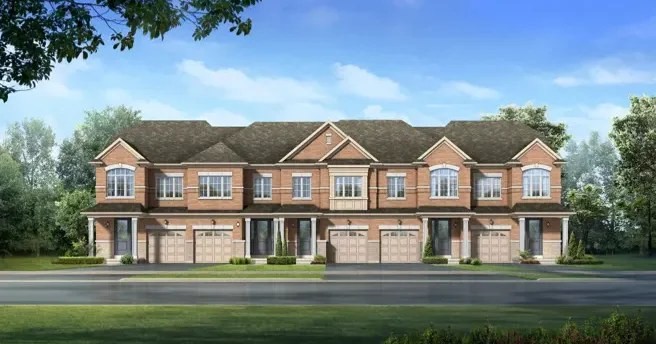
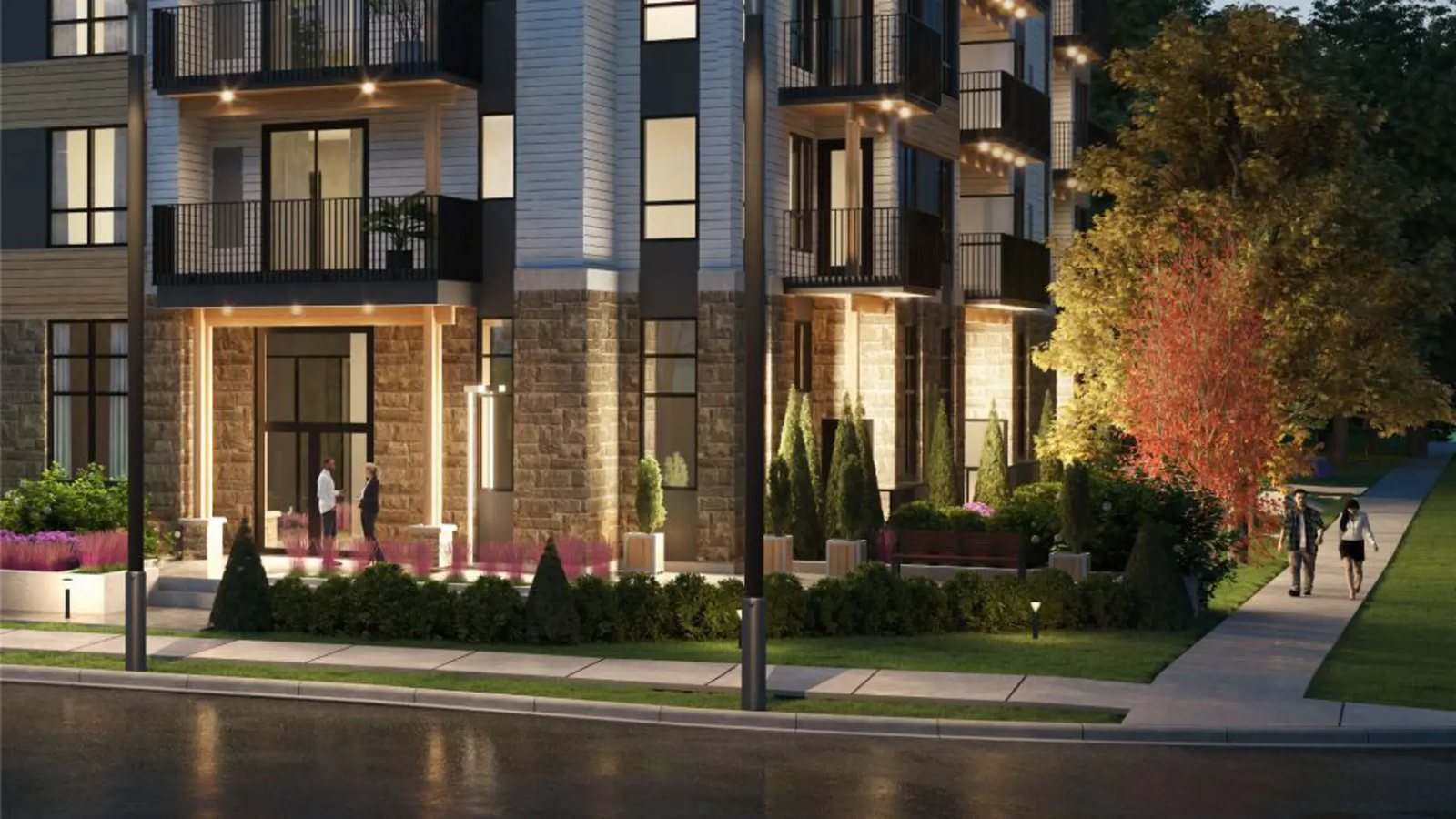
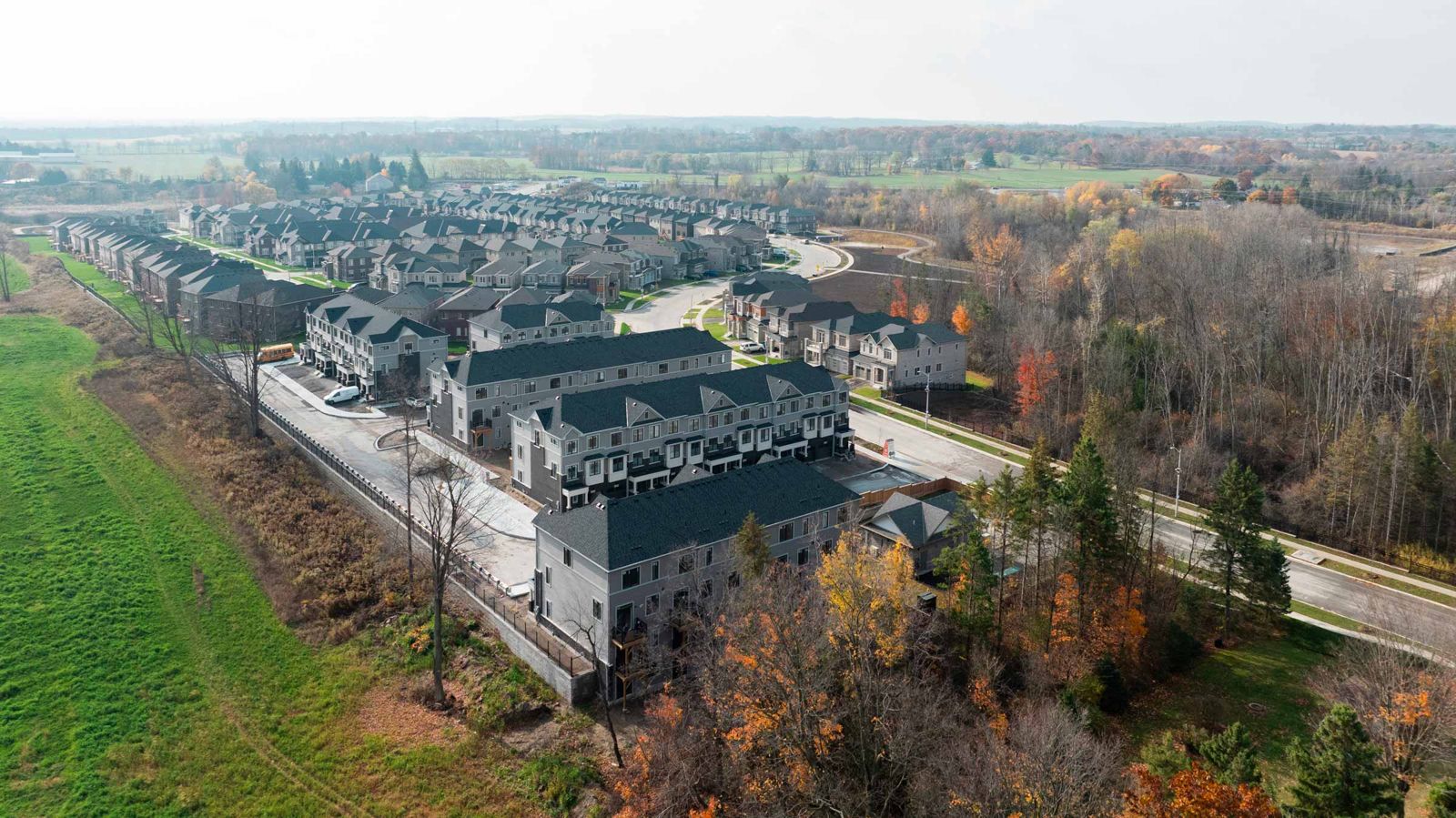
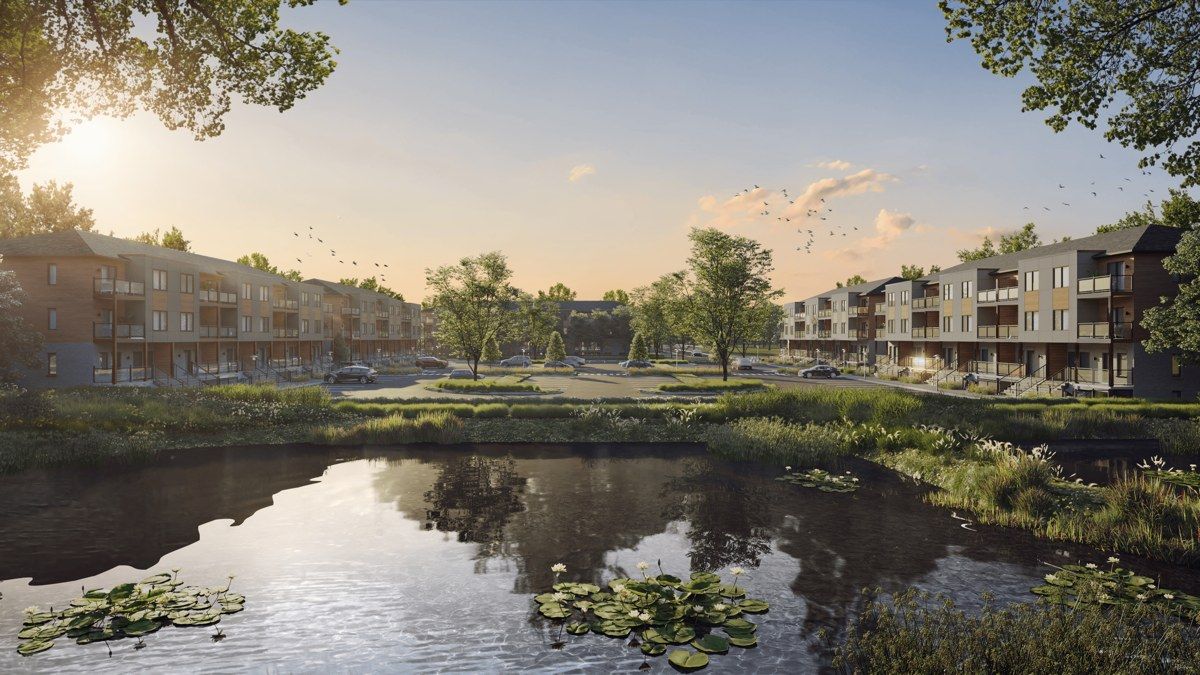
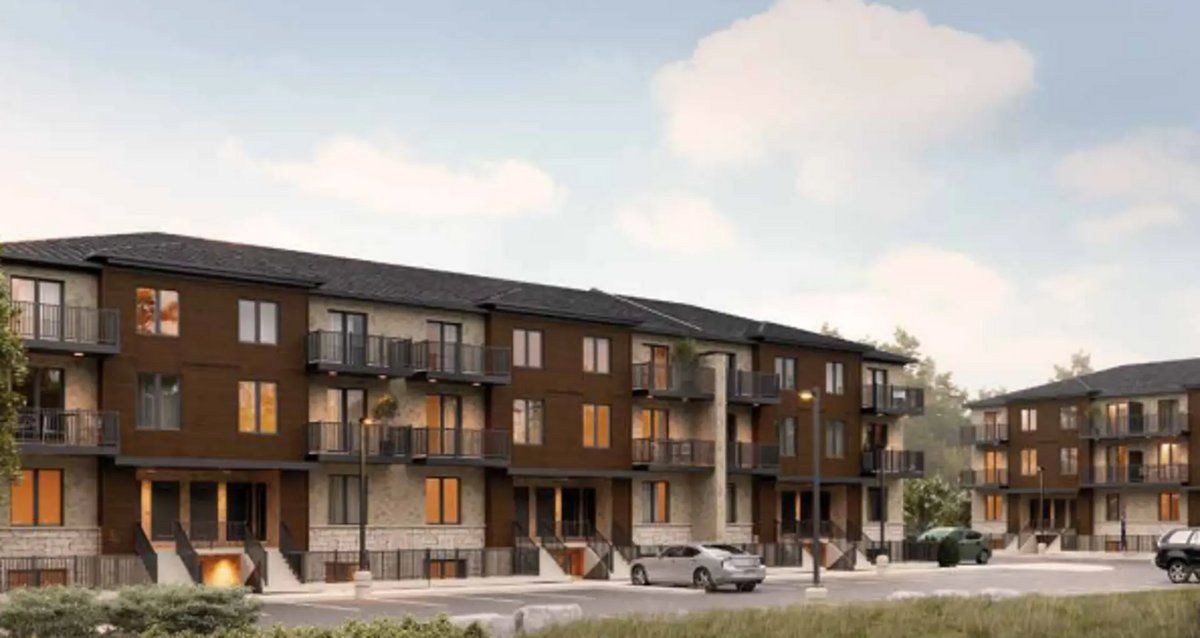
Pre-Construction

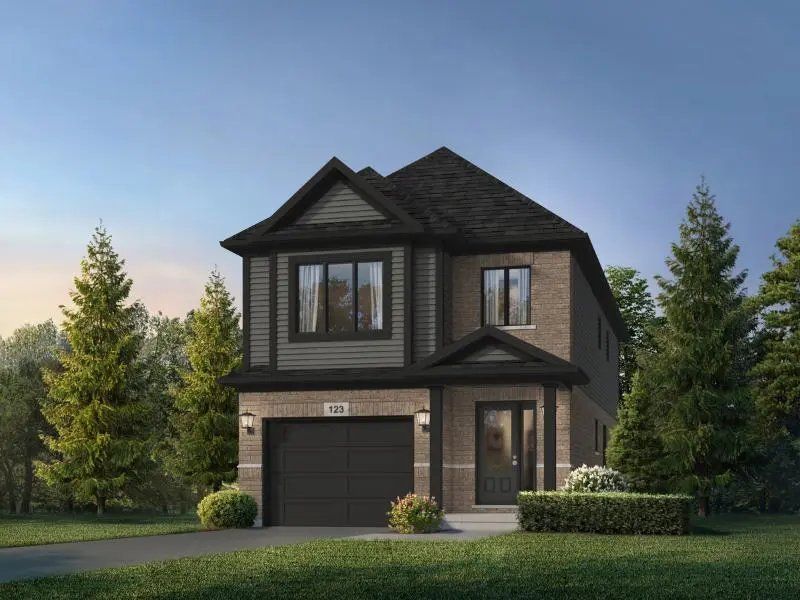
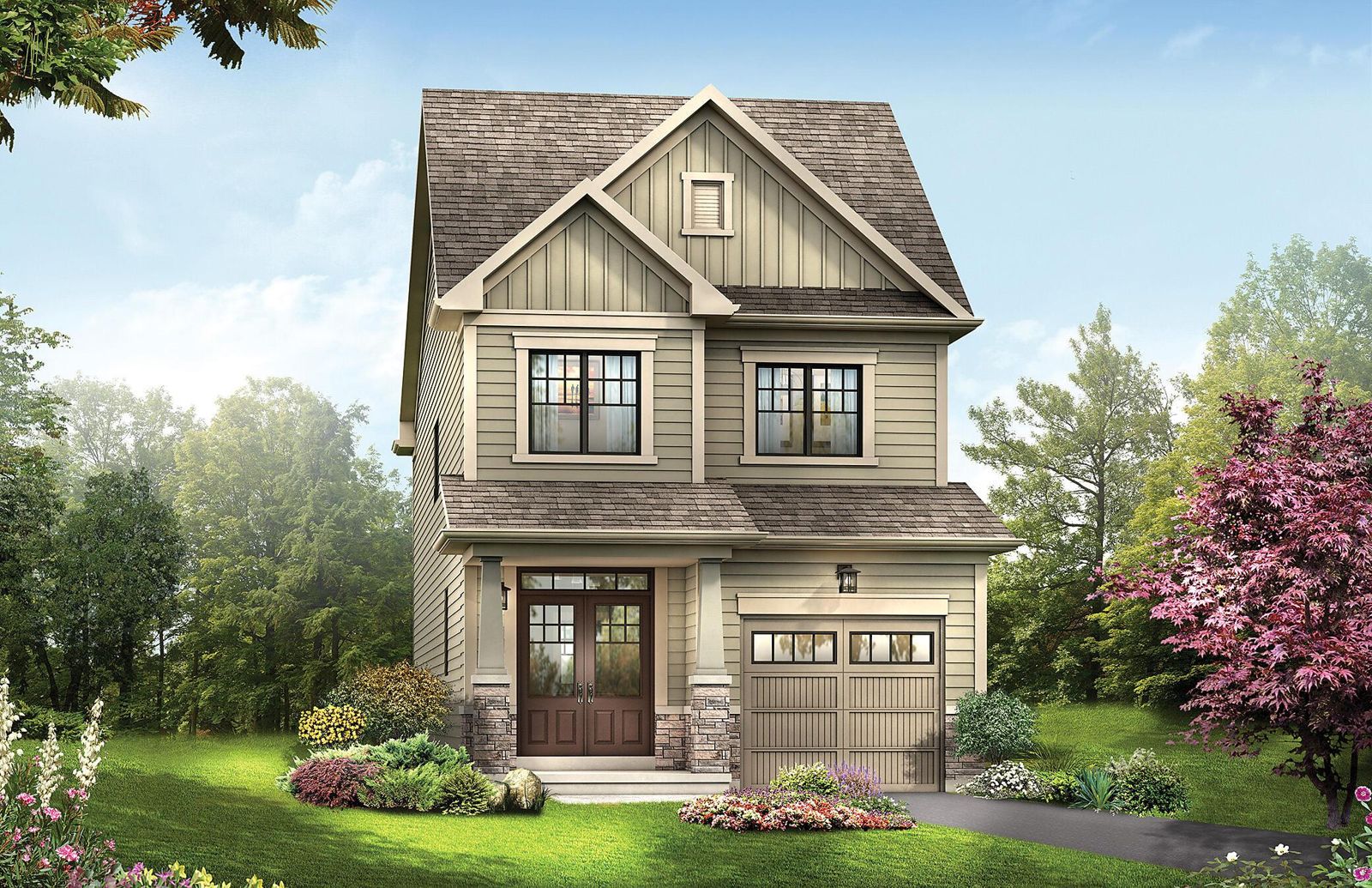
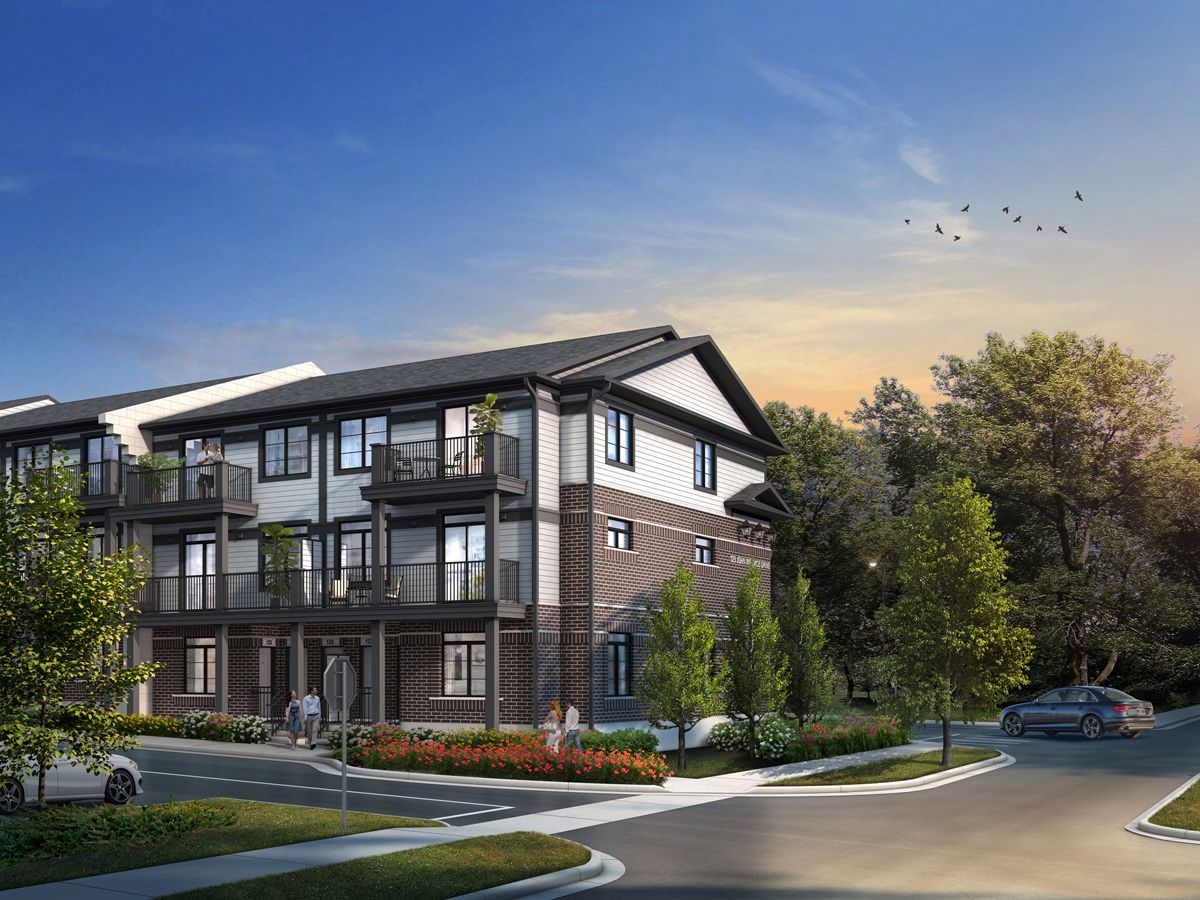
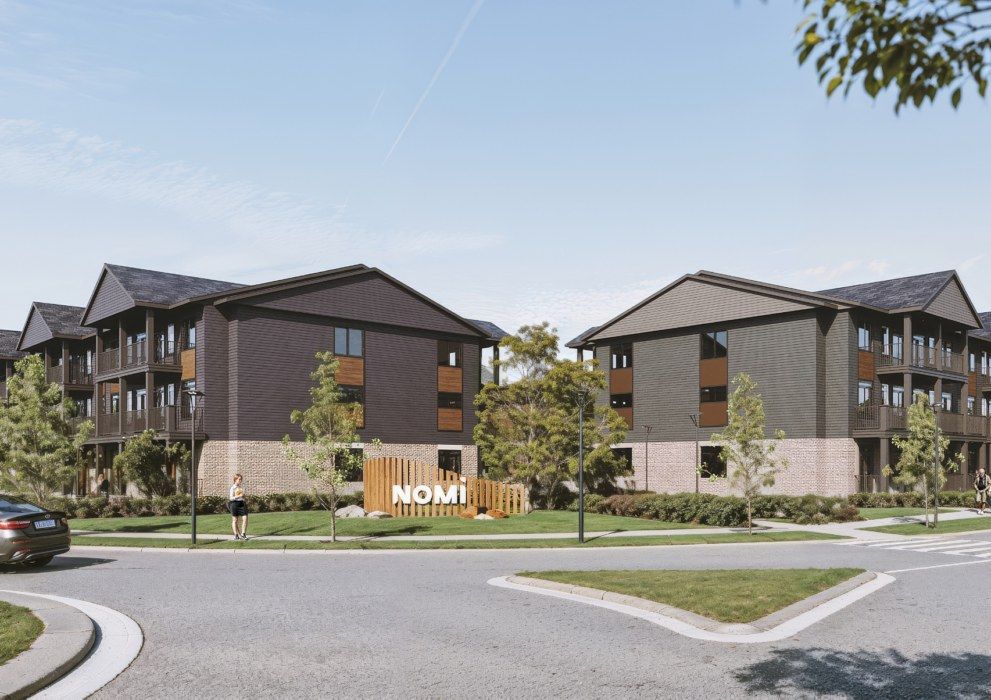
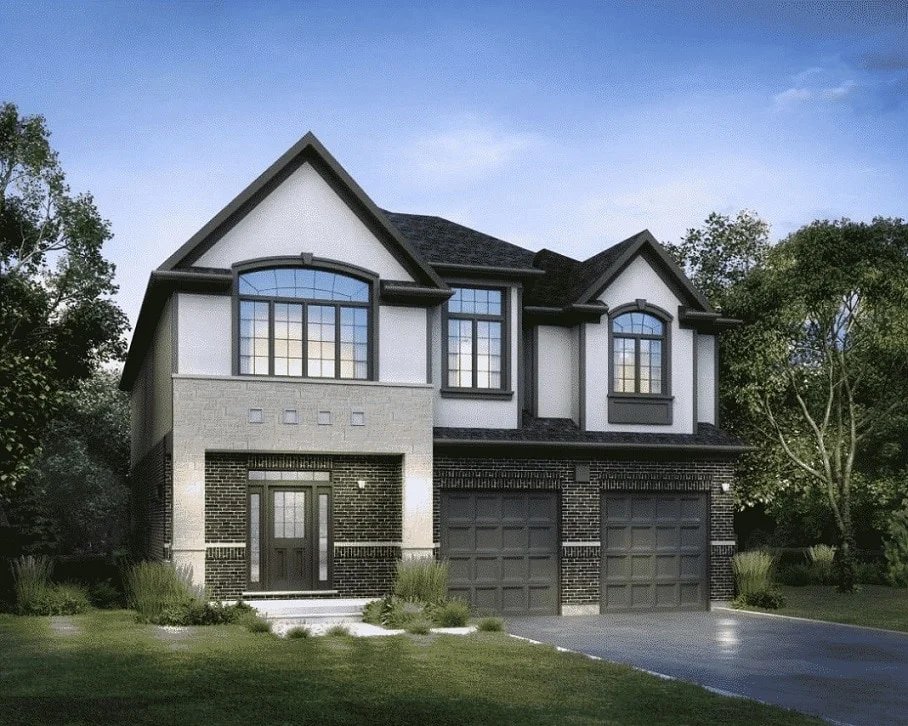
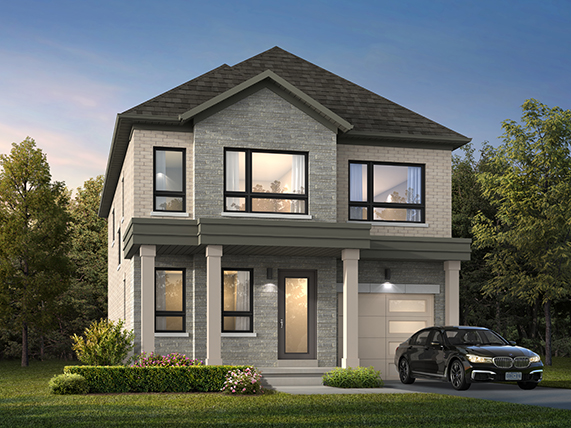
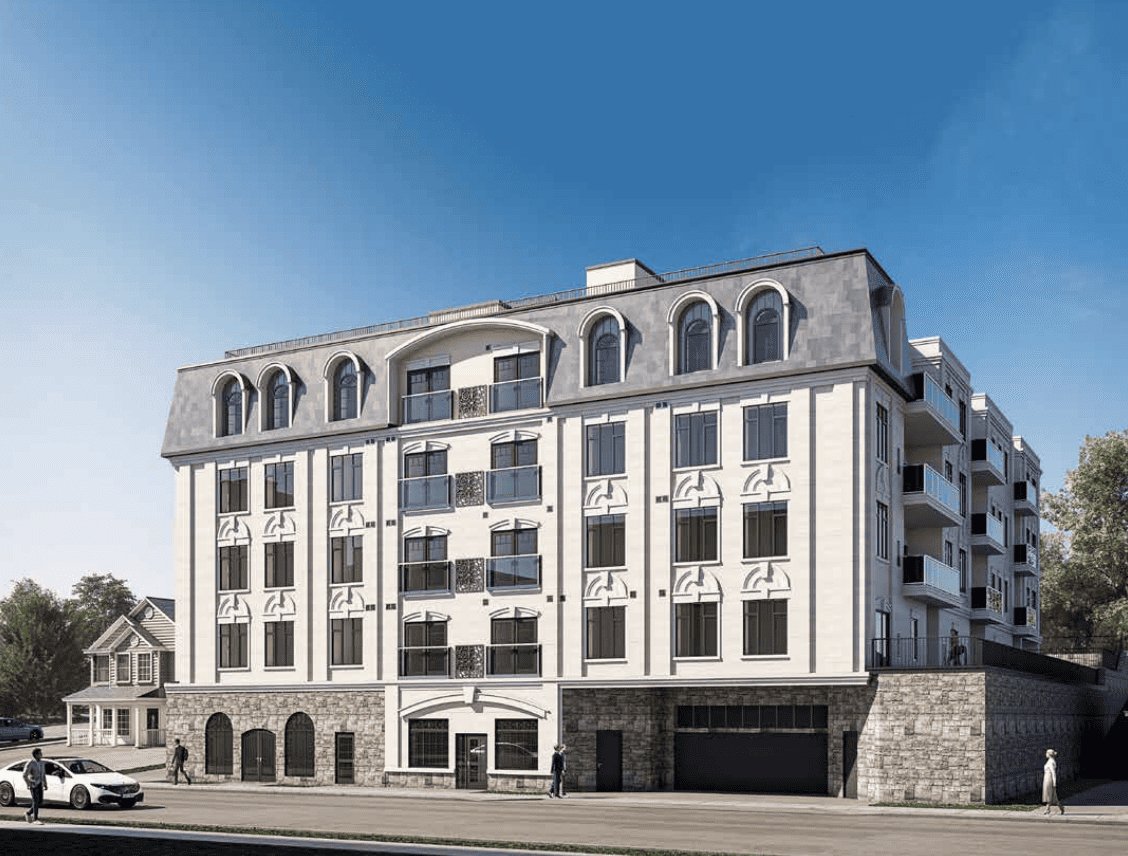
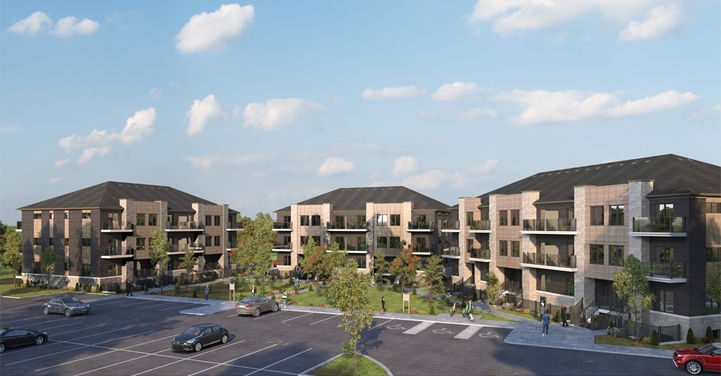
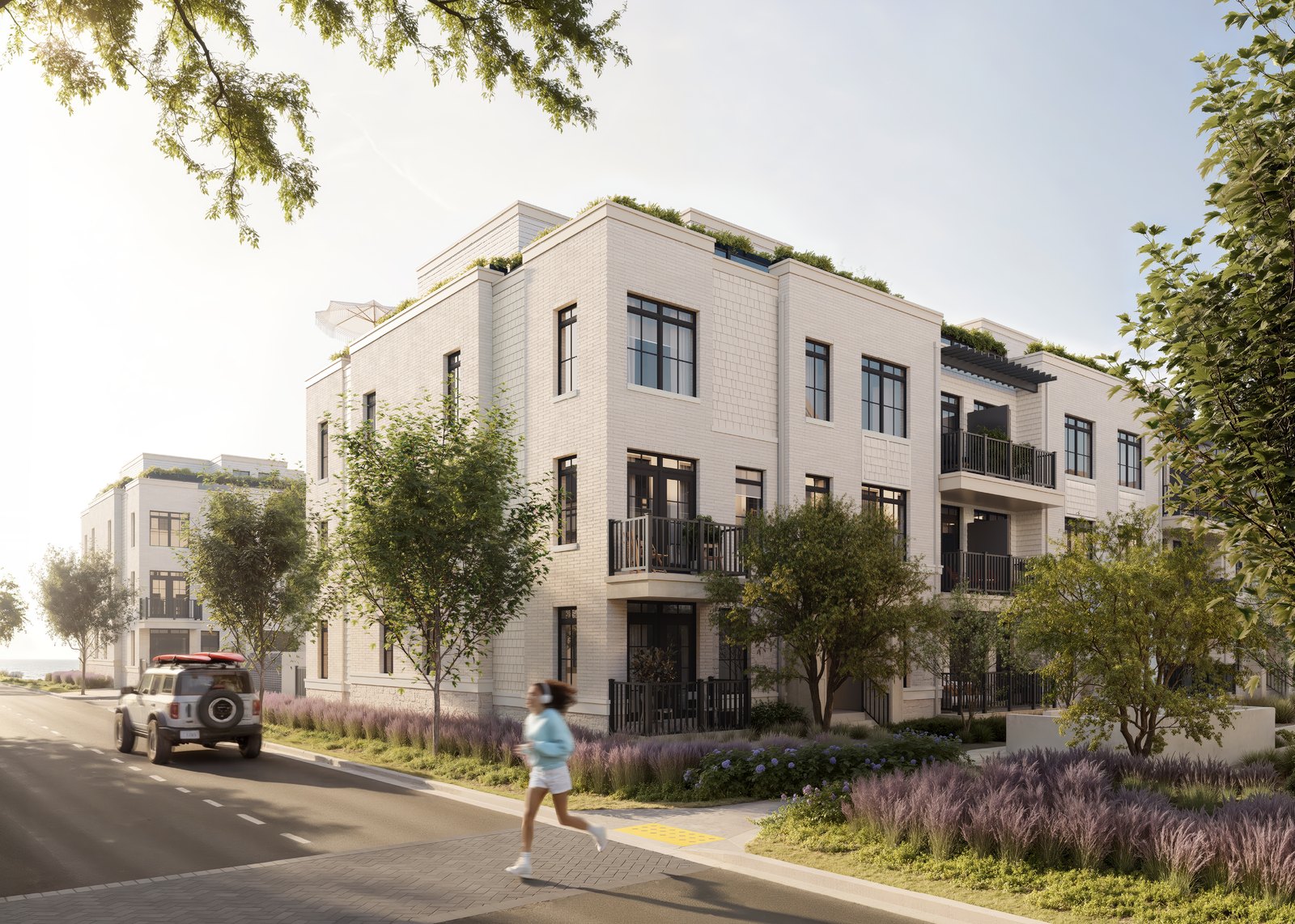
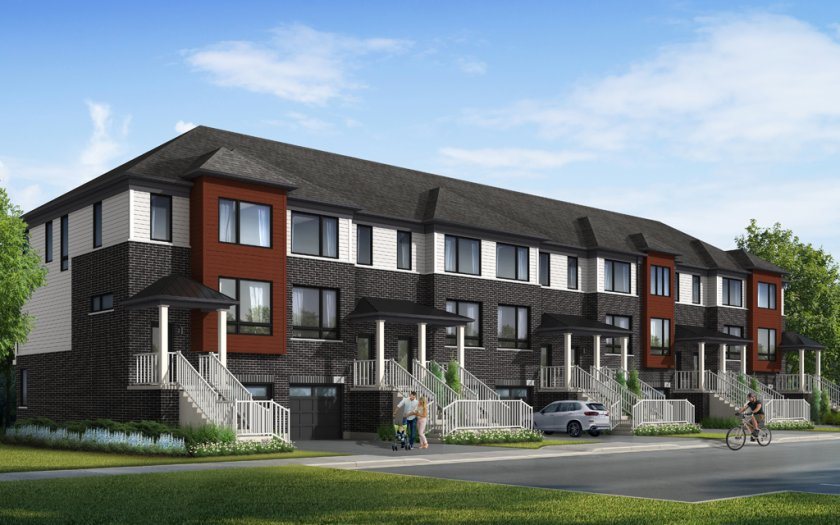
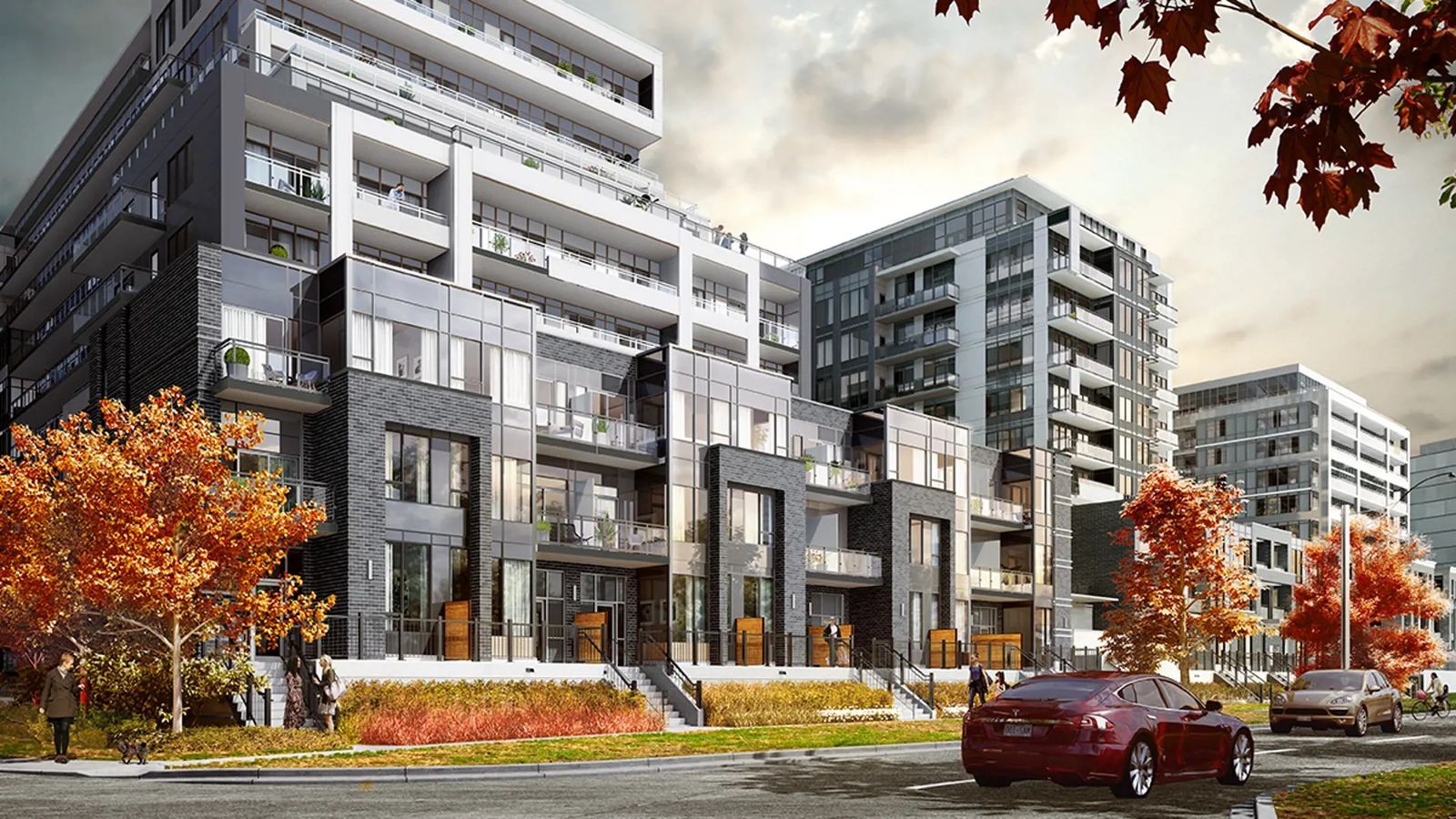
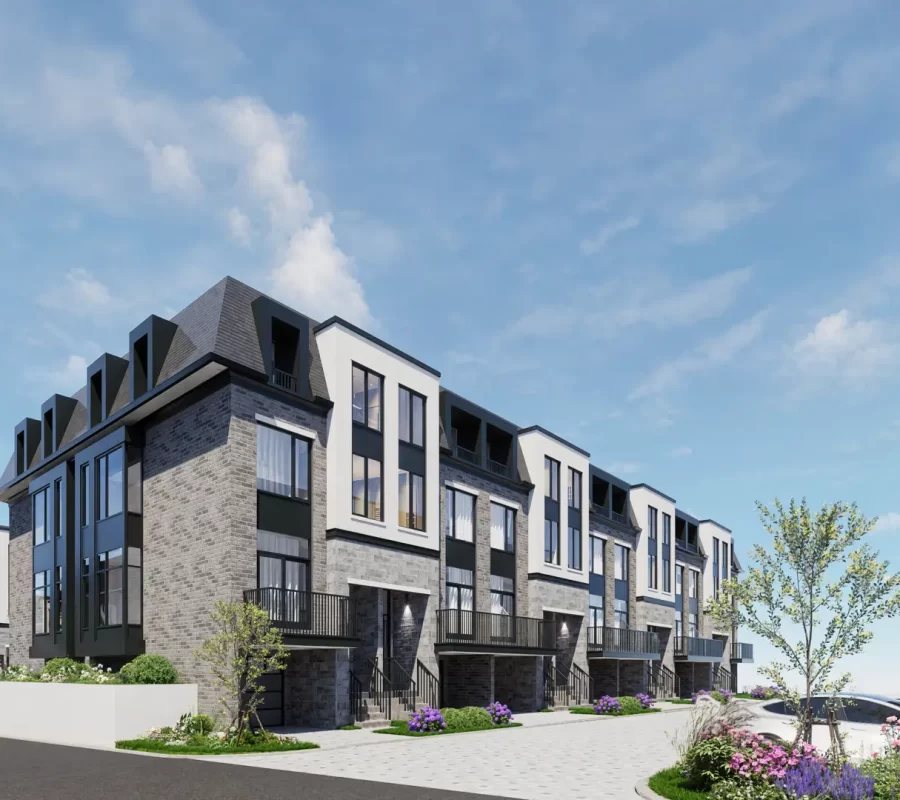
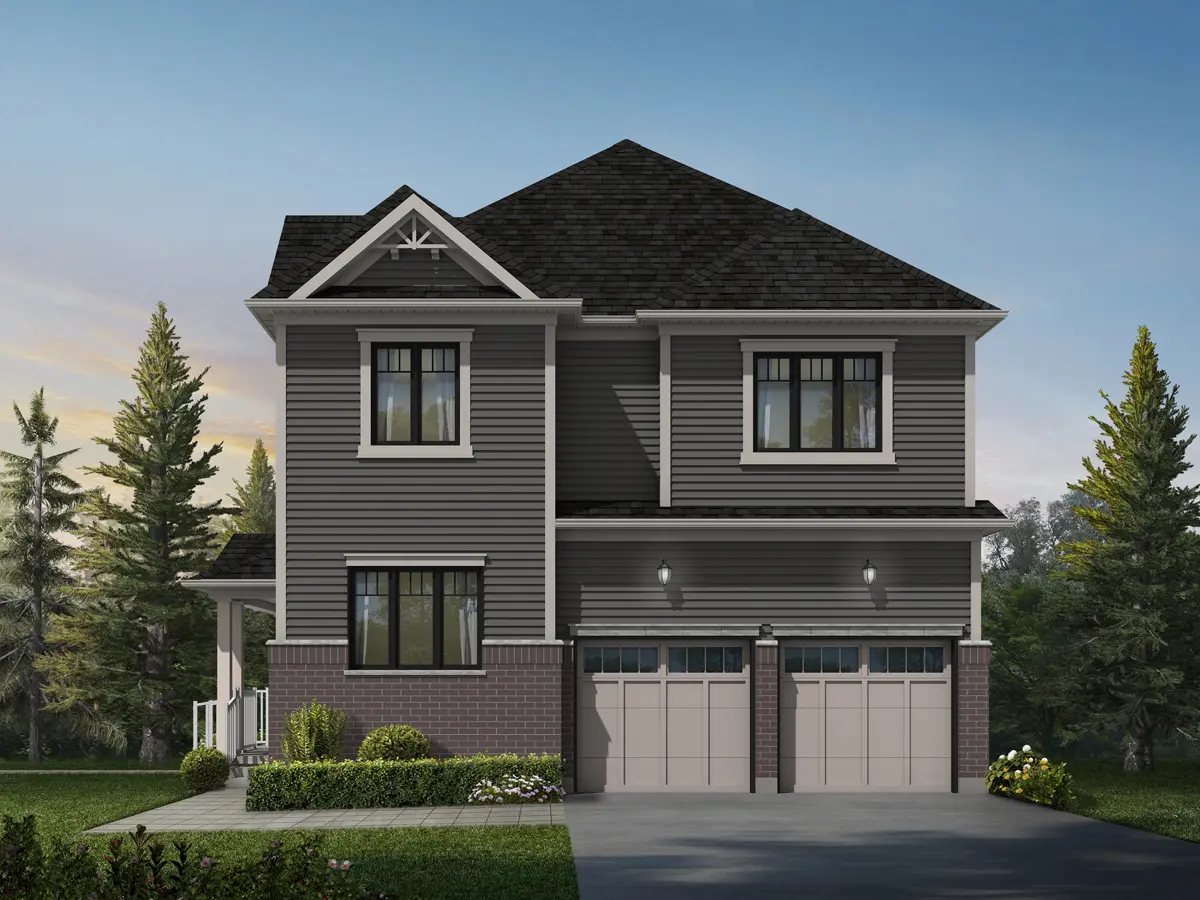
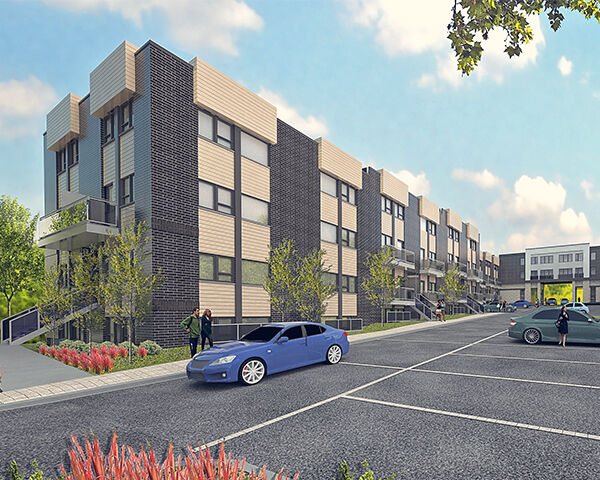
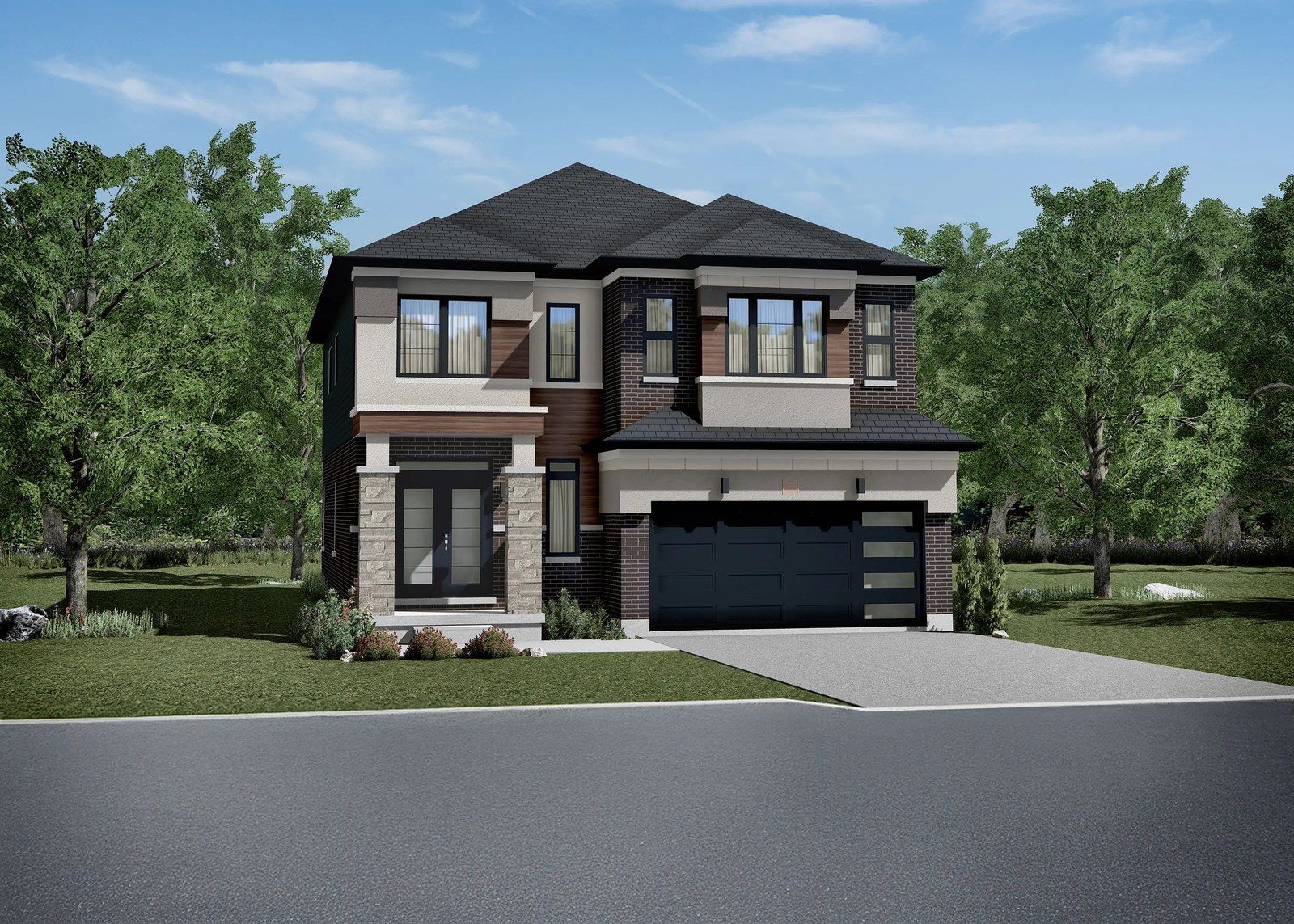
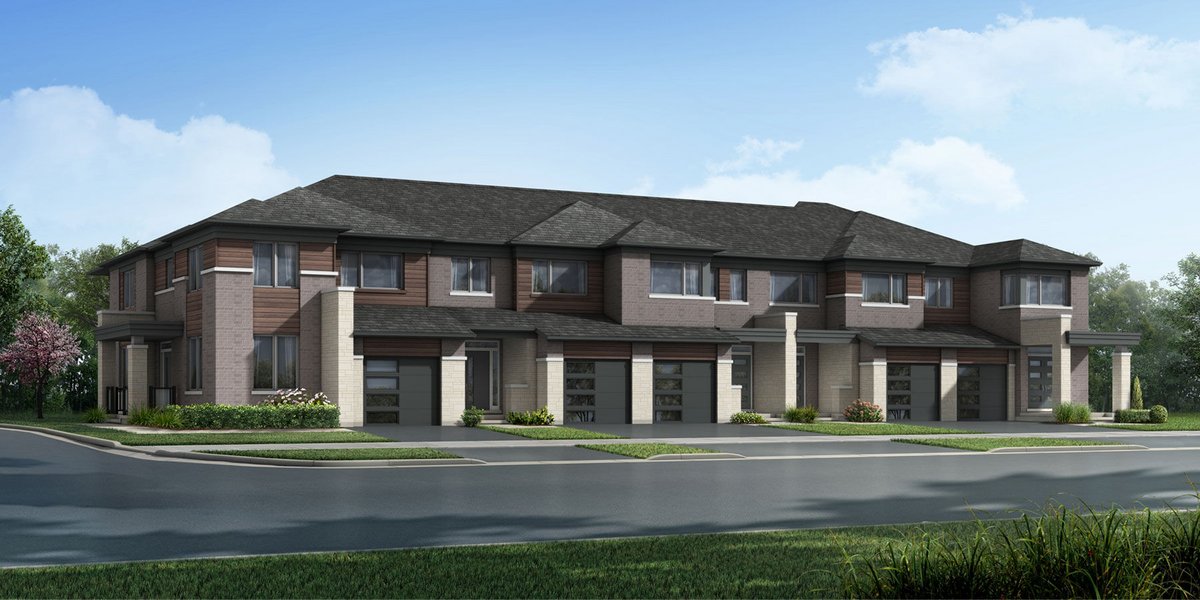
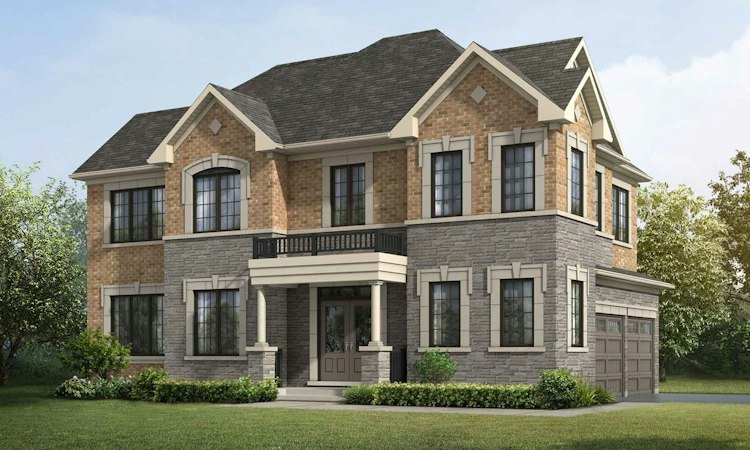
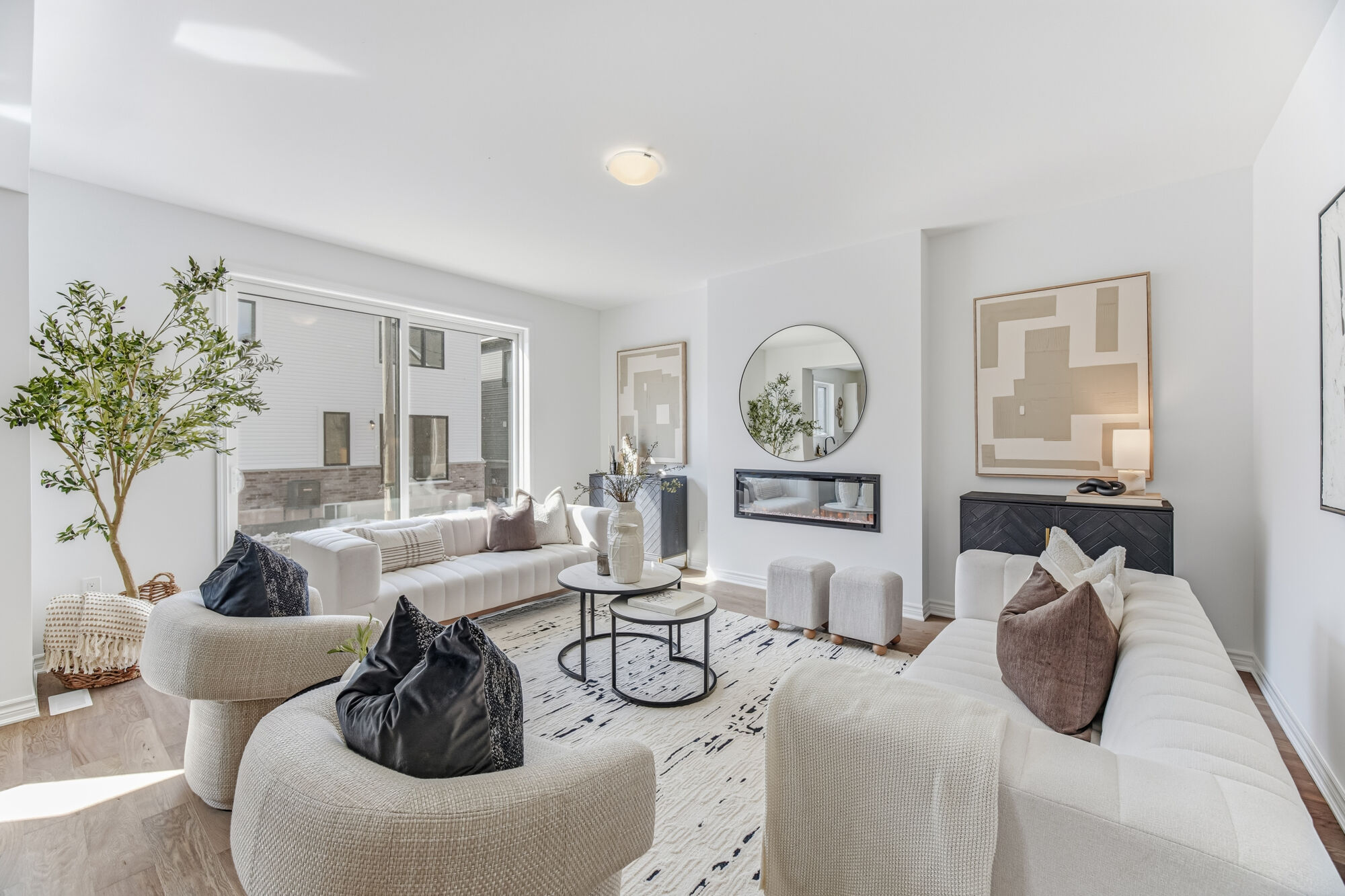
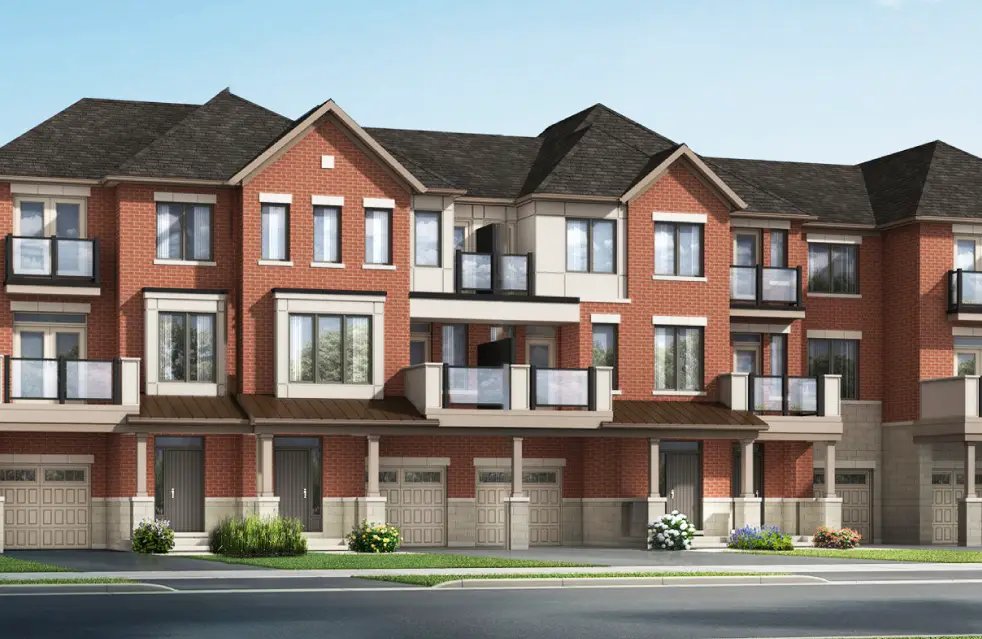
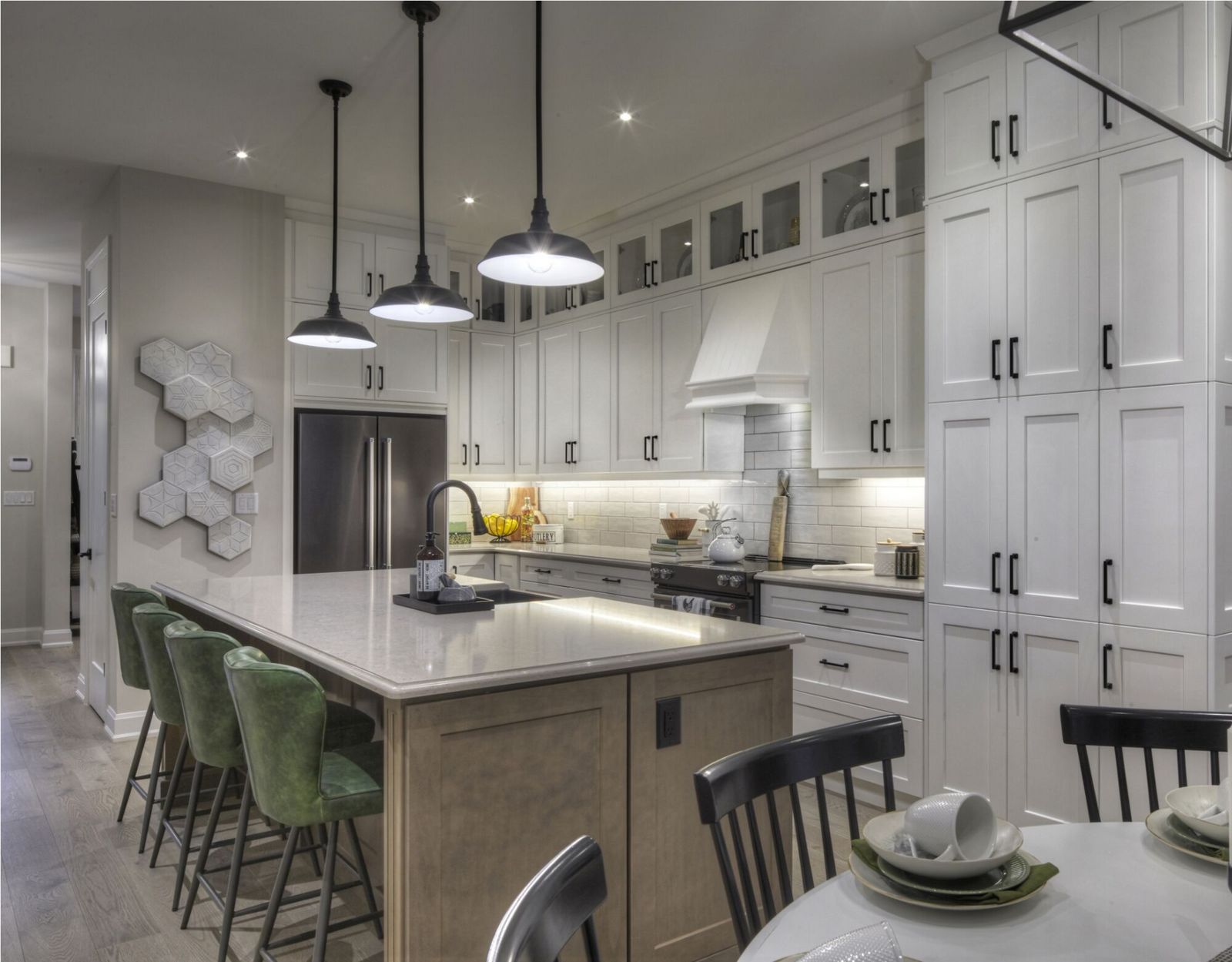
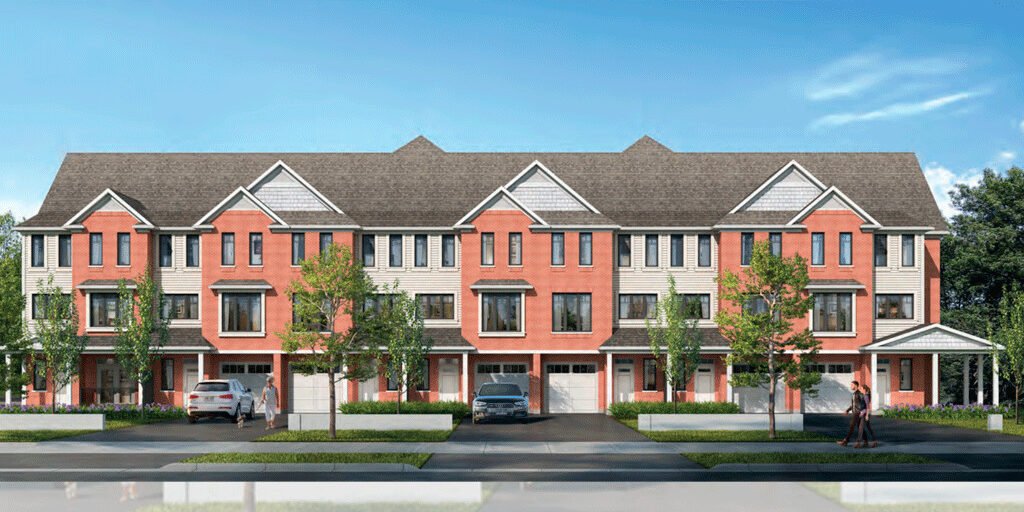
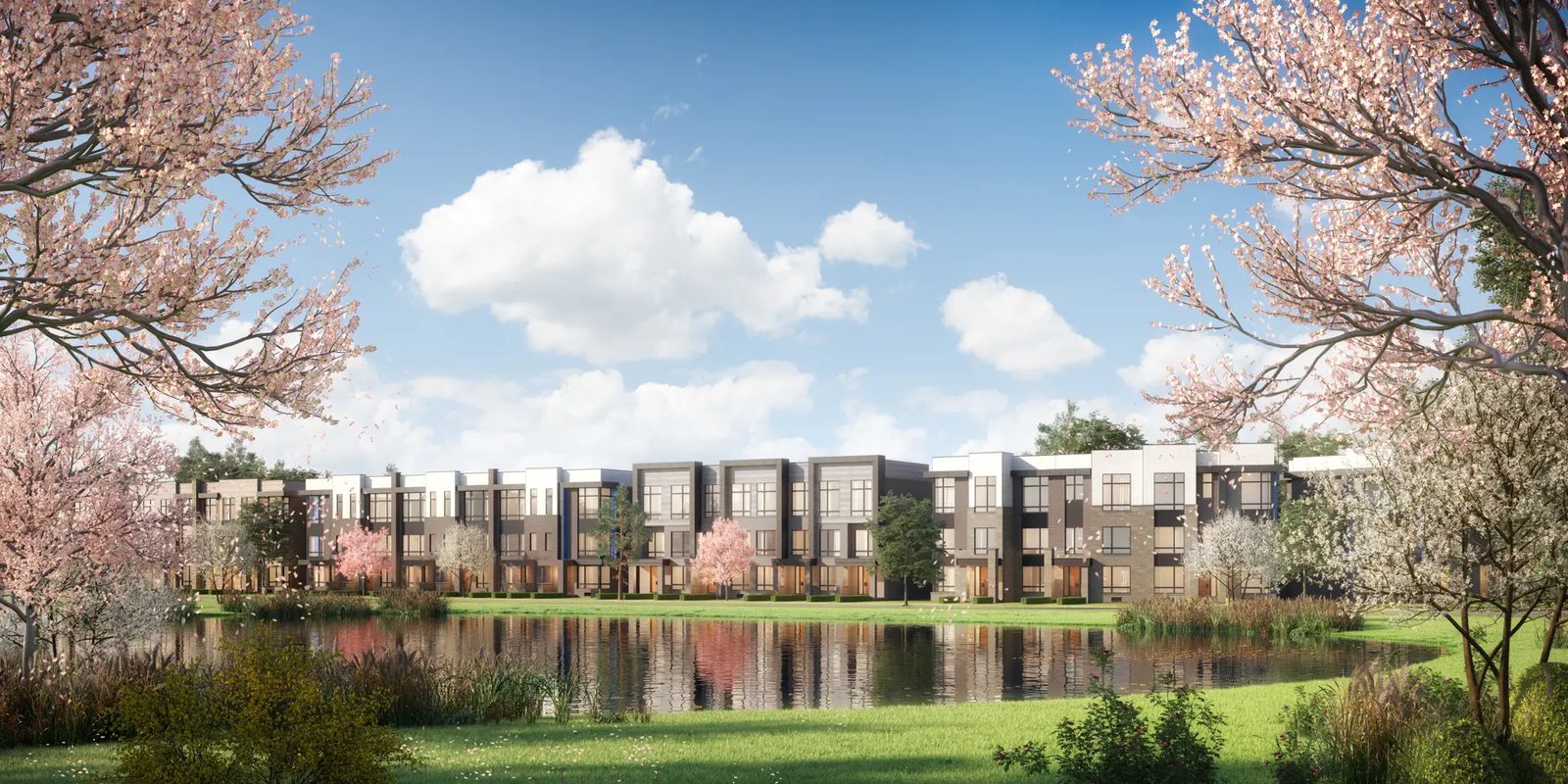
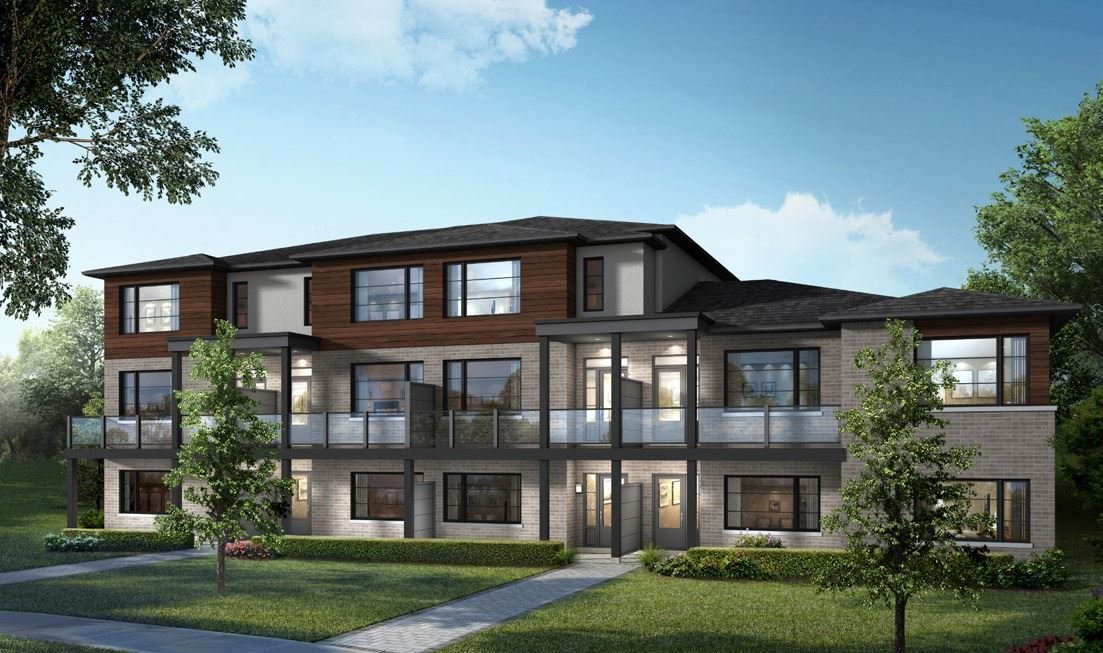
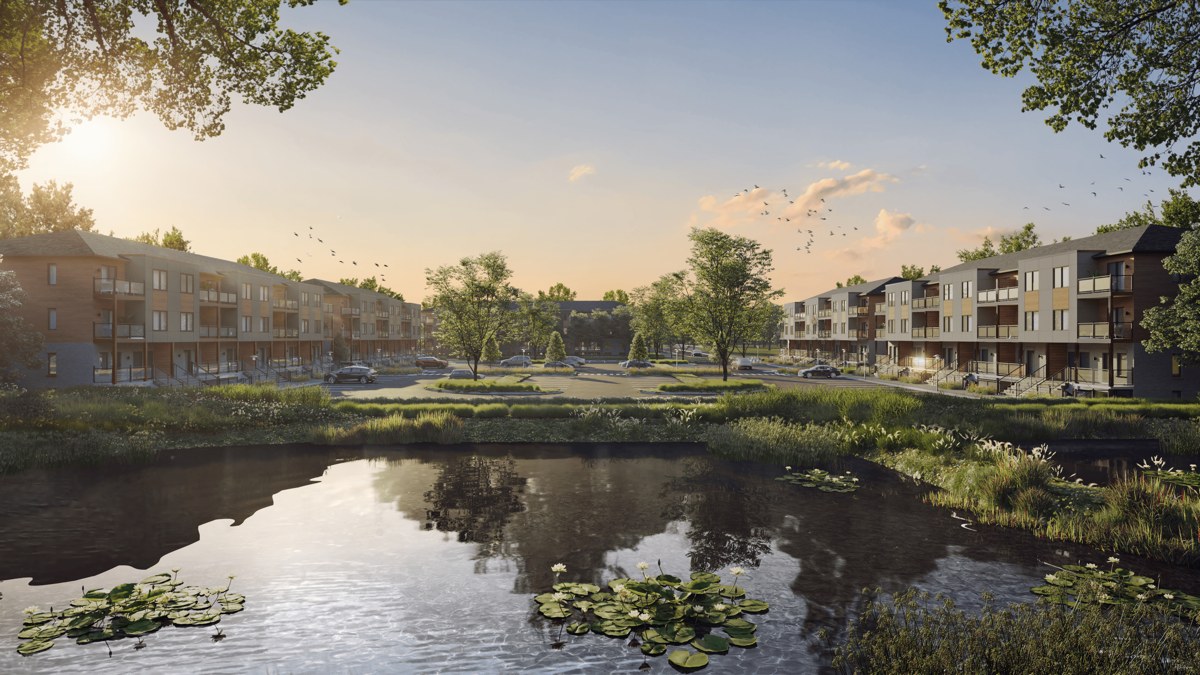
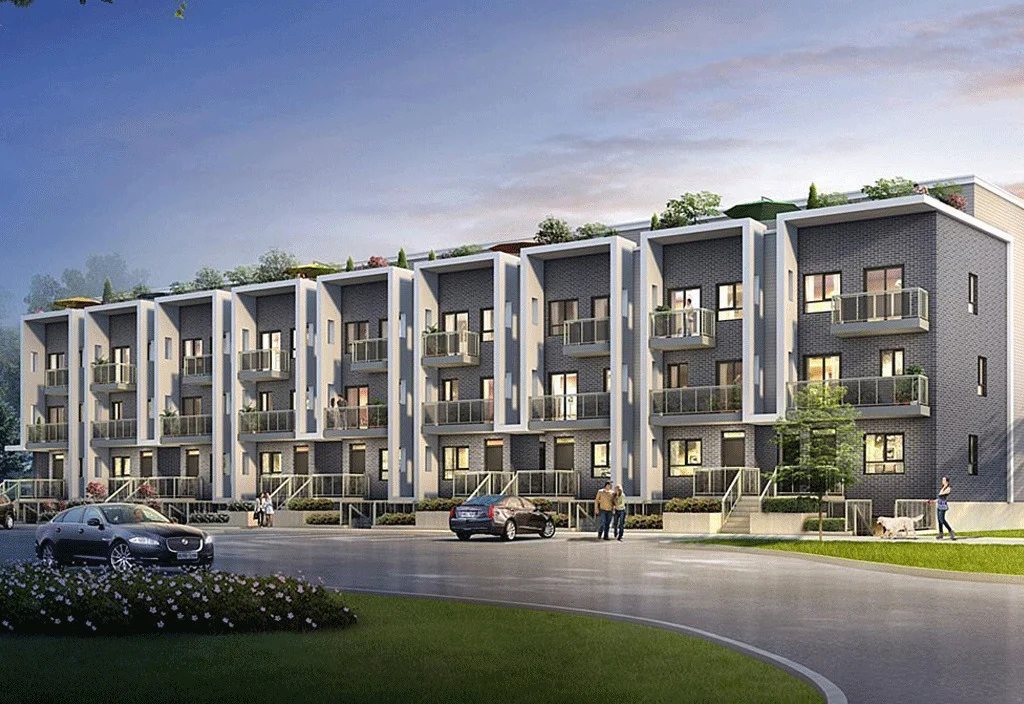
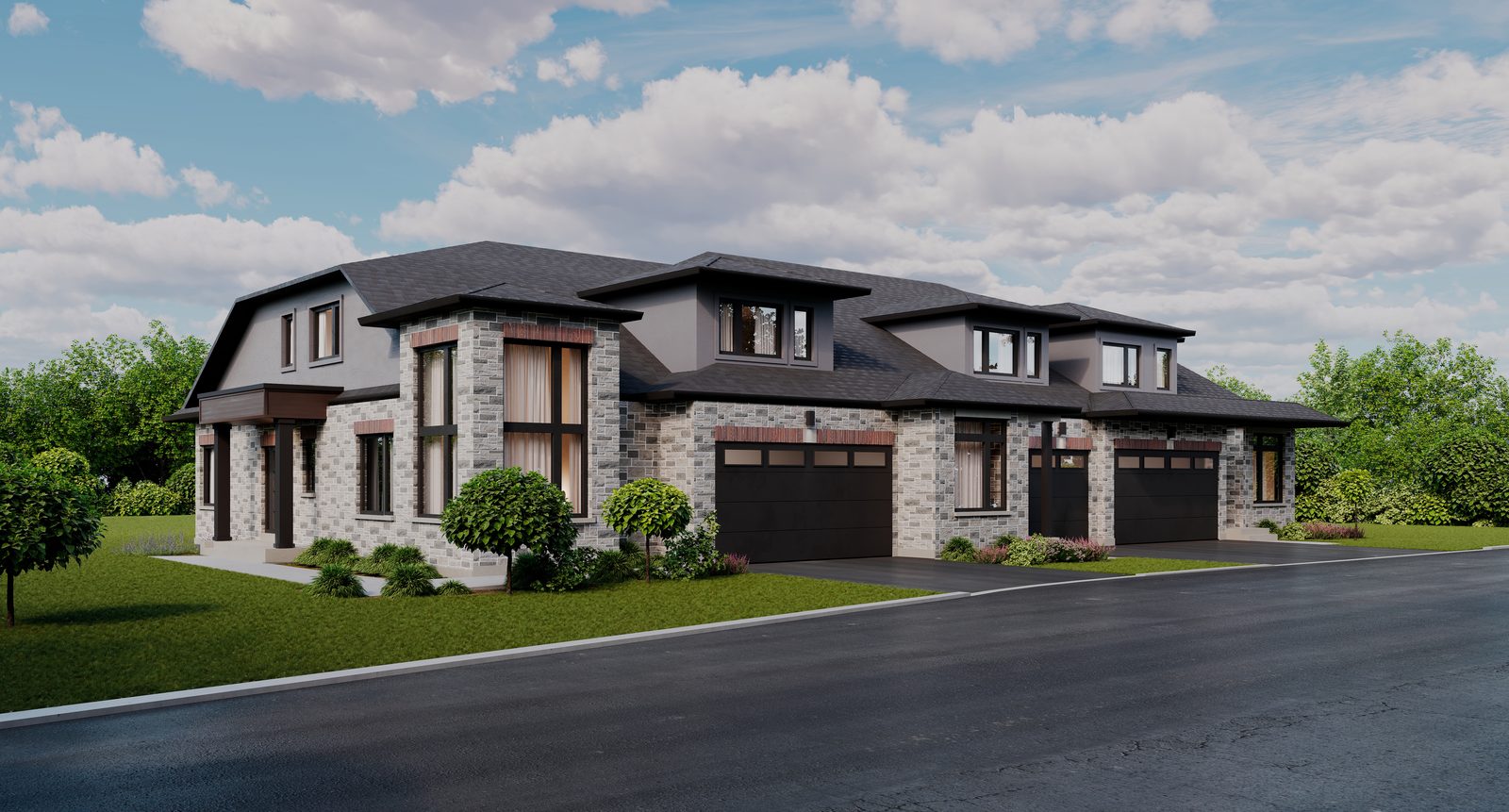
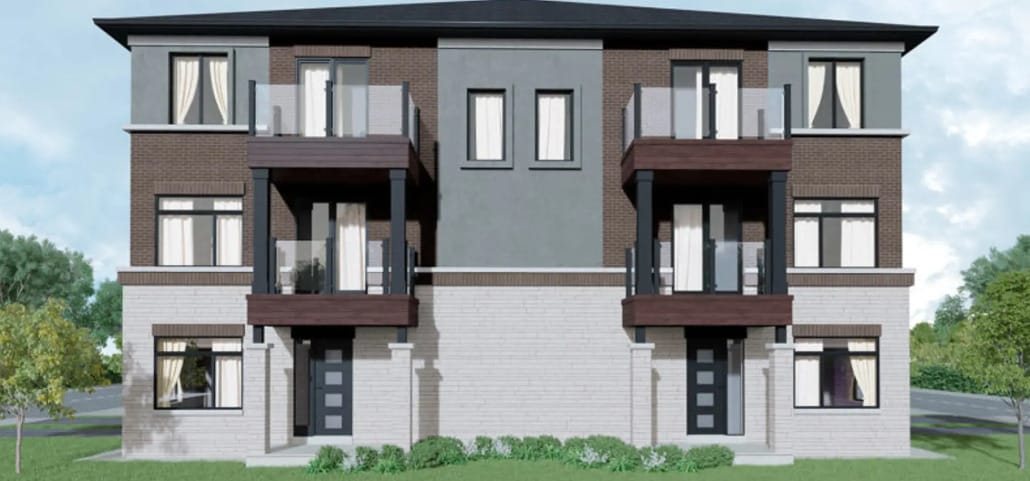
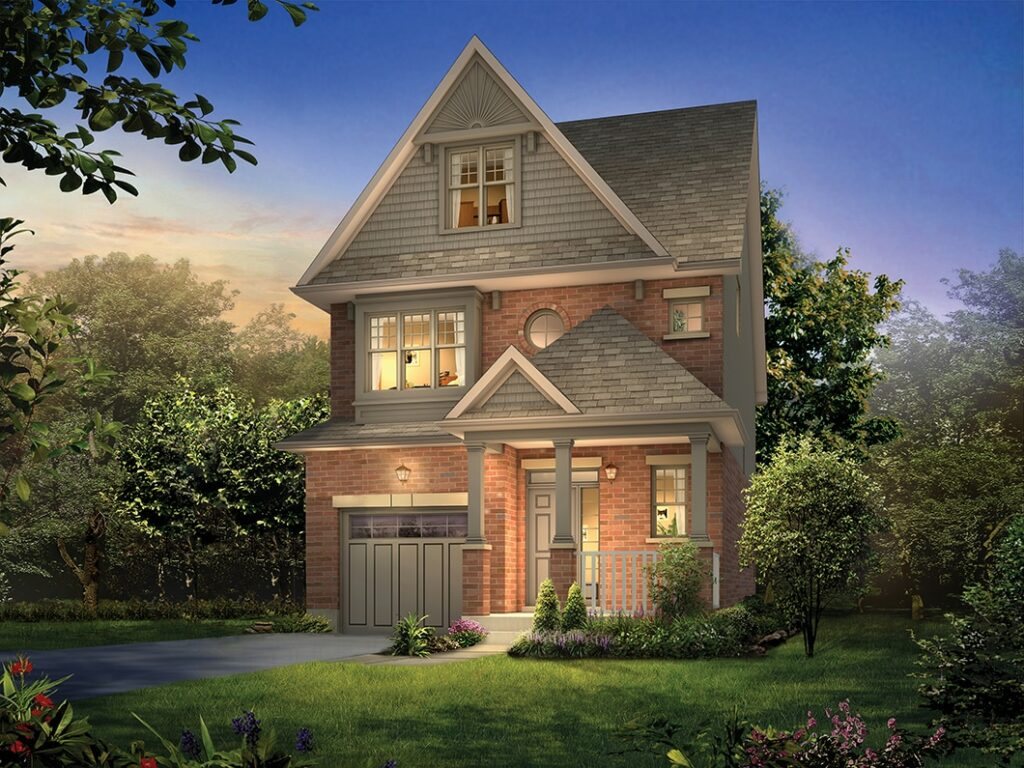
Featured new projects

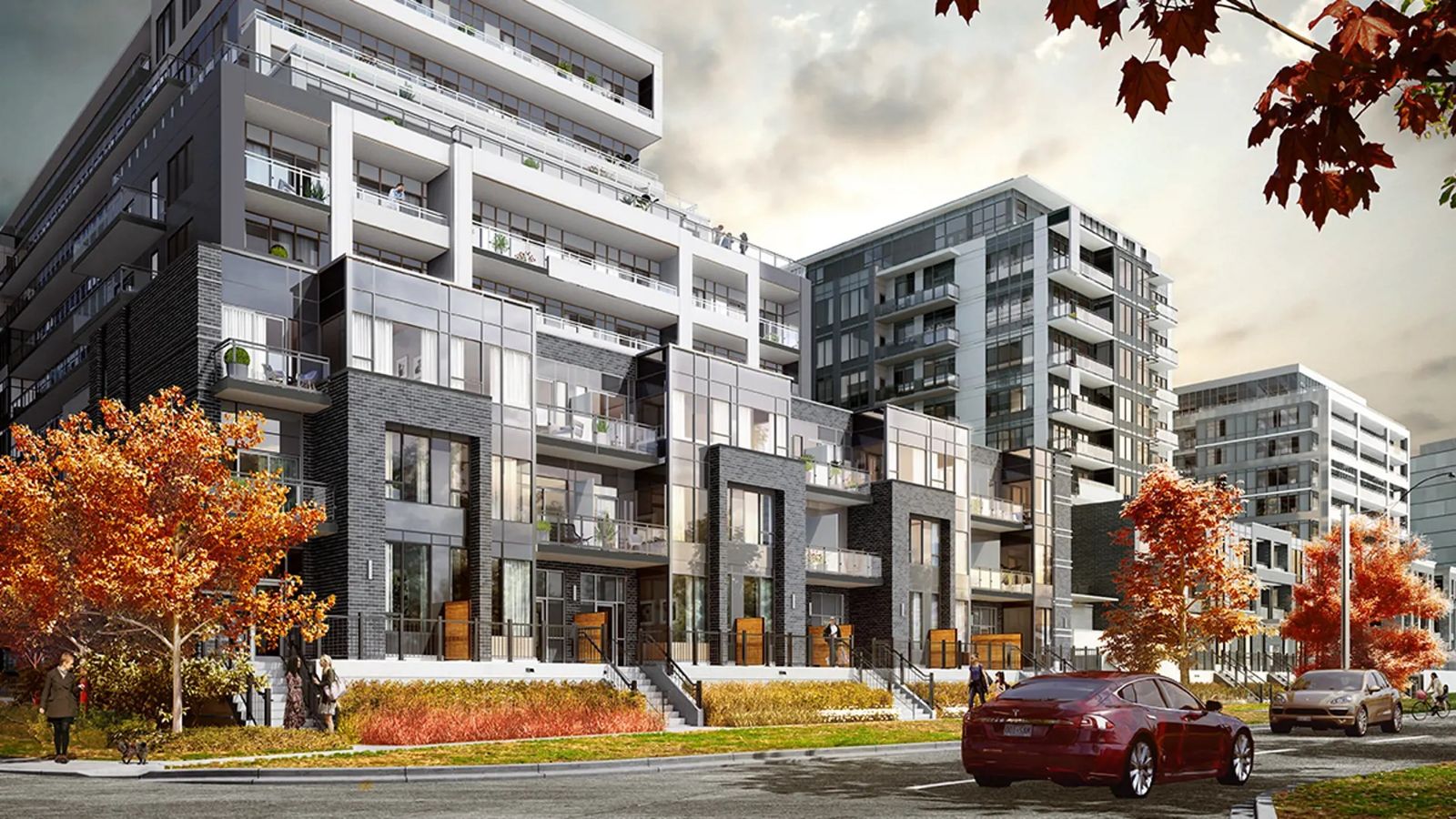
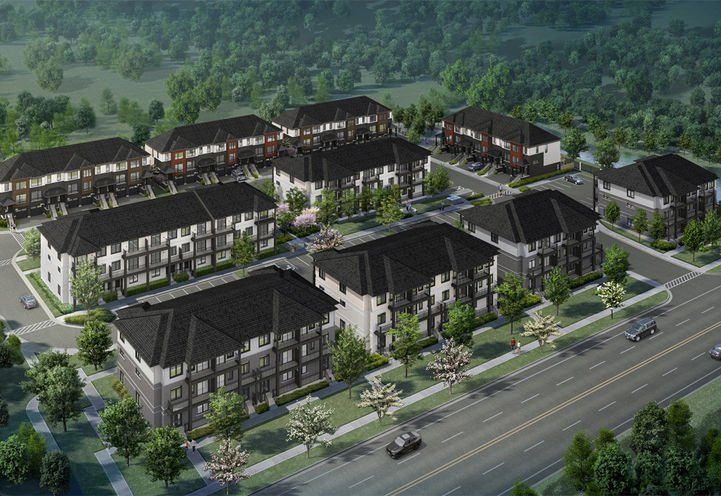
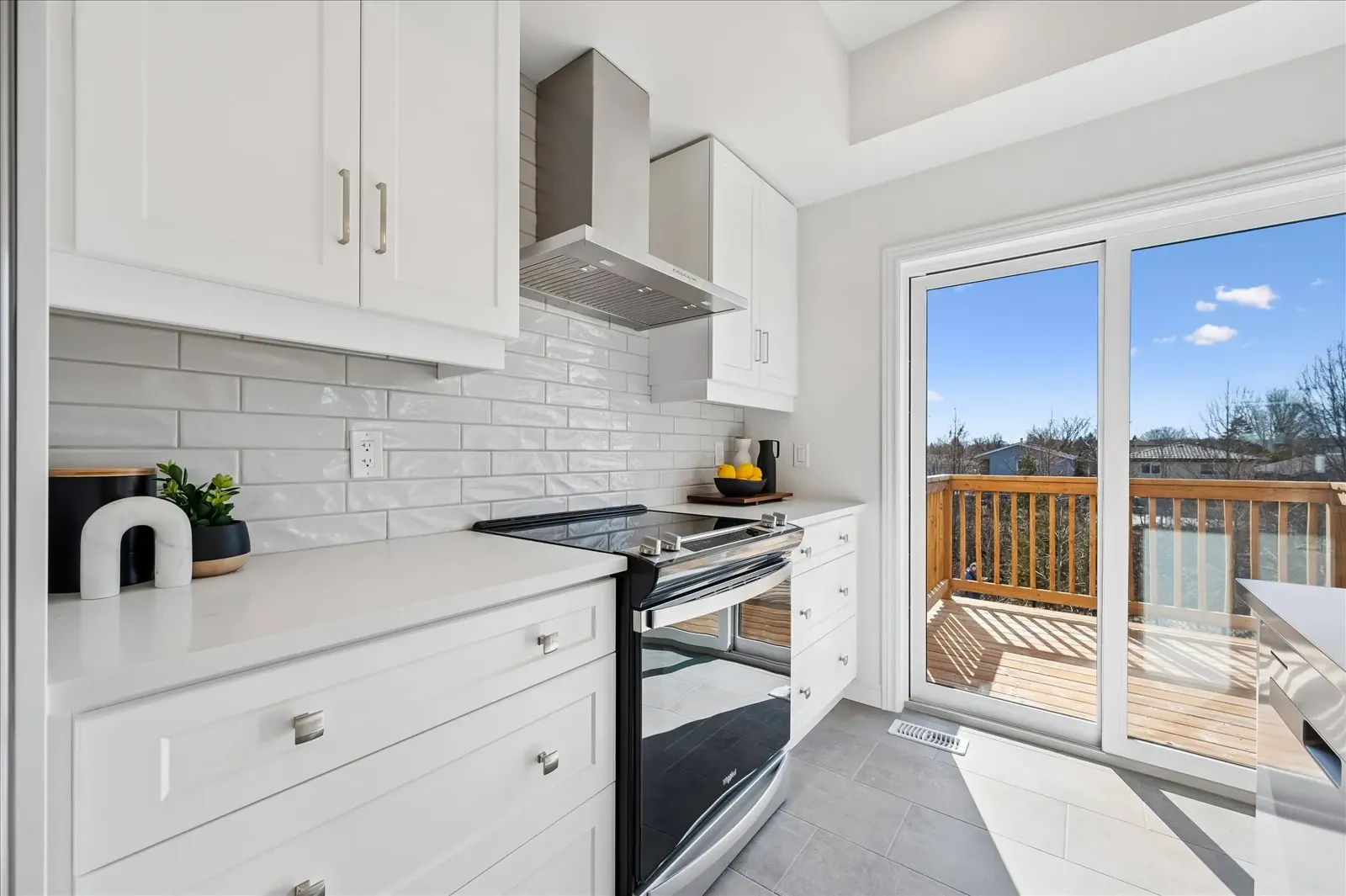
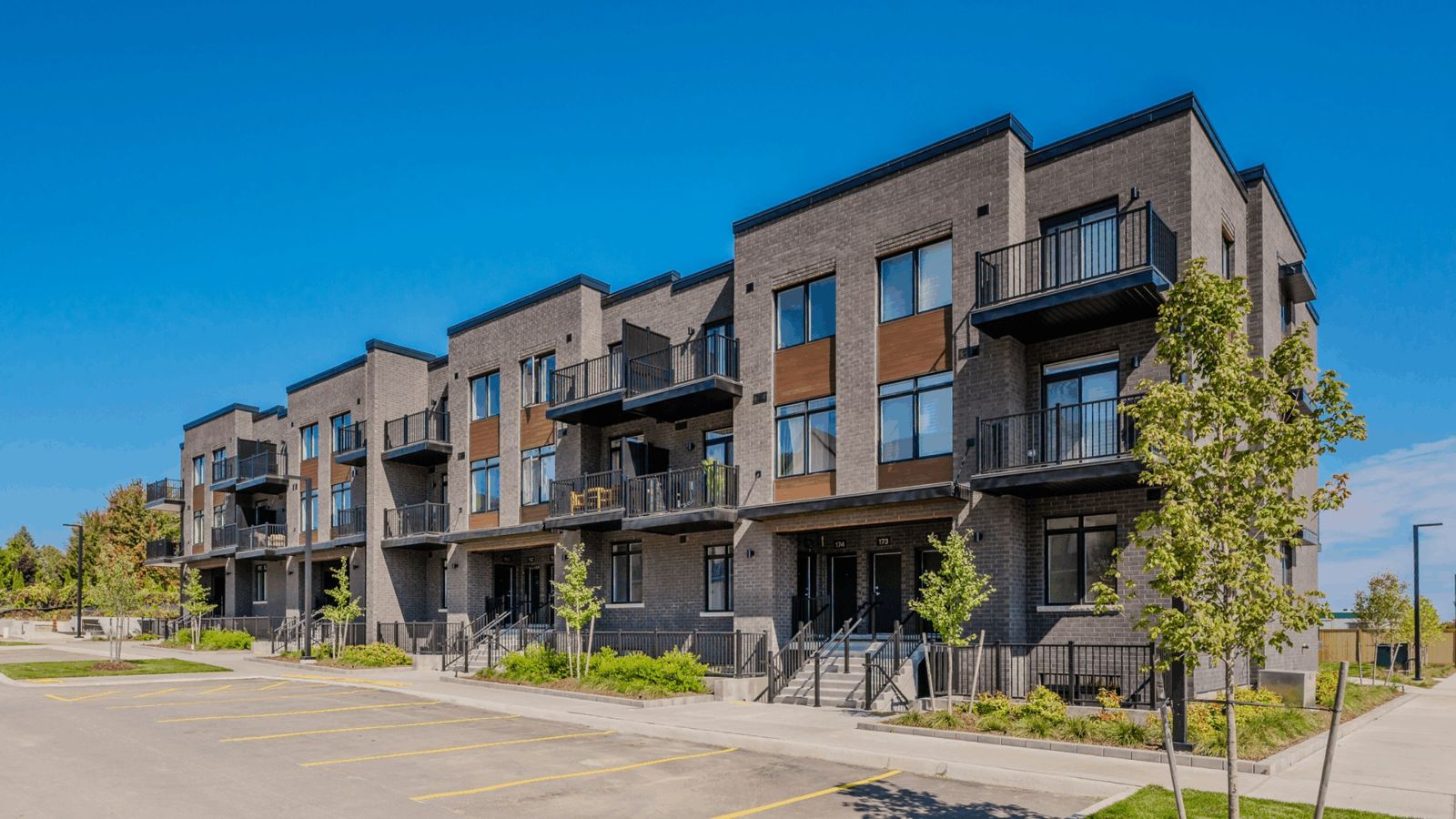
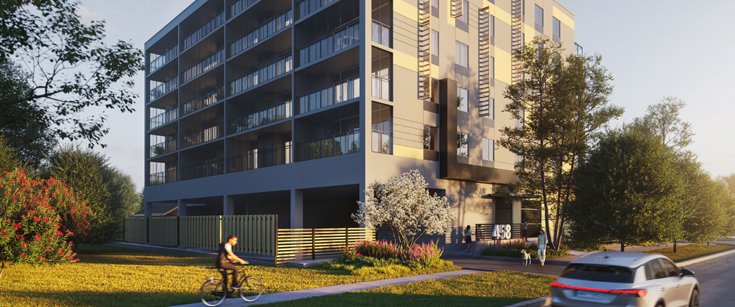
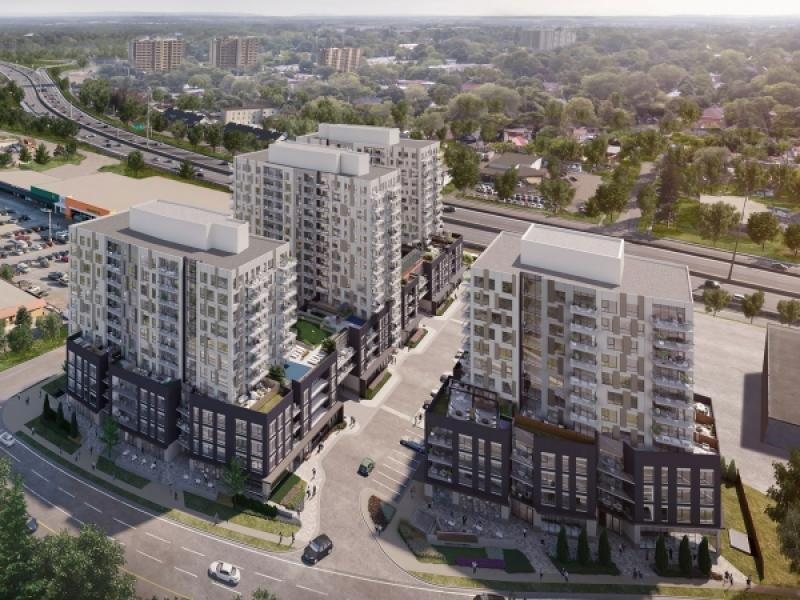
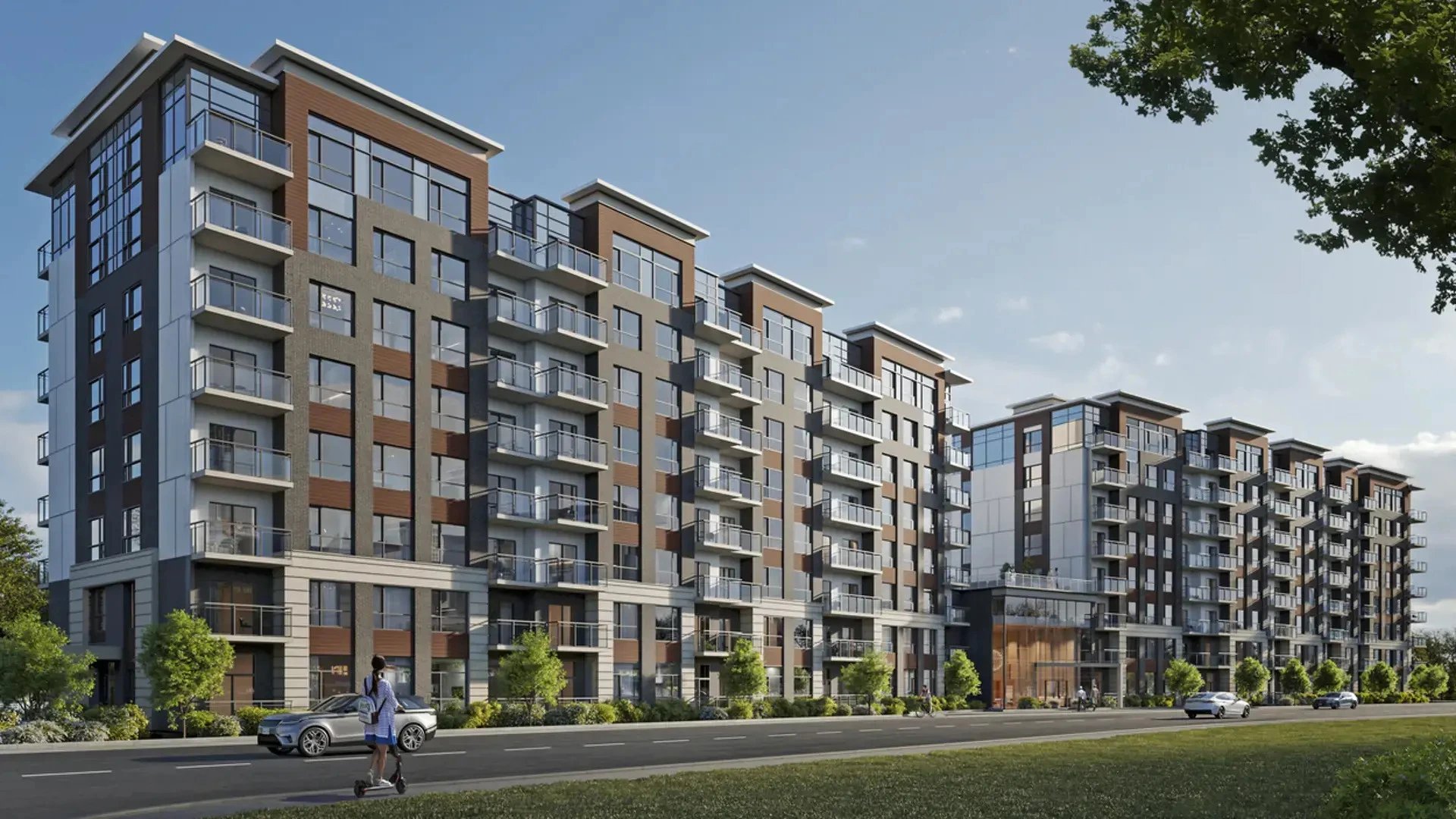
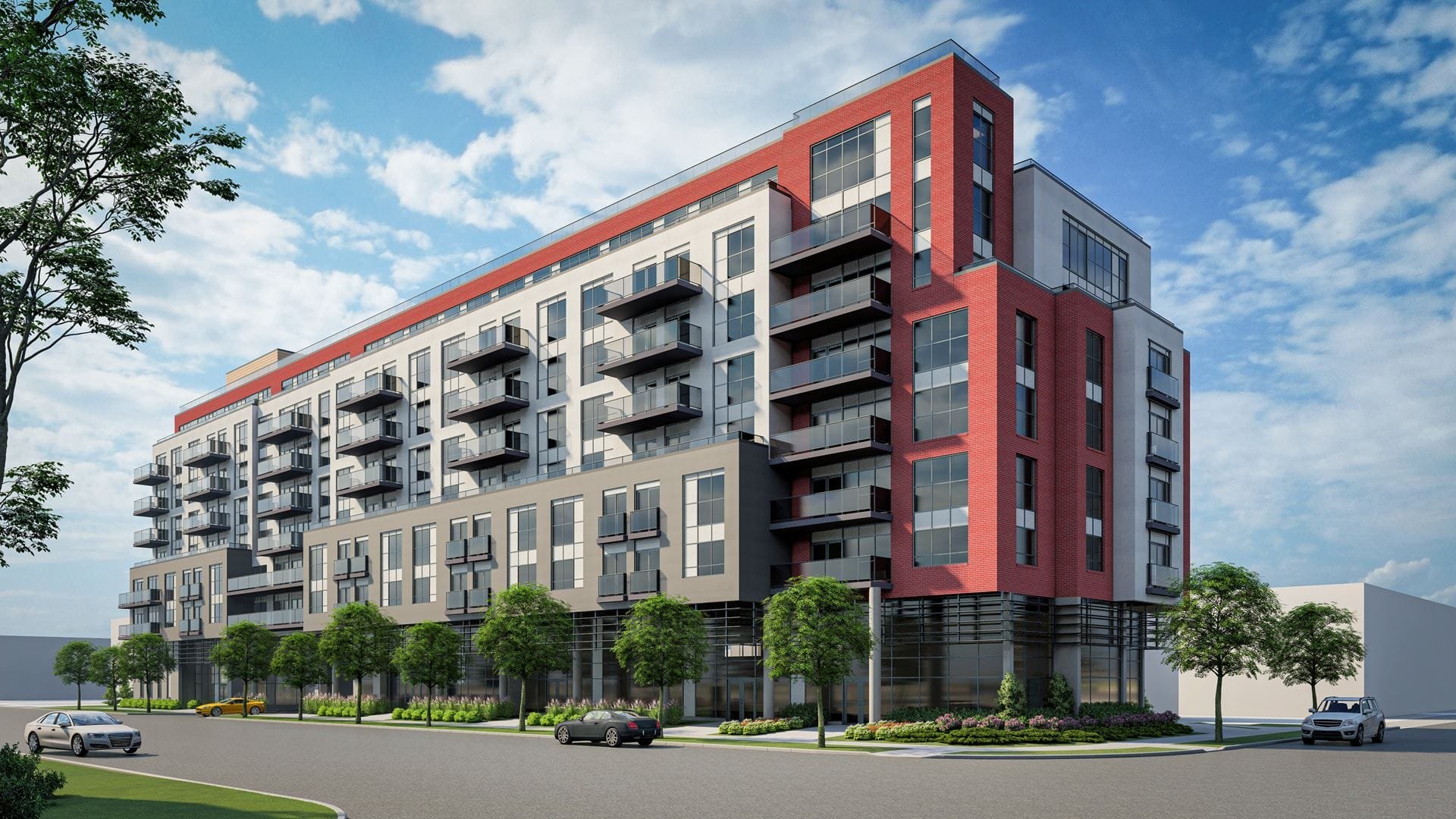
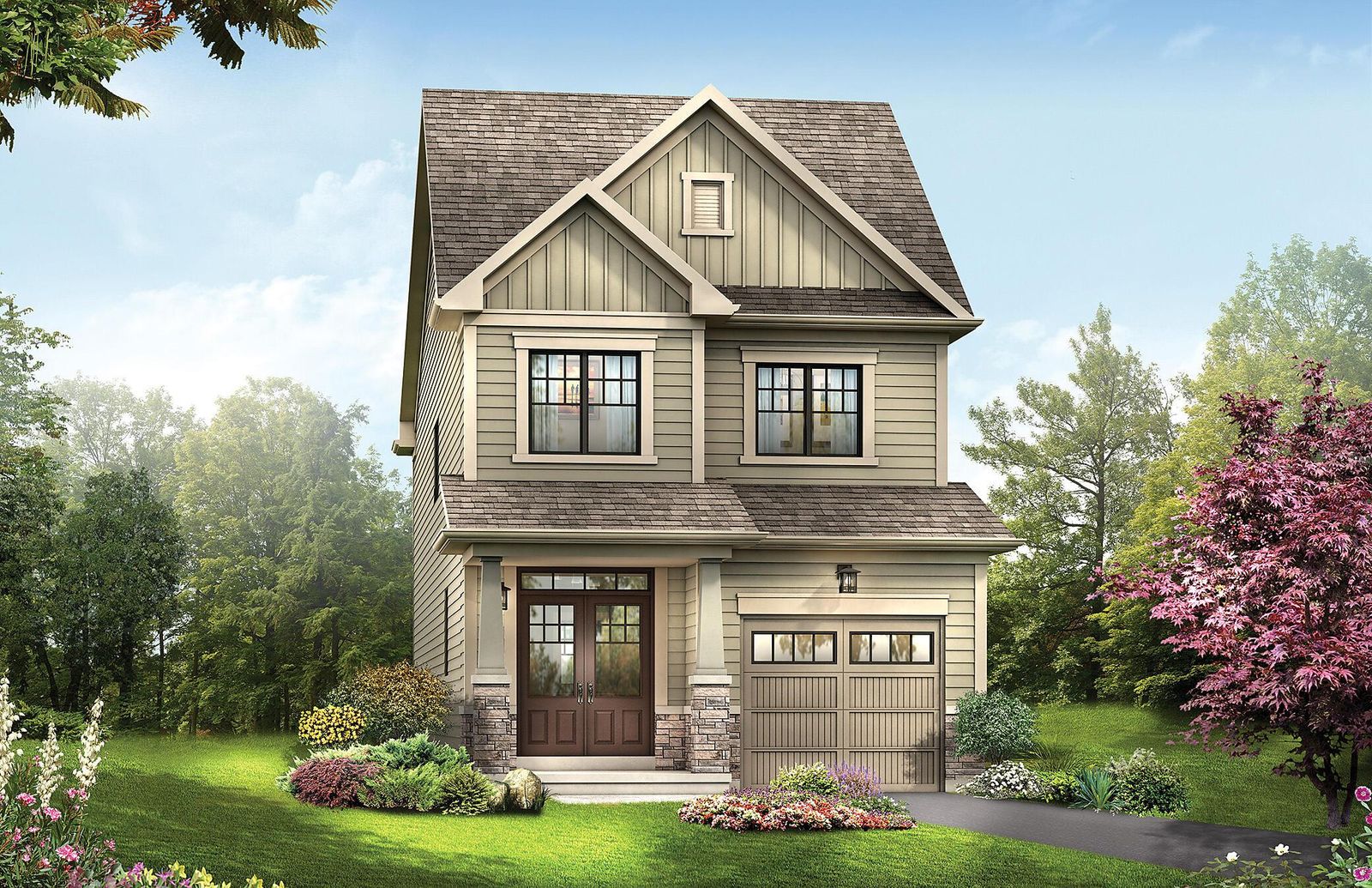
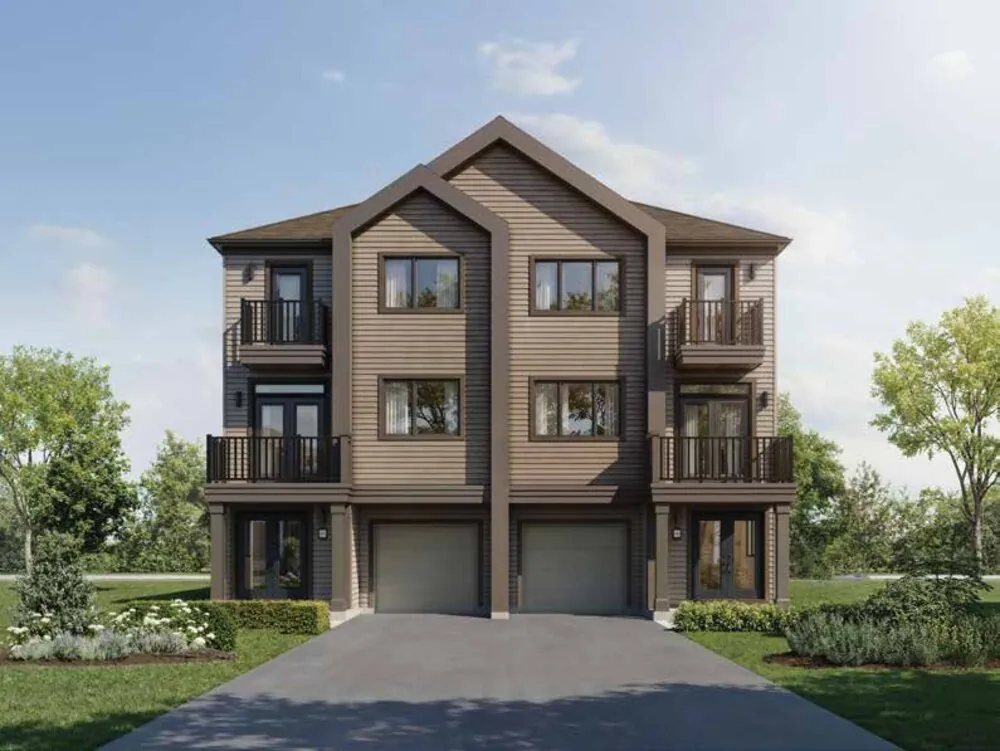
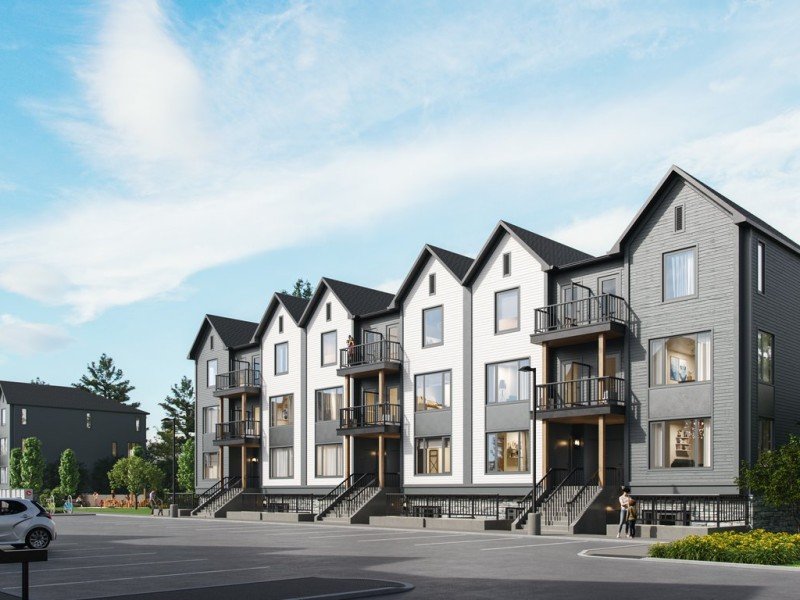
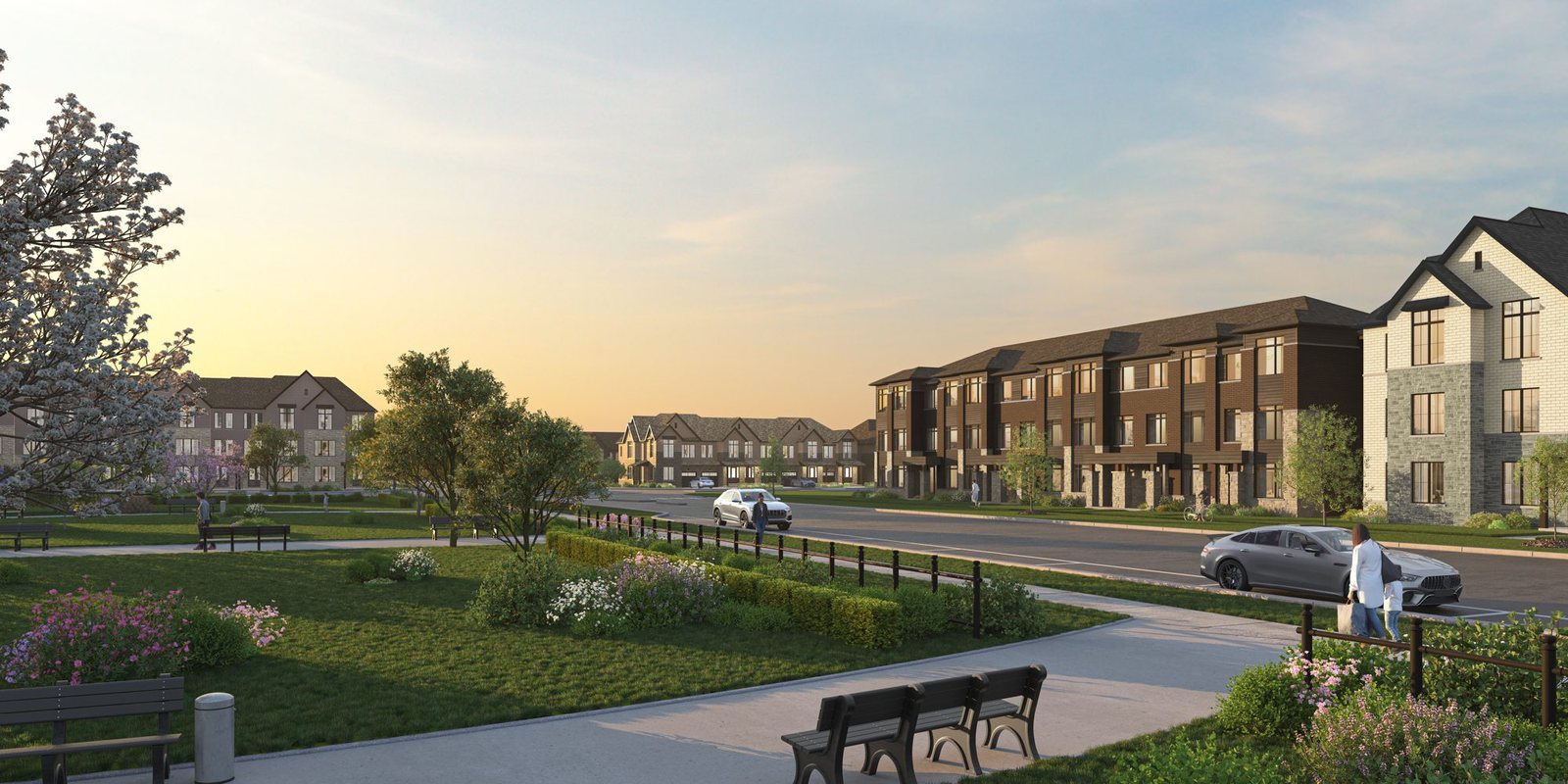
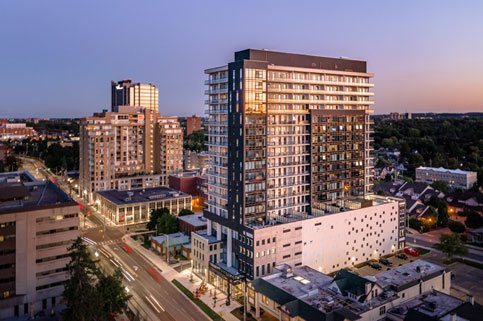
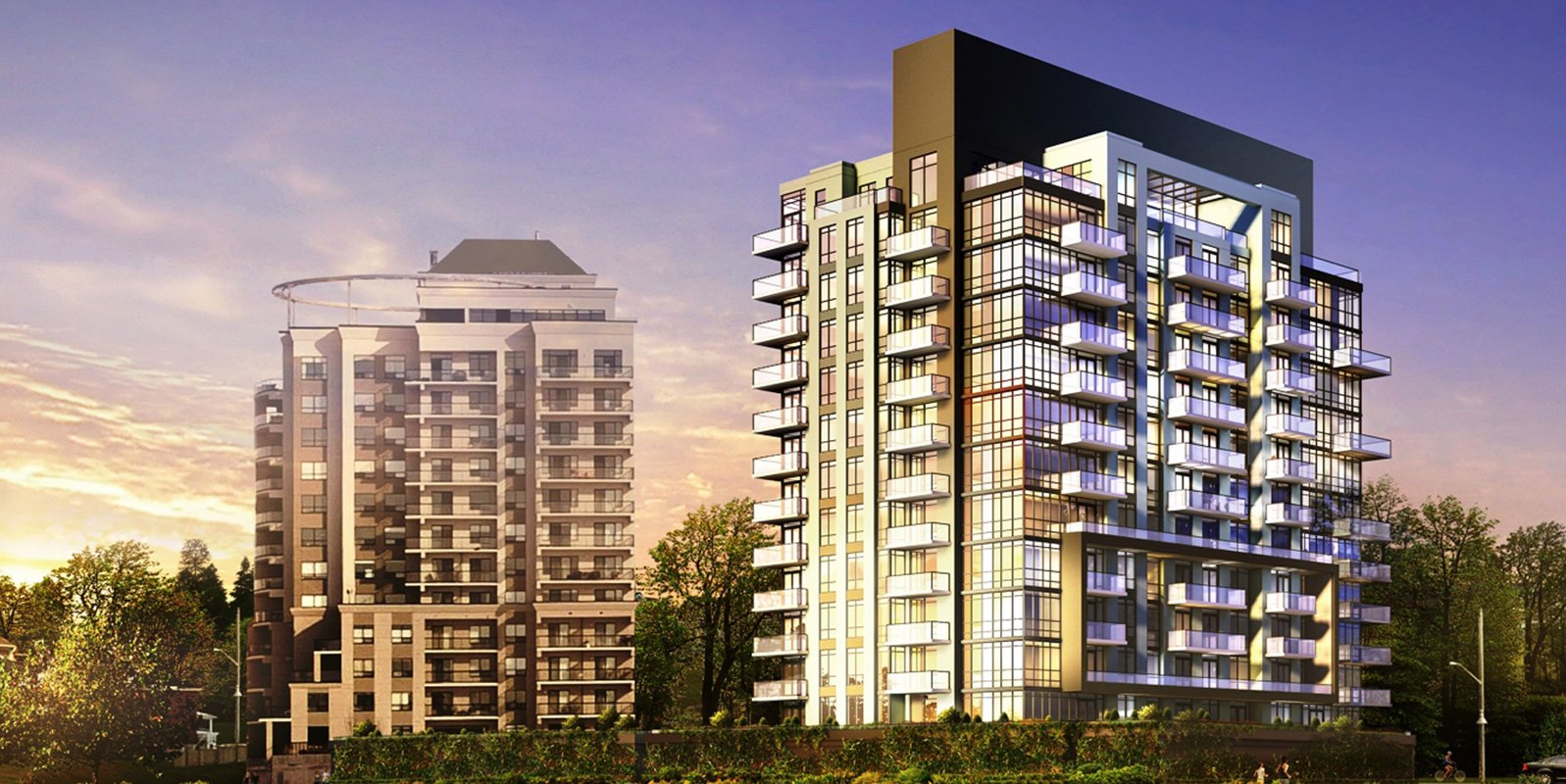
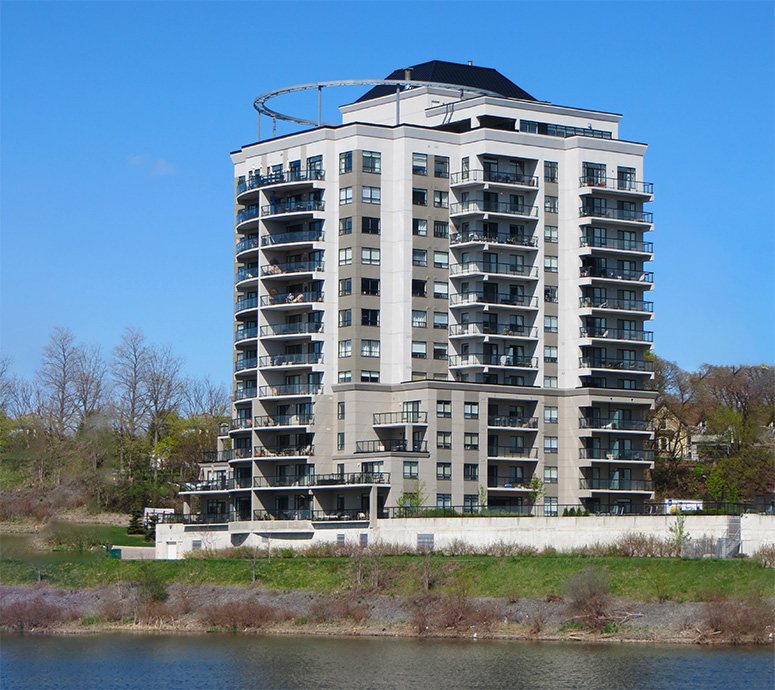
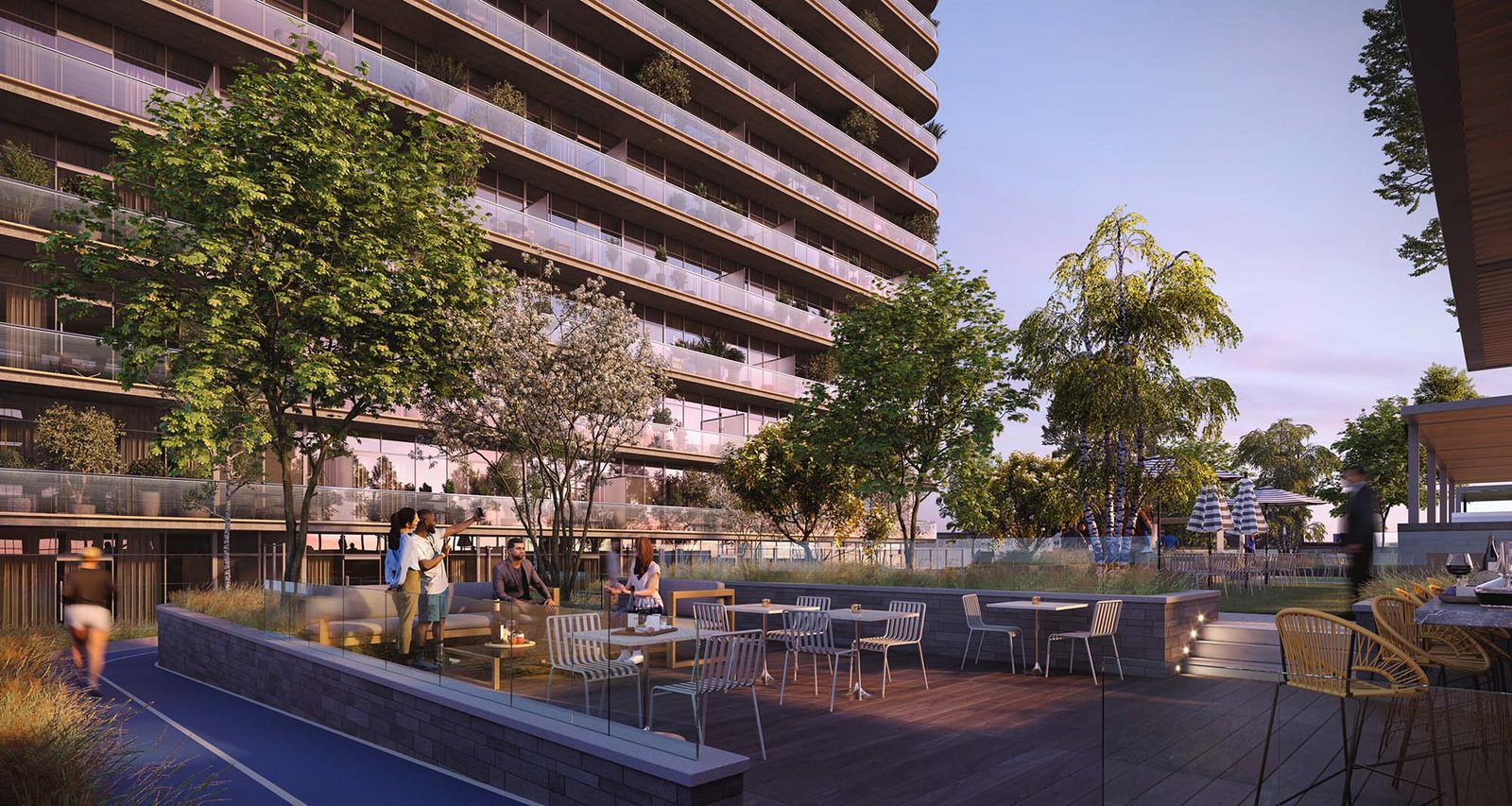
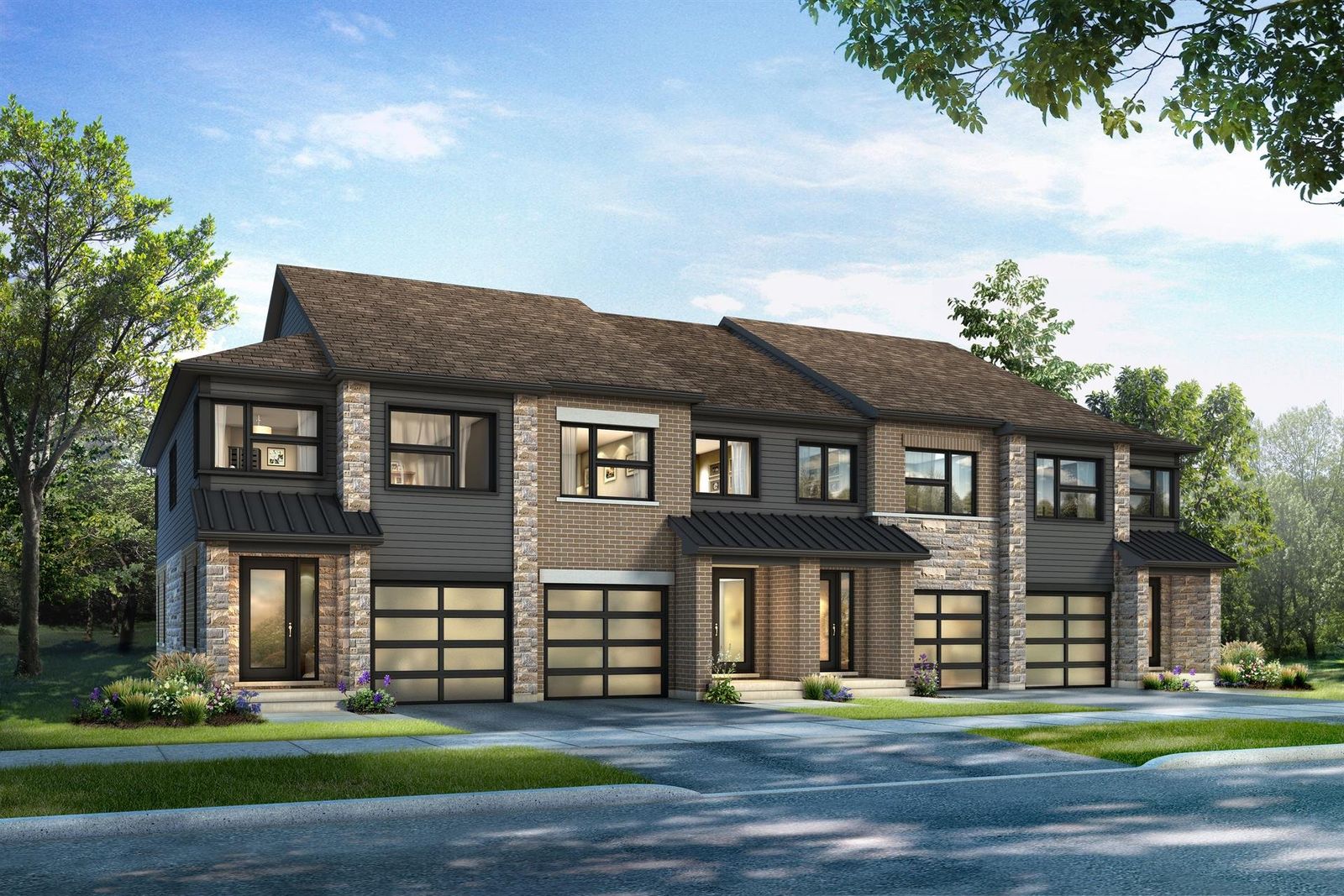
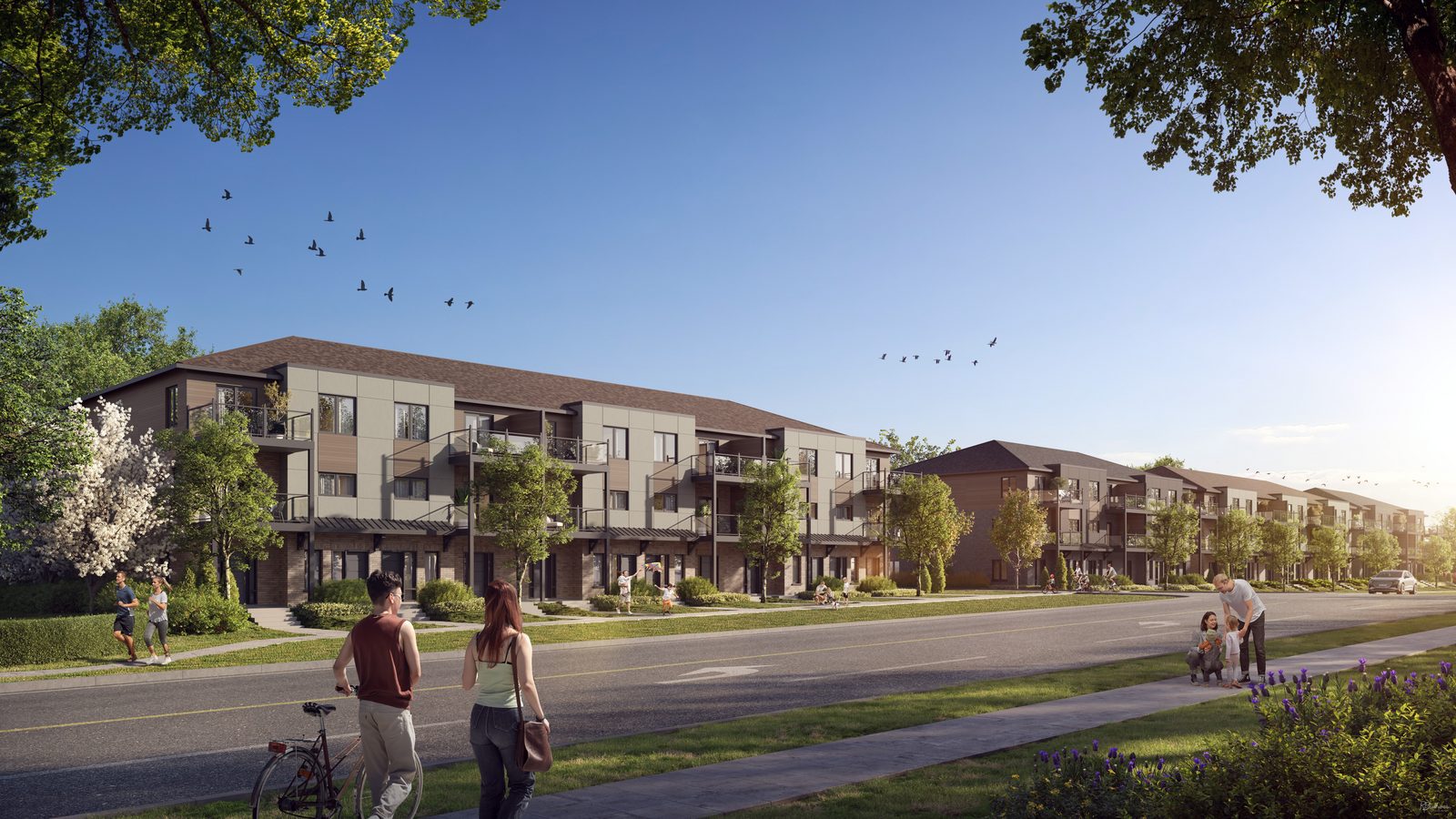
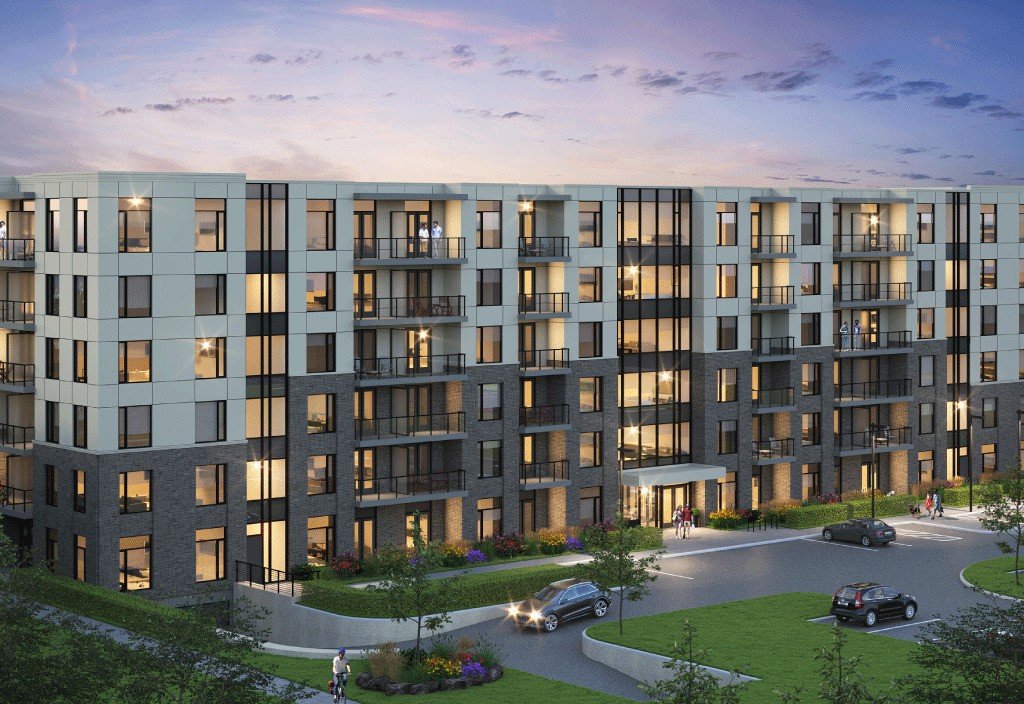
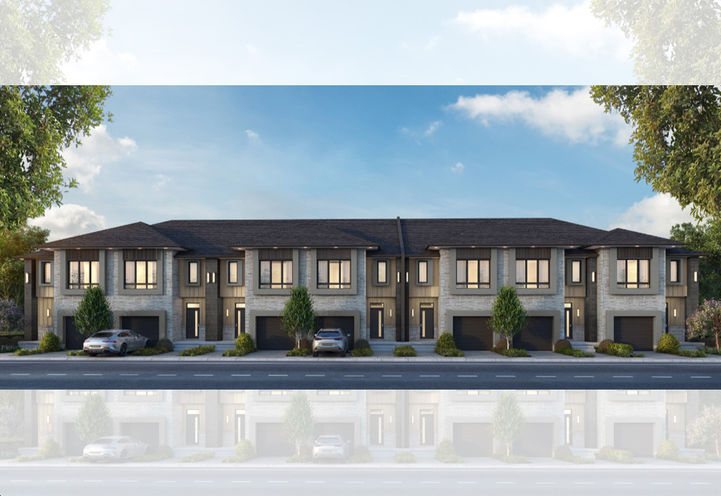
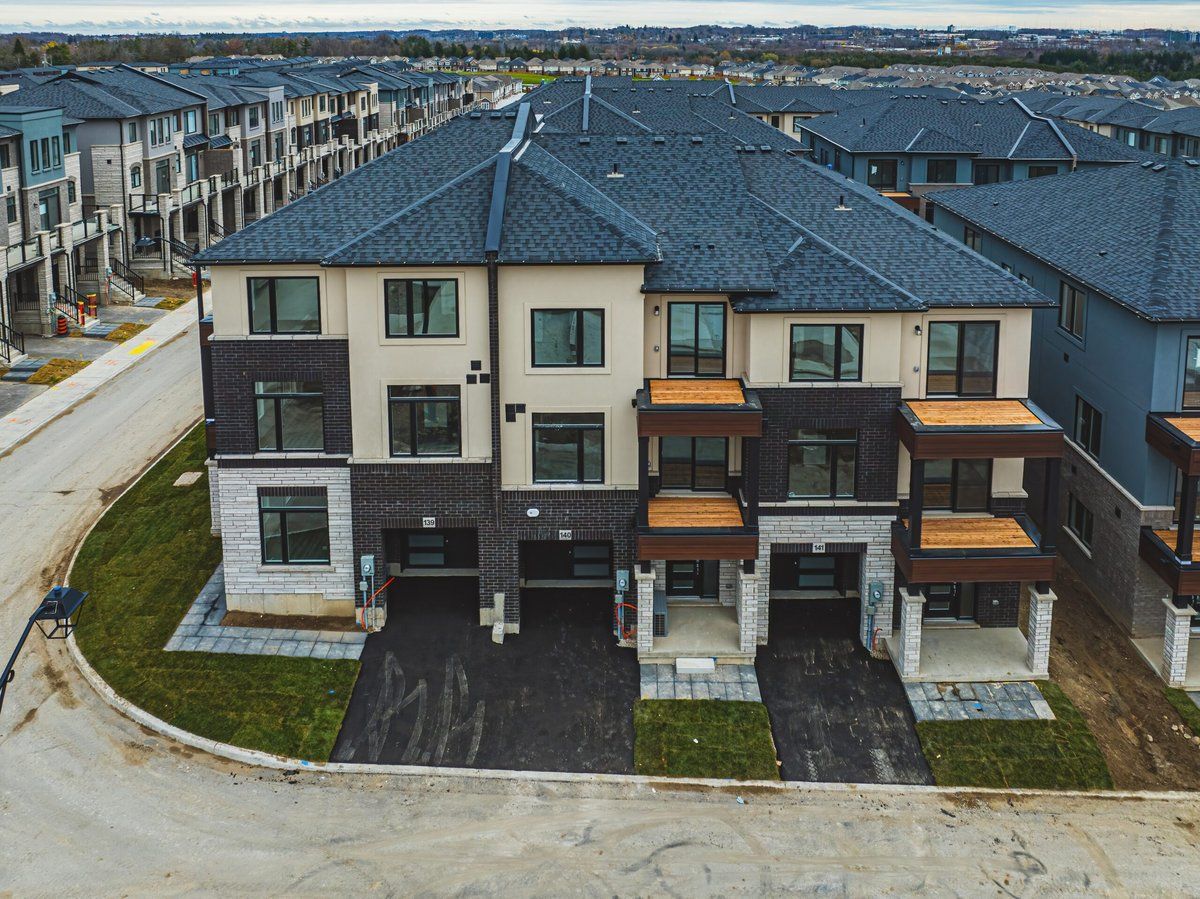
A few projects I'm watching right now. Open one for full details — or ask me, and I'll confirm today's pricing and floor plans straight from the builder.

The Early Access List

This is my personal list — not a newsletter blast. Join it and you hear about two things before they are posted publicly here: newly verified pre-construction projects, and the coming-soon and off-market opportunities I find through my own MLS® access and builder channels. Tell me the areas and the budget you are watching, and what I send is matched to them.

Stay in the loop — only the parts you want

Ujval writes and sends these himself: the blog’s plain-English guides as they publish, the local market numbers when the boards release them, and new pre-construction projects as they are verified. Pick what fits — and change your mind any time by replying to any email.

Your details go only to Ujval so he can send what you picked — never sold. See the Privacy Policy.

Local Market Hub

Waterloo Region & GTA Housing Market

The board-published numbers for the two markets I work in every day — Waterloo Region and the GTA — gathered in one place and refreshed with each new release. No hype and no cherry-picking: the same figures I run for clients, with the sources named at the bottom.

Latest figures: September 2026, released by the boards in early October 2026.

In short

September 2026: Kitchener-Waterloo’s benchmark price was $630,200 (down 5.6% from a year earlier) and Cambridge’s was $662,700 (down 4.1%), with 3.8 months of supply across Waterloo Region. In the GTA, 5,040 homes sold (down 9.0%) at an average price of $1,006,409 (down 5.1%). Buyers are selective, sellers are listing less, and the homes priced for today’s market are the ones moving.

Waterloo Region — Cornerstone Association of REALTORS®

The MLS® Home Price Index (HPI) benchmark is the price of a typical home — a steadier guide than the average, because one large sale cannot skew it.

Kitchener-Waterloo benchmark price (HPI)$630,200 — down 5.6% from September 2025; up 0.3% from August 2026
Cambridge benchmark price (HPI)$662,700 — down 4.1% from September 2025; down 0.6% from August 2026
Waterloo Region months of supply3.8 months — it was 4.0 months a year earlier
All Cornerstone areas — home sales1,171 — down 17.8% from a year earlier
All Cornerstone areas — new listings3,350 — down 18.8% from a year earlier
All Cornerstone areas — months of supply4.6 months — unchanged from a year earlier
All Cornerstone areas — average days on market40 days — 37 days a year earlier

Scope note: the two benchmark prices and the 3.8-month supply figure are the Waterloo Region and Cambridge figures. The sales, listings, supply and days-on-market totals cover all Cornerstone market areas combined — Waterloo Region, Hamilton, Burlington, Mississauga, Niagara North, Haldimand and Norfolk.

The GTA — Toronto Regional Real Estate Board (TRREB)

Home sales5,040 — down 9.0% from September 2025
New listings16,500 — down 14.4% from a year earlier
Active listings at month end26,131 — down 9.3%
Average selling price$1,006,409 — down 5.1%
MLS® HPI composite benchmark$917,600 — down 4.7%
Median selling price$860,000
Average sale price vs. asking98% of asking
Days on market (final listing)34 days — 33 days a year earlier; 51 days counting earlier listings of the same home

GTA by home type — September 2026

Detached2,399 sales — average $1,292,016, down 5.1%
Semi-detached459 sales — average $1,015,202, down 0.2%
Condo apartments1,316 sales — average $605,257, down 7.7%

Durham Region — the part of the GTA closest to many of my buyers — recorded 552 sales with a median price of $770,000 and about 3.5 months of supply, the tightest of the GTA’s larger regions.

Sources

What It Means

Reading these numbers like a buyer — or a seller

If you’re buying

You have more time and negotiating room than two years ago — but not an endless supply of good options, because sellers are listing less. Get pre-approved, learn the benchmark for the exact neighbourhood and home type you want, and judge every home against recent comparable sales rather than its list price. In Waterloo Region especially, the best-priced homes in popular areas can still move quickly — patience should not become paralysis.

If you’re selling

Price for the market you are in, not the one you remember. The sellers doing best right now price from recent comparable sales, present the home properly from day one, and treat the first two weeks on the market as the window that matters. And if you don’t need to sell, waiting is a legitimate choice — it is the choice many sellers made this fall, which is part of why listings fell.

Want these numbers run for your street?

Benchmarks describe a typical home — your street can tell a different story. Ask me and I’ll run the current numbers for your neighbourhood and price range: benchmarks, recent sales, and what your home would need to be priced at today.
Send me an enquiry →

Or call/text me directly at +1 226-612-3123.

Stay in the loop — only the parts you want

Ujval writes and sends these himself: the blog’s plain-English guides as they publish, the local market numbers when the boards release them, and new pre-construction projects as they are verified. Pick what fits — and change your mind any time by replying to any email.

Your details go only to Ujval so he can send what you picked — never sold. See the Privacy Policy.

Frequently asked questions about these numbers

Where do these market numbers come from?

From the boards that publish them: the Cornerstone Association of REALTORS® for Waterloo Region and the Toronto Regional Real Estate Board (TRREB) for the GTA. The figures are gathered in one place with the sources named at the bottom of the page — the same numbers I run for clients, with no cherry-picking.

How often is this page updated?

With each new release. The boards publish monthly, and this hub is refreshed when the new figures land; the numbers are labelled with the month they describe, so you always know how current what you are reading is.

What is the difference between the benchmark price and the average price?

The benchmark is the MLS® Home Price Index price of a typical home — a steadier guide, because one very large sale cannot skew it. The average moves with whatever happened to sell that month, so in the same release the two can tell different stories.

Can you run these numbers for my street?

Yes. Benchmarks describe a typical home — your street can tell a different story. Ask me and I will run the current numbers for your neighbourhood and price range: benchmarks, recent sales, and what your home would need to be priced at today.
English · Hindi · Gujarati

A REALTOR® Who Speaks Your Language

Buying or selling a home involves the biggest numbers most families ever sign for. You should understand every one of them — in the language you think in. I work with clients personally in English, Hindi and Gujarati across Kitchener, Waterloo, Cambridge and Guelph: no translator, no assistant relaying messages, and no family member put on the spot to interpret a contract.

What working in your language actually means

Every conversation, directly

From the first call to the closing-day walkthrough, you talk to me — in Hindi, Gujarati or English, whichever you reach for in the moment. Most of my clients mix all three. So do I.

Family on the call, welcome

Parents and in-laws are often part of a home decision. They can join our calls and ask their questions in the language they are comfortable in — nobody gets a second-hand summary of a decision they helped make.

The paperwork, explained line by line

Ontario’s standard real estate forms are in English — that is the legal reality for every buyer and seller. What I do is walk you through every clause that matters before you sign: conditions, deposits, closing costs, and what happens if something changes.

Negotiations you can follow

When an offer goes back and forth, you hear the reasoning in your language as it happens — what the other side is really saying, what I recommend, and why. You decide; I make sure the decision is fully informed.
Why I Work This Way

“Most people enter real estate to sell houses. I entered so no one feels alone.”

That line is why this page exists. Feeling alone in a transaction is usually not about being alone — it is about not fully understanding what is happening. Language is the fastest way to fix that. When the explanation is clear, the stress drops: clients ask better questions, catch the details that do not sit right, and sign with confidence instead of hope.

I have closed 100+ deals for 195+ buyers and sellers across this region — every one handled personally, from the first conversation to the keys.

Where I Work

Kitchener, Waterloo, Cambridge & Guelph

My core markets are the four cities of Waterloo Region and Guelph — read the city guides: Kitchener · Waterloo · Cambridge · Guelph. I also serve nearby areas — Durham, the GTA, Hamilton, Milton, Brantford, London and Niagara.

Start where you are: buying a home, selling a home, new pre-construction projects, or the current numbers in the Local Market Hub. If you are new to Canada, begin with the newcomer buying guide.

Frequently asked questions

Do you speak Hindi and Gujarati yourself, or would we use a translator?

I work with clients personally in English, Hindi and Gujarati — no translator, no assistant relaying messages, and no family member put on the spot to interpret a contract. Most of my clients mix all three. So do I.

Can my parents or in-laws join our calls and ask questions in their own language?

Yes. Parents and in-laws are often part of a home decision, and they can join our calls and ask their questions in the language they are comfortable in — nobody gets a second-hand summary of a decision they helped make.

The contracts are in English — how will I know what I am signing?

Ontario’s standard real estate forms are in English; that is the legal reality for every buyer and seller. What I do is walk you through every clause that matters before you sign — conditions, deposits, closing costs, and what happens if something changes.

Can we really do the whole process in my language?

Every conversation, from the first call to the closing-day walkthrough — including a negotiation going back and forth, where you hear the reasoning in your language as it happens. You decide; I make sure the decision is fully informed.

Which areas do you serve in Hindi and Gujarati?

My core markets are Kitchener, Waterloo, Cambridge and Guelph, and I also serve nearby areas including Durham, the GTA, Hamilton, Milton, Brantford, London and Niagara. The offer is the same everywhere: you work with me personally, in your language.

Talk it through — in your language

Tell me what you are planning, in whichever language comes naturally. I will explain exactly how I would handle it, what it costs, and what to watch for — no obligation.

Send me an enquiry →

Or call/text me directly at +1 226-612-3123.

New to Canada

Buying a Home in Canada as a Newcomer

You can be financially established in one country and a blank page to Canadian banks in another — I arrived that way myself. The system here is different, not closed. This page explains how buying actually works for newcomers in Ontario: the mortgage programs built for you, the tax refund you may qualify for, and the order to do things in.

In short

Yes — newcomers buy homes in Canada every day. Permanent residents can use bank newcomer mortgage programs that do not require Canadian credit history, and Ontario’s first-time homebuyer land transfer tax refund — worth up to $4,000 — is open to citizens and permanent residents who have never owned a home anywhere in the world. Start three to six months before you want to buy: build the credit file, keep the down-payment paper trail clean, and get pre-approved.
Your status shapes the mortgage — not the dream

A standard mortgage application leans on Canadian credit history and established Canadian income. Newcomers often have neither yet, so Canada’s major banks — RBC, TD, Scotiabank, BMO, CIBC and others — run formal newcomer mortgage programs. Their commonly published structures waive the Canadian credit-history requirement for eligible permanent residents (many programs are aimed at people who arrived within roughly the last five years; each bank sets its own window) and assess income differently, sometimes with a short Canadian tenure or documented foreign employment history. The mortgage insurers — CMHC and its private counterparts — run newcomer-friendly policies of their own for borrowers with limited Canadian credit history.

Two honest qualifications. First, these programs relax history requirements, not money requirements — the down-payment rules below still apply in full. Second, if you are here on a work permit rather than as a permanent resident, the rules differ meaningfully: larger down payments are typically required and eligibility depends on your permit status and insurer guidelines. That file should be assessed individually, and early.

The money pieces, in order

Down payment

The standard insured minimums apply: from 5% of the first $500,000 of the price and 10% of the portion above that (20% at $1.5 million and up, where insurance is not available). Gifted and borrowed down payments exist on specific paths — the little-saved checker on the Buy page walks through which ones could work for you.

Deposit

Separate from the down payment: when your offer is accepted you pay a deposit — usually 1–5% of the price — held in trust. It becomes part of your down payment at closing, but you need it liquid on offer day, not closing day.
Land transfer tax refund — up to $4,000

Ontario charges land transfer tax on every purchase. Qualifying first-time buyers pay no tax on the first $368,000 of the price and receive a maximum refund of $4,000. Since January 1, 2017 the refund is restricted to Canadian citizens and permanent residents — and you must never have owned a home, or any interest in one, anywhere in the world (your spouse must not have owned one while being your spouse). Not yet a citizen or permanent resident at closing? You have 18 months after the purchase is registered to become one and apply. My guide to the newcomer refund works through the details and examples.
Closing costs

On top of the price, budget roughly 1.5% to 4% for land transfer tax (after any refund), legal fees, title insurance and related costs. The calculators run the land transfer tax and payment numbers for your price range.

Build your Canadian credit file from month one

No credit history is not bad history — but to a lender’s computer it reads almost the same. The fix is boring and it works:

  • Month 1: get a secured credit card. Use it for small purchases and pay the full balance every month — payment history is the single biggest factor in your score.
  • Months 1–3: add a second line of credit — a second card or a phone plan in your name. Two well-managed accounts build a file faster than one.
  • Ongoing: keep usage under about 30% of each limit, and never miss a payment — set automatic minimum payments as a safety net, then pay in full manually.
  • Month 6 onward: check your reports with Canada’s two bureaus, Equifax and TransUnion, and dispute errors — newcomers’ files carry more of them than you would expect.
  • Avoid: applying for many cards at once (each application is a hard inquiry) and closing your first card (its age is part of your file).

The full walkthrough is in my post on building credit as a newcomer, and the bank programs are compared in newcomer mortgage programs.

The paper trail that carries your file

  • Immigration status documents — permanent resident card or confirmation of permanent residence, or your work permit with its expiry date understood by everyone at the table.
  • Down payment with a visible history — funds sitting in Canadian accounts with their trail showing; large transfers from abroad need source documents.
  • Income documents — Canadian employment letter and pay history where you have them; documented foreign employment and income where a program allows them.

How the purchase itself works

Buying here is team-based. Your mortgage broker or bank determines what you can borrow — start the pre-approval three to six months out, because newcomer files take longer. I search the live MLS® system, new developments and off-market opportunities and bring you real, currently available matches; finding the property is my job, not yours. A real estate lawyer handles the legal transfer and closing funds, and a home inspector evaluates condition before you commit. When we find the home, offers are written on Ontario’s standard Agreement of Purchase and Sale with conditions for financing and inspection while we complete due diligence. One cost note: in Ontario, the seller typically pays the buyer agent’s commission through the listing agreement, so my guidance costs you nothing out of pocket as a buyer. My step-by-step post, New to Canada? How Buying a Home Actually Works, covers each stage in depth — and if you would rather talk it through in Hindi or Gujarati, that is how I work.

Common Questions

Questions newcomers ask me

Can I buy a home in Canada as a newcomer?

Yes. Newcomers buy homes across Canada every day. Your immigration status shapes the mortgage path rather than the possibility: Canada’s major banks run newcomer programs that do not require Canadian credit history for eligible permanent residents, while work-permit buyers typically need a larger down payment and an individual assessment.

Do I need Canadian credit history to get a mortgage?

Not necessarily. Newcomer mortgage programs at the major banks are built for buyers with little or no Canadian credit history, and the mortgage insurers run newcomer-friendly policies as well. Building credit still pays off — a secured credit card, used carefully and paid in full each month, starts your Canadian file from month one.

Do newcomers qualify for Ontario’s first-time homebuyer land transfer tax refund?

Yes — if you are a Canadian citizen or permanent resident and you have never owned a home, or any interest in a home, anywhere in the world. The refund is worth up to $4,000. If you are not yet a citizen or permanent resident when you buy, you have 18 months after the purchase is registered to become one and apply.

How much down payment do I need?

The standard insured minimums apply — from 5% of the first $500,000 of the price — but newcomer programs relax history requirements, not money requirements, and work-permit buyers are typically asked for more. We map your exact number, including closing costs, before you start viewing homes.

When should I start preparing?

Three to six months before you want to buy. Start the credit file, keep the paper trail for your down payment clean, and get a pre-approval from a lender who runs a newcomer program. The earlier the paper trail starts, the smoother the approval.

Sources

Start with a conversation, not a commitment

Tell me where you are in the process — just landed, renting your first year, or ready to buy — and I will map your next three steps: credit, paper trail, and the homes that fit.

Send me an enquiry →

Or call/text me directly at +1 226-612-3123.

Status sorted — and the move itself is the question?

This page is about buying as a newcomer to Canada. If your move is really about the place — relocating to Kitchener-Waterloo from the GTA, another province, or from abroad with your status already in hand — the companion piece is the relocation starter pack: the two cities, their neighbourhoods, schools, commuting, and your first 90 days here.

See the relocation starter pack →

Guelph, Ontario

Your REALTOR® in Guelph

Guelph is a city of 143,740 people (2021 Census) — an estimated 149,600 by the end of 2024 — planned to grow to 208,000 people and 116,000 jobs by 2051. It pairs a growing downtown core and the University of Guelph with established family neighbourhoods, sits about an hour west of Toronto, and counts manufacturing as its largest employer. Whether you are buying, selling, or investing here, you work with me personally — I search, I advise, I negotiate. Nobody hands you off.

How I help in Guelph

Buying in Guelph

Tell me the neighbourhoods and the budget. I personally search the live MLS® system, off-market homes and new builds, then send you a shortlist of real, currently available homes — finding the property is my job, not yours. My civil-engineering background goes to work in the older core, where century homes reward a hard look at wiring, plumbing and foundations before you offer. How buying with me works →

Selling in Guelph

The home review starts with comparable sales on your actual street — not a city-wide average. Then a pricing and preparation plan for today’s market, and honest advice on what to fix first and what to leave alone. How selling with me works →

Investing near the university

For investors, I read the near-campus rental picture street by street and on the academic calendar — which streets rent to students, which to families, and what the city’s shared-rental rules mean for a specific address. Read the full Guelph guide →

New construction

Guelph’s growth is planned, and new phases keep releasing — mostly in the south end. I track the projects, the builders and the current pricing so you see the real options, not last year’s brochure. Browse pre-construction →

The Guelph neighbourhoods I work

Downtown and Exhibition Park for the historic core and its century homes; Old University for the streets around the university; Kortright Hills in the west end; and Clairfields and the South End, where much of the city’s new growth is landing. Each has a different price logic — the Guelph city guide covers them honestly, including the neighbourhoods to think twice about, the best schools, the biggest employers and daycare options.

For the numbers behind a Guelph move — and how this city compares with Kitchener-Waterloo and the GTA — see the Local Market Hub.

Sources

Frequently asked questions about working with me in Guelph

Who will actually do the work?

Me — personally, at every step. I search the live MLS® system, off-market homes and new builds myself, I attend the showings, and I negotiate your offer. There is no hand-off, because there is no team behind me to hand you to.

How do you find homes in Guelph — or is that my job?

Finding the property is my job, not yours. You tell me the budget, the areas and the non-negotiables; I search and send you real, currently available matches — including new builds and homes that never reach the public portals.

Which Guelph neighbourhoods do you work?

Across the city — Downtown and Exhibition Park in the historic core, Old University around the university, Kortright Hills in the west end, and Clairfields and the South End, where much of the city’s new growth is landing. Each has a different price logic, so I price and search that way too.

What will it cost me?

Commission in Ontario is always negotiable — there is no standard or fixed rate. My fee is set openly in our first conversation and written into the agreement before you sign anything, with HST on top. As a buyer, the seller typically pays the buyer agent’s commission through the listing agreement, so my guidance usually costs you nothing out of pocket.

How will we communicate?

You reach me directly — call or text 226-612-3123 — and we talk in the language you are most comfortable in: English, Hindi or Gujarati. You hear the reasoning behind every recommendation as it happens, not a summary afterwards.

Buying or selling in Guelph?

Tell me the street, the neighbourhood, or just the idea — I will come back with the real options and the honest numbers. That is the job.

Send me an enquiry →

Or call/text me directly at +1 226-612-3123.

Before You Sign With Anyone

How to Choose a REALTOR® — the Questions Worth Asking

Most people choose a realtor the way they choose a restaurant — a sign, a referral, a feeling. Then that person handles the largest transaction of their life. It is worth ten minutes of questions first. Here are the seven I would ask any REALTOR® in Ontario — with my own answers in the open, so you can judge me by the same standard.

Seven questions to ask any REALTOR®

1. Who will actually do the work?

Ask it because: with a team or a big-name brokerage, the person you meet is often not the person who searches, shows homes, or negotiates for you.

My answer: me — personally, at every step. I search the live MLS® system, off-market homes and new builds myself, I attend the showings, and I negotiate your offer. There is no hand-off, because there is no team behind me to hand you to.

2. How do you find the right home — or is that my job?

Ask it because: many agents email you a portal link and wait for you to do the searching.

My answer: finding the property is my job, not yours. You tell me the budget, the areas and the non-negotiables; I search and send you real, currently available matches — including new builds and homes that never reach the public portals.

3. How will you price my home?

Ask it because: a price promised to win your listing is worth nothing if comparable sales do not support it — the home sits, and sitting homes sell for less.

My answer: we start with comparable sales on your actual street and in your neighbourhood, adjust honestly for condition, and price for the market you are in. If the number is not the one you hoped for, I will show you exactly why.

4. What will it cost me — and is it negotiable?

Ask it because: commission in Ontario is always negotiable — there is no standard or fixed rate, whatever anyone implies.

My answer: my fee is set openly in our first conversation and written into the agreement before you sign anything; HST applies on top of commission. As a buyer, the seller typically pays the buyer agent’s commission through the listing agreement, so my guidance usually costs you nothing out of pocket. The full breakdown is on my commission and fees page.

5. How will we communicate?

Ask it because: deals are won and lost on response time and clarity.

My answer: you reach me directly — call or text 226-612-3123 — and we talk in the language you are most comfortable in: English, Hindi or Gujarati. You hear the reasoning behind every recommendation as it happens, not a summary afterwards.

6. What is your track record?

Ask it because: you are trusting someone with the largest transaction of your life.

My answer: I have closed 100+ deals for 195+ buyers and sellers since 2022, and my Google rating is 5.0 stars across 47 reviews. The reviews are public — read them, including what clients say about how I work when a deal gets hard.

7. Why did you get into real estate?

Ask it because: the answer tells you what kind of agent you are hiring.

My answer — and it is the line my whole practice is built on: “Most people enter real estate to sell houses. I entered so no one feels alone.” Before real estate I was a civil engineer and a contractor leading a team of 60 in Ahmedabad, then completed an MBA in marketing and leadership. I brought the building knowledge with me; the mission is why I use it the way I do.

Answers that should make you pause

  • A price promised before the comparable sales are shown.
  • Pressure to sign a long representation agreement on the spot, before your questions are answered.
  • Vague answers about commission — what it is, who pays it, and what happens if the home does not sell.
  • A guaranteed sale, or a guaranteed price. No agent can honestly promise either.
  • You meet one person to sign — and a different person does the work.

None of this is about any one agent or brokerage — good agents exist everywhere. It is about asking before you sign, while asking is still free.

Sources

Judge for yourself — in 15 minutes

Ask me the seven questions on this page, live. If my answers are not the clearest you have heard, you have lost fifteen minutes and gained a comparison. That is a fair trade.

Request a 15-minute call →

Or call/text me directly at +1 226-612-3123.

Costs, In the Open

REALTOR® Commission in Ontario, Explained Plainly

Commission is the part of a home sale everyone asks about and too few people get a straight answer on. Here is how it actually works in Ontario — what is fixed, what is negotiable (almost everything), and where the money goes.

In short

Commission in Ontario is negotiable. There is no standard, fixed, or “going” rate — anyone who names one as a rule is misleading you. The amount is agreed in writing, in the listing agreement or buyer representation agreement, before you sign; it is paid at closing as that agreement sets out; and 13% HST applies on top of the commission.

How the money flows

When you sell, you hire a listing brokerage under a listing agreement. That agreement states the total commission payable when the home sells. The listing brokerage then offers a portion of that total — set out in the listing — to the co-operating brokerage, which is the brokerage representing the buyer. That offered portion is how the buyer’s agent gets paid, which is why, as a buyer, working with your own REALTOR® typically costs you nothing out of pocket: the fee flows from the seller’s side, through the listing agreement.

Two consequences worth knowing. First, the total is whatever the agreement says — if a buyer arrives without their own agent, the commission does not automatically drop; changing it means renegotiating and amending the agreement in writing. Second, commission is generally earned when a firm sale closes, not when the home is listed — but agreements also carry expiry and holdover terms, so read yours, and ask about any clause you do not understand before signing.

The structures you will see

Percentage of the sale price

The most common form: the commission is a percentage of the final sale price, split between the listing and co-operating brokerages as the listing sets out. The percentage itself is the negotiable part.

Flat fee

A fixed dollar amount for a defined set of services, whatever the sale price. More common for limited-service or entry-only listings — be clear about exactly which services are, and are not, included.

Tiered or mixed

Combinations exist — for example a percentage that changes above a set price, or a flat fee plus a percentage. Any structure is legal if it is agreed and written; the obligation is that it be clear before you sign.

What varies besides the number

Services included (photography, staging advice, marketing), the share offered to the co-operating brokerage, the length of the agreement, and the holdover terms. A lower number with less included is not automatically a better deal — compare the whole agreement.

One worked example — and only an example

On an $800,000 sale, if the agreed total commission were 5%, the math would be: $40,000 commission + $5,200 HST = $45,200, divided between the brokerages as the listing sets out. Read that sentence the right way: 5% appears here only because it makes the arithmetic easy to follow. It is not a standard rate, not a typical rate, not my rate, and not a recommendation. There is no standard rate. Your rate is the one you negotiate and sign for.

What my fee is

My fee is set in the listing conversation, in the open, and written into the agreement before anything is signed. It is not published on this page, and that is deliberate: it depends on the property, the services included, and the market — and posting a number here would imply exactly the “standard rate” that does not exist. Ask me directly and you will get a specific number, in writing, before you commit to anything — along with your estimated net proceeds, so you can judge the fee against what lands in your pocket. If you are still deciding who to hire, my questions to ask any REALTOR® page includes the commission questions worth putting to every agent, including me.

Sources

Frequently asked questions about commission

Is there a standard REALTOR® commission rate in Ontario?

No. Commission in Ontario is negotiable — there is no standard, fixed or “going” rate, and anyone who names one as a rule is misleading you. The amount is agreed in writing, in the listing agreement or buyer representation agreement, before you sign.

Who pays the commission when a home sells?

The seller’s listing agreement states the total commission payable when the home sells. The listing brokerage offers a portion of that total to the co-operating brokerage representing the buyer — which is how the buyer’s agent gets paid, and why working with your own REALTOR® as a buyer typically costs you nothing out of pocket.

Does HST apply to real estate commission in Ontario?

Yes — 13% HST applies on top of the commission, and it is part of the true cost of selling. Any honest estimate of what you will walk away with includes it.

How much would commission be on an $800,000 sale?

It depends entirely on the rate you negotiate — but here is the arithmetic on one worked example: if the agreed total commission were 5%, the math would be $40,000 commission plus $5,200 HST — $45,200 in total, divided between the brokerages as the listing sets out. That 5% appears only because it makes the arithmetic easy to follow: it is not a standard rate, not a typical rate, and not my rate.

When is commission paid — when I list, or when the home sells?

Commission is generally earned when a firm sale closes, not when the home is listed. Agreements also carry expiry and holdover terms, so read yours — and ask about any clause you do not understand before signing.

What is Ujval’s commission rate?

It is set in the listing conversation, in the open, and written into the agreement before anything is signed — it depends on the property, the services included and the market, which is why it is not published here. Ask me directly and you will get a specific number in writing, along with your estimated net proceeds, before you commit to anything.

Want your number, in writing?

Tell me about the home you are selling and I will come back with my commission, what it includes, and your estimated net proceeds — before you sign anything, and with no obligation.

Ask about selling →

Or call/text me directly at +1 226-612-3123.

Where Should You Live?

Find your neighbourhood

Five quick taps — your budget, the kind of home, and what your days should feel like — and I’ll point you to two or three neighbourhoods worth a first look across Kitchener, Waterloo, Cambridge and Guelph. Every suggestion comes straight from my published city guides. It is a starting point, not a ranking — and there is no wrong answer.

The neighbourhood quiz

Tap one answer per question. Bands are enough — no documents, no exact numbers, and nothing is stored unless you choose to send it to me at the end.

Prefer to read first? Every neighbourhood note here is drawn from my community guides — the same pages you can read in full before we ever talk.

Relocating to Waterloo Region

New to Kitchener-Waterloo? Start here.

If you are moving to Waterloo Region — from the GTA, from another province, or from another country — this is the starter pack I would hand you on our first call: the two cities in brief, how their neighbourhoods differ, schools, the commute, your first 90 days, and how buying works here. Everything on this page is drawn from my published Kitchener and Waterloo guides.

New to Canada itself? Read this alongside.

Status, building a Canadian credit file and newcomer mortgage programs are a different first step — my newcomer home buyer guide covers them. This page is about the place, not the paperwork.

The two cities, in brief

Kitchener — tech energy, real neighbourhoods. A city being reshaped by tech-driven demand, Conestoga College and the ION LRT — from the Innovation District and Stanley Park to Doon South and Huron Park in the south end. My guide’s short version: it suits tech workers, investors, and first-time buyers who want value with momentum. Read the Kitchener guide →

Waterloo — two universities, one uptown. The University of Waterloo and Wilfrid Laurier University give it a young, international energy, while Uptown Waterloo — King Street shops and restaurants, Waterloo Public Square, and Waterloo Park on Silver Lake — gives it a walkable core. Around it sit mature family areas like Beechwood and Laurelwood, and the newest growth in Vista Hills at the western edge. Read the Waterloo guide →

Neighbourhood orientation

Character and older homes: Kitchener’s older core around Victoria Park and the Civic District holds wartime and century homes; in Waterloo, Lincoln Heights and the older streets near the universities hold some of the city’s earliest homes.

Established family streets: Stanley Park and Forest Heights in Kitchener are east- and west-end family areas built largely in the 1960s through the 1980s. In Waterloo, Beechwood — immediately west of Uptown, near Waterloo Park — and Laurelwood in the northwest are the mature, treed-lot family areas.

Newest builds: Doon South and Huron Park, in Kitchener’s south end near Highway 401 and Conestoga College’s Doon campus, are the growth frontier — newer subdivisions and townhome communities. Waterloo’s newest growth is Vista Hills, Clair Hills and the west-end communities toward the city’s edge.

Condos and the transit corridor: downtown Kitchener and the Innovation District mix condo towers, converted industrial buildings and century streets around King Street and the ION’s Central Station; in Waterloo, Uptown and Northdale carry the deep condo market along the ION corridor, beside the universities.

Schools & child care — the published pointers

Kitchener: Cameron Heights Collegiate Institute offers the International Baccalaureate Programme (the application is completed in Grade 8); Eastwood Collegiate Institute is home of the Integrated Arts Program magnet, with an audition as part of the application; and Kitchener-Waterloo Collegiate & Vocational School is where the public board offers secondary French Immersion.

Waterloo: Waterloo Collegiate Institute is one of four public-board secondary schools offering the ESL magnet program, serving newcomer students as well as its boundary area; St. David Catholic Secondary School is the Catholic board’s secondary school in Waterloo, with secondary French Immersion documented there since 2023.

Which school a specific home feeds is set by board catchment, so it is worth confirming for any address on your shortlist — the guides link the boards’ own school-finder tools. School-by-school notes and daycare options by neighbourhood live in the Kitchener guide and the Waterloo guide.

Getting around

ION light rail runs 19 km with 19 stations between Conestoga Station in Waterloo and Fairway Station in Kitchener, through both downtowns — it opened on June 21, 2019, and it ties Uptown Waterloo, both universities and downtown Kitchener together.

Toronto trains: Kitchener GO station, in downtown Kitchener, is served by GO trains on the Kitchener line, and Metrolinx’s Kitchener Line expansion is building toward two-way, all-day service. From Waterloo, the GO station is one ION ride away, and GO buses connect the universities and Uptown to the wider GO network and the GTA.

Driving: Highway 401 runs along Kitchener’s south end, which is why Doon South and Huron Park are the natural commuter base. In Waterloo, Highway 85 — the Conestoga Parkway — carries drivers down the east side to Highways 7/8 and the 401.

Your first 90 days

Days 1–30 — land and orient. Walk your short-listed neighbourhoods at different times of day. Ride the ION end to end once. And do your real commute — the GO train or the 401 — at rush hour, before you fall for a house on the wrong side of it.

Days 1–30 — put the kids’ pieces in motion. School registration runs through the public and Catholic boards; start with the boards’ school-finder tools linked from the guides, especially if a magnet program — IB, the Integrated Arts Program, French Immersion — is on your list, because those have their own applications.

Days 31–60 — narrow and get honest numbers. Settle on two or three neighbourhoods. If you are buying, this is when we talk money in the open — pre-approval, down payment, deposit and closing costs — and what your budget actually buys on the streets you have chosen.

Days 61–90 — buy on evidence. Run the search below, tour in person where you can, and judge every serious home by the comparable sales on its actual street — not by an estimate on a screen.

How buying works here

1. A conversation, not a commitment — your timing, your budget, the life the home has to fit.
2. The money pieces, in order — down payment, deposit, and closing costs, lined up before we tour.
3. The Personal Search — I search the live MLS®, off-market homes and new builds personally, and send real, currently available matches. Finding the property is my job, not yours.
4. Showings, then an offer — with the conditions that protect you, explained before you sign.
5. Firm, closing, keys — and I stay in touch after you move in.

Frequently asked questions about moving here

I’m moving to Kitchener-Waterloo — where do I start?

With the lay of the land, before listings. This page is the starter pack I would hand you on our first call: the two cities in brief, how their neighbourhoods differ, schools, the commute, and a first-90-days shape for the move. Ask for the starter pack and I will send you the version tailored to where you are coming from and when.

What is the difference between Kitchener and Waterloo?

Kitchener is being reshaped by tech-driven demand, Conestoga College and the ION LRT — from the Innovation District and Stanley Park to Doon South and Huron Park in the south end. Waterloo pairs its two universities with a walkable Uptown and mature family areas like Beechwood and Laurelwood. The two cities sit side by side, so the choice is usually about the life around the home.

How much time should I give myself before the move?

The shape that works: the first 30 days to land and orient — walk your short-listed neighbourhoods at different times of day, and do your real commute at rush hour before you fall for a house on the wrong side of it. Days 31 to 60 to settle on two or three neighbourhoods and get the money honest — pre-approval, down payment, deposit and closing costs. Days 61 to 90 to buy on evidence, judging every serious home by the comparable sales on its actual street.

How do I know which school a home feeds?

School placement is set by the school boards’ catchments, so it has to be confirmed for the specific address — the city guides link the boards’ own school-finder tools. Magnet programs are a separate track: the IB at Cameron Heights, the Integrated Arts Program at Eastwood, and French Immersion all have their own applications to plan around.

What is the commute to Toronto like?

GO trains run from Kitchener station, downtown, on the Kitchener line — and Metrolinx’s expansion is building toward two-way, all-day service. From Waterloo, the station is one ION ride away, and GO buses connect the universities and Uptown to the wider GO network. By car, Highway 401 runs along Kitchener’s south end, which is why Doon South and Huron Park are the natural commuter base.

Get the starter pack — sent by me, personally

Everything above is the public version. Ask for the starter pack and I will send you this orientation tailored to your move — where you are coming from, when you are coming, and whether schools, the commute or new builds matter most to you. I write it and send it myself: there is no instant download, and no automated email sequence behind it.

The form opens with the request already started — just fill in the three blanks. Prefer to talk? Call or text Ujval at 226-612-3123.

A Specific Search — Kitchener

Townhomes under $750,000 in Kitchener

This is not a listing feed, and nothing on this page is scraped from one. It is one specific search, run by me personally: townhomes in Kitchener under $750,000, across the live MLS®, off-market homes and new builds — with real, currently available matches sent to you.

Who this search fits

First-time buyers who want a door of their own instead of a condo fee they don’t control. Families who need Kitchener schools and a workable 401 or ION commute. Downsizers who want to stay in Kitchener without carrying a detached house. If your budget is firm at $750,000, this is the search where that budget does the most work in this city.

What $750,000 actually buys here

New builds — this budget is genuinely workable. Verified launches in my pre-construction directory, selling now: NOMI Urban Towns in Doon South from $449,990 (Fusion Homes), Activa at Trussler West from $479,990, and Wildflowers from $516,805 (Mattamy Homes) — freehold townhomes, each checked against the builder’s own material before it was listed here.

Resale — the context. The typical Kitchener-Waterloo home benchmarked at $630,200 in September 2026. A $750,000 ceiling sits above the typical home, which is why this search treats resale townhomes — in the established areas and the newer subdivisions alike — as seriously as new builds.

What it will not buy, honestly: a detached house in most of Kitchener’s established family areas, or a new townhome at the top trim level of the priciest communities. Part of my job in this search is telling you where the line really is, street by street.

How The Personal Search works

1. You tell me the type of home, your budget, and your timing.
2. I search personally — the live MLS® system, off-market homes, and new builds.
3. I send you real matches that are available now. You don’t scroll listings — that’s my job.
4. We tour the ones worth touring, and decide on evidence — comparable sales, real condition, real costs.

Start this search

The form opens with this search already written in — add your timing and anything that matters, and I will run it and send you the matches myself. Nothing is posted publicly, and there is no obligation to buy with me — or with anyone.

Prefer to talk it through first? Call or text Ujval at 226-612-3123.

Frequently asked questions about this search

Is this page a listing feed?

No. Nothing here is scraped from a listing portal. It is one specific search — Kitchener townhomes under $750,000 — that I run personally across the live MLS®, off-market homes and new builds, and I send you the real, currently available matches myself.

Can $750,000 really buy a townhome in Kitchener?

For new builds, yes — verified launches in my pre-construction directory start well under it. On the resale side, a $750,000 ceiling sits above the typical Kitchener-Waterloo home, so resale townhomes in established areas and newer subdivisions are in reach too. What it won’t buy, honestly: a detached house in most of Kitchener’s established family areas.

Are the starting prices on this page current?

They are the figures published on each project’s page on this site, checked against the builder’s own material before the project was listed here. Prices change as phases sell, so I confirm the current figure before you rely on it.

If I start this search, do I have to buy with you?

No. There is no obligation to buy with me — or with anyone. You tell me the type of home, your budget and your timing; I run the search and send you the matches.

More specific searches: Detached homes under $1,000,000 in Waterloo · Condos under $600,000 in Kitchener-Waterloo

Starting prices are the figures published on each project’s page on this site; they change as phases sell, and I confirm the current figure before you rely on it. Benchmark figure: Cornerstone Association of REALTORS®, September 2026, as published on my Market Update page.

A Specific Search — Waterloo

Detached homes under $1,000,000 in Waterloo

This is not a listing feed, and nothing on this page is scraped from one. It is one specific search, run by me personally — and in Waterloo, detached under a million is the search where honesty matters most, so this page starts with the real picture.

The honest picture first

Brand-new detached in Waterloo currently starts at $1,089,900 — Vista Hills by Ritz Homes. There is no verified new detached community in Waterloo under a million today, and this page will not pretend otherwise.

Watch for the mixed-community trick. You will see lower starting prices advertised on Waterloo’s mixed communities — from $569,900 at Vista Hills and from $623,000 at Laurel Creek. Those are the townhome prices inside those communities, not the detached homes. It is exactly the kind of number I check before a project ever appears in my directory.

So under $1,000,000, this is a resale search: established streets, older and smaller detached homes, and the occasional listing priced for today’s market. Waterloo Region carried 3.8 months of supply in September 2026, and the homes priced for today’s market are the ones that move — which is why this search is watched by a person, not saved on a portal and read about afterwards.

Who this search fits

Families set on Waterloo — its schools, its universities, Uptown. Move-up buyers leaving a townhome who would rather have a smaller detached in Waterloo than a bigger one further out. And buyers who know the trade honestly: under a million in Waterloo buys the street and the city first, and the house second — my job is to find the ones where the house is worth it too.

How The Personal Search works

1. You tell me the type of home, your budget, and your timing.
2. I search personally — the live MLS® system, off-market homes, and new builds.
3. I send you real matches that are available now. You don’t scroll listings — that’s my job.
4. We tour the ones worth touring, and decide on evidence — comparable sales, real condition, real costs.

Start this search

The form opens with this search already written in — add your timing and anything that matters, and I will run it and send you the matches myself. Nothing is posted publicly, and there is no obligation to buy with me — or with anyone.

Prefer to talk it through first? Call or text Ujval at 226-612-3123.

Frequently asked questions about this search

Can I really buy a detached home in Waterloo for under $1,000,000?

On the resale market, yes — established streets, older and smaller detached homes, and the occasional listing priced for today’s market. Brand-new detached is different: it currently starts at $1,089,900 in Waterloo, and there is no verified new detached community under a million today. This search is honest about which side of that line it works.

Why do some Waterloo projects advertise prices from the $500s and $600s?

Those are the townhome prices inside mixed communities, not the detached homes. It is exactly the kind of number I check before a project appears in my directory — always ask which home type a “from” price belongs to.

Is this page a listing feed?

No — nothing here is scraped from a listing portal. It is one specific search that I run personally across the live MLS®, off-market homes and new builds — watched by a person rather than saved on a portal, because the homes priced for today’s market are the ones that move.

Do I have to buy with you if I ask for this search?

No obligation — to buy with me, or with anyone. Nothing is posted publicly, and the matches I send are yours to judge on evidence: comparable sales, real condition, real costs.

More specific searches: Townhomes under $750,000 in Kitchener · Condos under $600,000 in Kitchener-Waterloo

Starting prices are the figures published on each project’s page on this site; they change as phases sell, and I confirm the current figure before you rely on it. Supply figure: Cornerstone Association of REALTORS®, September 2026, as published on my Market Update page.

A Specific Search — Kitchener-Waterloo

Condos under $600,000 in Kitchener-Waterloo

This is not a listing feed, and nothing on this page is scraped from one. It is one specific search, run by me personally: condo apartments in Kitchener and Waterloo under $600,000, across the live MLS®, off-market homes and new builds — with real, currently available matches sent to you.

Why the line is $600,000 — honestly

The newest verified condo launch in Kitchener-Waterloo — DUO at Station Park, at Station Park in downtown Kitchener — starts at $551,855. A $500,000 ceiling would quietly cut out even the first rung of new, so this search is drawn where it is real on both sides: the entry level of new condos, and the resale field below it.

Where the resale field concentrates — the same places my guides say the condo stock is: downtown Kitchener and the Innovation District, around King Street and the ION’s Central Station; and in Waterloo, Uptown and Northdale along the ION corridor, beside the two universities.

What this budget asks you to watch, and what I check on every match: the condo fee and what it covers, the status certificate, and — near the universities — whether a building’s rental rules fit how you actually plan to use the home.

Who this search fits

First-time buyers who want the ION, the universities or a downtown at their door instead of a commute. Investors looking near the universities and the transit corridor — my Kitchener guide’s short version is that the city suits tech workers, investors and first-time buyers who want value with momentum. And downsizers who want lock-and-leave living near Uptown Waterloo or downtown Kitchener.

How The Personal Search works

1. You tell me the type of home, your budget, and your timing.
2. I search personally — the live MLS® system, off-market homes, and new builds.
3. I send you real matches that are available now. You don’t scroll listings — that’s my job.
4. We tour the ones worth touring, and decide on evidence — comparable sales, real condition, real costs.

Start this search

The form opens with this search already written in — add your timing and anything that matters, and I will run it and send you the matches myself. Nothing is posted publicly, and there is no obligation to buy with me — or with anyone.

Prefer to talk it through first? Call or text Ujval at 226-612-3123.

Frequently asked questions about this search

Why is this search capped at $600,000 instead of $500,000?

Because $500,000 would quietly cut out even the first rung of new condos: the newest verified condo launch in Kitchener-Waterloo starts at $551,855. The line is drawn where the search is real on both sides — the entry level of new condos, and the resale field below it.

What should I check before buying a condo in this range?

Three things, on every match: the condo fee and what it actually covers, the status certificate, and — near the universities — whether the building’s rental rules fit how you plan to use the home. I check all three before a match ever reaches you.

Where do condos under $600,000 concentrate in Kitchener-Waterloo?

Where the condo stock is: downtown Kitchener and the Innovation District, around King Street and the ION’s Central Station; and in Waterloo, Uptown and Northdale along the ION corridor, beside the two universities.

Is there any obligation if I start this search?

None. Nothing is posted publicly, there is no obligation to buy with me or with anyone, and the form opens with this search already written in — just add your timing and anything that matters.

More specific searches: Townhomes under $750,000 in Kitchener · Detached homes under $1,000,000 in Waterloo

The starting price is the figure published on DUO at Station Park’s page on this site; prices change as suites sell, and I confirm the current figure before you rely on it. Neighbourhood notes are drawn from my Kitchener and Waterloo guides.

Kitchener, Ontario

Your REALTOR® in Kitchener

Kitchener is a city being reshaped by tech-driven demand, Conestoga College and the ION LRT — from the Innovation District and Stanley Park to Doon South and Huron Park. Whether you are buying, selling, or investing here, you work with me personally — I search, I advise, I negotiate. Nobody hands you off.

In short

If you are buying or selling in Kitchener, you work with me personally at every step. Tell me the neighbourhoods and the budget; I search the live MLS® system, off-market homes and new builds myself and send you real, currently available matches — finding the property is my job, not yours. Selling? The home review starts with comparable sales on your actual street. This site currently tracks 29 published Kitchener pre-construction projects, and the full picture is in the Kitchener city guide.

How I help in Kitchener

Buying in Kitchener

Tell me the neighbourhoods and the budget. I personally search the live MLS® system, off-market homes and new builds, then send you a shortlist of real, currently available homes — finding the property is my job, not yours. How buying with me works →

Selling in Kitchener

The home review starts with comparable sales on your actual street — in a city of layers, a price from two neighbourhoods over is a story, not evidence. Then a pricing and preparation plan for today’s market, and honest advice on what to fix first and what to leave alone. How selling with me works →

New construction

From downtown towers to family subdivisions in Doon South, Kitchener’s new projects keep releasing. I track the projects, the builders and the current pricing so you see the real options, not last year’s brochure. Browse pre-construction →

Older homes, read properly

My civil-engineering background goes to work in the older core, where century homes reward a hard look at foundations, wiring and drainage before you offer. On new builds I read the builder contracts, deposit schedules and closing adjustments line by line. The questions to ask any REALTOR® →

The Kitchener neighbourhoods I work

The Innovation District and downtown for tech energy and ION access; Stanley Park and Forest Heights for established family streets; Doon South and Huron Park for newer subdivisions; and Chicopee in the east. Each has a different price logic — the Kitchener city guide covers them honestly, including the neighbourhoods to think twice about, the best schools, the biggest employers and daycare options.

For the numbers behind a Kitchener move — and how this city compares with the rest of the region and the GTA — see the Local Market Hub. Still deciding who to work with? Read how to choose a REALTOR® and how commission works in Ontario.

100+Deals Closed
195+Satisfied Buyers & Sellers
5.0 ★Google Rating — 47 Reviews

Questions people ask in Kitchener

Who will actually do the work?

Me — personally, at every step. I search the live MLS® system, off-market homes and new builds myself, I attend the showings, and I negotiate your offer. There is no hand-off, because there is no team behind me to hand you to.

How do you find homes in Kitchener — or is that my job?

Finding the property is my job, not yours. You tell me the budget, the areas and the non-negotiables; I search and send you real, currently available matches — including new builds and homes that never reach the public portals.

Which Kitchener neighbourhoods do you work?

Across the city — the Innovation District, Stanley Park, Doon South, Huron Park, Chicopee, Forest Heights and the older core. Kitchener prices follow the pocket and the street, so I price and search that way too.

What will it cost me?

Commission in Ontario is always negotiable — there is no standard or fixed rate. My fee is set openly in our first conversation and written into the agreement before you sign anything, with HST on top. As a buyer, the seller typically pays the buyer agent’s commission through the listing agreement, so my guidance usually costs you nothing out of pocket.

How will we communicate?

You reach me directly — call or text 226-612-3123 — and we talk in the language you are most comfortable in: English, Hindi or Gujarati. You hear the reasoning behind every recommendation as it happens, not a summary afterwards.

Buying or selling in Kitchener?

Tell me the street, the neighbourhood, or just the idea — I will come back with the real options and the honest numbers. That is the job.

Send an enquiry →

Or call/text me directly at +1 226-612-3123.

Waterloo, Ontario

Your REALTOR® in Waterloo

Across Uptown Waterloo, Beechwood, Vista Hills and the west-side estates, two universities and a major tech cluster keep both resale and rental demand deep. Whether you are buying, selling, or investing here, you work with me personally — I search, I advise, I negotiate. Nobody hands you off.

In short

If you are buying or selling in Waterloo, you work with me personally at every step. For families I build shortlists around how you will actually live; for investors I read the near-campus rental picture street by street and on the academic calendar. This site currently tracks 23 published Waterloo pre-construction projects, and the full picture is in the Waterloo city guide.

How I help in Waterloo

Buying in Waterloo

Tell me the neighbourhoods and the budget. I personally search the live MLS® system, off-market homes and new builds, then send you a shortlist of real, currently available homes — Uptown on foot, Beechwood’s big lots, Vista Hills’ newer builds. Finding the property is my job, not yours. How buying with me works →

Selling in Waterloo

Your buyer pool is different on a university street than on a Beechwood crescent, and the home review prices them that way — starting with comparable sales on your actual street, then a pricing and preparation plan for today’s market. How selling with me works →

Investing near the universities

For investors and landlords, I check the City of Waterloo rental-licensing position and read condo status certificates before the offer, not after, and price student-area homes on the academic calendar rather than on hope. Read the full Waterloo guide →

New construction

Waterloo’s new phases keep releasing around the west side and the university district. I track the projects, the builders and the current pricing so you see the real options, not last year’s brochure. Browse pre-construction →

The Waterloo neighbourhoods I work

Uptown Waterloo for the walkable core; Beechwood and Laurelwood for mature, treed lots; Vista Hills and Clair Hills on the west side for newer homes; Eastbridge beside RIM Park in the east; and Columbia Forest in the north. Each has a different price logic — the Waterloo city guide covers them honestly, including the neighbourhoods to think twice about, the best schools, the biggest employers and daycare options.

For the numbers behind a Waterloo move — and how this city compares with the rest of the region and the GTA — see the Local Market Hub. Still deciding who to work with? Read how to choose a REALTOR® and how commission works in Ontario.

100+Deals Closed
195+Satisfied Buyers & Sellers
5.0 ★Google Rating — 47 Reviews

Questions people ask in Waterloo

Who will actually do the work?

Me — personally, at every step. I search the live MLS® system, off-market homes and new builds myself, I attend the showings, and I negotiate your offer. There is no hand-off, because there is no team behind me to hand you to.

How do you find homes in Waterloo — or is that my job?

Finding the property is my job, not yours. You tell me the budget, the areas and the non-negotiables; I search and send you real, currently available matches — including new builds and homes that never reach the public portals.

Which Waterloo neighbourhoods do you work?

Across the city — Uptown Waterloo, Beechwood, Vista Hills, West Waterloo, Laurelwood, Columbia Forest, Clair Hills and Eastbridge. Your buyer pool and your price logic change street by street here, and I work that way.

What will it cost me?

Commission in Ontario is always negotiable — there is no standard or fixed rate. My fee is set openly in our first conversation and written into the agreement before you sign anything, with HST on top. As a buyer, the seller typically pays the buyer agent’s commission through the listing agreement, so my guidance usually costs you nothing out of pocket.

How will we communicate?

You reach me directly — call or text 226-612-3123 — and we talk in the language you are most comfortable in: English, Hindi or Gujarati. You hear the reasoning behind every recommendation as it happens, not a summary afterwards.

Buying or selling in Waterloo?

Tell me the street, the neighbourhood, or just the idea — I will come back with the real options and the honest numbers. That is the job.

Send an enquiry →

Or call/text me directly at +1 226-612-3123.

Cambridge, Ontario

Your REALTOR® in Cambridge

Cambridge brings together character homes in Galt, mill-town charm in Hespeler and newer subdivisions in North Cambridge — and strong value for first-time buyers commuting on the 401. Whether you are buying, selling, or investing here, you work with me personally — I search, I advise, I negotiate. Nobody hands you off.

In short

If you are buying or selling in Cambridge, you work with me personally at every step. Cambridge is three towns — Galt, Preston and Hespeler — and its prices follow the pocket, so I price and search by core and by street. This site currently tracks 29 published Cambridge pre-construction projects, and the full picture is in the Cambridge city guide.

How I help in Cambridge

Buying in Cambridge

Tell me which of the three towns fits your mornings — and the budget. I personally search the live MLS® system, off-market homes and new builds, then send you a shortlist of real, currently available homes. Finding the property is my job, not yours. How buying with me works →

Selling in Cambridge

The home review starts with comparable sales on your actual street — Galt stone, Preston mill streets, Hespeler village and North Cambridge new builds each price differently. Then a pricing and preparation plan for today’s market. How selling with me works →

Century homes, read properly

On Cambridge’s century homes, my civil-engineering background goes to the things limestone hides: foundations, wiring, insulation and water — before you offer, not after. The questions to ask any REALTOR® →

New construction

Newer subdivisions along the Hespeler Road corridor and across North Cambridge give first-time buyers and 401 commuters a newer-home option. I track the projects, the builders and the current pricing. Browse pre-construction →

The Cambridge neighbourhoods I work

Galt, in the south, is the historic heart — limestone streets along the Grand River and character homes in East and West Galt. Preston, in the west, is the closest of the three towns to Kitchener. Hespeler, in the northeast, keeps a village feel on the Speed River. North of the old towns, newer subdivisions serve first-time buyers and 401 commuters. The Cambridge city guide covers them honestly, including the neighbourhoods to think twice about, the best schools, the biggest employers and daycare options.

For the numbers behind a Cambridge move — and how this city compares with the rest of the region and the GTA — see the Local Market Hub. Still deciding who to work with? Read how to choose a REALTOR® and how commission works in Ontario.

100+Deals Closed
195+Satisfied Buyers & Sellers
5.0 ★Google Rating — 47 Reviews

Questions people ask in Cambridge

Who will actually do the work?

Me — personally, at every step. I search the live MLS® system, off-market homes and new builds myself, I attend the showings, and I negotiate your offer. There is no hand-off, because there is no team behind me to hand you to.

How do you find homes in Cambridge — or is that my job?

Finding the property is my job, not yours. You tell me the budget, the areas and the non-negotiables; I search and send you real, currently available matches — including new builds and homes that never reach the public portals.

Which Cambridge neighbourhoods do you work?

All three towns and the newer north — Galt, Preston, Hespeler, North Cambridge, Blair Road and East Galt. Because Cambridge prices follow the pocket, I price and search by core and by street.

What will it cost me?

Commission in Ontario is always negotiable — there is no standard or fixed rate. My fee is set openly in our first conversation and written into the agreement before you sign anything, with HST on top. As a buyer, the seller typically pays the buyer agent’s commission through the listing agreement, so my guidance usually costs you nothing out of pocket.

How will we communicate?

You reach me directly — call or text 226-612-3123 — and we talk in the language you are most comfortable in: English, Hindi or Gujarati. You hear the reasoning behind every recommendation as it happens, not a summary afterwards.

Buying or selling in Cambridge?

Tell me the street, the neighbourhood, or just the idea — I will come back with the real options and the honest numbers. That is the job.

Send an enquiry →

Or call/text me directly at +1 226-612-3123.

Kitchener-Waterloo, Ontario

Sell Before Power of Sale — While the Choice Is Still Yours

A Notice of Sale is one of the most frightening letters a homeowner can open. It is not the end of the story. In Ontario, the law gives you a window — and inside that window, selling your home yourself is usually the move that protects the equity you have built. This page explains the window, honestly and in plain language.

In short

Yes — in most cases you can still sell your own home after power of sale has started, right up until the lender’s own sale completes. Under Ontario’s Mortgages Act, the lender cannot even give a Notice of Sale until your default has continued for at least 15 days, and cannot sell for at least 35 days after the notice is given. Selling yourself, at a real market price, is how the equity stays yours instead of being spent on the process.

First, a correction that matters: this is not foreclosure

People search “foreclosure” because that is the word the movies use. Ontario lenders almost always use power of sale instead — a process set out in the Mortgages Act that lets the lender sell the home to recover what it is owed, without taking ownership of it first. The difference is not academic: under power of sale, once the mortgage, arrears and the lender’s costs are paid from the sale, the equity that remains is yours. It does not belong to the lender. That is exactly why selling the home yourself, before the lender does, is worth so much.

What the timeline actually looks like

Section 32 of Ontario’s Mortgages Act sets two minimums. The lender cannot give a Notice of Sale until the default has continued for at least 15 days. And once the notice is given, the sale cannot be made for at least 35 days — that is your redemption window, the period in which you can pay what the notice requires, refinance, or sell the home yourself. If the notice arrives by registered mail, the Act deems it given on the day it was mailed, so count from the mailing date, not the day it reached your hands. Two cautions: these are statutory minimums, not a promise — read the dates on your own notice — and if your mortgage itself allows longer periods, the longer periods stand. While the notice window runs, the lender generally cannot take further proceedings without a court order.

What changes week by week is the cost of waiting. Legal and enforcement costs are added to what you owe, and they grow. The earlier inside the window you act, the more of your equity the sale can still save.

Will I lose all my equity?

No — and this is the fear worth answering directly. When a lender sells under power of sale, the money is applied to the mortgage, the arrears and the costs; anything left over goes to other registered interests and then back to you. The real risk to your equity is not the process itself — it is a rushed sale at a process-driven price, plus months of added costs. A home sold properly, on the open market, by someone working for you, is how the largest possible share of that equity ends up back in your hands. If there is little or no equity, that changes the conversation — and you deserve to hear that plainly too, with your real numbers in front of us.

How I help — quietly, and fast

Everything starts with a confidential conversation and a researched value for your home — what it can actually sell for, on your street, inside your window. From there: a pricing and preparation plan built for the timeline you have, honest talk about what to fix and what to leave, and negotiation that treats your equity like it matters — because it is the whole point. If selling turns out not to be your best option, I will say so; sometimes the right move is a conversation with your lender or a mortgage broker first, and I will point you there instead. When a sale is the answer, it begins with knowing what your home is worth: Kitchener, Waterloo, Cambridge, Guelph. And the full selling picture is on the Sell page.

Buying a power of sale property instead? That is a different page of this site — read Power of Sale in Ontario: The Opportunity, and the Traps before you chase one.

Questions people ask

Can I sell my house if it is under power of sale?

Yes, in most cases. A power of sale does not take away your right to sell your own home — you remain the owner until a sale closes. What it does is start a clock: if the arrears are not paid and no sale of yours completes, the lender can sell the home itself once the notice period has run. Selling inside that window, at a market price, is how you protect your equity.

Can I still sell my own home after power of sale has started?

Yes — starting the process does not end your right to sell. Practically, the earlier you start the better: legal and enforcement costs are added to what you owe as time passes, and a properly marketed sale needs enough of the window left to do the job well. Do not wait for the last week of the notice period to make the first call.

How long do I have after a Notice of Sale?

Under section 32 of Ontario’s Mortgages Act, the lender cannot give the notice until your default has continued for at least 15 days, and cannot sell for at least 35 days after the notice is given. Those are minimums — your own notice shows the amount required to bring things current and the date that matters, and your mortgage may allow longer. Treat the date on your letter as the deadline and start well before it.

Will I lose all my equity?

No. The lender is entitled to what it is owed — the mortgage balance, arrears, interest and its costs — not to your equity. Sale proceeds beyond that come back through the other registered interests to you. What puts equity at risk is delay and a process-priced sale, which is why selling yourself, properly marketed, usually keeps more of it.

Is power of sale the same as foreclosure?

No. Foreclosure is a court process in which the lender takes ownership of the property; it is the common route in some other provinces and countries, and it is rare in Ontario. Ontario lenders use power of sale — the lender sells the home to recover the debt, under the Mortgages Act, and the remaining equity is accounted for to you.

Should I talk to my lender before I do anything?

It is often worth it — lenders would rather be paid than sell houses, and arrears arrangements or a refinance sometimes stop the process outright. Talk to your lender, talk to a lawyer about your notice, and talk to me about what the home would sell for. Those three conversations, in any order, are the whole first week. This page is general information, not legal advice.

Sources

You do not have to open the next letter alone

If a Notice of Sale has arrived — or the payments have simply stopped working — tell me where things stand. I will give you your home’s real value and an honest read on your options, in confidence, with no obligation.

Or call/text me directly at +1 226-612-3123.

Kitchener-Waterloo, Ontario

Selling a House During Divorce — Calmly, Fairly, Once

A house is usually the largest thing two people own together, and selling it lands in the middle of everything else that is already hard. My job in a separation sale is narrow and I keep it that way: a properly valued home, a clean process both of you can see, and a sale that only has to be done once. The legal decisions belong to you and your lawyers — and this page is not legal advice.

In short

Start with the rule everything else hangs on: neither spouse can sell or mortgage the matrimonial home without the other spouse’s written consent or a court order — even if only one name is on title. From there you have three real options: sell the home together, one of you buys the other out, or agree on a timed sale. Each of you should have independent legal advice; my role is the value, the process and the sale itself.

The consent rule

Under Ontario’s Family Law Act, both spouses have an equal right to possession of the matrimonial home, and one spouse cannot sell or encumber it without the other’s written consent or a court order — regardless of whose name is on title. In practice this means a sale is a joint decision even when the relationship is not, and a listing is signed by both owners. Knowing this early saves the most common false start: one spouse quietly preparing a sale the law will not let them complete alone.

Your three real options

Sell together. The home is sold on the open market and the proceeds are divided as your separation agreement or court order sets out. This is the cleanest break and the option that gets both of you a true market price to divide.

One of you buys the other out. The staying spouse takes over the home and the mortgage, and the departing spouse receives their share of the equity. The math is below; the hard part is usually qualifying for the mortgage on one income, which is a lender conversation to have early, not after the agreement is signed.

Agree on a timed sale. Sometimes the right answer is a sale on a date — the end of a school year, the end of a lease, a few months to prepare. If that is the plan, it belongs in writing, with the pricing and preparation steps agreed while everyone is still at the same table.

The buyout math, in plain numbers

A buyout starts from an agreed value for the home — set by an appraisal or a researched market review, not by either spouse’s opening position. Then: value − mortgage balance = equity, and each spouse’s share of that equity is what changes hands, adjusted for whatever else your agreement settles. An illustration only: a home valued at $800,000 with a $500,000 mortgage holds $300,000 of equity; a half share is $150,000, which the staying spouse typically raises through a new mortgage in their name alone. Whether a lender will approve that mortgage — and on what terms — depends on the staying spouse’s own income and debts, so confirm it with your mortgage broker before the buyout is written into an agreement. One tax point that is often missed: Ontario’s land transfer tax rules exempt many transfers between spouses and former spouses — including a transfer made under a written separation agreement or a court order — but the exemption has conditions, and your lawyer confirms how it applies to your transfer before closing, not after.

How I work when there are two households

Both of you get the same information from me at the same time: the valuation and the comparable sales behind it, every offer in full, and the reasoning for every recommendation. Showings run on agreed notice. Nothing is negotiated in side conversations. A separation sale usually creates two moves, not one — and many of my clients in this situation end up buying or renting their next home with me as well, which is fine; what matters is that the shared sale itself stays neutral, documented and fair. When you are ready, the starting point is the same as any sale: what the home is worth — Kitchener, Waterloo, Cambridge, Guelph — and how selling with me works, on the Sell page.

Plainly: this page is general information about the real estate side of a separation. It is not legal advice. Each of you should have your own lawyer advising you independently — on the agreement, on the home, and on everything the home touches.

Questions people ask

Can my spouse refuse to sell our house?

A spouse can refuse to consent — and without consent or a court order, the matrimonial home cannot be sold. What a spouse cannot do is refuse forever: if one spouse will not agree to a sale that needs to happen, the other can ask the court to order the sale, and courts regularly do where a sale is the reasonable outcome. That is a conversation for your lawyer; my part starts once the decision to sell is made.

Can one of us force the sale of the home?

Only through the court. Neither spouse can force a sale on their own — the consent rule cuts both ways. A court can order the sale of the matrimonial home and set its terms where the spouses cannot agree. Most couples never need the order: once both sides see the same valuation and the same carrying costs of waiting, the agreement usually follows.

Can we sell the home before the divorce is final?

Yes. You do not need a divorce order to sell your home. Couples who have separated sell matrimonial homes every week — with both spouses’ consent, the home is listed and sold like any other, and the proceeds are handled as your separation agreement directs. The divorce itself is a separate legal step on its own timeline.

Do both spouses have to sign the listing agreement?

If both spouses are on title, both sign — the listing agreement needs the owners. And for a matrimonial home, even a spouse who is not on title must consent to the sale in writing, so in practice both signatures are gathered before the home goes to market, not discovered missing on offer night.

Do we need a separation agreement before we can sell?

Not strictly — if you both consent and sign, the home can be sold without one. In practice, your lawyers will usually want the home dealt with inside a separation agreement, because it settles how the proceeds are divided before the money arrives. And if one of you is buying the other out, most lenders will ask to see an executed separation agreement before approving the new mortgage. Sell first if you must — but get the agreement moving at the same time.

How is a spousal buyout calculated?

From an agreed value: value minus the mortgage balance is the equity, and the departing spouse’s share of that equity is the buyout amount, adjusted for anything else your agreement settles. On an $800,000 home with a $500,000 mortgage, the equity is $300,000 and a half share is $150,000. The staying spouse then needs a mortgage in their own name that covers the old balance plus the buyout — qualifying on one income is the step to test first, with your broker, before anything is signed.

Sources

When the decision is made, the sale should be the easy part

Tell me where things stand — even if the agreement is not finished yet. I will give you both the same researched value and a calm read on the process, and neither of you will hear a sales pitch.

Or call/text me directly at +1 226-612-3123.

Kitchener-Waterloo, Ontario

Selling an Estate Home — An Executor's Guide

Being named an executor is an honour somebody gives you years before anyone expects it to matter. Then it matters all at once: a house full of a life, a court process with a tax attached, and family members looking to you for answers. This page puts the steps in order — probate, the tax, the timelines, the sale — so you can carry one thing at a time.

In short

If the home was in the deceased’s name alone, you will usually need an estate certificate (probate) before the sale can close — you can prepare, value and often list while the application is under way, but the certificate is what lets title actually transfer. Ontario’s Estate Administration Tax is $0 on the first $50,000 of estate value, then $15 per $1,000 above that — $14,250 on a $1,000,000 estate. Your estate lawyer runs the court side; my side is the value, the preparation and the sale.

The first two weeks

Secure the home and keep its insurance, utilities and maintenance running — an empty house still needs all three, and vacant-home insurance terms are worth a call to the insurer. Find the will, and confirm who is named estate trustee. Then an estate lawyer files for the estate certificate at the Superior Court of Justice. Everything else on this page hangs off those three moves, and none of them is a real estate decision yet. That is deliberate: in an estate, the paperwork leads and the sale follows, and families do better when nobody reverses that order.

Do you need probate before you can sell?

Usually, yes — before you can close. If the deceased held the home in their name alone, the estate trustee’s authority comes from the estate certificate, and the buyer’s lawyer will require it before title transfers. The common exception is a home held in joint tenancy, which passes to the surviving owner by right of survivorship, outside the estate. While the application is in progress, the real estate work can move: the home can be valued, cleared and prepared, and in many cases listed, with the closing set after the certificate issues. One timing fact from the province: an Estate Information Return must be filed within 180 days after the certificate is issued, even where the tax works out to $0.

The Estate Administration Tax, exactly

Ontario’s Estate Administration Tax is charged on the value of the estate when an estate certificate is applied for. The formula, from the province: no tax on the first $50,000 of estate value, then $15 for every $1,000 (or part of $1,000) above $50,000. So a $1,000,000 estate pays $14,250 — not the $14,500 figure some websites print; run the formula, not the memory. The province’s own worked example: a $240,000 estate pays $2,850. Real estate counts at its appraised value on the date of death, less encumbrances registered against it, such as a mortgage — and that date-of-death value stands even if the home later sells for more or less. The tax is paid by the estate, as a deposit when the application is filed.

Timelines, honestly

How long probate takes depends on the court, the completeness of the application, and whether anything about the estate is contested — no honest person can hand you a number of weeks that covers every file, and you should be wary of anyone who does. What you control is the order of operations: file early, prepare the home while you wait, and price it from the street’s real sales when the certificate lands. Families also ask about clearing the house — that work can start any time, and it goes better slowly, with first refusal on belongings offered to family before anything is donated or sold.

When one of you wants to keep the home

A sibling buyout is common and entirely workable: the home is valued — by appraisal or a researched review everyone can see — and the sibling keeping it pays the others their shares, from their own financing or offset against other estate assets, as the will and your lawyer direct. The two rules that keep buyouts peaceful are an independent value nobody in the family produced, and the arrangement written down before anyone moves in. If keeping the home is even a possibility, start the valuation early — it is the same review I prepare for a sale: Kitchener, Waterloo, Cambridge, Guelph.

If you have inherited a share of a home rather than executorship of the whole estate, my earlier guide walks that side of it: Selling an Inherited Home in Ontario. And the general selling process is on the Sell page.

Questions people ask

Do I need probate to sell an inherited house in Ontario?

If the home was in the deceased’s name alone, usually yes before the sale can close: the estate certificate is what gives the estate trustee authority to transfer title, and the buyer’s lawyer will ask for it. A home held in joint tenancy is the main exception — it passes to the surviving owner by right of survivorship. You can value, prepare and often list the home while the application is under way; the closing waits for the certificate.

How much is Ontario’s Estate Administration Tax?

$0 on the first $50,000 of estate value, then $15 per $1,000 (or part of $1,000) above $50,000 — about 1.5% of the amount over $50,000. A $1,000,000 estate pays $14,250, and the province’s own example works a $240,000 estate out to $2,850. The tax is calculated on the estate’s value at the date of death, with real estate counted less any mortgage or other encumbrance registered against it.

How long does probate take in Ontario?

It varies with the court, how complete the application is, and whether any part of the estate is contested — there is no single timeline that honestly covers every estate. What is fixed: the Estate Information Return is due within 180 days after the estate certificate is issued. The practical approach is to file early and use the waiting time for the valuation and preparation, so the home is ready when the certificate is.

Can I buy out my siblings and keep the home?

Yes — it is one of the most common outcomes. The home is valued independently, each beneficiary’s share is calculated from that value, and the sibling keeping the home pays the others their shares, personally or through financing, as the will and your estate lawyer structure it. Get the value from outside the family and get the arrangement in writing; those two steps prevent almost every buyout dispute.

What if there is no will?

Then the court appoints an estate trustee without a will, and Ontario’s intestacy rules set out who inherits. The certificate process and the Estate Administration Tax work the same way. An estate lawyer should be your first call — the real estate steps on this page begin once the trustee’s authority is in place.

Who pays the Estate Administration Tax — me or the estate?

The estate pays it, not you personally. It is paid as a deposit when the application for the estate certificate is filed, and it comes from estate funds. Your own out-of-pocket costs as executor are a separate matter your lawyer can walk you through.

Sources

One step at a time is a real plan

If you are an executor with a house to sell in Kitchener-Waterloo, tell me where the estate stands — certificate applied for, or not yet. I will map the real estate steps around the legal ones, at your family’s pace.

Or call/text me directly at +1 226-612-3123.

Waterloo Region, Ontario

My House Didn't Sell. Now What?

Months of keeping a home show-ready, strangers through your kitchen, and then — the listing simply ends. It feels like the market voted. It did not. An expired listing is information: something specific kept buyers from acting, and specific things can be found and fixed. This page is the honest version of that diagnosis. It is educational — it is not intended to solicit buyers or sellers who are currently under a written agreement with another brokerage.

In short

Homes expire for findable reasons — the price the market was actually paying, presentation, showing access, a condition surprise, or a market that shifted mid-listing. In Waterloo Region’s September 2026 numbers, homes averaged 40 days on market across the Cornerstone board’s areas, so a listing that ran well past that without offers was telling you something. Before you relist, change the thing that failed — relisting the same home at the same price with the same photos is not a new attempt.

Why it didn’t sell — the honest five

1. The price was a hope, not a reading. Buyers compare your home against the comparable sales on nearby streets — the same sales your review should start from. A list price set from a neighbour’s result two seasons ago, or from what the home “needs to get,” asks buyers to fund the difference, and they decline quietly by not booking.

2. The presentation undersold the house. Most buyers meet your home as six photos on a phone. Dark rooms, cluttered counters and a first photo that is not the home’s best angle cost showings before any agent conversation happens.

3. Seeing it was hard. Restricted showing windows, long confirmation delays, tenants given short notice, a lockbox that was not there — every friction quietly deletes buyers, and deleted buyers never explain themselves.

4. A condition surprise. The knob-and-tube wiring, the aging roof, the water in the basement corner — buyers find these eventually; the only choice is whether they find them priced-in and disclosed, or as a reason to walk.

5. The market moved. Waterloo Region carried 3.8 months of supply in September 2026 — a different market from the one many listings were priced for. A price that was right in spring can simply be last season’s number by fall.

Expired, withdrawn, terminated — what the words mean

An expired listing reached the end of its term without a sale — the agreement is simply over. A withdrawn or suspended listing was taken off the market before its term ended, by agreement; the underlying listing agreement may still be running even though the home is not being shown. A terminated listing was ended early, again by agreement. The distinction matters for one practical reason: what you are free to do next depends on what, if anything, is still in force — which is written in your agreement, not in the label a website used.

The holdover caution — read your agreement before you sign a new one

Many listing agreements include a holdover clause: if someone who was introduced to your home during the listing period buys it within a set period after the listing ends, commission may still be owed to the original brokerage. The length and terms vary by agreement, so I will not quote you a number of days here — the one in your signed agreement is the only one that counts. Before you relist with anyone, read that clause, and if the buyer who eventually appears was shown the home during the first listing, raise it openly. Finding out after an offer is the expensive order.

What a proper listing review looks at

A second-opinion review starts from the evidence of the first attempt: the showing count and feedback, the days on market against the current local average, the comparable sales that actually closed while you were listed, and your photos and description read the way a buyer reads them — on a phone, in ninety seconds. From that, three things usually emerge: the price the evidence supports, the two or three preparation items with real payback, and a relaunch plan that is visibly different from the first attempt. Sometimes the review’s conclusion is timing — waiting for a better window with the fixes done. You will hear that from me too if it is what the numbers say. The review starts from value: Kitchener, Waterloo, Cambridge, Guelph — and the selling process itself is on the Sell page.

Questions people ask

Why didn’t my house sell?

Almost always one or more of five findable causes: a list price the comparable sales did not support, presentation that undersold the home online, showing access that quietly deleted buyers, a condition surprise discovered late, or a market that shifted while you were listed. A listing review works through the evidence of your attempt — showings, feedback, days on market, and the sales that closed around you — to find which ones were yours.

Can I relist my home right after the listing expires?

Once a listing has genuinely expired, the agreement is over and you are free to list again — with the same brokerage or a different one. The better question is whether you should relist immediately: if nothing about the price, presentation or access changes, the market will usually give the same answer. Check your holdover clause first, then relist with the fix, not just a new sign.

What is the difference between an expired listing and a withdrawn listing?

Expired means the listing ran its full term without selling — the agreement is finished. Withdrawn (or suspended) means the home was taken off the market before the term ended; depending on what was signed, the listing agreement itself may still be in force even though the home is not being marketed. What you can do next depends on which situation you are actually in — your agreement documents say which.

How long is too long on the market?

Judge it against the current local average, not a rule of thumb. In September 2026, homes averaged 40 days on market across the Cornerstone Association of REALTORS® areas. A listing that passes the local average with showings but no offers is usually a price conversation; one with very few showings at all is usually a presentation or access conversation. Either way, the signal arrives early — the mistake is ignoring it for months.

Do I have to lower my price to sell?

Not automatically — you have to fix what actually failed. If showings were strong and feedback praised the home but offers never came, price is the lever. If showings were scarce, the photos, description or access may be the lever and a price cut alone wastes your margin. Diagnose first; the review exists so the change you make is the one that was needed.

What is a holdover clause?

A clause in many listing agreements under which commission may still be owed to the original brokerage if the home sells, within a period stated in the agreement, to a buyer who was introduced to the property during the listing. The period and conditions are in your signed agreement — read them before relisting, and tell any new agent about buyers from the first listing period.

Sources

A second opinion should start with evidence, not a pitch

If your listing has expired, tell me the address and what the first attempt looked like. I will review the showings, the feedback and the sales that closed around you — and tell you plainly what I would change, including if the answer is patience. This page and this review are educational; they are not intended to solicit anyone currently under a written agreement with another brokerage.

Or call/text me directly at +1 226-612-3123.

Kitchener, Ontario

What Is My Kitchener Home Worth?

Kitchener is several cities layered together — a downtown reinventing itself around tech and the ION, deep-rooted family neighbourhoods in the east and west, and fast-growing subdivisions in the south. A city-wide average cannot price that. A researched review of your street can.

In short

Your Kitchener home’s value is set by the comparable sales on your actual street, adjusted for your home’s condition, lot and timing — not by an algorithm averaging a city of layers. My evaluation is researched by me personally from live MLS® sales, and it is free, with no obligation. For context, Kitchener-Waterloo’s benchmark price was $630,200 in September 2026, down 5.6% from a year earlier — your street may tell a different story, and finding out is the point.

Why Kitchener prices refuse to average

A condo in the Innovation District, a wartime home near Victoria Park, a 1970s side-split in Stanley Park and a new detached in Doon South all carry a Kitchener address — and four different price logics. The downtown and ION corridor price on walkability and transit. Stanley Park and Forest Heights price on mature lots and established streets. Doon South and Huron Park price against the new builds still releasing around them — your competition there includes the builder’s current price list, not just resale. Chicopee and the older core price with an engineer’s questions attached: wiring, insulation, drainage, foundations. An automated estimate knows none of this. It knows a postal code and a formula.

The market your price has to survive

September 2026, from the Cornerstone Association of REALTORS® figures on this site’s Local Market Hub: the Kitchener-Waterloo benchmark price sat at $630,200 (down 5.6% year over year), with 3.8 months of supply across Waterloo Region and an average of 40 days on market across the board’s areas. In a market carrying that much supply, buyers are selective and the homes priced from evidence are the ones moving. Your evaluation reads your home against exactly this market — not last year’s, and not the one in the headlines.

How your Kitchener review is built

I start with the comparable sales on your street and the streets that genuinely compete with yours — same pocket, same era, same housing type. Then the adjustments an algorithm cannot make: your lot, your updates and the ones you skipped, the basement’s real state, and the engineering eye I bring from my civil-engineering background to Kitchener’s older stock. You get a price range, what selling would cost, and what to fix first — and what to leave alone, because over-preparing is its own way to lose money. This site also tracks 29 published Kitchener pre-construction projects; if new builds compete with your home, that goes in the review too. The full picture of the city is in the Kitchener guide, and how I work here is on the Kitchener REALTOR® page.

100+Deals Closed
195+Satisfied Buyers & Sellers
5.0 ★Google Rating — 47 Reviews

Questions people ask

How is this different from an automated online estimate?

An automated estimate averages a wide area through a formula; it has never seen your street, your lot, or the century home’s wiring. My review is built by me personally from the comparable sales on your actual street, adjusted for your home’s condition and timing, and I will show you the sales behind the number. In a city of layers like Kitchener, that difference is routinely worth more than the estimate’s margin of error.

What does the evaluation cost?

Nothing — it is free, and there is no obligation to list with me. You get the price range, the comparable sales behind it, what selling would cost, and a preparation plan. If you later decide to sell, we talk then.

Do you need to visit my home?

A visit makes the review sharper — condition, light and the feel of the street are real inputs. But we can start from your address and the sales record, and I will tell you honestly how much confidence the number carries either way. Many reviews start as a conversation and finish at your kitchen table.

Is my MPAC assessment my home’s value?

No. MPAC assessments are mass appraisals for property tax, based on a valuation date that can be years behind the market. Your assessment and your market value are different numbers built for different purposes — the review uses what buyers are actually paying on your street right now.

How long does it take?

I research every review personally, so allow me a short runway rather than an instant answer — you will get a number I can defend, with the sales behind it, instead of a fast one I cannot. If your timing is urgent, say so; we will talk about what can be done inside it.

Just curious? That’s a valid reason.

You do not need a plan to sell to ask what your home is worth. Homeowners ask me for a number for all kinds of reasons — most of them have nothing to do with listing this year:

Plain curiosity

you have watched your street change and want a real number, not a website guess.

Selling someday

maybe a year or two out, and you want to plan with facts.

A life change

a growing family, a separation, an estate, a move for work.

Helping family

parents, adult children, or a relative’s home you are responsible for.

Planning the money

renovating, refinancing, or deciding whether a move makes sense at all.

Watching the market

you follow prices and want your own home in the picture.

A reality check

an online estimate gave you a number you do not quite believe.

What happens when you ask

1

You send the enquiry and choose “Just curious — home evaluation.” Tell me the address — that is all I need to start.

2

I research the comparable sales around your home personally and put together a researched price range — what your home could sell for, what selling would cost, and what to fix first.

3

I send it to you. Read it in your own time, share it with family, keep it for when it matters.

4

And then... nothing. No weekly calls. No drip of emails. No obligation to list with me — or with anyone. If you ever decide to sell, I hope the number earns me that conversation. Until then, it is simply yours.

Get your Kitchener number — the researched one

Tell me the address. I will research the comparable sales on your street personally and come back with a price range, what selling would cost, and what to fix first.

Want the closing math too? See what you’d actually walk away with — Seller’s Net Sheet Calculator.

Or call/text me directly at +1 226-612-3123.

Waterloo, Ontario

What Is My Waterloo Home Worth?

In Waterloo, the same home can have two different values depending on who is buying it — a family reading school catchments, or an investor reading the academic calendar. Pricing here starts with knowing which buyer pool your street actually draws. That is the review I build.

In short

Your Waterloo home’s value depends on its buyer pool as much as its square footage: family streets like Beechwood and Laurelwood price on schools, lots and quiet; near-campus streets price partly on rental math. My evaluation is researched by me personally from live MLS® sales on your street — free, and never an automated estimate. Context: the Kitchener-Waterloo benchmark price was $630,200 in September 2026 (down 5.6% year over year), with 3.8 months of supply across the region.

Two cities inside one Waterloo

West-side Waterloo — Beechwood’s mature lots, Laurelwood, Clair Hills and Vista Hills’ newer builds — sells to families, and prices on the things families price: catchments, lot depth, finished space, quiet streets. The university districts sell to a second market entirely: parents buying for a student, and investors who read a home as bedrooms and rent, on a calendar that peaks with the academic year. Uptown prices on walkability; Eastbridge, beside RIM Park, on newer family stock in the east. An automated estimate flattens all of that into one formula. Your review starts by naming your actual buyer pool — because the pool sets the price, the preparation, and even the best month to list.

The market your price has to survive

September 2026, from the Cornerstone Association of REALTORS® figures on this site’s Local Market Hub: the Kitchener-Waterloo benchmark price was $630,200 (down 5.6% from a year earlier), Waterloo Region carried 3.8 months of supply, and homes averaged 40 days on market across the board’s areas. Selective buyers, real supply, no room for a hopeful number. Near the universities the calendar adds a second clock: listing into the student-search season and listing into the family season are different strategies, and your review weighs both.

How your Waterloo review is built

Comparable sales first — on your street, in your pocket, against your buyer pool. For family homes, the adjustments are the family ones: catchment, lot, finished lower level, the state of the big systems. For near-campus homes, I also read the rental position — the City of Waterloo’s rental-licensing picture and what a buyer-investor will actually underwrite — because that is part of what they are paying for. You receive a price range, what selling would cost, and a preparation plan that spends money only where your pool repays it. This site tracks 23 published Waterloo pre-construction projects as well; where a new phase competes with your home, it is in the review. More on the city in the Waterloo guide and on the Waterloo REALTOR® page.

100+Deals Closed
195+Satisfied Buyers & Sellers
5.0 ★Google Rating — 47 Reviews

Questions people ask

Does being near the universities raise my home’s value?

It changes who values it. Near-campus homes draw investors and parent-buyers who price partly on rental income and the academic calendar, on top of families. Whether that pool pays more than the family pool for your specific home depends on the street, the layout and the licensing position — which is exactly what the review works out, instead of assuming either way.

How is this different from an automated online estimate?

An automated estimate cannot tell a Beechwood crescent from a student street, and it prices them the same way. My review is researched by me personally from the comparable sales on your street, read against the buyer pool that street actually draws, and I show you the sales behind the number.

What does the evaluation cost?

Nothing — it is free, with no obligation to list with me. You get the price range, the comparable sales behind it, what selling would cost, and a preparation plan aimed at your buyer pool.

When is the best time to sell in Waterloo?

It depends on your pool. Family homes generally meet their deepest demand in the spring market; near-campus homes can do better timed to the student and parent-buyer calendar. In a market with {mos} months of supply, pricing from evidence matters more than the month — your review covers both.

Is my MPAC assessment my home’s value?

No. MPAC assessments are mass appraisals for property tax, set from a valuation date that can lag the market by years. The review prices your home from what buyers are paying on your street now — a different number, built for a different purpose.

Just curious? That’s a valid reason.

You do not need a plan to sell to ask what your home is worth. Homeowners ask me for a number for all kinds of reasons — most of them have nothing to do with listing this year:

Plain curiosity

you have watched your street change and want a real number, not a website guess.

Selling someday

maybe a year or two out, and you want to plan with facts.

A life change

a growing family, a separation, an estate, a move for work.

Helping family

parents, adult children, or a relative’s home you are responsible for.

Planning the money

renovating, refinancing, or deciding whether a move makes sense at all.

Watching the market

you follow prices and want your own home in the picture.

A reality check

an online estimate gave you a number you do not quite believe.

What happens when you ask

1

You send the enquiry and choose “Just curious — home evaluation.” Tell me the address — that is all I need to start.

2

I research the comparable sales around your home personally and put together a researched price range — what your home could sell for, what selling would cost, and what to fix first.

3

I send it to you. Read it in your own time, share it with family, keep it for when it matters.

4

And then... nothing. No weekly calls. No drip of emails. No obligation to list with me — or with anyone. If you ever decide to sell, I hope the number earns me that conversation. Until then, it is simply yours.

Get your Waterloo number — priced against your real buyer pool

Tell me the address. I will research the comparable sales on your street personally and come back with a price range, what selling would cost, and what to fix first.

Or call/text me directly at +1 226-612-3123.

Cambridge, Ontario

What Is My Cambridge Home Worth?

Cambridge is three towns that never quite merged — Galt, Preston and Hespeler — and their prices never merged either. A limestone century home in Galt and a new build in North Cambridge are both “Cambridge homes” the way a rowboat and a ferry are both boats. Your evaluation has to start from the right town, and the right street.

In short

Cambridge is the one local city with its own benchmark on this site’s Market Hub: $662,700 in September 2026, down 4.1% from a year earlier. But even that number averages three towns. My evaluation is researched by me personally from the comparable sales in your town and on your street — free, with no obligation, and never an automated estimate.

Three towns, three price logics

Galt is the historic heart — limestone streets along the Grand River, century homes in East and West Galt that price on character, lot and how honestly their systems have been kept. Preston, the western town, sits closest to Kitchener and prices with one eye on the twin cities and the 401 commute. Hespeler keeps a village feel on the Speed River, its mill streets drawing buyers who came for exactly that. And North Cambridge’s newer subdivisions price against each other and against the builders still releasing there. An automated estimate sees one city. Your review starts by placing your home in its town — because a price from the wrong town is fiction with decimals.

The market your price has to survive

September 2026, from the Cornerstone Association of REALTORS® figures on this site’s Local Market Hub: Cambridge’s benchmark price was $662,700 (down 4.1% year over year), Waterloo Region carried 3.8 months of supply, and homes averaged 40 days on market across the board’s areas. Cambridge also runs on commuter math: for many buyers your home competes with Kitchener-Waterloo’s benchmark of $630,200, and the honest door-to-desk comparison — 401, Highway 8, the ION bus — is part of what your price has to win. The review runs that comparison the way your buyers will.

How your Cambridge review is built

Comparable sales in your town, on streets that genuinely compete with yours. On Galt and Hespeler century homes, my civil-engineering background goes where limestone hides things — foundations, wiring, insulation, water — because your buyers’ inspectors will, and a price that ignores them collapses at the first condition. On North Cambridge new builds, the review reads the builders’ current releases as competition. You get a price range, what selling would cost, and a fix-first list ranked by payback — and this site’s 29 published Cambridge pre-construction projects are part of the picture where they compete. The city in full is in the Cambridge guide; how I work here is on the Cambridge REALTOR® page.

100+Deals Closed
195+Satisfied Buyers & Sellers
5.0 ★Google Rating — 47 Reviews

Questions people ask

Why does the town inside Cambridge matter so much?

Because buyers shop towns, not the amalgamated city. A Galt century home, a Preston commuter buy and a Hespeler village street draw different buyers with different comparables — a review that averages them prices your home against sales your buyers never considered. Mine starts in your town, on your street.

How is this different from an automated online estimate?

An automated estimate does not know Galt from North Cambridge, or a limestone foundation from a new build’s. My review is researched by me personally from comparable sales in your town, adjusted for your home’s condition — including the engineering questions century homes raise — and I show you the sales behind the number.

What does the evaluation cost?

Nothing — it is free, and there is no obligation to list with me. You get the price range, the comparable sales behind it, what selling would cost, and a preparation plan ranked by payback.

My home is a century home — does that help or hurt?

Both, honestly — character sells in Galt and Hespeler, and buyers pay for it, but they discount hard for foundations, wiring and water they cannot verify. The review tells you which of your home’s century features are assets, which are questions to answer before listing, and what each is doing to the price.

Is my MPAC assessment my home’s value?

No. MPAC assessments are mass appraisals for property tax, based on a valuation date that can lag the market by years. The review uses what buyers are paying in your town right now — the only number that will ever be offered to you.

Just curious? That’s a valid reason.

You do not need a plan to sell to ask what your home is worth. Homeowners ask me for a number for all kinds of reasons — most of them have nothing to do with listing this year:

Plain curiosity

you have watched your street change and want a real number, not a website guess.

Selling someday

maybe a year or two out, and you want to plan with facts.

A life change

a growing family, a separation, an estate, a move for work.

Helping family

parents, adult children, or a relative’s home you are responsible for.

Planning the money

renovating, refinancing, or deciding whether a move makes sense at all.

Watching the market

you follow prices and want your own home in the picture.

A reality check

an online estimate gave you a number you do not quite believe.

What happens when you ask

1

You send the enquiry and choose “Just curious — home evaluation.” Tell me the address — that is all I need to start.

2

I research the comparable sales around your home personally and put together a researched price range — what your home could sell for, what selling would cost, and what to fix first.

3

I send it to you. Read it in your own time, share it with family, keep it for when it matters.

4

And then... nothing. No weekly calls. No drip of emails. No obligation to list with me — or with anyone. If you ever decide to sell, I hope the number earns me that conversation. Until then, it is simply yours.

Get your Cambridge number — from your town, your street

Tell me the address. I will research the comparable sales in your part of Cambridge personally and come back with a price range, what selling would cost, and what to fix first.

Or call/text me directly at +1 226-612-3123.

Guelph, Ontario

What Is My Guelph Home Worth?

Guelph prices are set street by street: a downtown century home, a family street in Kortright Hills and a new build in the South End are three different markets sharing one name. The Royal City is also planned to grow to 208,000 people by 2051 — growth that lands unevenly, neighbourhood by neighbourhood. Your evaluation has to know which Guelph you own.

In short

There is no single Guelph number worth trusting — the city’s value lives in its pockets: Downtown and Exhibition Park’s century homes, Old University’s campus-edge streets, Kortright Hills and Clairfields family homes, and the South End’s new growth. My evaluation is researched by me personally from the comparable sales on your street — free, with no obligation, and never an automated estimate.

One city, several markets

Downtown and Exhibition Park price on character — century homes, walkable streets, the historic core. Old University lives in the university’s orbit: family buyers and the near-campus rental market read the same street differently, and the right price depends on which buyer you are actually selling to. Kortright Hills and Clairfields, in the west and south, are family markets that price on schools, space and condition. And the South End is where Guelph’s growth is landing — newer homes there price partly against the builders’ next phases, which this site tracks: 26 published Guelph pre-construction projects and counting. An automated estimate gives all of them one formula. Your review starts from your pocket’s evidence.

The market around your price

Guelph sellers do not compete only with Guelph. Your buyers are cross-shopping Waterloo Region — where the benchmark price was $630,200 in September 2026 (down 5.6% year over year) and supply sat at 3.8 months — and the GTA, the two markets this site’s Local Market Hub tracks with each board release. Guelph’s own pull is its plan: a city of roughly 149,600 at the end of 2024, planned to grow to 208,000 people and 116,000 jobs by 2051 under its Official Plan, with the University of Guelph anchoring demand in every cycle. The review reads your street inside that whole picture — what your buyers’ other options cost is part of what your home is worth.

How your Guelph review is built

Comparable sales on your street and the streets your buyers genuinely cross-shop, adjusted for your home: its condition, its lot, and — in the older core — the foundations, wiring and plumbing my civil-engineering background reads before your buyers’ inspectors do. Near the university, I also read the shared-rental and licensing position of the specific address, because it shapes what an investor-buyer can pay. You receive a price range, what selling would cost, and a preparation plan that spends only where your pocket repays it. The city in full is in the Guelph guide, and how I work here is on the Guelph REALTOR® page.

100+Deals Closed
195+Satisfied Buyers & Sellers
5.0 ★Google Rating — 47 Reviews

Questions people ask

Why is there no single Guelph benchmark in this review?

Honestly: because a city-wide average would mislead you. Guelph’s pockets — downtown century homes, campus-edge streets, west-end family areas, south-end new builds — move on different evidence, and the boards’ published hub figures on this site track Waterloo Region and the GTA. Your review prices your home from the comparable sales in your pocket, and uses the regional numbers as context, labelled as context.

How is this different from an automated online estimate?

An automated estimate cannot see that your street is Exhibition Park character or a south-end street competing with a builder’s new phase. My review is built by me personally from your street’s comparable sales, adjusted for your home’s real condition, and I show you the sales behind the number.

What does the evaluation cost?

Nothing — it is free, with no obligation to list with me. You get the price range, the comparable sales behind it, what selling would cost, and a preparation plan for your pocket of the city.

Does the university affect my home’s value?

In Old University and the near-campus streets, yes — it adds a second buyer pool of investors and parent-buyers who price partly on rental math and the city’s shared-rental rules for the address. On family streets across the city its effect is mostly the steady demand it brings to Guelph as a whole. The review tells you which effect applies to your street.

Is my MPAC assessment my home’s value?

No. MPAC assessments are mass appraisals for property tax, based on a valuation date that can lag the market by years. Your market value is what buyers are paying on your street now — that is the number the review builds.

Just curious? That’s a valid reason.

You do not need a plan to sell to ask what your home is worth. Homeowners ask me for a number for all kinds of reasons — most of them have nothing to do with listing this year:

Plain curiosity

you have watched your street change and want a real number, not a website guess.

Selling someday

maybe a year or two out, and you want to plan with facts.

A life change

a growing family, a separation, an estate, a move for work.

Helping family

parents, adult children, or a relative’s home you are responsible for.

Planning the money

renovating, refinancing, or deciding whether a move makes sense at all.

Watching the market

you follow prices and want your own home in the picture.

A reality check

an online estimate gave you a number you do not quite believe.

What happens when you ask

1

You send the enquiry and choose “Just curious — home evaluation.” Tell me the address — that is all I need to start.

2

I research the comparable sales around your home personally and put together a researched price range — what your home could sell for, what selling would cost, and what to fix first.

3

I send it to you. Read it in your own time, share it with family, keep it for when it matters.

4

And then... nothing. No weekly calls. No drip of emails. No obligation to list with me — or with anyone. If you ever decide to sell, I hope the number earns me that conversation. Until then, it is simply yours.

Get your Guelph number — from your pocket of the city

Tell me the address. I will research the comparable sales on your street personally and come back with a price range, what selling would cost, and what to fix first.

Or call/text me directly at +1 226-612-3123.

My Story

Most people enter real estate to sell houses. I entered so no one feels alone.

Portrait of Ujval Patel, MBA, REALTOR®

That line isn’t a slogan somebody wrote for me. It’s the reason I’m in this business — and to understand it, you have to know where I started, because I didn’t start in sales. I started on construction sites.

It started on construction sites

I trained as a Civil Engineer in India, and by the time I was 24, I wasn’t sitting in an office drawing plans — I was a contractor in Ahmedabad, leading a team of 60 people and putting up buildings. When you build homes for a living, you learn what a home actually is. It isn’t square footage and finishes. It’s the place where a family’s whole life happens — and you don’t forget that once you’ve stood in the dust and watched one go up, wall by wall.

From building homes to understanding people

Construction taught me how homes are made. It didn’t teach me why people choose them — so I went back to school. An MBA in Marketing & Leadership came next, and after I came to Canada, I studied Environmental Building Science and Project Management. Looking back, the path makes sense: first I learned to build homes, then to lead the projects that create them, then to study the people and markets around them. One thing I want to be straight about: my engineering training is from India, and I’m not licensed as a Professional Engineer in Ontario. I use that background to help you notice visible concerns and ask the right questions — inspections and engineering opinions belong to licensed specialists, and I’ll always point you to them.

Then it was my turn to buy

For all that experience, when I bought my first home here, I still felt alone in it. Big decisions. Fine print. Deadlines. And nobody whose only job was to be in my corner. I knew how the house was built — and I still lay awake wondering if I was making the right call. That feeling stayed with me, because if it could happen to me, it happens to almost everybody.

Relationships, not transactions

So I became the REALTOR® I wish I’d had. I’m an extrovert — I genuinely love talking to people, and I always have. Real estate, the way I practise it, is mostly conversations: long ones, honest ones, sometimes hard ones, including the honest answer “wait.” The point was never the transaction. It’s the relationship that outlasts it — the clients who still call years later just to ask what I think, and know I’ll pick up. Relationships, not transactions. That’s the whole business, as far as I’m concerned.

100+Deals Closed
195+Satisfied Buyers & Sellers
5.0 ★Google Rating — 47 Reviews
I speak your language:EnglishHindiGujarati

Working with me in Hindi or Gujarati →

How I Work

Finding the home is my job — not yours.

If you choose to work with me, you don’t spend your evenings scrolling listings and wondering what you’re missing. Finding the property is my job. I personally search the live MLS® system, off-market options and new homes, and I send you real, currently available matches that fit what you told me — your budget, your timing, your must-haves. When something deserves a closer look, you hear it from me, in plain language, with the honest read attached.

That’s the deal, and it works the same whether you’re buying your first home, selling the one you raised your family in, or somewhere in between: you bring the dream, I bring the plan — and nobody goes through it feeling alone.

Start Where You Are

Whatever brought you here, there’s a clear next step.

Selling, buying, or just want to talk it through first — pick the one that fits, and I’ll reply personally.

Find Me a Home →

Or call/text me directly at +1 226-612-3123.

Quick Answers

Questions people ask before they call

Short, direct answers — the detailed guides are linked from each one.

Still deciding who to work with? How to choose a REALTOR® →

Who is Ujval Patel?

Ujval Patel, MBA, REALTOR®, is a real estate salesperson with HomeLife Power Realty Inc. in Ontario. He helps buyers, sellers, landlords and pre-construction buyers, mainly in Kitchener, Waterloo, Cambridge and Guelph, and works in English, Hindi and Gujarati. Call or text +1 226-612-3123.

Which areas does he serve?

His core markets are Kitchener, Waterloo, Cambridge and Guelph. He also serves nearby areas across Durham Region, the GTA, Hamilton, Milton, Brantford, London and Niagara — the four core cities are where his local guidance runs deepest.

Is he an engineer?

He trained as a civil engineer in India and worked as a contractor in Ahmedabad, then completed an MBA and studied Environmental Building Science and Project Management in Canada. He is not licensed as a Professional Engineer in Ontario. On tours he points out visible concerns and questions to investigate; inspections and engineering opinions come from licensed specialists.

What happens when I ask what my home is worth?

You get a researched price range based on recent comparable sales, an estimate of your selling expenses, and a prioritized preparation list — what is worth doing before listing and what to leave alone. It starts on the Sell page.

How does Find Me a Home work?

Tell Ujval your budget, timing, areas and must-haves, and he personally searches live MLS® listings, off-market homes and new builds, then sends real, currently available matches. There is no listings portal to scroll on this site — finding the property is his job. Start on the Buy page.

Are the pre-construction prices on this site current?

Prices, deposits and incentives change without notice, so confirm the current terms through the request button on the project page before relying on it.

What will closing cost on top of the price?

Budget roughly 1.5% to 4% of the purchase price for land transfer tax, legal fees, title insurance and related costs on a resale purchase — a new build adds HST on top of that. The land transfer tax calculator and the closing-costs guide break it down for Ontario, including the first-time buyer refunds.

Ontario Tools

Run the numbers before you fall in love

Estimate mortgage payments, affordability, land transfer tax, renting versus buying, and what you would walk away with from a sale — and see what a renewal does to your payment before you sign it. Ten calculators I walk through with clients, built for Ontario math: Canadian semi-annual mortgage compounding, CMHC insurance, the B-20 stress test, GDS/TDS affordability ratios, Ontario + Toronto land transfer tax, a seller’s net sheet, and a mortgage renewal estimate — plus a mortgage refinance comparison, a mortgage penalty estimate, down payment scenarios and a GDS / TDS debt-service check.

Bank of Canada policy interest rate

2.50%

Raised by 0.25 points on October 28, 2026, and in effect from October 29, 2026. Variable-rate mortgages and home equity lines of credit move when this rate moves — use the calculators below to run your own numbers at any rate.

Source: Bank of Canada

Your estimated payment

Payment—

Canadian mortgages compound semi-annually by law — this calculator converts your rate the Canadian way, not the US way. Property taxes and heat are extra. Ask me to connect you with a mortgage broker for a real pre-approval.

This calculator also has its own page: Open the Mortgage Payment Calculator →

The down payment & CMHC rules these calculators follow

Minimum down payment (by law)

Home priceMinimum down
$500,000 or less5% of the price
$500,000 – $1,499,9995% of the first $500,000 + 10% of the rest
$1,500,000 or more20% of the price — mortgage insurance isn’t available

CMHC insurance premium (on the mortgage amount)

Down paymentPremium
15% – 19.99%2.80%
10% – 14.99%3.10%
5% – 9.99%4.00%
20% or moreNot required

Insurance is mandatory below 20% down and only available on homes under $1,500,000. The premium is added to your mortgage (you don’t pay it up front), and a 30-year amortization — insured only for first-time buyers and buyers of newly built homes — adds 0.20 percentage points to the premium. Ontario charges 8% PST on the premium, paid in cash on closing; it can’t be added to the mortgage.

Assumptions used across all ten calculators

  • Mortgage math: Canadian semi-annual compounding, using the rate and amortization you enter.
  • Stress test (B-20): payments are qualified at the higher of your contract rate + 2% or the 5.25% floor.
  • Affordability: GDS capped at 32% and TDS at 40% of gross income — the higher 35% / 44% stretch some lenders allow is not applied — and condo fees counted at 50%.
  • Land transfer tax: Ontario’s graduated tiers, plus Toronto’s second municipal tax where selected; first-time-buyer rebates capped at $4,000 (Ontario) and $4,475 (Toronto).
  • Rent vs. Buy (a net-worth model): the renter invests the cash-to-close and each year’s cost difference; owning costs are the mortgage payment plus maintenance 1%, property tax 0.6% and homeowner’s insurance 0.2% of the home’s value each year; the mortgage renews at years 5 and 10 at the rates you set (4.49% by default); defaults — home value growth 3% / year, investment return 5% / year, rent increase 2.5% / year, selling costs 5% of the sale price — and verdicts are shown two ways: keeping the home, and selling it.
  • Seller’s Net Sheet: commission and its 13% Ontario HST are worked out from the price and rate you enter; the mortgage balance, penalty, legal and other costs are your own figures — the tool does not estimate them for you.
  • Mortgage Refinance: the penalty is an estimate — three months’ interest for a variable mortgage; for a fixed mortgage, the greater of three months’ interest or a simple interest-rate-differential estimate. Lenders each calculate IRD their own way and the real figure can be much higher; a penalty your lender has quoted you always replaces the estimate. Payments are compared over the same amortization.
  • Down Payment: minimums follow the federal rules (5% of the first $500,000, 10% of the portion above, 20% at $1,500,000 or more); CMHC premiums use CMHC’s published schedule at a 25-year amortization and are added to the mortgage; Ontario’s 8% tax on the premium is paid in cash at closing.
  • Debt Service (GDS / TDS): housing costs plus half of any condo fees, over gross income (GDS), and all debt payments over gross income (TDS), measured against CMHC’s published limits — GDS 39%, TDS 44%. Some lenders use tighter in-house limits.
  • Mortgage Penalty: three months’ interest on a variable mortgage; on a fixed mortgage, the greater of three months’ interest or a simple interest-rate-differential estimate using the comparable rate you enter. Lenders’ own IRD methods differ — some use posted rates, which can make the real penalty far higher. The Refinance calculator uses this same penalty engine.
  • Mortgage Renewal: the payment at your current rate and at your renewal offer rate is worked out from the balance and remaining amortization you enter, using the same Canadian semi-annual math as the mortgage calculator; the interest and balance figures hold each rate steady for the next five years.
  • Mortgage calculator breakdowns: cash needed to close uses Ontario land transfer tax on the price you enter — Toronto’s second municipal tax and the first-time-buyer refunds live in the Land Transfer Tax calculator and the Grants checker; the renewal-risk figures renew the balance owing after 5 years over the remaining amortization at 1% and 2% above your rate; the amortization schedule is shown on a monthly-payment basis.

All figures on this page are estimates for illustration only — they are not financial, mortgage, tax or legal advice, and they don’t guarantee what any lender will approve. Rates, CMHC premiums, tax rules and lender policies change; confirm your final numbers with your lender, mortgage broker and lawyer before you buy.

These tools run on the numbers you enter. For the market behind them, see the Local Market Hub — the current Waterloo Region & GTA figures.

Want these numbers run on a real home?

Send me the listing you’re looking at and I’ll run the full picture — payment, taxes, closing costs — with real figures, not defaults.

Request a free call →

Ontario Tools

Mortgage Payment Calculator

Enter a home price, your down payment, a rate and an amortization, and this shows the payment the way a Canadian lender calculates it — semi-annual compounding, CMHC insurance added when your down payment is under 20%, and the stress-test payment you would actually have to qualify for.

Frequently asked questions about mortgage payments in Canada

How is a mortgage payment calculated in Canada?

Canadian fixed and most variable mortgage rates compound semi-annually, not monthly, so the monthly rate is worked out from the yearly rate first — that is the math this calculator uses. Your payment then covers interest plus enough principal to clear the loan over the amortization you choose.

What is the mortgage stress test, and what rate do I have to qualify at?

Under the federal B-20 rules, your lender must qualify you at the higher of your contract rate plus 2%, or the 5.25% benchmark floor — even though you will actually pay at your contract rate. This calculator shows that qualifying payment with every result, because it is the payment your approval is really based on.

How much is the monthly payment on a $400,000 mortgage?

For example, $400,000 at 4.5% over a 25-year amortization works out to $2,214 a month with this calculator. Change the rate to 3.5% and the same mortgage is $1,997 a month — which is why the rate you enter matters more than almost anything else on the page.

Does a down payment under 20% change my payment?

Yes. Below 20% down, mortgage default insurance is mandatory on an insurable home, and the CMHC premium is added to your mortgage — so you borrow, and pay interest on, more than the price minus your down payment. Ontario also charges 8% tax on the premium, due in cash on closing.

Which payment frequency should I choose?

On this calculator, weekly, bi-weekly, semi-monthly and monthly all split the same yearly amount across the schedule — pick the one that lines up with your paydays. The total interest over the term is driven far more by your rate and amortization than by the frequency.

Is the interest rate here a real rate I can get?

No — this page carries no lender rate feed, and no calculator can promise you a rate. Enter the rate from your own pre-approval or quote, and use the result to compare scenarios honestly.

Ontario Tools

Mortgage Affordability Calculator

Lenders decide what you can afford with two ratios and a stress test, not a guess. Enter your household income and monthly costs, and this works backwards to the highest home price those rules support — and tells you which limit is the one that binds.

Frequently asked questions about how much you can afford

How much house can I afford on a $120,000 salary?

Start with the ratio: at the 32% gross debt service limit this calculator uses, a $120,000 income leaves up to $3,200 a month for mortgage principal and interest, property tax, heating and half of any condo fees combined. The calculator then turns what is left for the mortgage into a maximum price at the stress-test rate — your debts and monthly costs decide how much of that $3,200 survives.

What are GDS and TDS ratios?

GDS — gross debt service — is your housing costs (mortgage payment, property tax, heating, and half of condo fees) as a share of gross income. TDS — total debt service — adds every other debt payment on top. This calculator binds at 32% GDS and 40% TDS, the conservative limits many lenders still work to.

What rate does the affordability calculator qualify me at?

The B-20 stress-test rate: the higher of your contract rate plus 2%, or 5.25%. That is deliberate — it is the rate your lender must use, so the price this page gives you is one you could actually be approved for, not a best-case number.

Why did my down payment limit the price instead of my income?

Your down payment has to meet the legal minimum for the price: 5% of the first $500,000 plus 10% of the amount above it, and 20% at $1,500,000 or more. If your savings only cover the minimum for a lower price, that — not your income — is the ceiling, and the result will say so.

Do condo fees and other debts really count?

Yes. Lenders count half of the condo fee in your housing costs, and car payments, credit cards and other monthly debts eat into the total debt service side. A $450 car payment can lower the home price you qualify for by tens of thousands of dollars.

Ontario Tools

Land Transfer Tax Calculator

Land transfer tax is the closing cost buyers forget until the lawyer’s bill arrives. Enter a price and this shows the Ontario tax, Toronto’s second tax if the home is in Toronto, and how much of it comes back if you are a first-time buyer.

Frequently asked questions about Ontario land transfer tax

How much is land transfer tax on an $850,000 home in Ontario?

For example, an $850,000 purchase outside Toronto carries $13,475 of Ontario land transfer tax with this calculator. A first-time buyer would get $4,000 of that back under the Ontario refund, bringing it to $9,475 — the tax is charged in slices, at higher rates on the higher portions of the price.

Do first-time buyers pay land transfer tax in Ontario?

You pay it on closing, but first-time buyers get a refund of up to $4,000 from Ontario — enough to wipe out the tax entirely on a home up to $368,333. Toronto runs its own matching refund of up to $4,475 for homes bought in the city.

Why is land transfer tax higher in Toronto?

Toronto is the one Ontario city that charges its own municipal land transfer tax on top of the provincial one, at similar rates. A Toronto purchase pays both, which is why the same-priced home carries roughly double the tax there.

When do I pay land transfer tax?

On closing day, through your lawyer, on top of your down payment — it cannot be added to your mortgage. It is one of the closing costs to have in cash before the keys change hands.

Does land transfer tax apply to a brand-new home?

Yes — the tax is charged when the home transfers to you on closing, new or resale. New construction can also carry HST, which is a separate charge; my Grants & Incentives page explains the new-housing rebates that can offset some of it.

Ontario Tools

Rent vs Buy Calculator

Renting can look cheaper month to month while buying quietly builds equity. This compares the two honestly over time — the renter invests the money buying would have tied up, the owner pays the real costs of owning — and shows the year buying pulls ahead, if it does.

Frequently asked questions about renting versus buying

Is it cheaper to rent or buy in Kitchener-Waterloo?

There is no city-wide answer — it depends on the price, the rent, your down payment and, most of all, how long you stay. Short stays usually favour renting because buying costs land up front; longer stays give the owner’s equity time to outrun them. That is exactly the comparison this page runs, at 1, 5, 10, 20 and 30 years.

How does this calculator compare renting and buying fairly?

It compares net worth, not monthly cost. The renter invests the cash buying would have needed to close, plus each year’s cost difference, at the investment return you set; the owner’s side counts the mortgage, maintenance, property tax and insurance. Both sides end up as one number you can compare, year by year.

What does the breakeven year mean?

It is the point where owning’s net worth passes renting’s and stays ahead. Before it, the renter is ahead — buying’s closing costs and land transfer tax take years to earn back. If your likely stay is shorter than the breakeven, renting deserves a serious look.

What costs of owning does it count?

The mortgage payment, plus maintenance at 1% of the home’s value a year, property tax at 0.6% and homeowner’s insurance at 0.2% by default — all editable — and selling costs of 5% of the sale price on the sold figures. The mortgage renews at years 5 and 10 at the renewal rates you set.

How much do the growth and investment-return assumptions matter?

More than anything else on the page. The defaults — home value growth of 3% a year and an investment return of 5% — are planning assumptions, not promises, and nobody can guarantee either one. Run the comparison at a couple of settings and look at how the breakeven moves before you lean on it.

Ontario Tools

Seller’s Net Sheet Calculator

The sale price is not what lands in your account. Enter your expected price and what you still owe, and this itemizes everything that comes off the top — mortgage balance, penalty, commission with HST, legal and other costs — down to the estimated amount you would actually receive.

Frequently asked questions about what you walk away with from a sale

What do I actually walk away with when I sell my home?

Your sale price, minus everything the sale has to pay off or pay for: the mortgage balance, any penalty for ending the term early, commission plus HST, legal fees and other selling costs. This sheet puts a line on each one, so the number at the bottom is an estimate you can follow, not a guess.

Do I pay HST on real estate commission in Ontario?

Yes — commission is a service, so 13% HST is charged on top of whatever rate you negotiate. For example, at a hypothetical 5% commission on a $700,000 sale, the commission would be $35,000 and the HST another $4,550. There is no standard commission rate; it is negotiated between you and your brokerage.

Why is there a mortgage penalty on the sheet?

If you sell before your mortgage term ends, most lenders charge a penalty for breaking the contract — three months’ interest on a variable rate, and often an interest-rate-differential amount on a fixed rate. Enter the figure your lender quotes you; if you do not have it yet, my Mortgage Penalty Calculator gives you an estimate to plan with.

What is a status certificate, and do I need one?

If you are selling a condo, your condo corporation prepares a status certificate — a package about the unit and the corporation’s finances and rules — and charges a fee for it. Enter the fee you were quoted; it only applies to condo sales, which is why it hides unless you tick the condo box.

Is the number on this sheet my final figure?

No — it is an estimate built from the numbers you entered, and it is only as current as they are. Your lawyer’s closing statement is the final figure, once adjustments like property tax and utilities are settled on closing day.

Ontario Tools

Mortgage Renewal Calculator

A renewal letter is not a take-it-or-leave-it number. Enter your balance and the rate you are being offered, and this shows your new payment beside your current one, the monthly difference, and what the next five years cost at each rate.

Frequently asked questions about mortgage renewal

How much does a 1% higher rate change my payment at renewal?

For example, a $400,000 balance with 25 years left to run: at 4.5% the payment is $2,214 a month, and at 5.5% it is $2,442 — about $228 more every month. The same 1% move costs less on a smaller balance and more on a bigger one, which is why your own balance is the first thing to enter.

How is my renewal payment calculated?

From three things: the balance you still owe, the amortization you have left, and the new rate — using the same Canadian semi-annual compounding as a new mortgage. Nothing about the original price or your first down payment enters into it.

What does the five-year interest comparison show?

It holds each rate steady for the next five years and totals the interest you would pay, plus the balance still owing at the end, at your current rate and at the offer rate side by side. Rates will not really stay frozen for five years — it is a comparison tool, not a forecast.

Should I shorten my amortization when I renew?

Shortening it raises the monthly payment and cuts the total interest, because the loan ends sooner; stretching it back out does the opposite. Run your balance both ways on this page and look at the five-year interest line — that is the honest trade-off, in dollars.

My renewal offer is higher than my current rate. What can I do with this page?

Run the offer rate and your current rate and take the monthly difference into the conversation — with your lender first, and with any other quotes you gather. A difference of $200 a month is $12,000 over a five-year term, which is worth a phone call before you sign.

Ontario Tools

Mortgage Refinance Calculator

Refinancing only pays if the savings outrun the penalty. Enter your balance, current rate and the new rate on offer, and this estimates the penalty, the new payment, and how many months it takes for the savings to earn the penalty back.

Frequently asked questions about refinancing a mortgage

How is the penalty for refinancing calculated?

For a variable-rate mortgage, usually three months’ interest on the balance. For a fixed rate, the greater of three months’ interest or an interest-rate-differential (IRD) amount — the rate difference, times the balance, times the time left in the term. This calculator estimates it exactly that way, and a figure your lender has quoted you always replaces the estimate.

How much equity can I take out when I refinance?

A refinance can borrow up to 80% of your home’s value in total. The page shows your maximum accessible equity as 80% of the value minus the balance you already owe — that is the ceiling any cash-out has to fit under.

What is the break-even point on a refinance?

The number of months your lower payment takes to earn back the penalty. If the penalty is $4,000 and the new payment saves $107 a month, break-even is about 38 months — refinance and move again before then, and the switch cost you money instead of saving it.

Can the penalty be added to the new mortgage?

Often, yes — as long as the new total stays under the 80%-of-value ceiling. Tick the box on this page and the comparison includes the penalty in the new loan, so the payment and the five-year benefit reflect what you would actually carry.

Is the penalty estimate on this page exact?

No, and it does not pretend to be. Lenders each calculate the interest rate differential their own way, often from posted rates, and the real fixed-rate penalty can be much higher than a simple estimate. Get your lender’s own figure before you decide — then enter it here and the comparison uses it.

Ontario Tools

Down Payment Calculator

How much you put down changes the mortgage, the insurance premium and the cash you need on closing day. Enter a price and this lays four down payments side by side, so you can see what each extra dollar down actually saves you.

Frequently asked questions about down payments in Ontario

What is the minimum down payment on an $850,000 home?

$60,000 — 5% of the first $500,000 ($25,000) plus 10% of the $350,000 above it ($35,000). At that minimum, the CMHC premium on the $790,000 mortgage is $31,600, added to the loan, plus $2,528 of Ontario tax on the premium due in cash at closing.

What is the minimum down payment on a home over $1,500,000?

Twenty percent of the full price — $300,000 on a $1,500,000 home. Mortgage default insurance is not available at that price level at all, so there is no lower-down insured option and no premium.

When do I have to pay for CMHC insurance?

Whenever your down payment is under 20% on a home that can be insured. The premium is a percentage of the mortgage set by how large the loan is relative to the price — the less you put down, the higher the percentage, up to 4.00% at the minimum down payment.

Is the tax on the CMHC premium added to my mortgage?

No. The premium itself is added to your mortgage and paid off with it, but Ontario’s 8% tax on the premium cannot be financed — it is due in cash on closing day, on top of your down payment. It is the closing cost that surprises buyers most often.

Does a bigger down payment always save me money?

It shrinks the mortgage and the premium together, and at 20% down the premium disappears entirely. What it cannot tell you is whether keeping cash back for closing costs, moving and a reserve is worth more to you — the table gives you the numbers for that judgement, side by side.

Ontario Tools

Debt Service (GDS / TDS) Calculator

Before a lender looks at a home, it looks at two percentages: GDS, your housing costs over your income, and TDS, all of your debt payments over your income. Enter yours and this shows both ratios against the published limits — and the most housing cost your income can carry.

Frequently asked questions about GDS and TDS ratios

What is the difference between GDS and TDS?

GDS — gross debt service — counts only housing: mortgage payment, property tax, heating, and half of any condo fees, divided by your gross income. TDS — total debt service — starts with the same housing costs and adds every other debt payment: car loans, credit cards, lines of credit, student loans.

How is the GDS ratio calculated?

Add the monthly housing costs and divide by monthly gross income. For example, $3,000 a month of housing costs on a $120,000 salary — $10,000 a month gross — is a 30% GDS. This page does the division for both ratios and holds them up against the limits lenders use.

What counts as a debt in the TDS ratio?

Any required monthly payment: car loans and leases, credit card minimums, personal loans, student loans and other mortgage payments. If a payment shows up every month, a lender counts it — leaving one out is the most common reason an affordability estimate turns out wrong.

What happens if my ratios are over the limit?

The usual levers are a smaller mortgage, a larger down payment, or paying a debt off entirely — clearing a $450 car payment can free up more borrowing room than a raise does. Some lenders also work to tighter in-house limits than the published ones, so treat a pass here as a starting point for the real conversation, not an approval.

Ontario Tools

Mortgage Penalty Calculator

Breaking a mortgage early triggers a penalty, and the method matters as much as the balance. Enter what you owe, your rate and the time left in your term, and this estimates the penalty the way lenders frame it — an estimate only, because your lender’s own figure is the real one.

Frequently asked questions about mortgage penalties

How much does it cost to break a variable-rate mortgage?

Usually three months’ interest on the balance. For example, on a $400,000 balance at 4%, three months of interest is $4,000 — that is the figure this calculator produces for a variable rate, and the one most variable contracts use.

How is a fixed-rate mortgage penalty calculated?

The greater of two numbers: three months’ interest, or an interest-rate-differential (IRD) amount — roughly, the difference between your rate and today’s rate for your remaining term, times the balance, times the time left. For example, $400,000 at 5% with three years left and a 4% comparison rate gives a simple IRD estimate of $12,000, against $5,000 for three months’ interest — so $12,000 is the estimate.

Why is my lender’s penalty higher than this estimate?

Many lenders calculate the IRD from their posted rates rather than the discounted rate you actually pay, which can inflate the difference several times over. This page uses a simple, transparent version of the method — your lender’s own written figure is the one to plan around.

When can paying the penalty still make sense?

When the savings on the other side are bigger: a much lower rate on a new mortgage, or a sale you need to make. My Refinance Calculator puts the penalty and the savings in the same comparison and shows the break-even month — that is the honest way to decide.

Can I avoid a mortgage penalty altogether?

Sometimes: porting your mortgage to the next home keeps the contract alive, and waiting for the term to end removes the penalty entirely. Whether your mortgage allows porting is in your contract — worth checking before you assume the penalty is unavoidable.

Ontario Tools

CMHC Insurance Calculator

Put down less than 20% and your mortgage has to be insured — and the premium is added to what you borrow. Enter a price and a down payment and this shows the premium, what it works out to as a percentage of the mortgage, and the Ontario tax on the premium that is due in cash at closing.

Mortgage default insurance — most people know it as CMHC insurance — is mandatory when your down payment is under 20% on a home that can be insured. The premium is added to your mortgage; Ontario’s 8% tax on the premium is not — it is due in cash on closing.

Your CMHC premium

CMHC premium—

Frequently asked questions about CMHC mortgage insurance

What is CMHC insurance, and why do I need it?

It is mortgage default insurance — protection for the lender, required by law on an insurable home when your down payment is under 20%. You pay the premium even though the coverage protects the lender, because without it the mortgage could not be offered at that down payment at all.

How much is the CMHC premium on an $850,000 home?

With the minimum down payment of $60,000, the mortgage is $790,000 — 92.9% of the price — so the premium is 4.00% of the mortgage: $31,600, added to the loan. Ontario’s 8% tax on the premium adds $2,528, due in cash at closing, and the total mortgage becomes $821,600.

What percentage is the CMHC premium?

It depends on the loan-to-value. On this site’s schedule: 2.80% when the mortgage is over 80% and up to 85% of the price, 3.10% up to 90%, and 4.00% up to 95%. A 30-year amortization — available to first-time buyers and buyers of new homes — adds 0.20 percentage points.

Can the CMHC premium be added to my mortgage?

Yes — the premium itself is capitalized, added to the mortgage and paid off with it, which is why this page shows a total mortgage higher than the price minus your down payment. The one part that cannot be added is Ontario’s 8% tax on the premium: that is cash on closing day.

Do I need CMHC insurance on a home over $1,500,000?

Insurance is not available at that price — homes at $1,500,000 or more cannot be insured, so the minimum down payment is 20% and there is no premium. Between $1,000,000 and $1,500,000, insurance is available and the tiered minimum down payment applies.

Does CMHC insurance protect me if I can’t pay?

No. It protects the lender against default — if the home is sold for less than the mortgage, the insurer covers the lender’s shortfall. It does not make your payments, and it is not a reason to stretch a budget further than it comfortably goes.

Buy With Confidence

Buying a home in Ontario, done properly

From first search to closing day, you get a plan, real numbers, and an agent who picks up the phone. Tell me what you’re looking for, and I’ll personally prepare a focused shortlist of available homes — from live MLS® listings, off-market homes and new builds.

1

Get pre-approved

A real pre-approval sets your true budget — price, land transfer tax, CMHC insurance if applicable, lawyer fees, and closing costs — and makes your offer credible.

2

Tour smart, offer smarter

A focused shortlist, honest reads on condition (my engineering background helps here), and offers priced from comparable sales — not emotion.

3

Close without chaos

Conditions, deposits, inspections, lawyers and lenders — coordinated for you, with updates before you ever have to ask.

Which buyer are you?

Pick your situation — each one opens the enquiry form with your situation already selected.

🏠

First-Time Buyer

Ontario’s first-time land transfer tax rebate (up to $4,000), FHSA and RRSP Home Buyers’ Plan, and 30-year insured amortizations for qualifying buyers.

🧭

New to Canada

Virtual tours, neighbourhood briefings, and guidance on newcomer mortgage programs and building Canadian credit toward ownership — in English, Hindi, or Gujarati.

Read the newcomer buying guide →

🔑

Moving Up

Outgrowing your current place? I coordinate selling and buying together so the dates line up — bridge options, closing-day timing, and no living out of boxes longer than you have to.

📈

Investor

Rental math before romance: expected rent, vacancy, expenses, cap rate and exit strategy, plus student-rental rules near U of G, Laurier and Waterloo.

The Personal Search — a search built around you

I customize the search based on your requirement — off-market, new homes, and resale. Share your requirement, and I will contact you.


Run your numbers first

Estimate your monthly payment, what you can afford, and Ontario land transfer tax with the calculators on the Calculators page.

Use the calculators →

Homes picked for you, by me

Tell me the type of home, your budget, and your timing — I’ll personally search MLS®, off-market, and new homes, and send you real matches that are available now. You don’t scroll listings. That’s my job.

Step 1 of 2 — just the essentials. One short step after this covers the home you're looking for, then your message is sent.

Your request goes straight to Ujval’s inbox — he replies personally. No account or sign-up needed. Your details are used only to reply to your request and are never sold — see the Privacy Policy and Terms of Service.

Buying together? One shortlist, two yeses.

Partners, spouses and family members rarely fall for the same home at the same speed. So the shortlist I build under The Personal Search goes to both of you — the same homes, the same notes — and I book a showing only when both of you say yes. Nobody gets dragged to a home the other has already ruled out, and nobody’s favourite quietly disappears.

Start it here: the enquiry form opens with the message already started — just add the second person’s name and email in the message, and I’ll send the shortlist to you both.

Can I buy with little saved?

Renting, with your savings barely moving? In some cases the down payment itself can come from a family gift or from borrowed funds. Five quick taps — about 30 seconds — and I’ll show you, honestly, whether that path could fit you. This check doesn’t pull your credit and can’t affect your score.

See the payment numbers →

Questions buyers ask me

How much do I need upfront?

Your down payment, plus roughly 1.5%–4% for closing costs on a resale purchase — a new build adds HST on top of that. We map your exact numbers before we shop.

Do I pay you?

Usually the seller’s side pays my brokerage. If anything would ever come from you, it’s in writing and agreed before we begin — no surprises.

Can you find homes that aren’t listed yet?

Yes. I search live MLS®, off-market, and new homes myself, and send you real matches — you never scroll listings.

What if there’s a bidding war?

We price from recent comparable sales and set your walk-away number before we offer. We never bid on hope.

What conditions should I include?

Financing and home inspection protect most buyers. I’ll explain each one in plain words before you sign anything.

How fast can we close?

Most purchases close in 30–60 days. Your timing is part of the search from day one.

Sell For What It’s Worth

Selling your home, priced and presented properly

Three things decide your result: the right price, prep that photographs beautifully, and a launch that creates competition. I manage all three.

🎯

Pricing strategy

Priced from recent comparable sales — with the reasoning shown, so you decide with confidence.

✨

Prep & presentation

A prep list with only what pays back, staging guidance, and professional photography.

📣

Launch & negotiation

MLS® exposure, targeted marketing, and firm negotiation on price, conditions, and closing dates.

Why are you selling?

Your reason changes the plan. Pick yours — each one opens the enquiry form with your situation already selected.

🏡

Selling to Upsize

Outgrown the space? I coordinate your sale and purchase together — one move, on your timeline.

🌿

Selling to Downsize

Less upkeep, more life. We price it right, prep only what pays back, and find the right next home.

📊

Selling an Investment

Tenanted or vacant — we look at the numbers, the tenancy, and the market before you list.

1

What’s my home worth?

Tell me your address — I research your home and recent sales personally. No automated guesses.

2

Walkthrough & plan

We walk the home together, agree the prep list and launch date, and set the price.

3

Launch, offers, sold

Showings with feedback after every visit, offers negotiated hard, paperwork handled to closing.

Once you know the price, the next question is what actually lands in your account after the mortgage, commission and closing costs come off. Run it yourself: See what you’d actually walk away with — Seller’s Net Sheet Calculator.

Selling under pressure — or starting over?

Some sales are not really about moving. If a Notice of Sale has arrived, read selling before power of sale. If you are separating, see selling a house during divorce. Executors start with the estate sale and probate guide. And if your listing already ended without a sale, the expired listing review explains what to fix before you relist. Every one of them starts from the same place — what your home is actually worth: Kitchener · Waterloo · Cambridge · Guelph.

Just curious? That’s a valid reason.

You do not need a plan to sell to ask what your home is worth. Homeowners ask me for a number for all kinds of reasons — most of them have nothing to do with listing this year:

Plain curiosity

you have watched your street change and want a real number, not a website guess.

Selling someday

maybe a year or two out, and you want to plan with facts.

A life change

a growing family, a separation, an estate, a move for work.

Helping family

parents, adult children, or a relative’s home you are responsible for.

Planning the money

renovating, refinancing, or deciding whether a move makes sense at all.

Watching the market

you follow prices and want your own home in the picture.

A reality check

an online estimate gave you a number you do not quite believe.

What happens when you ask

1

You send the enquiry and choose “Just curious — home evaluation.” Tell me the address — that is all I need to start.

2

I research the comparable sales around your home personally and put together a researched price range — what your home could sell for, what selling would cost, and what to fix first.

3

I send it to you. Read it in your own time, share it with family, keep it for when it matters.

4

And then... nothing. No weekly calls. No drip of emails. No obligation to list with me — or with anyone. If you ever decide to sell, I hope the number earns me that conversation. Until then, it is simply yours.

What sellers ask me most

How much commission will I pay?

There’s no standard rate — it’s negotiable and set out in your Listing Agreement. I’ll show you exactly what’s included and your estimated net proceeds before you sign anything. How commission works in Ontario →

How long will my home take to sell?

It depends on price, condition and segment — and I won’t invent a number. At our walkthrough I’ll show you what comparable homes nearby are actually doing right now, with sources.

Should I renovate before listing?

Usually, small high-impact fixes beat big renovations. Your prep checklist is ranked by return, so you only spend where it pays back.

How do you decide my asking price?

From recent comparable sales near your home, adjusted for its condition and presentation — with the reasoning shown, so you decide with confidence. A price the comparable sales don’t support usually costs more in the end, because homes that sit tend to sell for less.

What will I actually walk away with after the sale?

Your sale price, minus what’s left on your mortgage, the commission plus HST, and your closing costs. The Seller’s Net Sheet calculator on this site runs the full math — and I’ll show you your estimated net proceeds before you sign anything.

If I ask what my home is worth, do I have to list with you?

No. The evaluation is free, with no obligation to list with me — or with anyone. You get a researched price range, what selling would cost, and what to fix first — and then nothing: no weekly calls, no drip of emails.

Thinking of buying your next home too? I coordinate both transactions so the dates line up — ask about bridge options on our call.

What’s My Home Worth?

Start with your address — I’ll send back a price range for your home and what selling would likely cost.

No automated estimate, no obligation. I research your home and recent comparable sales personally, and reply with a value range you can actually trust, what selling would likely cost, plus what I’d do to get you more. Any extra details, I’ll ask for after.

Your valuation is prepared by Ujval personally from comparable sales — not an automated estimate. Your details and property address are used only to prepare and send your valuation, and are never sold — see the Privacy Policy and Terms of Service.

Renting

Renting? You get the same personal search.

Rental listings go stale fast — the good ones are often gone before the ads come down. Tell me your monthly budget, the areas you like, when you need to move, and your must-haves — bedrooms, parking, pet-friendly, in-unit laundry — and I’ll personally find rentals that actually fit and are actually available. No endless scrolling, no chasing listings that leased weeks ago.

Renting a home, or renting one out? Start with the button that fits — the detailed guidance for tenants and landlords is below.

For Tenants

Securing your rental

Good rentals move fast, and landlords can tell in minutes whether an application is ready. Here’s how we make yours the easy yes — and what Ontario law says a landlord can, and can’t, ask of you.

What landlords typically require

Have these ready before we start viewing, so we can apply the same day we find the right place:

  • Credit check — most landlords will ask for your consent to run one, or for your full Equifax or TransUnion credit report.
  • Proof of income — an employment letter and recent pay stubs are the standard.
  • References — a previous landlord reference is best; an employer or personal reference is a good backup.
  • Government-issued ID — to confirm you are who the application says you are.
  • Rental Application — the Ontario Form 410, ready to fill in before we view: Download the Rental Application (PDF).

Deposits: what Ontario actually allows

The rules here are strict, and they protect you:

  • Last month’s rent deposit — a landlord may collect a rent deposit of up to one month’s rent, applied to your last month. That is the only rent deposit allowed.
  • Refundable key deposit — for keys or an access fob, and no more than the expected cost of replacing them.
  • Never a damage or security deposit — those are illegal in Ontario, and so are pet deposits. If a landlord asks for one, that’s a red flag — tell me, and we walk away.
1

Tell me what you need

Budget, areas, move-in date, must-haves. I search live listings and my landlord network for places that are actually available — not ads for places that leased weeks ago.

2

View with your file ready

We tour the best fits with your credit consent, income letter, references and ID already in hand — so the moment you say yes, the application goes in complete.

3

Sign and settle in

You sign the Ontario Standard Form of Lease, pay only the deposits the law allows, and get your keys — with me checking the details before you sign anything.

The Ontario Standard Form of Lease

Almost every residential tenancy in Ontario must use it — it’s mandatory for most leases. It spells out the rent, what’s included, and both sides’ responsibilities in plain language. And here’s the part tenants often don’t know: any extra clause a landlord adds that contradicts the Residential Tenancies Act is void — even if you signed it.

Know your rights

  • Entry: your landlord must give you 24 hours’ written notice before entering your home, and only for the reasons the law allows (emergencies excepted).
  • Maintenance: your landlord must keep the home in good repair and fit to live in. That duty can’t be signed away in a lease — if something breaks, it’s on them to fix it.
  • Rent increases: rent can go up only once every 12 months, with at least 90 days’ written notice. For most homes first occupied before November 15, 2018, the increase is capped at the provincial guideline.
For Landlords

Securing the right tenant

A good tenancy is built long before the lease is signed. Here’s how I place a tenant you’ll be glad to have — by the book, so a good placement never turns into a Board problem.

📣

List it properly

Priced from real comparable rentals, not a guess — with honest photos and a description that reaches serious tenants through the MLS® and my network, not just an ad and a prayer.

🔎

Screen within the Human Rights Code

Screening is built on what Ontario law allows: credit history, employment and income information, rental history and references. The protected grounds in Ontario’s Human Rights Code — race, religion, family status, disability, and the rest of that list — are never part of the decision. Fair screening protects your income and your tenancy.

📝

The lease, done right

Most tenancies must use the Ontario Standard Form of Lease, and deposits are limited by law: a last month’s rent deposit and a refundable key deposit — nothing more. No damage deposits, no extra “fees.” A clean start that holds up if it’s ever tested.

The LTB forms, in plain English

When something needs to be formal, Ontario runs on Landlord and Tenant Board (LTB) forms. Most landlords and tenants only ever meet a handful of them — here’s what each one is for:

N1Notice of rent increase. The form a landlord must use to raise the rent — at least 90 days’ written notice, and only once every 12 months.
N4Non-payment of rent. The first step when rent isn’t paid — it gives the tenant a deadline to pay up or move out.
N5Interference or damage. When a tenant damages the unit or seriously interferes with other tenants’ reasonable enjoyment of the property.
N8End of term. For reasons that take effect at the end of a term — most commonly rent that is persistently paid late.
N11Agreement to end the tenancy. Landlord and tenant both agree, in writing, to end the tenancy on a set date.
N12Landlord’s own use. Ending a tenancy because the landlord, a family member, or a buyer genuinely needs the unit to live in.
N13Demolition, major repair or conversion. Ending a tenancy to demolish the unit, convert it to another use, or do repairs that require it to be empty.
L1Application to evict for non-payment. The landlord’s application to the Board after serving an N4, asking for eviction and the rent owed.
L2Application to evict for other reasons. Used after most other notices — N5, N8, N12, N13 — to ask the Board to end the tenancy.
L9 / L10Collecting money owed. L9 collects rent owed while the tenant still lives in the unit; L10 collects money owed by a former tenant after they’ve moved out.
T1Tenant application for a rent rebate. When a tenant believes they paid rent, or were charged a fee, that wasn’t legal.
T2Application about tenant rights. When a landlord enters illegally, changes the locks, cuts off a vital service, or harasses a tenant.
T5Bad-faith notice application. When a tenant believes an N12 or N13 was given in bad faith and they were pushed out under false pretences.
T6Tenant application about maintenance. When a landlord won’t complete repairs or maintain the unit the way the law requires.

Use the current version, every time: the LTB revised many of its forms effective September 2026, and older versions stop being accepted — always download the current form from the Landlord and Tenant Board before you serve or file anything: Get current LTB forms — Tribunals Ontario

Frequently asked questions about renting in Ontario

What deposits can a landlord legally ask for in Ontario?

Only two: a rent deposit of up to one month’s rent, applied to your last month, and a refundable key deposit of no more than the expected cost of replacing the keys or access fob. Damage deposits, security deposits and pet deposits are illegal in Ontario — if a landlord asks for one, that is a red flag.

Does my lease have to use the Ontario Standard Form of Lease?

Almost every residential tenancy in Ontario must use it — it is mandatory for most leases, and it spells out the rent, what is included, and both sides’ responsibilities in plain language. Any extra clause a landlord adds that contradicts the Residential Tenancies Act is void — even if you signed it.

How often can rent go up, and how much notice is required?

Rent can go up only once every 12 months, with at least 90 days’ written notice on the proper form. For most homes first occupied before November 15, 2018, the increase is capped at the provincial guideline.

How much notice does a landlord need to enter my home?

24 hours’ written notice, and only for the reasons the law allows — emergencies excepted. Your landlord must also keep the home in good repair and fit to live in; that duty can’t be signed away in a lease.

I’m a landlord — how do you screen tenants legally?

On what Ontario law allows: credit history, employment and income information, rental history and references. The protected grounds in Ontario’s Human Rights Code — race, religion, family status, disability, and the rest of that list — are never part of the decision.

My tenant hasn’t paid rent — which form comes first?

The N4 — the notice for non-payment of rent, which gives the tenant a deadline to pay up or move out. If it is not resolved, the landlord’s next step is the L1 application to the Landlord and Tenant Board. Always use the current version of the form: the Board revises them, and older versions stop being accepted.

Headshot of Ujval Patel, REALTOR®

Renting — from either side of the lease

Looking for a place, or looking for the right tenant? Start with the enquiry form — your budget and must-haves if you’re renting, or your property details if you’re a landlord — and I’ll take it from there, personally.

The information on this page is general information about renting in Ontario only — it is not legal advice. For legal questions about your specific situation, consult a licensed paralegal or a community legal clinic.

Home Maintenance

Look after the home, and it looks after you

Your home is likely the biggest investment you’ll ever make — and the difference between a house that holds its value and one that quietly drains it is rarely luck. It’s small, regular maintenance, done before small problems turn into expensive surprises. I spent years in engineering and construction before real estate, so think of this page as the engineer’s checklist: simple, seasonal, and in the order I’d do it myself.

Have a maintenance question?

A leak, a furnace noise, a crack you’re not sure about — tell me what’s going on with your home and I’ll help you work out the right next step.

Step 1 of 2 — just the essentials. One short step after this covers what's happening with your home, then it's sent.

Your details go only to Ujval so he can reply to your enquiry — never sold. See the Privacy Policy and Terms of Service.

Every month — the ten-minute walk-through

None of this needs a contractor. It needs a coffee, ten minutes, and your eyes open.

🔔

Test smoke & CO detectors

Press the test button on every smoke and carbon monoxide detector. These little boxes only protect you if they work — and batteries never die at a convenient time.

🌬️

Check the furnace filter

Hold it up to the light. If you can’t see light through it, replace it. A clogged filter makes your furnace work harder, costs you money, and shortens its life.

🚰

Run water in rarely-used drains

Guest bathrooms, basement sinks, laundry tubs — run the tap for 30 seconds. A dry drain trap lets sewer gas back into the house, and it’s the easiest fix on this list.

🔍

Look under every sink

Run your hand along the pipes and the cabinet floor. Catching a slow drip early is usually a simple, inexpensive fix; left alone, it can rot the cabinet and turn into a mould problem — if you find damp or staining, that’s the moment to have it assessed.

💧

Check the water heater

Look for drips, rust streaks, or a puddle at the base. Water heaters rarely fail politely — they give you small warnings first, if you’re looking.

🌡️

Keep an eye on humidity

Aim for 30–50% indoors. Too dry cracks wood and throats; too damp invites mould and condensation on windows. A small hygrometer costs a few dollars and tells you the truth.

Season by Season

Ontario weather runs on a schedule — so should your maintenance

Our freeze-thaw cycles are hard on houses. Work with the seasons instead of reacting to them, and most “emergencies” never happen.

🌸

Spring

  • Walk the foundation after the thaw — go around the whole house slowly and look for new cracks, crumbling mortar, or open joints, then check the basement walls inside for damp patches or white mineral staining. Freeze-thaw opens hairline cracks every winter; sealing a small one in April is a tube of sealant, while a crack left to grow can start letting water in — and once water is getting in, the repair stops being small.
  • Clean the eavestroughs and downspouts — winter debris and shingle grit pile up fast, and overflowing troughs pour water against your foundation.
  • Check the roof for winter damage — from the ground with binoculars, look for lifted, cracked, or missing shingles.
  • Service the AC before the heat hits — technicians book up in the first heat wave; spring is when they have time for you.
  • Check grading and drainage — soil should slope away from the foundation so meltwater and spring rain run away from the house, not into it.
  • Test the sump pump — pour a bucket of water into the pit and confirm it kicks on and drains. Spring melt is the worst possible time to learn it’s dead.
☀️

Summer

  • Inspect the deck and fence — probe soft spots with a screwdriver; rot and loose boards are cheaper to fix in July than after they fail.
  • Touch up exterior caulking and paint — peeling paint and cracked caulk are open doors for water. A warm weekend now prevents rot later.
  • Clean the dryer vent — lint build-up is a genuine fire risk and makes the dryer work twice as hard. Clean the full run to the outside, not just the trap.
  • Service the garage door — test the auto-reverse safety feature and lubricate the hinges and rollers.
  • Check windows and screens — repair torn screens, confirm locks work, and make sure every window opens the way it should.
  • Check attic ventilation — on a hot day, take a quick look in the attic: the soffit and roof vents should be clear of insulation and debris, and air should be able to move. A sealed, roasting attic cooks your shingles from underneath and drives your cooling costs up.
  • Seal pest entry points — walk the foundation, vents, and the spots where pipes and wires enter the house, and close gaps with sealant or copper mesh. Mice need a hole no wider than a pencil. Summer is when they’re scouting for winter — don’t leave them an invitation.
❄️

Winter

  • Keep the heat on, consistently — even when you travel. Dropping the temperature too low is how pipes freeze, especially on exterior walls.
  • Watch the attic for ice dams — thick ridges of ice at the roof edge mean heat is escaping up there, melting snow that refreezes at the eaves and can work its way under shingles.
  • Check the attic insulation while you’re thinking about it — insulation should be even, dry, and deep enough that you can barely see the joists. Thin, patchy, or damp insulation is the root cause behind both ice dams and painful heating bills — topping it up is one of the best-value improvements an Ontario home can get.
  • Protect pipes during cold snaps — when the temperature plunges, open the cabinet doors under sinks on exterior walls so warm room air reaches the pipes, and let a vulnerable tap drip slowly overnight. Moving water is far harder to freeze — and a drip costs pennies next to a burst pipe.
  • Manage indoor humidity — your windows tell the truth in winter: heavy condensation or frost on the glass means indoor humidity is too high for how cold it is, and that moisture is ending up inside your walls. Run the bathroom fan, use the range hood, and ease the humidifier down as the temperature drops.
  • Change the furnace filter — it works hardest in winter; check it monthly and swap it when it’s grey.
  • Keep exterior vents clear of snow — furnace and dryer vents buried in a snowdrift are a carbon monoxide risk. Clear them after every big snowfall.
  • Know your main water shut-off — find it, tag it, and make sure everyone in the house knows where it is. If a pipe ever does burst, the first two minutes decide how bad the damage gets.
System by System

Know your house the way an engineer does — one system at a time

Seasons tell you when. Systems tell you what. Here are the five systems that keep an Ontario home standing, warm, and dry — what to check on each, how often, the warning signs that something is wrong, and the line where a homeowner’s job ends and a professional’s begins.

🏠

Roof

What to check

Shingles for curling, cracking, or missing pieces; flashing around the chimney, vents, and valleys; eavestroughs and downspouts clear and draining away from the house. From the attic: water stains, daylight where there shouldn’t be any, and damp insulation.

How often

A look from the ground twice a year — spring and fall — plus after any major wind or hail storm. Attic check once a year.

Warning signs

Shingle granules piling up in the eavestroughs, curling or buckling shingles, stains appearing on ceilings, recurring ice dams, or a roofline that visibly sags.

Call a professional when

There’s an active leak, a whole slope of damaged or missing shingles, any sagging, or the job means walking a steep or two-storey roof. Ladders and heights are not where DIY courage belongs.

🔥

HVAC — Furnace & Air Conditioning

What to check

The filter, first and always. Then: vents open and unblocked, the outdoor AC unit clear of leaves, debris, and snow, the condensate drain line running freely, and your ears — new banging, rattling, or grinding noises are information, not background.

How often

Filter every one to three months. Professional furnace service once a year, in the fall; AC service once a year, in the spring — before the first heat wave books every technician in town.

Warning signs

Short, frequent cycles; rooms that never match the thermostat; a furnace that runs constantly in cold weather; gas or hydro bills climbing with no change in how you live.

Call a professional when

Anything touches gas lines, refrigerant, or the heat exchanger — and immediately if the furnace won’t fire in winter. If a carbon monoxide alarm ever sounds, get everyone out first, then call 911 and your gas utility.

🚿

Plumbing

What to check

Under every sink for drips; the water heater’s base for rust and puddles; the sump pump, tested with a bucket of water; supply hoses to the toilets and washing machine for bulges and cracking; and your main shut-off — find it, and make sure it actually turns.

How often

Quick visual checks monthly (they’re part of the ten-minute walk-through above). Sump pump test every spring and again before the fall rains. Exterior taps drained every fall, reopened carefully every spring.

Warning signs

Slow drains in more than one fixture, gurgling sounds, a musty smell that won’t leave, water pressure dropping, or the water meter creeping while everything in the house is off — that last one means water is going somewhere it shouldn’t.

Call a professional when

A pipe bursts or leaks inside a wall, sewage backs up, the main line is involved, or the water heater needs replacing. Shut the water off first — that’s your job — then make the call.

⚡

Electrical

What to check

Test the GFCI outlets in kitchens, bathrooms, and outside using their test buttons. Look for warm or discoloured outlets and switches, and notice what your breakers are telling you — a breaker that trips repeatedly is reporting a problem, not being difficult. Extension cords doing permanent duty are a to-do list, not a solution.

How often

GFCI tests a few times a year. A licensed electrician’s safety check when you buy an older home, and after any renovation that touched wiring.

Warning signs

Flickering lights, buzzing from an outlet or the panel, a burning smell you can’t place, breakers tripping again and again — and in older Ontario homes, knob-and-tube wiring or aluminum wiring from the 1960s and 70s, both of which insurers and electricians take seriously.

Call a professional when

For nearly everything beyond changing a light bulb or resetting a breaker. In Ontario, electrical work needs an ESA (Electrical Safety Authority) notification and inspection, and panel work belongs to a Licensed Electrical Contractor — full stop.

🧱

Exterior & Structure

What to check

Grading — soil should slope away from the foundation on every side, and downspouts should discharge well away from the house. Caulking around windows and doors, paint and siding for peeling or gaps, deck and fence boards and posts for soft spots, driveway and walkway cracks, and the foundation walls themselves.

How often

A full walk-around every spring and fall. Caulking and paint touch-ups through the summer, as you spot them — small gaps sealed in July are rot you never meet.

Warning signs

Soil settled against the foundation, water pooling next to the house after rain, peeling paint (it almost always means moisture is getting in), wood that feels soft to a screwdriver, and foundation cracks that grow or start letting water through.

Call a professional when

A foundation crack is widening, offset, or actively leaking; deck or fence posts are rotting at the base; grading needs real earth moved; or masonry needs repointing beyond a few small spots. Structure is the one system where “wait and see” gets expensive fastest.

📋

The through-line

Every system on this list fails the same way: quietly first, expensively later. The pattern that protects a home isn’t skill — it’s rhythm. Look on a schedule, write down what you see, and fix the small version of the problem while it’s still small.

Keep the receipts and service records, too. A documented maintenance history is one of the most persuasive things a seller can hand a buyer — proof the home was cared for, in writing.

The Year at a Glance

Twelve months of looking after a home

The quick view — the two or three jobs that matter most each month. The seasonal lists above carry the detail; this is the rhythm to pin on the fridge.

January

  • Watch for ice dams after storms
  • Clear snow from furnace & dryer vents
  • Test smoke & CO detectors — peak heating season

February

  • Protect pipes through deep-cold snaps
  • Peek in the attic for frost build-up
  • Book spring contractors before their calendars fill

March

  • Test the sump pump ahead of the melt
  • Watch the basement for damp as snow melts
  • Check the roof from the ground after winter storms

April

  • Walk the foundation & grading after the thaw
  • Clean eavestroughs & downspouts
  • Book AC service before the heat

May

  • Turn exterior water back on — check for leaks
  • AC service done; change the filter
  • Inspect the deck & fence as you open them up

June

  • Touch up exterior caulking & paint
  • Seal pest entry points
  • Confirm attic vents are clear before peak heat

July

  • Clean the full dryer vent run
  • Service the garage door; test auto-reverse
  • Mid-summer check under sinks & at the water heater

August

  • Late-summer roof look from the ground
  • Trim branches back off the roof & siding
  • Book furnace service before the fall rush

September

  • Furnace serviced for the season
  • Renew weatherstripping on doors & windows
  • First eavestrough clean as leaves start to fall

October

  • Shut off & drain exterior water lines
  • Chimney checked before the first fire
  • Snow equipment ready before the first storm

November

  • Final eavestrough clean after the leaves
  • Check attic insulation before deep cold
  • Stock salt; confirm the snowblower starts

December

  • Keep exterior vents clear of snow
  • Watch window condensation — manage humidity
  • Make sure everyone knows the main water shut-off

Frequently asked questions about home maintenance

What home maintenance should I do every month?

A ten-minute walk-through: test every smoke and carbon monoxide detector, check the furnace filter, run the water in rarely used drains for about 30 seconds so the traps don’t dry out, and look under every sink. None of it needs a contractor — it needs a coffee, ten minutes, and your eyes open.

How do I know when my furnace filter needs replacing?

Hold it up to the light. If you can’t see light through it, replace it — a clogged filter makes your furnace work harder, costs you money, and shortens its life. Checking it monthly, as part of the walk-through, is the habit that matters.

I’m buying an older home — what do you look at first?

The way a builder would: structure, grading, moisture, and the story behind the finishes. My background is engineering and construction, so I help you spot the visible concerns and the right questions to put to inspectors and specialists — before a small thing becomes a bigger problem.

Can I ask you about a problem with my home even if I’m not buying or selling?

Yes — that is what the form on this page is for. A leak, a furnace noise, a crack you are not sure about: tell me what is going on with your home and I will help you work out the right next step.

Headshot of Ujval Patel, REALTOR®

Buying an older home? Understand what to look for.

I read houses the way builders build them — structure, grading, moisture, the story behind the finishes. If you’re looking at an older home, or you’ve got a maintenance question about the one you’re in, ask me before it becomes a bigger problem.

This page is general homeowner guidance only, based on common Ontario practice — every home is different. For gas, electrical, or structural work, always use a licensed professional.

Grants & Incentives

There’s real money on the table — if you know where to look

First-time buyer help, plus programs for owners repairing or upgrading — all in one place, in plain English: what each program is, who it’s for, and what to check before you count on it. Programs change, so confirm the current details before you apply.

Part A — Down-Payment Assistance

Help getting into your first home

Start with the federal programs — they’re available across Ontario — then layer on the provincial and municipal help where you’re buying.

Federal programs

🏦

First Home Savings Account (FHSA)

Up to $40,000

Save up to $8,000 a year, up to a $40,000 lifetime limit. Contributions are tax-deductible going in, and withdrawals are tax-free when they go toward a qualifying first home. If you’re planning to buy in the next few years, this is usually the first account to open — unused room carries forward.

Official program page — Canada Revenue Agency →

📄

RRSP Home Buyers’ Plan (HBP)

Up to $60,000 per person

Withdraw up to $60,000 from your RRSP tax-free to buy or build a qualifying first home, then repay it over 15 years. A couple buying together can combine their plans. And yes — the HBP stacks with the FHSA, so the two together can form a serious down payment.

Official program page — Canada Revenue Agency →

🧾

First-Time Home Buyers’ Tax Credit

$1,500

A federal non-refundable credit worth $1,500 in tax relief for qualifying first-time buyers, claimed on your tax return for the year you buy. It won’t change your down payment, but it helps offset closing costs — claim it, because nobody will claim it for you.

How to claim it — Canada Revenue Agency →

📅

30-year insured amortization

Lower monthly payments

Since December 2024, first-time buyers — and anyone buying a newly built home — can take an insured mortgage over 30 years instead of 25. Spreading the loan longer lowers the monthly payment and can help you qualify. You’ll pay more interest over the full term, so we run both numbers before deciding.

Official eligibility rules — CMHC fact sheet (PDF) →

🏗️

GST relief on new homes

For first-time buyers

The federal government has introduced GST relief for first-time buyers purchasing newly built homes, reducing or eliminating the GST on qualifying new construction. The details and price thresholds matter a lot here — if you’re considering a new build, confirm how the relief applies to the specific home before you sign.

Official program page — Canada Revenue Agency →

Ontario — and Toronto

🍁

Ontario land transfer tax refund

Up to $4,000 back

First-time purchasers in Ontario can claim a refund of up to $4,000 on the provincial land transfer tax. In most purchases it’s handled by your lawyer at closing, so it reduces what you need to bring on closing day — make sure your lawyer knows you qualify as a first-time buyer.

Official program page — Ontario Ministry of Finance →

🏙️

Toronto municipal land transfer tax rebate

Up to $4,475 back

Buying in the City of Toronto? Toronto charges its own municipal land transfer tax on top of the provincial one — and first-time buyers can claim a rebate of up to $4,475 on the municipal portion. Toronto purchases only, and it stacks with the Ontario refund.

Official program page — City of Toronto →

Municipal down-payment programs

Many Ontario municipalities run their own down-payment assistance, funded through the province’s Ontario Priorities Housing Initiative (OPHI) and delivered locally. It’s typically an interest-free, forgivable loan — forgiven if you live in the home for a set period, commonly around 20 years. Income limits, maximum home prices, and loan amounts vary by municipality and change over time, so always check current limits with the municipality before you plan around a figure.

Local programs — every name below links to its official municipal source; check current limits and availability:

Buying elsewhere in Ontario? Ask me — I’ll check what’s available in your municipality.

How They Stack

One program helps. Combined, they change the math.

These programs aren’t either/or — in many cases they can be combined. An FHSA for tax-free savings, the RRSP Home Buyers’ Plan on top of it, and the land transfer tax rebates at closing: that’s where the real savings come from. The key is planning early, because some of these need to be set up well before you make an offer.

Part B — Renovation Assistance

Help fixing, adapting, and upgrading the home you’re in

Already own? There’s assistance for essential repairs, accessibility, and energy upgrades — but the rules matter, and timing matters most of all.

🔧

Ontario Renovates

Forgivable loans for essential home repairs — roof, electrical, plumbing, heating, and structural work — plus grants for accessibility modifications like ramps, grab bars, and lifts. The program is delivered by each municipality’s Service Manager and is aimed at low-to-moderate income homeowners, seniors, and persons with disabilities.

Read this before you start anything: work must be approved before it starts — never begin work first and apply after. Amounts vary by municipality, so check your municipality’s current limits and application package.

Find your municipality’s Ontario Renovates program in the city directory →

🌿

Canada Greener Homes Loan

Closed to new applicants

This federal program offered interest-free loans of up to $40,000 for energy-efficient upgrades — heat pumps, insulation, solar panels, windows, and more, based on a home energy evaluation. It is now closed: Natural Resources Canada stopped accepting new loan applications on October 1, 2025, and the companion Greener Homes Grant closed to new applicants earlier, in February 2024. Loans already approved are not affected — but don’t budget around this program for a new project. For upgrades you’re planning now, look at the Ontario and utility programs on this page instead.

Official program page — Natural Resources Canada →

⚡

Enbridge Home Renovation Savings (HRS)

Provincial rebates for energy upgrades like insulation, windows, and heat pumps, delivered through Enbridge’s Home Renovation Savings program. Offers and amounts change, so check current offers at saveonenergy.ca before you book a contractor.

💡

Local utility & municipal rebates

Beyond the big programs, local utilities and municipalities run their own smaller rebates — for things like smart thermostats, heat-pump water heaters, and energy audits. Availability varies a lot by where you live, and some are first-come, first-served. It’s always worth checking what your local utility offers before you start a project.

Save on Energy — Ontario’s energy rebate programs →

Part C — City by City

Local Homeownership & Renovation Programs — City by City

This directory lists the local programs Ontario municipalities run themselves — down-payment assistance, plus the renovation and repair help many of them deliver alongside it — on top of the federal and provincial programs in Part A. Every program carries a plain status — open, waitlisted, on hold, or to verify — because programs open, pause, and relaunch often, and amounts and limits change. Each listing links to the official program source and to the municipality’s official website; always confirm current details with the municipality before you plan around a figure.

Most of these programs are funded through the province’s Ontario Priorities Housing Initiative (OPHI) and delivered by each area’s Service Manager — the upper-tier municipality. That’s why some cities below point you to their Region or County instead.

Southwest Ontario

Region of Waterloo

Kitchener · Waterloo · Cambridge — the Region is the Service Manager

Affordable Home Ownership Program

An interest-free down-payment loan of 5% of the first $500,000 plus 10% of any amount over $500,000 (maximum purchase price $620,000), forgivable after 20 years. Maximum household income $129,200 — limits change, so confirm current figures.

Official source →
Ontario Renovates

Forgivable loans of up to $25,000 for home repairs and up to $25,000 for accessibility modifications for low-to-moderate income homeowners, including a secondary-suites component. The 2026 intake had tight deadlines — verify current intake.

Official source →
City of Kitchener — Additional Dwelling Unit (ADU) Grant

Grants for property owners building ADUs — backyard homes, duplexes, triplexes, fourplexes: 100% of education development charges for the first and second ADU, and 50–100% of all development charges for a third ADU, with the higher tier for affordable, accessible, or energy-efficient commitments.

Official source →

Official city website →

Guelph / Wellington County

Housing programs run through the County of Wellington

Wellington Affordable Homeownership Down Payment Loan Fund

Administered by the County of Wellington, the Service Manager for Guelph and Wellington County. Contact the County of Wellington’s Housing Services team directly for current availability, figures, and how to apply.

Official source →

For Ontario Renovates repair help in Guelph or Wellington County, contact the County’s housing office — they’ll confirm current intake and limits.

Official city website →

London

The City of London is the Service Manager

Homeownership Down Payment Assistance Program

An interest-free, forgivable 20-year loan covering up to 5% of the purchase price (max $25,000) for moderate-income renter households buying in London or Middlesex County; maximum house price $500,000.

Official source →
Ontario Renovates (London/Middlesex)

A one-time 10-year forgivable loan of up to $25,000 for home repairs, plus a one-time grant of up to $5,000 for accessibility modifications, for seniors 60+ and/or persons with disabilities.

Official source →

A proposed Affordable New Home Ownership Incentive Program was in council committee in early 2026 — not yet active.

Official city website →

Stratford

Service Manager

Affordable Home Ownership Program

An interest-free down-payment assistance loan of up to 5% of the purchase price, forgivable after 20 years. 2026 limits: household income up to $119,700 and a maximum purchase price of $623,000; current renters only.

Official source →

Official city website →

Brantford

Service Manager for Brantford & Brant County

Ontario Renovates

2026–2027 intake (application deadline October 31, 2026): a fully forgivable 10-year loan for essential home repairs and accessibility modifications for low-to-moderate-income homeowners in Brantford and Brant County; home value maximum $350,000.

Official source →
Brantford-Brant Homeownership Program (B-Home)

A forgivable, interest-free down-payment loan of 5% of the purchase price for eligible first-time homebuyers. The official page doesn’t state the dollar cap — verify the current cap with Housing Services.

Official source →

Official city website →

Chatham-Kent

Service Manager

Affordable Homeownership Program

10% of the purchase price, up to $25,000, as a 20-year interest-free loan registered on title. You must have rented in Chatham-Kent for the last 12 months; maximum purchase price $403,000 and household income up to $98,600.

Official source →
CK-ON Renovates (Ontario Renovates)

A forgivable loan of up to $50,000 for home repairs plus a grant of up to $5,000 for accessibility modifications, for low-to-moderate-income homeowners. The 2026 application deadline is March 31, 2027, or when funds are depleted.

Official source →
Additional Dwelling Unit (ADU) Grant

A homeowner grant covering 50% of eligible costs — up to $27,000 for one new ADU and up to $32,000 for two — with free pre-approved detached ADU designs available from the municipality.

Official source →

Official city website →

GTA Core

Mississauga

Housing programs run through Peel Region

BlackNorth Homeownership Bridge Program

A Region-supported one-time $2.5M grant giving roughly 50 Peel renter households down-payment support, delivered with Habitat for Humanity GTA and the Dream Legacy Foundation and targeted at Black families.

Official source →
Home in Peel Down Payment Assistance

Was up to $20,000 in down-payment assistance. There is no other active dedicated municipal homebuyer program in Mississauga right now — provincial and federal programs still apply.

Official source →

Official city website →

Eastern Ontario

Ottawa

Homeownership Down Payment Assistance Program

City down-payment assistance for eligible low- and moderate-income families, run by the Affordable Housing Branch. Contact the City of Ottawa’s Housing Services to confirm current intake and eligibility before you plan around it.

Official source →
Ontario Renovates — Homeowner Component

A forgivable loan for low-income homeowner repairs and accessibility modifications, delivered by the City as Service Manager. The City’s October 2025 application form is the current one.

Official source →

Official city website →

Kingston

Service Manager for Kingston & Frontenac County

Home Ownership Program (HOP)

Down-payment assistance as a forgivable loan for renting low-to-moderate-income households: up to 10% of the purchase price, to a maximum of $44,000.

Official source →
Kingston-Frontenac Renovates

Grants and forgivable loans for emergency home repairs and accessibility modifications for income-eligible homeowners. The newest published figures we could find are from 2019 — treat them as historical and confirm current amounts before relying on them.

Official source →
Additional Residential Unit (ARU) Incentive Programs

Forgivable loans and grants for homeowners adding a secondary suite: up to $40,000 (50% of cost) for detached or rear-yard units, up to $30,000 for interior units, plus a $5,000 accessibility top-up. First-come, first-served and currently waitlisted (permit deadline December 1, 2026).

Official source →
Better Homes Kingston

Low-interest City financing — a local improvement charge loan — with terms up to 20 years for energy retrofits, requiring at least a 20% GHG/energy reduction confirmed by an assessment.

Official source →

Official city website →

Central Ontario

Barrie

Housing programs run through Simcoe County

City of Barrie Homeownership Forgivable Loan

Down-payment assistance administered by the County of Simcoe: 10% of the price as a 20-year forgivable loan, one grant per household, for Barrie renters with household income up to $129,200.

Official source →

No Barrie-specific renovation program — Barrie homeowners use Simcoe County’s Ontario Renovates (below).

Official city website →

Simcoe County

Service Manager

Affordable Homeownership Program

10% down-payment assistance for low-to-moderate-income renter households, as a 20-year forgivable loan.

Official source →
Ontario Renovates

Forgivable loans and grants for low-to-moderate-income homeowners for essential repairs and accessibility modifications. The newest fact sheet Simcoe County has published is the 2023–24 edition — treat its figures as historical until the County confirms a newer one.

Official source →
Secondary Suites Program

Funding of up to $50,000 per unit for homeowners creating a secondary or garden suite for affordable rental supply.

Official source →

Official city website →

Northern & Rural Ontario

Dufferin County

Service Manager

Home Ownership Program

An interest-free down-payment assistance loan (a second mortgage) for moderate-income households: up to 10% of the purchase price, to a maximum of $72,500. No monthly payments; repayable on sale and forgivable after 20 years. Limits change — confirm current figures.

Official source →

For Ontario Renovates in Dufferin County, contact the County’s Housing Services to ask about current intake.

Official city website →

District of Muskoka

Service Manager

Gateway Homeownership Program

A locally funded forgivable down-payment assistance loan for first-time buyers with household income up to $117,300. 2026 funding is fully allocated — new applications are wait-listed.

Official source →
Ontario Renovates (Muskoka)

A forgivable loan for low-to-moderate-income homeowners for urgent repairs and accessibility modifications. Verify current intake — the official guidelines document is dated 2020.

Official source →
MAHIP Capital Incentive — Additional Residential Units

Up to $50,000 per unit for property owners building additional residential units — secondary suites, basement apartments, garden suites — with an affordability period. The 2027 intake is open; applications close January 8, 2027.

Official source →

Official city website →

St. Thomas / Elgin County

The City of St. Thomas is the Service Manager

St. Thomas-Elgin Affordable Homeownership Program (AHP)

Relaunched May 2026: an interest-free 20-year forgivable down-payment loan of up to 5% of the price (max $25,000), with a $500,000 home price cap. The May 2026 intake window has passed — verify current status.

Official source →

For Ontario Renovates in St. Thomas or Elgin County, contact the City’s housing services to confirm current intake.

Official city website →

Haldimand County / Norfolk County

Norfolk County is the Service Manager, via HNHSS

Homeownership Program (HNHSS)

Down-payment assistance for first-time, low-to-moderate-income buyers: a 20-year interest-free loan registered on title for up to 10% of the purchase price. It isn’t currently funded with new money, but remains open through its revolving loan fund.

Official source →
Ontario Renovates (Haldimand-Norfolk)

A forgivable loan of up to $10,000 for home repairs plus up to a $5,000 grant for accessibility modifications, forgiven over 10 years. Income and assessed-value limits update regularly.

Official source →

Official city website →

Which grants do you actually qualify for?

You’ve seen the programs above — now check which ones fit you. Five quick taps, in bands rather than exact figures. I can’t confirm eligibility here — only the CRA, the province and your lawyer can do that — but I can show you, on the current published rules, which programs are worth confirming.

Rules summarized from the Canada Revenue Agency and Ontario program pages. Programs change — confirm the current details before you rely on any figure.

Frequently asked questions about first-time buyer programs

Can I use the FHSA and the RRSP Home Buyers’ Plan together?

Yes — the two stack. The FHSA lets you save up to $8,000 a year, up to a $40,000 lifetime limit, with tax-deductible contributions and tax-free withdrawals toward a qualifying first home; the Home Buyers’ Plan lets you withdraw up to $60,000 from your RRSP, repaid over 15 years. A couple buying together can combine their plans.

How much is Ontario’s first-time buyer land transfer tax refund?

Up to $4,000 off the provincial land transfer tax. In most purchases your lawyer claims it at closing, so it reduces what you need to bring on closing day — make sure your lawyer knows you qualify as a first-time buyer.

I owned a home years ago — do I still count as a first-time buyer?

For Ontario’s refund, no: you must never have owned a home, or any interest in one, anywhere in the world. Some federal programs use a different test, so each program is worth checking separately — the checker on this page starts from your actual situation.

Does the new GST relief apply if I buy a resale home?

No. The federal GST relief is for first-time buyers purchasing newly built homes, and the price thresholds matter a lot. If you are considering a new build, confirm how the relief applies to that specific home before you sign.

What is the First-Time Home Buyers’ Tax Credit worth?

$1,500 in tax relief for qualifying first-time buyers, claimed on your tax return for the year you buy. It won’t change your down payment, but it helps offset closing costs — claim it, because nobody will claim it for you.

How do I know which of these programs I actually qualify for?

Run the checker on this page — it starts from where you are buying and what you are planning. Then tell me your situation and I will map the grants, rebates and accounts that fit, and check the current limits before you count on any of them.

Not sure which of these you qualify for?

Tell me where you’re buying and what you’re planning — I’ll map the grants, rebates and loans that fit your situation, and check the current limits before you count on any of them.

Step 1 of 2 — just the essentials. One short step after this covers anything else you'd like to add, then it's sent.

Your details go only to Ujval so he can reply to your enquiry — never sold. See the Privacy Policy and Terms of Service.

Programs, amounts, and eligibility change over time — always verify current details with the municipality, the Canada Revenue Agency (CRA), or your mortgage professional before making decisions. This page is general information only and is not financial or legal advice.

Pre-Construction

Pre-construction project directory

141 new-construction projects tracked across 22 communities — 69 now selling, 25 coming soon. Every price shown here is checked against the builder before it's listed; when a price can't be confirmed, the project says 'Request current pricing' instead.

Browse by builder →

Latest verified

Most recently checked against the builder

Coming soon

Featured communities

Wildflowers — new homes in Kitchener, Ontario
From $516,805

Price shown includes the builder’s estimated amount for the temporary Ontario enhanced new housing HST rebate and assumes you qualify — see the project page.

Now Selling
WILLIAMSBURG, KITCHENER

Wildflowers

By Mattamy Homes Canada · Townhouse · Detached · Occupancy Phase 3 freehold townhomes closing March 2027 through October 2027; Phase 6 occupancy March–May 2027

View project →
Trussler West — new homes in Kitchener, Ontario
Request current pricing
Now Selling
TRUSSLER WEST, KITCHENER

Trussler West

By Fusion Homes · Detached · Occupancy Phased closings by release — the community is under construction; confirm current release timing with the builder

View project →
Mari — new homes in Kitchener, Ontario
From $814,900
Now Selling
WILLIAMSBURG, KITCHENER

Mari

By Fusion Homes · Detached · Occupancy Under construction — a new lot release is scheduled for October 24, 2026; closings vary by lot, so confirm timing with the builder

View project →
Harvest Park — new homes in Kitchener, Ontario
From $899,900
Now Selling
DOON SOUTH, KITCHENER

Harvest Park

By Activa · Townhouse · Detached · Occupancy Move-in-ready condo villas now; Phase II detached under construction

View project →
Laurel Creek — new homes in Waterloo, Ontario
From $623,000

Price shown is after the HST rebate. The rebate is for qualifying buyers only — see the project page.

Now Selling
NORTH WATERLOO · LAUREL CREEK CONSERVATION AREA, WATERLOO

Laurel Creek

By Mattamy Homes · Townhouse · Detached · Occupancy Closings April–May 2028

View project →
Riverland — new homes in Breslau, Ontario
Townhomes from the mid-$600s · Detached from the low-$700s
Now Selling
WOOLWICH TOWNSHIP · GRAND RIVER, BRESLAU

Riverland

By Empire Homes (Empire Communities) · Townhouse · Detached · Occupancy Move-in-ready within 0–6 months; pre-construction typically ready in 6+ months (as published by Empire)

View project →
Vista Hills — new homes in Waterloo, Ontario
From $569,900

Price shown is after the HST rebate. The rebate is for qualifying buyers only — see the project page.

Now Selling
VISTA HILLS · WEST WATERLOO, WATERLOO

Vista Hills

By Activa · Townhouse · Detached · Occupancy Move-in-ready homes available now; pre-construction releases in site grading in 2026 — closings vary by release; no single community occupancy date published

View project →
Vista Hills by Ritz Homes — new homes in Waterloo, Ontario
From $1,089,900
Now Selling
VISTA HILLS, WATERLOO

Vista Hills by Ritz Homes

By Ritz Homes · Detached · Occupancy Not published — closings per lot

View project →
Westwood Village — Ridgeview Homes — new homes in Cambridge, Ontario
Request current pricing
Now Selling
WESTWOOD VILLAGE · WEST CAMBRIDGE, CAMBRIDGE

Westwood Village — Ridgeview Homes

By Ridgeview Homes · Townhouse · Detached · Occupancy Not published — confirm current closing dates with the builder (built homes already stand on Queensbrook Crescent)

View project →
Cadence — new homes in Cambridge, Ontario
From $649,990

Price shown is after the HST rebate. The rebate is for qualifying buyers only — see the project page.

Now Selling
HESPELER, CAMBRIDGE

Cadence

By Fusion Homes · Townhouse · Detached · Occupancy Phased closings through Winter 2027 — confirm current release timing with the builder

View project →
Westwood Village Preserve — new homes in Cambridge, Ontario
From $999,999
Now Selling
WESTWOOD VILLAGE · WEST CAMBRIDGE, CAMBRIDGE

Westwood Village Preserve

By Huron Creek Developments · Detached · Occupancy Ready-built homes available now; to-be-built closings per lot release — confirm with the builder

View project →
NiMa Trails — new homes in Guelph, Ontario
Request current pricing
Now Selling
NORTH-EAST GUELPH · GUELPH LAKE, GUELPH

NiMa Trails

By Terra View Homes · Townhouse · Detached · Occupancy Quick-closing homes available now; pre-construction closings per release

View project →
Hart Village — new homes in Guelph, Ontario
Request current pricing
Now Selling
SOUTH GUELPH, GUELPH

Hart Village

By Terra View Homes · Detached · Semi Detached · Occupancy Quick-closing homes available now; pre-construction closings per release

View project →
Wyndfield — new homes in Brantford, Ontario
Towns from the mid-$500s · Detached from the low-$600s
Now Selling
BRANTFORD

Wyndfield

By Empire Communities · Townhouse · Detached · Occupancy 2027 (current release)

View project →
Urban Towns at Wallaceton — new homes in Kitchener, Ontario
From $459,990

Price shown is after the HST rebate. The rebate is for qualifying buyers only — see the project page.

Now Selling
WALLACETON, KITCHENER

Urban Towns at Wallaceton

By Fusion Homes · Townhouse · Occupancy Move-in ready · 60–120 day closings

View project →
NOMI Urban Towns — new homes in Kitchener, Ontario
From $449,990

Price shown is after the HST rebate — list prices from $484,489 before the rebate. The rebate is for qualifying buyers only — see the project page.

Now Selling
DOON SOUTH, KITCHENER

NOMI Urban Towns

By Fusion Homes · Townhouse · Occupancy Building A: Fall 2027 · Building B: Early 2028

View project →
Activa at Trussler West — new homes in Kitchener, Ontario
From $479,990
Now Selling
TRUSSLER WEST, KITCHENER

Activa at Trussler West

By Activa · Townhouse · Occupancy Move-in ready now; new-release closings as per release

View project →
Erinbrook Towns — new homes in Kitchener, Ontario
From $454,900
Now Selling
ERINBROOK, KITCHENER

Erinbrook Towns

By Activa · Stacked Townhouse · Occupancy Move-in-ready now; additional blocks under construction

View project →
DUO at Station Park — new homes in Kitchener, Ontario
From $551,855
Now Selling
DOWNTOWN KITCHENER · INNOVATION DISTRICT, KITCHENER

DUO at Station Park

By VanMar Developments & Urban Legend Developments · Condo Apartment · Occupancy Move-in ready — towers completed January 2026; final builder inventory selling now

View project →
Q Condos — new homes in Kitchener, Ontario
Request current pricing
Now Selling
DOWNTOWN KITCHENER · ARTS DISTRICT, KITCHENER

Q Condos

By Momentum Developments · Condo Apartment · Occupancy 2026

View project →
TEK Tower — new homes in Kitchener, Ontario
Request current pricing
Now Selling
DOWNTOWN KITCHENER · INNOVATION DISTRICT, KITCHENER

TEK Tower

By IN8 Developments (with Westdale Properties and Harlo Capital) · Condo Apartment · Occupancy 2026 (underway)

View project →
Lackner Ridge Townhomes — new homes in Kitchener, Ontario
Request current pricing
Now Selling
GRAND RIVER SOUTH, KITCHENER

Lackner Ridge Townhomes

By Reid’s Heritage Homes and Calibrex Developments · Stacked Townhouse · Occupancy 2026

View project →
The Trailside Towns — new homes in Waterloo, Ontario
Request current pricing
Now Selling
WALTER BEAN TRAIL, WATERLOO

The Trailside Towns

By Activa · Townhouse · Occupancy Built and occupied — remaining units are move-in ready with immediate closings

View project →
Moffat Creek — new homes in Cambridge, Ontario
Request current pricing
Now Selling
EAST GALT, CAMBRIDGE

Moffat Creek

By Ridgeview Homes · Townhouse · Occupancy 2027

View project →
Marquis Series at Hazel Glenn — new homes in Cambridge, Ontario
From $619,381
Now Selling
HAZEL GLENN · SOUTH CAMBRIDGE, CAMBRIDGE

Marquis Series at Hazel Glenn

By Treasure Hill · Townhouse · Occupancy 2026 · Under construction

View project →
Modal at Main — new homes in Cambridge, Ontario
From $534,900
Now Selling
GALT, CAMBRIDGE

Modal at Main

By Reid's Heritage Homes · Stacked Townhouse · Occupancy December 2026 · Under construction

View project →
Woodside — new homes in Cambridge, Ontario
Request current pricing
Now Selling
FIDDLESTICKS, CAMBRIDGE

Woodside

By Gemini Homebuilders · Stacked Townhouse

View project →
The Ridge at River Mill — new homes in Cambridge, Ontario
Request current pricing
Now Selling
RIVER MILL · HESPELER, CAMBRIDGE

The Ridge at River Mill

By Starward Homes · Townhouse · Occupancy Move-in ready homes available in the final release — confirm per-unit closing dates with the builder

View project →
Maple Grove at River Mill — new homes in Cambridge, Ontario
From $679,999

Price shown is after the HST rebate. The rebate is for qualifying buyers only — see the project page.

Now Selling
RIVER MILL, CAMBRIDGE

Maple Grove at River Mill

By Starward Homes · Townhouse · Occupancy Not stated on the builder’s price list — confirm current closing dates with the builder

View project →
Clairmont — new homes in Guelph, Ontario
From $484,990

Price shown is after the HST rebate. The rebate is for qualifying buyers only — see the project page.

Now Selling
SOUTH GUELPH · CLAIR ROAD WEST, GUELPH

Clairmont

By Mattamy Homes · Townhouse · Occupancy Quick Move-In Homes listed on the builder’s page as ready April 2027 and May 2027

View project →
The Copper Club at The Metalworks — new homes in Guelph, Ontario
Request current pricing
Now Selling
THE METALWORKS · DOWNTOWN GUELPH, GUELPH

The Copper Club at The Metalworks

By Fusion Homes · Condo Apartment

View project →
Anthem at The Metalworks — new homes in Guelph, Ontario
From $518,900
Now Selling
THE METALWORKS · DOWNTOWN GUELPH, GUELPH

Anthem at The Metalworks

By Fusion Homes · Condo Apartment · Occupancy Construction complete — fourth phase of The Metalworks

View project →
Alister at Solterra — new homes in Guelph, Ontario
Request current pricing
Now Selling
SOLTERRA · SOUTH GUELPH, GUELPH

Alister at Solterra

By Fusion Homes · Townhouse · Occupancy Move-in ready now

View project →
Sora at The Glade — new homes in Guelph, Ontario
From $694,900

Price shown is after the HST rebate. The rebate is for qualifying buyers only — see the project page.

Now Selling
EAST GUELPH · THE GLADE, GUELPH

Sora at The Glade

By Fusion Homes · Townhouse · Occupancy Move-in ready now

View project →
Northside — new homes in Guelph, Ontario
From $438,676

Price shown is after the HST rebate. The rebate is for qualifying buyers only — see the project page.

Now Selling
NORTH GUELPH, GUELPH

Northside

By Granite Homes · Townhouse · Occupancy Block D: Summer 2027 · Move-In Ready: closings as soon as 30 days

View project →
Marquis Modern Towns — new homes in Guelph, Ontario
From $559,900
Now Selling
EXHIBITION PARK / RIVERSIDE PARK, GUELPH

Marquis Modern Towns

By Equiton Developments (with Reid's Heritage Properties) · Townhouse · Occupancy Move-in ready now (final inventory)

View project →
Argyle Village — new homes in Guelph, Ontario
From the $500s
Now Selling
SOUTH GUELPH, GUELPH

Argyle Village

By Reid’s Heritage Homes · Townhouse · Occupancy Not published on the builder’s page — confirm with the builder

View project →
The Block on Clair — new homes in Guelph, Ontario
From the $400s
Now Selling
PINE RIDGE · GUELPH SOUTH, GUELPH

The Block on Clair

By Reid’s Heritage Homes · Stacked Townhouse · Occupancy Not published on the builder’s page — confirm with the builder

View project →
Mile & Creek — new homes in Milton, Ontario
From the $500s
Now Selling
BOYNE, MILTON

Mile & Creek

By Mattamy Homes · Condo Apartment · Occupancy 2026

View project →
$727,425
Now Selling
PICKERING

Seaton Whitevale

By Mattamy Homes · Townhouse · Detached

View project →
$723,000
Now Selling
WHITBY

Ashburn Hills

By Mattamy Homes · Townhouse · Detached

View project →
Hawthorne East Village — new homes in Milton, Ontario
From $658,398
Now Selling
MILTON

Hawthorne East Village

By Mattamy Homes

View project →
Preserve North — new homes in Oakville, Ontario
From $969,018
Now Selling
OAKVILLE

Preserve North

By Mattamy Homes · Townhouse

View project →
$958,398
Now Selling
OAKVILLE

Upper Joshua Creek

By Mattamy Homes

View project →
From $684,947
Now Selling
MISSISSAUGA

The Nine

By Mattamy Homes

View project →
$899,106
Now Selling
MARKHAM

Springwater

By Mattamy Homes · Townhouse

View project →
Wild Indigo — new homes in Breslau, Ontario
From the $600s
Now Selling
BRESLAU · WOOLWICH TOWNSHIP, BRESLAU

Wild Indigo

By Madison Group · Townhouse · Detached · Occupancy First tentative closings Spring 2027 (Phase 1)

View project →
Wellwood — new homes in Niagara Falls, Ontario
Request current pricing
Now Selling
WELLAND RIVER · SOUTH NIAGARA FALLS, NIAGARA FALLS

Wellwood

By Empire Communities (Empire Homes) · Townhouse · Detached · Occupancy Estimated 2027+ — confirm with the builder

View project →
South Banks Towns — new homes in Mississauga, Ontario
Request current pricing
Now Selling
LAKEVIEW VILLAGE · WATERFRONT, MISSISSAUGA

South Banks Towns

By DECO Homes & OPUS Homes · Stacked Townhouse · Occupancy Estimated 2028–2029 — confirm with the builder

View project →
From the $400s
Now Selling
BRAMPTON

Countryside Urban Towns

By Rosehaven Homes · Townhouse · Occupancy Not yet published — request current timing from the builder

View project →
The Village of Hillsburgh — new homes in Erin, Ontario
From $578,990

The price shown is after a new-home HST rebate; that rebate is available only to purchasers who meet the program’s eligibility rules, eligibility is never guaranteed, and if you do not qualify, you will pay the builder’s price before the rebate.

Now Selling
HILLSBURGH, ERIN

The Village of Hillsburgh

By Ballantry Homes · Townhouse · Bungalow · Detached · Occupancy Not verified — confirm occupancy timing with the builder

View project →
The Enclave — new homes in Milton, Ontario
From $599,990

The builder’s price list does not state whether this price includes HST or assumes a rebate — confirm the basis with Ujval. See the project page.

Now Selling
SOUTHEAST MILTON, MILTON

The Enclave

By Sundial Homes · Townhouse · Detached · Occupancy 2027 (registration targets 2027 — confirm timing with the builder)

View project →
Elements — new homes in Milton, Ontario
From $669,900

The price shown is after a new-home HST rebate; that rebate is available only to purchasers who meet the program’s eligibility rules, eligibility is never guaranteed, and if you do not qualify, you will pay the builder’s price before the rebate.

Now Selling
BRONTE ST S & BRITANNIA RD, MILTON

Elements

By Trinity Point Development · Townhouse · Occupancy Summer 2028 (confirm with the builder)

View project →
Five Oaks — new homes in Oakville, Ontario
From $799,106

The price shown is after a new-home HST rebate; that rebate is available only to purchasers who meet the program’s eligibility rules, eligibility is never guaranteed, and if you do not qualify, you will pay the builder’s price before the rebate.

Now Selling
DUNDAS ST W & NEYAGAWA BLVD, OAKVILLE

Five Oaks

By Caivan · Townhouse · Detached · Occupancy Mid-2028 (builder-anticipated — confirm timing with the builder)

View project →
Montage at Joshua Creek — new homes in Oakville, Ontario
From $994,990

The price shown is after a new-home HST rebate; that rebate is available only to purchasers who meet the program’s eligibility rules, eligibility is never guaranteed, and if you do not qualify, you will pay the builder’s price before the rebate.

Now Selling
JOSHUA CREEK, OAKVILLE

Montage at Joshua Creek

By PRIMONT · Townhouse · Detached · Occupancy Confirm occupancy timing with the builder

View project →
Creekstone — new homes in Courtice, Ontario
From $650,000

The price shown is after a new-home HST rebate; that rebate is available only to purchasers who meet the program’s eligibility rules, eligibility is never guaranteed, and if you do not qualify, you will pay the builder’s price before the rebate.

Now Selling
COURTICE RD, NORTH OF BLOOR ST, COURTICE

Creekstone

By Minto Communities · Townhouse · Detached · Occupancy Confirm occupancy timing with the builder

View project →
Pricing not yet released
Coming Soon
DOON SOUTH, KITCHENER

The Enclave by Cachet

By Cachet Homes · Townhouse

View project →
Pricing not yet released
Coming Soon
DOWNTOWN KITCHENER · STATION PARK, KITCHENER

The Platform at Station Park

By VanMar Developments & Urban Legend Developments

View project →
Pricing not yet released
Coming Soon
DOWNTOWN KITCHENER · STATION PARK, KITCHENER

Station Park Building E

By VanMar Developments

View project →
Pricing not yet released
Coming Soon
FREDERICK STREET AREA, KITCHENER

39 Avon Road Condos

By Developer not yet announced · Condo Apartment

View project →
Pricing not yet released
Coming Soon
OTTAWA STREET & MILL STREET, KITCHENER

Ottawa Street & Mill Street

By Polocorp · Condo Apartment

View project →
Pricing not yet released
Coming Soon
KING EAST, KITCHENER

King East Assembly

By Lindvest · Condo Apartment

View project →
Pricing not yet released
Coming Soon
WEBER STREET EAST, KITCHENER

Elevate Condos

By ELM Developments, Dorr Capital & Gentai Capital · Condo Apartment

View project →
Pricing not yet released
Coming Soon
COLUMBIA STREET WEST, WATERLOO

Louie Waterloo Residences

By Edgemont

View project →
Pricing not yet released
Coming Soon
ALBERT STREET & UNIVERSITY AVENUE, WATERLOO

Framework Condos + Lofts

By Edgemont · Condo Apartment

View project →
Pricing not yet released
Coming Soon
WATERLOO

NOVO Condos

By Prime Sky Inc · Condo Apartment

View project →
Pricing not yet released
Coming Soon
ERB STREET EAST & REGINA STREET NORTH, WATERLOO

Erb & Regina Condos

By VanMar Developments · Condo Apartment

View project →
Pricing not yet released
Coming Soon
GALT · DOWNTOWN, CAMBRIDGE

The Georgie Condos

By Crescent Homes · Condo Apartment

View project →
Pricing not yet released
Coming Soon
WATER STREET SOUTH, CAMBRIDGE

LJM Riverview Condos

By LJM Developments · Condo Apartment

View project →
Pricing not yet released
Coming Soon
RIVER MILL, CAMBRIDGE

River Mill Condos

By New Horizon Development Group · Condo Apartment

View project →
Pricing not yet released
Coming Soon
GALT · DOWNTOWN, CAMBRIDGE

Cambridge Mill Hotel and Residences

By Pearle Hospitality

View project →
Pricing not yet released
Coming Soon
WATER STREET SOUTH, CAMBRIDGE

The Grand

By Haastown

View project →
Pricing not yet released
Coming Soon
HESPELER, CAMBRIDGE

The Textile Factory

By Blacks Point Development

View project →
Pricing not yet released
Coming Soon
TANNERY STREET EAST, CAMBRIDGE

Cachet on the Park

By Park Haven Group

View project →
Pricing not yet released
Coming Soon
GALT, CAMBRIDGE

61-69 Ainslie Street South Condos

By Atlantic Development Group · Condo Apartment

View project →
Pricing not yet released
Coming Soon
HESPELER VILLAGE, CAMBRIDGE

410 Queen Street West Condos

Condo Apartment

View project →
Pricing not yet released
Coming Soon
HESPELER VILLAGE, CAMBRIDGE

8 Schofield Street Condos

Condo Apartment

View project →
Pricing not yet released
Coming Soon
EAST GALT, CAMBRIDGE

55 Kerr Street Condos

Condo Apartment

View project →
Pricing not yet released
Coming Soon
NORTH-EAST GUELPH, GUELPH

Terra Condos

By Terra View Homes · Condo Apartment

View project →
Pricing not yet released
Coming Soon
WATSON PARKWAY NORTH, GUELPH

Grange Hill (115 Watson Parkway North)

By Cityzen Development Group & Tercot Communities · Townhouse · Condo Apartment

View project →
Founders Walk — new homes in Whitchurch-Stouffville, Ontario
Pricing not yet released
Coming Soon
WHITCHURCH-STOUFFVILLE

Founders Walk

By Fairgate Homes & OPUS Homes · Townhouse · Detached · Occupancy Closings from Spring 2028 — confirm with the builder

View project →
Sold out
Sold Out
LAURENTIAN COMMONS, KITCHENER

Verde Living

By JD Development Group + Downing Street Group

View project →
Sold out
Sold Out
RIVER RIDGE, WATERLOO

The Towns at River Ridge

By Activa · Townhouse

View project →
Sold out
Sold Out
ALBERT STREET, WATERLOO

Ivy Town II & III

By IN8 Developments / Westdale

View project →
Sold out
Sold Out
WESTHAVEN STREET, WATERLOO

West Haven

By Ritz Homes

View project →
Sold out
Sold Out
PARK STREET, WATERLOO

133 Park Street Towns

Townhouse

View project →
Sold out
Sold Out
UNION STREET EAST, WATERLOO

Union Crossing

View project →
Sold out
Sold Out
KITCHENER

Parkside

Condo Apartment

View project →
Sold out
Sold Out
CAMBRIDGE

Brook Village

View project →
Completed
Completed
HURON VILLAGE, KITCHENER

Huron Village

By Activa

View project →
Completed
Completed
LAURENTIAN COMMONS, KITCHENER

Parkside Urban Towns

By Averton + Downing Street Group · Townhouse

View project →
Completed
Completed
DOON SOUTH, KITCHENER

South Creek Towns / Wellspring Urban Towns

By Crescent Homes · Stacked Townhouse

View project →
Completed
Completed
HIGHLAND ROAD WEST, KITCHENER

Avalon Urban Towns Phase III

By Savic Homes · Townhouse

View project →
Completed
Completed
QUEEN STREET SOUTH, KITCHENER

Viva Townhomes

By Polocorp · Townhouse

View project →
Completed
Completed
KING STREET WEST, KITCHENER

The Bright Building (The Hudson)

By HIP Developments

View project →
Completed
Completed
DOWNTOWN KITCHENER · CITY CENTRE, KITCHENER

SkyTowns at 55 Duke St

View project →
Completed
Completed
DOON SOUTH, KITCHENER

The Flats at Rainbow Lake

By HIP Developments

View project →
Completed
Completed
WATERLOO

Raspberry Place

By Activa

View project →
Completed
Completed
COLUMBIA STREET WEST, WATERLOO

Society 145

By Society Developments

View project →
Completed
Completed
GOLDEN EAGLE ROAD, WATERLOO

The Jake

By VanMar Developments

View project →
Completed
Completed
ROGER STREET, WATERLOO

Spur Line Common

By Reid's Heritage Homes

View project →
Completed
Completed
UPTOWN WATERLOO, WATERLOO

Circa 1877

By HIP Developments

View project →
Completed
Completed
TAMARACK DRIVE, WATERLOO

Flex. Condos

By Domus Developments / Prime Sky · Condo Apartment

View project →
Completed
Completed
SUNVIEW STREET, WATERLOO

Sunview Suites

By Prica Group

View project →
Completed
Completed
WATERLOO

LivSmart Condos

Condo Apartment

View project →
Completed
Completed
ERB STREET WEST AREA, WATERLOO

Moda Condos

Condo Apartment

View project →
Completed
Completed
NORTHFIELD DRIVE WEST, WATERLOO

Arbour Park

By Cook Homes · Stacked Townhouse

View project →
Completed
Completed
WESTWOOD VILLAGE · WEST CAMBRIDGE, CAMBRIDGE

Westwood Village — Cachet Homes

By Cachet Homes · Townhouse

View project →
Completed
Completed
ISHERWOOD AVENUE, CAMBRIDGE

Havn Towns

By Activa · Townhouse

View project →
Completed
Completed
GALT, CAMBRIDGE

The Gaslight District Condos

By HIP Developments · Condo Apartment

View project →
Completed
Completed
ELGIN STREET NORTH, CAMBRIDGE

Vineyards

By Carey Homes

View project →
Completed
Completed
GRAND RIVER, CAMBRIDGE

Waterscape on the Grand

By Haastown

View project →
Completed
Completed
RIVER MILL, CAMBRIDGE

Parkview at River Mill

By New Horizon Development Group

View project →
Completed
Completed
HESPELER, CAMBRIDGE

Riverbank Lofts

View project →
Completed
Completed
WEST GALT, CAMBRIDGE

Black Oaks

By Freure Homes

View project →
Completed
Completed
EAST GUELPH, GUELPH

The Highlands

By Granite Homes · Townhouse

View project →
Completed
Completed
EAST GUELPH, GUELPH

Morning Crest

By Granite Homes · Semi Detached

View project →
Completed
Completed
GORDON STREET & ARKELL ROAD, GUELPH

Arkell Lofts

By Granite Homes

View project →
Completed
Completed
GORDON STREET & CLAIR ROAD, GUELPH

ALIVE

By Reid's Heritage Homes · Townhouse

View project →
Completed
Completed
WEST END, GUELPH

Annex at Chillico Run

By Fusion Homes · Townhouse

View project →
Completed
Completed
DOWNTOWN GUELPH, GUELPH

Edgewater

By Tricar · Condo Apartment

View project →
Completed
Completed
GUELPH

Pebble Creek

By Terra View Homes

View project →
Completed
Completed
GUELPH

Riverview

By Terra View Homes

View project →
Completed
Completed
GUELPH

Trails End

By Terra View Homes

View project →
Completed
Completed
GUELPH

Hillcrest

By Terra View Homes

View project →
Completed
Completed
NORTH GUELPH, GUELPH

Arkell Springs

By Terra View Homes · Condo Townhouse

View project →
Completed
Completed
GUELPH

Sommerset Glen

By Terra View Homes

View project →
Completed
Completed
GUELPH

Carrington Place

By Terra View Homes

View project →

The Early Access List

This is my personal list — not a newsletter blast. Join it and you hear about two things before they are posted publicly here: newly verified pre-construction projects, and the coming-soon and off-market opportunities I find through my own MLS® access and builder channels. Tell me the areas and the budget you are watching, and what I send is matched to them.

Prices are updated on a regular basis. Other information is deemed reliable but is not guaranteed accurate.

Checked before it is listed here

Every project in this directory passes the same set of checks before I publish it — and I run them again when a new phase or a new price list lands. It is also the framework I use to review a deal you are already holding.

Builder track record

Who is building it, what they have finished before, and whether their past projects closed on time. A glossy launch means little without a delivery record behind it.

Deposit structure

How much is due, when each instalment lands, and how much of your money is committed before closing. The schedule matters as much as the total.

Closing costs, including HST

The price is not the final number. A new build adds HST, development levies and utility charges on top — I add them up before you rely on the price.

Assignment terms

Whether you may sell the contract before closing, what the builder charges for it, and whose consent is required. This decides your flexibility if your plans change.

Occupancy-date realism

Whether the stated occupancy and closing dates are realistic for the project's stage of construction, and what a delay would mean for you.

Already holding a reservation or a contract?

Before you firm up, I will review your deal against the same five checks and tell you plainly what I find — including when the deal is sound and you should go ahead. The review is yours to use however you decide.

What working with me on pre-construction includes:

Project research Included — $0 to you Current pricing & floor plans Included — $0 to you Deposit-structure review Included — $0 to you Second-opinion review Included — $0 to you

Questions people ask before they call

What will closing cost on top of the price?

Budget roughly 1.5% to 4% of the purchase price for land transfer tax, legal fees, title insurance and related costs on a resale purchase — a new build adds HST on top of that. The land transfer tax calculator and the closing-costs guide break it down for Ontario, including the first-time buyer refunds.

Are the pre-construction prices on this site current?

Prices, deposits and incentives change without notice, so confirm the current terms through the request button on the project page before relying on it.

Is there a cooling-off period on a pre-construction purchase?

For condominiums, yes: Ontario law gives condo buyers 10 days to change their mind after receiving the disclosure statement. For freehold new homes there is no statutory cooling-off period — once you sign, you are committed, which is why the review before signing matters.

How do deposits work on a pre-construction home?

You pay the deposit in instalments on a schedule set by the builder — a portion at signing and the rest at set points before closing — rather than all at once. Each project page here shows that project’s deposit structure, and I walk through the full schedule with you before you sign, so you know exactly how much of your money is committed at every stage.

What do I get when I ask for prices and floor plans?

The current pricing and floor plans for the project, my review of its deposit structure, and a plain read on anything worth a second look. Project research, current pricing and floor plans, a deposit-structure review and a second-opinion review are all included at $0 to you — nothing is gated: you ask, and I send it.

I’m already holding a reservation or a contract — can you review it before I firm up?

Yes. I will review your deal against the same five checks I use on any project — the builder’s track record, the deposit structure, closing costs including HST, the assignment terms, and how realistic the occupancy date is — and tell you plainly what I find, including when the deal is sound and you should go ahead.

← All projects

Wildflowers

Now Selling

Williamsburg, Kitchener · By Mattamy Homes Canada

Wildflowers — new homes in Kitchener, Ontario

Project details

BuilderMattamy Homes Canada
LocationWilliamsburg, Kitchener (14 Histand Trail, Kitchener (Trussler Rd & Beams Rd))
Property typeTownhouse · Detached
PricingFrom $516,805 — Prices include an estimated amount for the temporary Ontario enhanced new-housing HST rebate and assume purchaser eligibility. Detached homes are priced per plan — request current detached pricing
Deposit structureFreehold townhomes: $25,000 with offer. Further deposits vary by home type and closing window — confirm current terms with the builder
OccupancyPhase 3 freehold townhomes closing March 2027 through October 2027; Phase 6 occupancy March–May 2027
StatusNow Selling

Two- and three-storey freehold townhomes and single- and double-car-garage detached homes by Mattamy Homes Canada at Trussler Rd & Beams Rd in Kitchener's Williamsburg area — 400+ homes planned at build-out, from 1,342 to 2,951 sq ft with 3–6 bedrooms. Phase 3 is currently selling.

About the advertised price: the builder states that its Ontario prices include an estimated amount for the temporary Ontario enhanced new housing HST rebate, so the “from” figure above assumes you are eligible for that rebate. If you don’t qualify, the price will be higher. Confirm your eligibility and the current figures with Ujval before relying on the advertised number.

About Wildflowers

Wildflowers is Mattamy Homes Canada’s master-planned community at Trussler Rd & Beams Rd in Kitchener’s Williamsburg area, with 400+ homes planned at build-out. It pairs two- and three-storey freehold townhomes with single- and double-car-garage detached homes, so it suits everyone from first-time buyers stepping into a freehold town to families who need a full detached home — and Phase 3 is the release selling now.

Plans & sizes

PlanDetails
Quick Move-In — The Wynwood CornerTownhome · 1,644 sq ft · 3 bed / 2.5 bath · from $600,875 after HST rebate · two homes ready now — 120 Sumac Lane and 44 Canyon Hill Drive
The Millbank EndTwo-storey townhome · 1,474 sq ft

Across the community, homes run from 1,342 to 2,951 sq ft with 3–6 bedrooms, from $516,805. Prices include an estimated amount for the temporary Ontario enhanced new-housing HST rebate and assume purchaser eligibility. Detached homes are priced per plan — request current detached pricing.

Current incentives

  • Development charge increases capped at $0
  • Assignment permitted
  • Free Rogers internet for 1 year ($1,499 value)
  • Tankless water heater included
  • Townhomes include 3 stainless steel appliances
  • Freehold townhomes up to $25,000 off the purchase price (confirm current terms)
  • Detached homes $10,000 design studio credit (confirm current terms)

Get the full details

Get the price list, floor plans and other details for Wildflowers — Ujval confirms pricing, availability and incentives with the builder for you.

Wildflowers — frequently asked questions

How much is Wildflowers?

Homes at Wildflowers start from $516,805. Prices include an estimated amount for the temporary Ontario enhanced new-housing HST rebate and assume purchaser eligibility. Detached homes are priced per plan — request current detached pricing

What is the deposit for Wildflowers?

Freehold townhomes: $25,000 with offer. Further deposits vary by home type and closing window — confirm current terms with the builder

When is occupancy at Wildflowers?

Phase 3 freehold townhomes closing March 2027 through October 2027; Phase 6 occupancy March–May 2027

Are the homes at Wildflowers freehold?

The townhomes at Wildflowers are freehold, and the community also offers single- and double-car-garage detached homes. Homes run from 1,342 to 2,951 sq ft with 3–6 bedrooms.

Is Wildflowers still in Phase 1?

No — Phase 3 is currently selling: Phase 3 freehold townhomes close from March 2027 through October 2027, and Phase 6 occupancy is March–May 2027. Two Quick Move-In townhomes (the Wynwood Corner, 1,644 sq ft, 3 bed / 2.5 bath) are ready now, from $600,875 after HST rebate.

The Blog

Rates, prices and what the latest numbers actually mean for buyers and sellers in our local markets — newest posts first. Every statistic is cited to its source in the article; anything unsourced is left out.

New market insights are published every Monday

Recent Blogs by Ujval Patel

The reads I’d send a friend first — the ones that change how you buy, sell, or read this market.

Neighbourhood & Lifestyle

Kitchener-Waterloo Before Winter: What November Daily Life Tells You About a Neighbourhood

November strips a neighbourhood back to its everyday self — the Saturday market, the trail in low light, the rink volunteers flooding the ice. What to look for in Kitchener-Waterloo before winter settles in, and what it tells you about living there.

Read the post →
Maintenance

Before the First Fire: Getting Your Fireplace and Chimney Ready for Winter in Ontario

Before the first fire of the season, get the chimney inspected and cleaned if it is due, check the damper and cap, test your carbon monoxide alarms, and burn only dry, seasoned wood — Ontario's Fire Code requires chimney inspection at least every 12 months.

Read the post →
Buying

Buying an Older Home in Kitchener-Waterloo: The Checks That Matter Before You Offer

Older homes in Kitchener-Waterloo offer character and established streets — and systems that have aged with them. The electrical, plumbing, roof and heritage checks to make before your offer goes firm.

Read the post →
Investing

What September's Numbers Mean for Rental Investors: Cheaper Entry, Tighter Supply Ahead

GTA condos averaged $605,257, down 7.7% year over year, while Canadian housing starts fell 11%. Cheaper entry today, tighter supply tomorrow — a combination that rewards buying on cash flow, not on hope.

Read the post →
Renting

Ontario Rent Deposits: The One Deposit Your Landlord May Collect — and the Ones They May Not

Last month's rent, capped at one month's rent, for the final month only — that is the only deposit Ontario law allows. Damage, pet and cleaning deposits are not permitted, whatever the lease calls them.

Read the post →
Selling

Selling in a Slower Market: The Fall Playbook for Waterloo Region and GTA Sellers

September's buyers exist, but they are selective: price from recent comparable sales, launch properly, and treat the first two weeks as the window that matters. A practical playbook for this market.

Read the post →
Buying

Before the Bank of Canada Decides on October 28: What Buyers Should Do Now

The policy rate has sat at 2.25% since October 2025, but September inflation hit 3.1% — so the October 28 decision is genuinely live. Three things to do before it, and two things not to do.

Read the post →
Grants & Incentives

Guelph's $48.3 Million Deal: What the Development-Charge Cut Means for New-Home Buyers

Canada and Ontario will give Guelph up to $48.3 million for cutting development charges 30% for three years — worth up to $21,623 per new home, and up to $151,623 combined with HST relief. The catches matter more than the headline.

Read the post →
Market & Money

September 2026 Market Update: Waterloo Region and the GTA

September brought no fall bounce: GTA sales fell 9% and prices eased 5.1%, while Kitchener-Waterloo's benchmark slipped 5.6% from a year ago — yet supply stayed tight. What it means for buyers and sellers, in plain language.

Read the post →
New to Canada

New to Canada? How Ontario's First-Time Buyer Land Transfer Tax Refund Works — and the 18-Month Window That Matters

Newcomers can qualify for Ontario's first-time buyer land transfer tax refund — up to $4,000 — but only as citizens or permanent residents. If permanent residence is still months away at closing, an 18-month window may still save the refund.

Read the post →
First-Time Buyers

First-Time Buyers: The Closing Costs Beyond Your Down Payment in Ontario

For a first-time buyer in Ontario, the down payment is only part of the cash you need on closing day. Land transfer tax, legal fees, adjustments, and the cash tax on mortgage insurance — line by line, with a worked $700,000 example.

Read the post →
Pre-Construction

The Pre-Con Condo Disclosure Statement: What to Read Before Your 10 Days Run Out

Ontario law gives new-condo buyers a disclosure statement and a 10-calendar-day window to cancel in writing. What the package must contain, what starts the clock, and what to check first — before the window closes.

Read the post →
Renting

Ontario Changed Its Rental Rules: What Bill 60 Means for Tenants and Landlords

Ontario's rental rules changed on September 21, 2026. The non-payment notice window is now 7 days, a landlord's-own-use notice can skip the compensation with 120 days' notice, and tenants must pay half the claimed arrears before raising issues at a hearing. The three changes, explained plainly.

Read the post →
Selling

The Real Cost of Selling a Home in Ontario: A Line-by-Line Breakdown

Selling your Ontario home? The commission, legal fees, mortgage discharge costs, and taxes on the sale — explained line by line, with a worked example on a $700,000 sale. The biggest surprises in a sale are the costs nobody budgeted — here is every line, from the negotiable commission to the mortgage discharge fee, worked through before you list…

Read the post →
Neighbourhood & Lifestyle

Kitchener Neighbourhoods: Where the City Actually Lives

Kitchener is not one housing market — it is a ring of distinct neighbourhoods around a changing downtown. Downtown and the Innovation District suit people who want the ION and Victoria Park on foot; Stanley Park and Rockway suit people who want established streets and…

Read the post →
Neighbourhood & Lifestyle

Kitchener Schools: Boundaries, French Immersion, and Special Programs

Kitchener families are served by two boards — the Waterloo Region District School Board (public) and the Waterloo Catholic District School Board. In the public board, your home address determines your child's school: each school has a boundary, also called a zone…

Read the post →
Neighbourhood & Lifestyle

Kitchener Development: What's Being Built, and Where the City Is Growing

Kitchener's growth has a clear shape: grow up around the ION, grow in around downtown, and keep building family neighbourhoods in the south and west. Stage 1 of the ION opened in June 2019 as a 19 km route from Conestoga Station in Waterloo to Fairway Station in…

Read the post →
Neighbourhood & Lifestyle

Kitchener Parks and Trails: The Green Side of the City, Honestly Described

Kitchener's green spaces come in four kinds: a historic downtown park — Victoria Park, opened in 1896, the city's oldest (source: City of Kitchener — Victoria Park); a large natural area — Huron Natural Area, with more than 250 acres of protected forest and wetland and…

Read the post →
Neighbourhood & Lifestyle

Waterloo Neighbourhoods: Uptown, Beechwood, Vista Hills, and Everything Between

Waterloo is a compact city of 121,435 people in the 2021 Census, yet it holds very different ways of living within a short drive of each other — walkable Uptown streets, mature family lots in Beechwood and Laurelwood, newer homes in Vista Hills and Clair Hills, family…

Read the post →
Neighbourhood & Lifestyle

Waterloo Schools: Two Boards, French Immersion, and How Boundaries Actually Work

Children in Waterloo are served by two publicly funded boards — the Waterloo Region District School Board (WRDSB) for public schools and the Waterloo Catholic District School Board (WCDSB) for Catholic schools. In the WRDSB, your school is decided by your home address…

Read the post →
Neighbourhood & Lifestyle

Waterloo Development: What's Being Built and Where This City Is Growing

Waterloo has nearly reached its municipal boundaries, so its growth story is mostly intensification, not sprawl. The City's Official Plan is written to accommodate a population of 185,000 people and 114,900 jobs by 2051 (excluding temporarily resident post-secondary…

Read the post →
Neighbourhood & Lifestyle

Waterloo Parks and Trails: Waterloo Park, RIM Park, and the Creek in Between

Green space is not decoration in Waterloo — it is infrastructure families use daily. The city pairs a classic central park, Waterloo Park, with a 100-acre sports park at Bechtel, the region-scale RIM Park complex on the east side, and a 300-hectare conservation area on…

Read the post →
Neighbourhood & Lifestyle

Cambridge Neighbourhoods: Galt, Preston, Hespeler — Three Towns, One City

Cambridge is not one neighbourhood — it is three historic towns, Galt, Preston and Hespeler, plus the village of Blair, amalgamated into one city in 1973, and each part still keeps its own main street, housing stock and daily rhythm (source: City of Cambridge — History…

Read the post →
Neighbourhood & Lifestyle

Schools in Cambridge: Two Boards, Address-Based Boundaries, and the Programs Worth Knowing

Cambridge children are served by two public school boards — the Waterloo Region District School Board (public) and the Waterloo Catholic District School Board — and for most families, your home address decides your school. The WRDSB states it plainly: "Your home…

Read the post →
Neighbourhood & Lifestyle

Development in Cambridge: Downtown Intensification, New Neighbourhoods, and the Planned ION Extension

Development in Cambridge runs in three directions at once: downtown Galt intensification inside a provincially recognized Urban Growth Centre, new townhouse and subdivision communities in areas like Hespeler, East Galt and West Cambridge, and a planned — not yet built…

Read the post →
Neighbourhood & Lifestyle

Parks and Trails in Cambridge: Rivers, Rail Trails, and 365 Hectares of Parkland

Cambridge's green space is not a garnish — it is the structure of the city. The City counts more than 200 park properties, including 365 hectares of developed parkland and over 650 hectares of natural areas (source: City of Cambridge — Parks). Two rivers, the Grand and…

Read the post →
Neighbourhood & Lifestyle

Guelph Neighbourhoods: The Royal City, Area by Area

Guelph is not one market — it is a collection of distinct areas, from the limestone downtown core to the university neighbourhoods, the established streets around Exhibition Park, and the newer south end around Clairfields and Kortright. The city counted 143,740 people…

Read the post →
Neighbourhood & Lifestyle

Schools in Guelph: Two Boards, Boundaries, and the Programs Worth Knowing

Guelph families are served by two publicly funded school boards — the Upper Grand District School Board (public) and the Wellington Catholic District School Board (Catholic). Your address, not your preference, usually decides your child's home school: both boards…

Read the post →
Neighbourhood & Lifestyle

Guelph Development: What's Being Built — and What the City Has Planned Next

Guelph's Official Plan plans for growth to 208,000 people and 116,000 jobs by 2051, which the City says will require 29,200 more homes, of which 8,700 need to be affordable (source: City of Guelph — Housing in Guelph; City of Guelph — Housing Affordability Strategy).…

Read the post →
Neighbourhood & Lifestyle

Guelph Parks and Trails: Two Rivers, a Lake, and Green Space in Every Direction

Guelph's green space is structural, not decorative — the city is built where the Speed and Eramosa rivers meet, and its best-known parks follow the water. Riverside Park is the city's large riverfront park in the north end; Guelph Lake Conservation Area, just…

Read the post →
Selling

Four Weeks Out: The Pre-Listing Preparation Timeline That Keeps a Sale Calm

In short: Most listing stress is a scheduling problem, not a selling problem. Give your home four weeks and the work sorts itself into a calm order: decide and get quotes in week four, repair and gather documents in week three, clean and…

Read the post →
Market & Money

Your Home's Online Estimate Is a Starting Point, Not a Price

In short: The number a website shows for your home — and the assessed value on your tax bill — are both mass-appraisal estimates built without ever walking through your door. In Ontario, your MPAC assessment is still based on what your home was…

Read the post →
Market & Money

The Bank of Canada Meets October 28 — What Buyers and Sellers Should Know

The Bank is openly warning the era of rate cuts may be behind us, while September's numbers gave local buyers real negotiating room. What the data says — and what it means for you this fall.

Read the post →
Investing

Gifting the House to the Kids: The Deemed-Disposition Tax Nobody Warns You About

In short: Canada has no gift tax — but gifting real estate is not tax-free. When you give a property to anyone other than your spouse, the CRA treats you as if you sold it at fair market value on the day of the gift, and any capital gain is…

Read the post →
Maintenance

The November Checklist: Winter-Proofing an Ontario Home Before the Snow Stays

In short: November is the last low-stress month to get an Ontario home winter-ready: service the furnace, shut off and drain exterior water, clear the eavestroughs after the leaves are down, look hard at the roof, and bring your carbon monoxide…

Read the post →
Renting

The Tenancy File: A Landlord's Record-Keeping System for Ontario Rentals

In short: Build one file per tenancy, starting the day a tenant is approved — not the day something goes wrong. It holds four layers: the lease layer (application, Standard Form of Lease), the money layer (permitted deposits, annual deposit…

Read the post →
Buying

Kitec Plumbing in Ontario: The Blue-and-Orange Pipes to Check Before You Buy

In short: Kitec is a plumbing system made by IPEX and installed in many Ontario homes and condos built or renovated between roughly 1995 and 2007. Its brass fittings are prone to failure, which can mean leaks and burst pipes. A US$125 million…

Read the post →
Selling

Selling Within a Year of Buying? Canada's Anti-Flipping Rule, Explained

In short: Since January 1, 2023, if you sell a Canadian home — or assign your purchase contract — after owning it for fewer than 365 consecutive days, the Canada Revenue Agency deems the profit business income: 100% of it is taxable, the…

Read the post →
Buying

Radon in Ontario Homes: The Invisible Test Every Buyer Should Know About

In short: Radon is a naturally occurring radioactive gas that seeps from the soil into homes. You can't see it, smell it, or taste it — and it's the leading cause of lung cancer in people who don't smoke. The only way to know a home's level is a…

Read the post →
Market & Money

Reverse Mortgages in Ontario: An Honest Look for Homeowners 55 and Over

In short: A reverse mortgage lets Canadian homeowners aged 55 and over borrow against their home's equity — the Financial Consumer Agency of Canada (FCAC) says you can generally borrow up to 55% of the home's appraised value, depending on your…

Read the post →
Investing

Vacant Home Taxes in Ontario: Toronto, Hamilton, and Ottawa — Who Pays, Who Declares

In short: Three Ontario cities now tax empty homes — and in all three, every residential property owner must file an occupancy declaration each year, occupied or not. Miss the declaration and your home can be deemed vacant and taxed as if it sat…

Read the post →
Buying

Buying Your First Home in Ontario: 7 Things Nobody Told Me

I knew buildings. I didn't know home buying. Here's what I wish someone had told me before I bought my first home — the seven lessons that now shape how I guide every first-time buyer.

Read the post →
Selling

Selling in Ontario: Price With Proof, Not Hope

Every seller wants the highest price. The ones who get it price with proof. Here's how I price a home — the same way I'd want mine priced.

Read the post →
Market & Money

Renting vs. Buying in Ontario: The Real Math

"Renting is throwing money away." You've heard it. It's also not the whole story. Here's the honest math — the same math behind the Rent vs. Buy calculator on this site.

Read the post →
Neighbourhood & Lifestyle

5 Questions to Ask Before Choosing Your Ontario Neighbourhood

The house is the easy part to judge. The neighbourhood decides your daily life for years. Before you commit to an area, ask these five questions — I ask them with every buyer I work with.

Read the post →
Buying

Pre-Approval vs Pre-Qualification: What's the Difference and Why It Matters

Here's a scene I've watched play out more than once: a buyer spends a few minutes on a bank website, types in their income, gets a big encouraging number on the screen — and starts house hunting with total confidence.…

Read the post →
Buying

The True Cost of Buying: A Closing-Costs Checklist for Ontario Buyers

When I bought my first home, I did what my engineering training taught me: I ran the numbers. Purchase price, down payment, monthly mortgage — it all fit. What I hadn't fully run were the numbers around the purchase.…

Read the post →
Buying

New Build vs Resale: A Side-by-Side Comparison

As a civil engineer, I see something most buyers miss: a pre-construction condo and a resale townhouse aren't two versions of the same purchase. They're two completely different products, with different money, different…

Read the post →
Buying

What a Home Inspection Actually Covers (and What It Doesn't)

People hear I'm a civil engineer and assume I skip home inspections. The opposite is true — my background is exactly why I insist on them. I know how much can hide behind fresh paint and clever staging. An inspection is…

Read the post →
Buying

How to Read a Listing Like an Engineer: Looking Past the Staging

Staging is designed to make you feel. My job — and the engineer in me — is to make sure you also see. Every listing is a story the seller wants to tell. Your job as a buyer is to read the story they're not telling.…

Read the post →
Buying

Conditional vs Firm Offers: When to Waive Conditions and When Not To

Every offer in Ontario is either conditional or firm, and the difference is the difference between a safety net and a tightrope. A conditional offer says: "I'll buy your home if these things check out." A firm offer…

Read the post →
Buying

Deposit Structure in Ontario: How Deposits Work on Offers

The deposit is the part of an offer that makes buyers the most nervous — and it's the part most people understand the least. How much? When? Who holds it? What happens to it if the deal falls apart? Let me walk you…

Read the post →
Buying

Understanding the Agreement of Purchase and Sale: Key Clauses Explained

The Agreement of Purchase and Sale — the APS — is the contract that governs your entire home purchase in Ontario. It's the document that turns "we agreed on a price" into something legally binding. Most buyers sign it…

Read the post →
Buying

Title Insurance in Ontario: What It Protects You From

Of all the line items on your closing statement, title insurance is the one buyers question most: "A few hundred dollars for what, exactly?" Fair question. Here's the plain-English answer — and why I consider it the…

Read the post →
Buying

The 5 Biggest Mistakes First-Time Buyers Make

I bought my first home with an engineering degree, project management training, and total confidence in my numbers. I still made mistakes — the kind you only recognize in hindsight. Now I watch first-time buyers from…

Read the post →
Buying

Buying a Condo in Ontario: Status Certificates Explained

When you buy a house, you inspect the building. When you buy a condo, you're also buying into a corporation — and you need to inspect that too. The status certificate is how you do it. It's one of the most important…

Read the post →
Buying

Condo Fees: What They Cover and Red Flags to Watch

"Eight hundred dollars a month — on top of the mortgage?" Almost every first-time condo buyer says some version of this. Condo fees feel like money disappearing into a void. But they're not a void — they're the…

Read the post →
Buying

Assignment Sales: Buying a Pre-Con Unit From the Original Buyer

Some of the most interesting condo deals in Ontario never hit the MLS. They're assignment sales — pre-construction units being resold by the original buyer before the building is even finished. For buyers, assignments…

Read the post →
Buying

Tarion Warranty: What New-Home Buyers Are Covered For

One of the genuine advantages of buying a newly built home in Ontario is that it comes with a warranty — something no resale home offers. That warranty is administered by Tarion, and understanding what it covers (and…

Read the post →
Buying

How Property Taxes Are Calculated in Ontario

Property tax is the homeownership cost buyers think about least and feel the most — because unlike your mortgage, it never goes away, and unlike your hydro bill, it arrives as one large number that makes everyone wince.…

Read the post →
Buying

School Zones and How They Affect Home Values

Ask any realtor what drives a neighbourhood's property values and you'll hear the same three answers: location, location, and schools. Even buyers without children end up paying the "school premium" — because when they…

Read the post →
Buying

Buying With a Partner or Family Member: Co-Ownership Basics

More buyers are purchasing homes together — unmarried partners, friends, siblings, parents helping children. Pooling resources can be the difference between renting forever and owning. But co-ownership is a legal and…

Read the post →
Buying

The Mortgage Stress Test Explained in Plain English

The mortgage stress test confuses almost everyone at first — including me, back when I was buying my own first home. It sounds like an exam you can fail. It's actually simpler than that: it's the government's way of…

Read the post →
Buying

Fixed vs Variable Mortgage Rates: How to Think About the Choice

Fixed or variable? It's the question every buyer asks, and the honest answer is: it depends on you — not on what rates are "going to do." Nobody knows that, including the experts on television. What you can know is how…

Read the post →
Buying

How Long Should You Plan to Stay? The Breakeven Thinking Behind Buying

"Is it the right time to buy?" is the wrong question. The better question — the one I ask every buyer — is: "How long do you plan to stay?" Because buying a home is not just a monthly payment decision. It's a time…

Read the post →
Buying

What to Ask at an Open House (the Questions That Actually Matter)

I once walked into an open house as a buyer long before I was a realtor. The home was beautiful — fresh paint, staged furniture, warm light. I remember thinking, "This is it." And I didn't ask a single question beyond…

Read the post →
Buying

Making an Offer With Multiple Offers on the Table: Strategy Without Panic

Multiple offers. The words alone make a buyer's stomach drop. Your dream home — the one you already imagined your morning coffee in — and now someone else wants it too.

Read the post →
Buying

Buying a Home With a Basement Apartment: What to Verify

A basement apartment can be a beautiful thing. For many first-time buyers, the rental income is the difference between "we can afford this house" and "we can't" — it can turn a stretch into a plan. Mortgage helpers are…

Read the post →
Buying

Well Water and Septic Systems: A Rural Ontario Buying Guide

City homes plug into municipal water and sewer, and you never think about it. Rural Ontario homes run on private systems — a well for water, a septic system for waste. They're perfectly fine systems when they work. They…

Read the post →
Buying

Closing Day in Ontario: What Actually Happens

After the offer, the conditions, the inspection, the mortgage paperwork, the packing — closing day arrives. And for most buyers, it's a blur of signing, waiting, and refreshing their phone.

Read the post →
Selling

How Realtors Price a Home: The CMA Explained

"So how did you come up with that number?"

Read the post →
Selling

The 10 Cheapest Upgrades That Raise Your Sale Price

Every seller asks me the same question: "Should I renovate before selling?" My answer is almost always the same: don't renovate — refresh. Full renovations rarely pay for themselves at sale time. But small, cheap…

Read the post →
Selling

Staging on a Budget: A Room-by-Room Guide

"Do we really need to stage?" Sellers ask me this with the tone of someone who's just been told their house needs surgery. Here's the truth: staging isn't about tricking buyers. It's about removing the obstacles between…

Read the post →
Selling

Professional Photography: Why It Matters More Than You Think

Let me tell you about two identical condos. Same building, same floor plan, same finishes. One sold in six days. The other sat for five weeks, then sold for less.

Read the post →
Selling

The First Two Weeks: Why Launch Pricing Decides Everything

There's a moment every seller remembers: the day the listing goes live. The photos are up, the sign is on the lawn, and you refresh the listing page the way you'd check a text from someone you like. Those first days…

Read the post →
Selling

Should You Sell First or Buy First? The Ontario Dilemma

It's the question that keeps move-up buyers awake at night: "What if we sell and can't find anything? What if we buy and can't sell?"

Read the post →
Selling

What to Disclose When Selling: Ontario Disclosure Rules

Nobody likes this topic. Sellers worry that disclosing a problem will kill their sale. So let me say the thing that matters most, right up front: disclosing a known issue almost never kills a sale. Hiding one can kill…

Read the post →
Selling

Capital Gains on Selling Property in Canada: The Principal Residence Exemption, Simply

"Do I have to pay tax when I sell my house?" It's one of the first questions sellers ask me, and the answer surprises most people: for most Canadians selling their home, the answer is no tax at all. But the details…

Read the post →
Selling

Selling a Tenanted Property in Ontario: What Sellers Must Know

Selling a home with tenants is like selling a car with someone still driving it. It's entirely possible — investors buy tenanted properties every day — but Ontario's rules are tenant-friendly, the process has strict…

Read the post →
Selling

How to Handle Lowball Offers Without Emotion

The offer comes in. You open it. And your stomach drops — it's tens of thousands below asking. Maybe below what you owe. Your first thought isn't strategic. It's personal: "They think my home is worth that?"

Read the post →
Selling

Offer Presentation Day: What Sellers Should Expect

Offer day. After weeks of staging, showings, and keeping the house spotless, it all comes down to this. Sellers tell me it's the most nerve-wracking day of the whole process — and also the most misunderstood. Let me…

Read the post →
Selling

The Home Inspection From the Seller's Side: Pre-Inspection Pros and Cons

When buyers hear "home inspection," they think protection. When sellers hear it, they often think fear — the inspection is the thing that kills deals. A buyer finds something, gets scared, and walks away during the…

Read the post →
Selling

Curb Appeal: The 48-Hour Exterior Refresh

Buyers decide how they feel about your home before they get out of the car. I'm not exaggerating — the drive-up moment sets the emotional tone for the entire showing. A tired exterior puts buyers in "what's wrong with…

Read the post →
Selling

Selling in Winter: Advantages Nobody Talks About

"Should we wait until spring?" Every November, sellers ask me this. The conventional wisdom says spring is selling season — more buyers, better prices, beautiful photos with green lawns.

Read the post →
Selling

What Happens If Your Home Doesn't Sell: Options Beyond Price Drops

Your listing has been live for weeks. The showings slowed. The feedback is polite but noncommittal. And the thought you didn't want to have keeps surfacing: "What if it doesn't sell?"

Read the post →
Selling

Your Lawyer's Role in Selling: What Your Real Estate Lawyer Actually Does

Here's something I learned the hard way — not as a realtor, but as a buyer. When I bought my own first home, I picked my lawyer almost as an afterthought. Big mistake. Because on closing day, when something in the title…

Read the post →
Selling

Moving Out Checklist: The 30-Day Countdown

Moving day has a way of turning calm people into frantic people. After helping dozens of buyers and sellers through moves, I've learned the secret: it's not about strength or trucks — it's about the countdown. Start 30…

Read the post →
Selling

Should You Renovate Before Selling? The ROI Math

"Should we redo the kitchen before we sell?" I hear this question constantly. And my answer — shaped by years as a civil engineer before I became a realtor — is always the same: maybe. It depends entirely on the math.…

Read the post →
Selling

Selling a Condo vs a Freehold: Different Playbooks

A condo and a freehold house both get listed, shown, and sold — but the playbook behind the scenes is genuinely different. I've sold both many times, and treating them the same is how sellers leave money on the table.…

Read the post →
Selling

How Commission Works in Ontario: Explained Plainly

Commission is the topic everyone thinks about and nobody wants to ask about. So let me just explain it plainly — no jargon, no awkwardness. This is how it actually works in Ontario.

Read the post →
Investing

Rental Property Math: The 1% Rule and Cash Flow Basics

Before I was a realtor, I was an engineer — and engineers love a formula. So when clients ask me about buying their first rental property, I always start with the math. Not the hype, not the "passive income" dreams. The…

Read the post →
Investing

Student Rentals Near Ontario Universities: What Investors Should Know

Every fall, the same thing happens in university towns across Ontario: thousands of students arrive looking for housing, and landlords who prepared well fill their units fast. Student rentals can be strong investments —…

Read the post →
Investing

Pre-Construction as an Investment: Deposit Structures and Timelines

Pre-construction investing has a simple appeal: buy tomorrow's property at today's price, with a deposit paid over time instead of all at once. It can work beautifully — and it can go sideways. Here's the honest…

Read the post →
Investing

The Landlord's First Year: What to Expect

The first year of being a landlord is an education you can't get from a book. I've watched first-time landlords go through it, and the pattern is remarkably consistent: excitement, a few surprises, and then — if they set…

Read the post →
Investing

Cap Rate Explained for Ontario Investors

Cap rate is one of those terms that sounds intimidating and is actually simple. If you're comparing investment properties in Ontario, it's one of the most useful numbers you can learn. Let me explain it the way I wish…

Read the post →
Investing

House Hacking in Ontario: Living in One Unit, Renting the Rest

House hacking is the most underrated way to get into real estate: buy a property with multiple units, live in one, and let the tenants in the others cover most (or all) of your housing costs. You're not just investing —…

Read the post →
Investing

Short-Term Rentals in Ontario: Rules Are Tightening — What to Check

A few years ago, buying a property and listing it on a short-term rental platform felt like free money. Today in Ontario, it's a regulated business — and the rules keep tightening. Short-term rentals can still work, but…

Read the post →
Investing

How to Screen Tenants the Right Way (Human Rights Code Compliant)

Tenant screening is where great landlording begins — and where careless landlording gets into legal trouble. Ontario's Human Rights Code applies to housing, which means how you screen matters as much as who you pick.…

Read the post →
Investing

Property Management vs Self-Managing: The Real Tradeoff

Every landlord eventually faces this question: do I manage the property myself, or hire someone? I've seen both done brilliantly and both done badly. The answer isn't about which is "better" — it's about which fits your…

Read the post →
Investing

Refinancing to Buy Your Next Investment Property

Your first rental property taught you the game. Now the equity sitting in it — and in your own home — could fund property number two. Refinancing to unlock that equity is how many Ontario investors scale from one…

Read the post →
Investing

The BRRRR Strategy, Adapted for Ontario

BRRRR — Buy, Rehab, Rent, Refinance, Repeat — is one of the most talked-about real estate investing strategies. The idea: buy an undervalued property, renovate it, rent it out, refinance based on the new higher value,…

Read the post →
Investing

When to Sell an Investment Property: The Decision Framework

Knowing when to buy gets all the attention. Knowing when to sell is the harder skill — and the one that separates good investors from lucky ones. Here's the decision framework I walk through with investor clients who…

Read the post →
Renting

First Apartment Checklist: What to Check Before You Sign

Your first apartment is exciting — and it's also the first time a signature commits you to thousands of dollars. I've guided plenty of first-time renters, and the ones who check these things sleep well. The ones who…

Read the post →
Renting

Understanding Your Ontario Lease: Key Clauses in Plain English

Leases are written by lawyers, for lawyers — and then handed to regular humans to sign. In Ontario, most residential tenancies must use the government's Standard Lease form, which actually helps: it means the key terms…

Read the post →
Renting

Rent Increases in Ontario: The Rules Landlords Must Follow

Rent increases are one of the most misunderstood — and most mishandled — parts of being a landlord in Ontario. Get them right and it's routine paperwork. Get them wrong and you're facing a Landlord and Tenant Board…

Read the post →
Renting

Roommates and Leases: Who's Responsible for What

Sharing an apartment with a roommate usually starts with a handshake, a split of the rent, and the assumption that everything is simply "shared" — your half and their half. Here's why Ontario lease law doesn't see it that way.

Read the post →
Renting

Breaking a Lease Early in Ontario: Your Options

A job transfer lands, you're eight months into a one-year lease, and you're sure you'll be paying rent on an empty apartment until the term ends. That's the situation many Ontario renters fear — and the law gives you more doors out than you'd expect.

Read the post →
Renting

What Landlords Can and Can't Ask For: Deposits, Key Money, and More

Picture this: you find the perfect rental. The landlord says, "Great news, it's yours — I just need first and last month's rent, a $500 security deposit, $200 for the keys, and six post-dated cheques."

Read the post →
Renting

Moving Into a Condo Rental: Building Rules to Know

A condo is not an apartment building with fancier lobbies. It's a small democracy with a rulebook — and when you rent a condo in Ontario, that rulebook applies to you just as much as it applies to the owner. I've seen…

Read the post →
Renting

Renting With Pets in Ontario: Your Rights

Let me tell you about the clause that isn't worth the paper it's printed on.

Read the post →
Market & Money

How Interest Rates Move the Ontario Market: A Plain-English Guide

Every time the Bank of Canada makes an announcement, my phone lights up. Buyers ask if they should wait. Sellers ask if they should rush. Everyone asks what it means.

Read the post →
Market & Money

Buyer's Market vs Seller's Market: How to Tell Which You're In

"Is it a good time to buy?" I get asked this almost weekly. And my honest answer is always: good compared to what? The market isn't one weather system — it has seasons, and the season you're in changes every strategy.

Read the post →
Market & Money

Mortgage Default Insurance (CMHC) Explained

"So I have to pay thousands of dollars to insure... the bank? Against me?"

Read the post →
Market & Money

Down Payment Minimums in Canada: The 5/10/20 Rule

"How much do I actually need to save?" It's the first question almost every renter asks me, and it's usually followed by a number they heard from a friend, a parent, or the internet — most of which are wrong for their…

Read the post →
Market & Money

What Is Amortization, and Why 25 vs 30 Years Matters

"Amortization" is one of those words the mortgage world uses like everyone was born knowing it. Nobody is. When I bought my first home — civil engineering degree and all — I nodded along while the mortgage specialist…

Read the post →
Market & Money

GDS and TDS Ratios: The Numbers Behind Your Approval

Every mortgage approval in Canada runs through two numbers most buyers have never heard of — until a lender says "your ratios are too high" and the dream home suddenly isn't. I want you to meet these numbers before that…

Read the post →
Market & Money

How to Read Market Headlines Without Panicking

"MARKET PLUNGES." "SALES COLLAPSE." "PRICES SOAR TO NEW RECORD."

Read the post →
Market & Money

Recession Talk: What It Means for Ontario Buyers and Sellers

Every few years, the word starts circulating — at dinner tables, in headlines, in anxious client calls. Recession. People ask me if they should wait to buy, rush to sell, or just freeze until it passes.

Read the post →
Market & Money

Bridging the Gap: Bridge Financing Explained

You've found the perfect next home. There's just one problem: it closes on the 15th, and your current home — the one whose sale is funding the down payment — closes on the 30th. For two weeks, you need money you…

Read the post →
Market & Money

Private Lenders and B-Lenders: When the Bank Says No

Nobody dreams about their mortgage getting declined. But it happens — to good people, with real incomes, for reasons that have nothing to do with whether they can actually afford a home. Self-employed with lumpy income.…

Read the post →
Market & Money

How Appraisals Work — and Why Deals Die on Them

The offer was accepted. The inspection passed. The financing was approved. And then one quiet document killed the whole deal: the appraisal came in low.

Read the post →
Market & Money

The True Cost of Waiting: Rent Paid vs Equity Built

"I'll buy next year." I hear it constantly — and sometimes it's the right call. But sometimes "next year" is a decision made of fog: a vague feeling that waiting is safer, without anyone ever doing the actual math.

Read the post →
Neighbourhood & Lifestyle

Commute Math: How to Value Your Time When Choosing an Area

When buyers compare neighbourhoods, they compare house prices. Almost nobody compares the commute — even though over ten years, the commute can cost more than the price difference between the two houses.

Read the post →
Neighbourhood & Lifestyle

New Subdivisions vs Established Neighbourhoods: The Tradeoffs

One of my favourite client conversations starts like this: "We love the new subdivision — everything's brand new. But we also love the older neighbourhood with the big trees. Which is smarter?"

Read the post →
Neighbourhood & Lifestyle

What Walkability Actually Means for Daily Life

"Walkable neighbourhood." Listing descriptions throw the word around like confetti. But what does walkability actually do for your daily life — and how do you tell the real thing from marketing?

Read the post →
Neighbourhood & Lifestyle

Choosing a Neighbourhood as a Young Family

When I bought my first home, I made a spreadsheet. Location, price, square footage, commute time — every column a number I could score. Very engineer of me. What I didn't have a column for was what it feels like to push…

Read the post →
Neighbourhood & Lifestyle

Downsizing: Finding the Right-Fit Community

Picture a familiar downsizing situation: a couple has lived in their two-storey suburban home for decades. The kids are gone, the basement is storage, and they're heating rooms nobody enters. "We don't want…

Read the post →
Neighbourhood & Lifestyle

Living Near Transit: The Premium and the Payoff

When I first moved to Canada, one of the things that struck me was the GO train. In Ahmedabad, traffic was something you accepted. Here, living near a station can change your whole day. But homes near transit often cost…

Read the post →
Neighbourhood & Lifestyle

Small-Town Ontario: What City Buyers Are Surprised By

Most of my city buyers arrive with a plan: more house for the money, a backyard, maybe a garage that fits the car and the bikes. They expect the square footage. What they don't expect are the things I'm about to tell…

Read the post →
Neighbourhood & Lifestyle

How to Research a Neighbourhood Remotely Before Visiting

Not everyone can tour neighbourhoods in person right away. Maybe you're moving to Ontario from another province or another country. Maybe you're buying an investment property from across the country. I've guided clients…

Read the post →
Neighbourhood & Lifestyle

Parks, Trails, and Green Space: Why They Matter More Than You Think

When I was a contractor in Ahmedabad, I learned something that has nothing to do with concrete: people don't remember the square footage of a home. They remember the life they lived around it. And in Ontario, the life…

Read the post →
Neighbourhood & Lifestyle

Neighbourhood Red Flags: What to Notice on a Drive-Through

Every buyer falls in love with a house. Almost nobody falls in love with a neighbourhood — until they live in it. The drive-through is your cheapest, fastest research tool, and most buyers waste it by only looking at…

Read the post →
Grants & Incentives

FHSA Deep Dive: The Account Every Future Buyer Should Open Early

If you're planning to buy a home in Ontario in the next few years and you haven't opened a First Home Savings Account yet, this post might be the most valuable thing you read today. I'm not a financial advisor — talk to…

Read the post →
Grants & Incentives

Stacking Buyer Incentives: FHSA + HBP + Rebates in One Purchase

Most first-time buyers in Ontario know about one incentive. The smart ones stack several — legally, in a single purchase — and the combined effect can be the difference between renting another year and getting your…

Read the post →
Grants & Incentives

Ontario Land Transfer Tax Rebates: The Complete Guide

Land transfer tax is the closing cost that surprises first-time buyers the most. You've saved the down payment, you've budgeted the legal fees — and then someone mentions a tax worth thousands that you owe the province…

Read the post →
Grants & Incentives

Municipal Down-Payment Programs Across Ontario: How to Find Yours

Everyone knows about the FHSA and the Home Buyers' Plan. Far fewer buyers know that their own city or region might hand them part of a down payment. Ontario municipalities run down-payment assistance programs — many…

Read the post →
Grants & Incentives

New-Build GST/HST Rebates: What Buyers Should Know

Buying a brand-new home in Ontario? The price on the builder's price list already includes GST/HST — and most buyers have no idea that a portion of that tax may be recoverable. The GST/HST new housing rebate is real…

Read the post →
Maintenance

The Maintenance Mindset: How Engineers Think About Home Upkeep

Before I was a realtor, I was a civil engineer. At 24, I was a contractor in Ahmedabad running projects with 60 people under me. You learn something fast in that world: buildings don't fail suddenly. They fail slowly,…

Read the post →
Maintenance

Frozen Pipes: How They Happen and How Ontario Homeowners Prevent Them

Every Ontario winter, somewhere, a pipe freezes, bursts, and floods a home. It's one of the most common — and most preventable — winter disasters. As an engineer, I find frozen pipes fascinating: the physics is simple,…

Read the post →
Maintenance

Small Maintenance That Prevents Big Repairs

On my construction sites in India, we had a rule: the cheapest problem is the one you catch early. A hairline crack in a concrete pour, fixed in week one, costs almost nothing. Ignored for a year, it becomes structural…

Read the post →
Maintenance

Selling? The Maintenance Records That Impress Buyers

Buyers don't just buy a house. They buy confidence — the feeling that this home was cared for and won't surprise them. In a competitive Ontario market, maintenance records are one of the most underrated tools a seller…

Read the post →
New to Canada

New to Canada? How the Home Buying Process Works Here

I moved to Canada as an adult. I had an engineering degree, an MBA, and I'd run construction projects with 60 people. And when it came time to buy my first home here, I still felt lost. The system was different from…

Read the post →
New to Canada

Building Credit as a Newcomer: The Path to a Mortgage

When I arrived in Canada, I had degrees, work experience, and a solid career behind me. What I didn't have was a Canadian credit history — and in this country, that three-digit number opens or closes the door to a…

Read the post →
New to Canada

Renting First vs Buying Right Away: The Newcomer Decision

"Should we rent for a year first, or buy right away?" Newcomers ask me this constantly. It's one of the most important decisions you'll make in your first years in Canada — and the honest answer is: it depends. Not on…

Read the post →
New to Canada

What Newcomers Are Surprised By About Ontario Homes

I've been the newcomer staring at an Ontario house wondering why everything works differently. And now, years later, I get to watch my newcomer clients have the exact same surprises. Here are the ones that come up again…

Read the post →
Buying

Buying a Fixer-Upper in Ontario: Budgeting Beyond the Purchase Price

The cheapest house on the street is rarely the cheapest house. I say this as someone who has stood in a lot of basements, looking at a lot of "potential." A fixer-upper can be a brilliant buy — or a slow leak in your…

Read the post →
Buying

Self-Employed and Buying a Home? Your Mortgage File Works Differently

About one in seven Canadian workers is self-employed, and a lot of them hear the same frustrating sentence from a bank: "Your income is complicated." Not too low. Not unreliable. Just documented differently. If you…

Read the post →
Buying

Buying a Home With a Pool: The Costs, Safety Rules, and Insurance Nobody Mentions

The listing photos are gorgeous. Blue water, stone patio, a backyard that looks like a resort. Pools sell a lifestyle — and I completely understand the pull. But as the person who will stand in that backyard with you…

Read the post →
Buying

Buying Near Water: How to Check a Home's Flood Risk Before You Offer

Some of the most beautiful streets in Kitchener-Waterloo, Cambridge, and Guelph run along rivers. Some of the most affordable listings in Ontario sit in low-lying pockets. Water nearby is a feature — until it isn't.…

Read the post →
Buying

Buying a Heritage Home in Ontario: The Romance, the Rules, and the Renovation Reality

There's a street in Galt, in old Cambridge, where I slow down every single time I drive it. Century homes with wraparound porches, limestone and brick that has stood for a hundred and forty years. Heritage homes…

Read the post →
Buying

Condo Townhouse vs Freehold Townhouse: The Comparison Buyers Actually Need

They look identical from the street. Same brick, same garage, same row of front doors. But two townhouses on the same street in Waterloo or Milton can be legally completely different creatures — one a condo…

Read the post →
Buying

The Final Walkthrough: What to Check in the Last 48 Hours Before Closing

You've done everything right. Offer accepted, conditions fulfilled, lawyer briefed, movers booked. One step remains that smart buyers never skip and rushed buyers always regret: the final walkthrough — your…

Read the post →
Buying

Offer Accepted — Now What? The Weeks Between Firm and Closing, Explained

The celebration lasts about a day. Then a first-time buyer asks me the question I love most: "Okay… what happens now?" Between a firm deal and closing day, there's a stretch of weeks that feels quiet from the outside…

Read the post →
Buying

Buying With a Co-Signer or Guarantor: How Family Help Actually Works in Ontario

In the communities I serve, families buy houses together in spirit long before a bank gets involved. Parents want to help. The down payment might be handled — but sometimes the obstacle isn't the down payment at all.…

Read the post →
Buying

Detached, Semi-Detached, or Townhouse? The Differences That Actually Matter

Buyers tell me the house type they want the way they'd order coffee — by habit. "Detached, obviously." Then we look at their budget, their weekends, and their actual life, and sometimes the obvious answer changes.…

Read the post →
Buying

Buying a Home With Oil Heating: What to Check Before You Offer

In rural pockets of Waterloo Region, Durham, and the small towns along the corridor I serve, you'll still meet homes heated with oil. Newer buyers sometimes panic at the tank in the basement. Don't panic — but do…

Read the post →
Buying

Power of Sale in Ontario: The Opportunity, and the Traps Nobody Puts in the Listing

Every so often a listing appears that looks like a misprint — a price that seems to belong to a different market. Often, it's a power of sale: the lender is selling the property after the owner defaulted on the…

Read the post →
Buying

Buying From an Estate Sale in Ontario: A Buyer's Guide to the Extra Steps

Estate sales are some of the most fairly priced homes in Ontario — and some of the slowest-moving paperwork. When a home is sold by an estate, the seller isn't a person who lived there and can answer your questions…

Read the post →
Buying

Knob-and-Tube Wiring: The Older-Home Issue That's Really an Insurance Issue

Kitchener, Waterloo, Guelph, Hamilton, and older Toronto-area neighbourhoods are full of character homes built when knob-and-tube wiring was state of the art. Buyers fall for the woodwork — then their insurer asks…

Read the post →
Buying

Before You Buy, Check What the City Plans to Build Next Door

The quiet street you're buying on today is a snapshot, not a promise. A vacant field behind your dream home in Milton might be a future school — or a future subdivision of three hundred homes and two years of…

Read the post →
Buying

Lot Lines and Surveys: Why the Invisible Lines Matter More Than the Fence

Ask a room of homeowners where their property ends, and most will point at the fence. An engineer winces. Fences sit where fences were built — sometimes on the line, sometimes a foot inside it, occasionally a foot…

Read the post →
Buying

Easements and Rights-of-Way: The Invisible Lines on Your Lot

Two homes can look identical from the street and be legally very different underneath. The difference is often an easement — a registered right for someone else to use part of your land. It won't show in the listing…

Read the post →
Buying

The Furnace Comes With a Contract: Buying a Home With Rented Equipment

Here's a discovery that surprises Ontario buyers every single month: the furnace keeping the house warm — and the water heater, and sometimes the AC — may not belong to the seller at all. They're rented, usually from…

Read the post →
Buying

Buying a Home in Winter: What the Snow Is Hiding

Everyone warns you about buying in a hot spring market. Almost nobody warns you about the quieter risk of winter buying: snow is a beautiful blanket, and it covers exactly the things you most need to see. Winter…

Read the post →
Buying

Before You Sign With a Builder: 12 Questions That Protect New-Build Buyers

A model home is designed to make you feel something. My job is to make sure you also know something before the feeling signs a contract. New-build purchase agreements are builder-drafted, long, and consequential —…

Read the post →
Buying

Buying a Home After Separation: A Practical Reset Guide

Some of the most important work I do has nothing to do with finding houses. It happens when a client sits across from me, a separation agreement somewhere in a lawyer's office, and says: "I need to start again. I…

Read the post →
Buying

Buying From a Private Seller (FSBO): The Savings Are Real, So Are the Risks

A "For Sale By Owner" sign tempts a lot of buyers with the same thought: if there's no listing agent, maybe the price has room. Sometimes it does. But a private sale removes the professional scaffolding from the most…

Read the post →
Buying

Buying in the Off-Season: A Buyer's Playbook for Fall and Winter

Every spring, the same ritual: listings bloom, buyers swarm, and offer nights turn into auctions. Then November arrives, the market exhales — and a quieter group of buyers does very well. If your life doesn't force a…

Read the post →
Buying

Torn Between Two Homes? A Decision Framework That Isn't a Coin Flip

It happens on almost every search: two homes, both good, neither perfect. One has the kitchen, the other has the street. Buyers freeze — and freezing in a moving market has its own cost. Here's the framework I use…

Read the post →
Buying

Oil Tanks, Galvanized Pipe, and 60-Amp Panels: A Buyer's Guide to Older Home Systems

Drive ten minutes out of any Waterloo Region city and the homes change character: bigger lots, quieter roads — and mechanical systems from another era. Rural and older Ontario homes can be wonderful buys, but they…

Read the post →
Buying

Buying on a Private Road: The Rural Detail That Affects Everything

Country properties along the edges of Waterloo Region, Brantford, and Durham pull buyers in with space and quiet. Some of the prettiest ones sit on private roads — lanes shared by a handful of homes instead of…

Read the post →
Buying

Touring Five Homes in One Day Without Mixing Them Up: My Viewing System

It happens on every busy Saturday. A buyer finishes a five-home tour, sits in the car, and says the sentence that tells me the day blurred: "Wait — which one had the good kitchen?" When homes blur, decisions suffer.…

Read the post →
Selling

List Low, List at Value, or List High? Pricing Strategies Compared Honestly

Ask three realtors how to price your home and you may hear three strategies — each with a confident story attached. Pricing is the most consequential decision you'll make as a seller, so let me lay the three main…

Read the post →
Selling

Selling the Family Home During a Separation: A Calm, Practical Guide

Some sales are celebrations. This one isn't, and I won't pretend otherwise. When a separation means the family home must be sold, my job changes: fewer adjectives, more structure. Here's how the process works in…

Read the post →
Selling

Selling a Rural Property in Ontario: A Different Buyer Pool and a Longer Runway

A rural property doesn't sell the way a subdivision home sells, and pricing it like one is the most common mistake I see outside the city. The buyers are different, the questions are different, the timelines are…

Read the post →
Selling

Selling a Home When You Have Pets: Showings Without the Chaos

In a lot of the homes I sell, the dog is basically a family member with voting rights. I get it. But buyers aren't touring your family — they're touring a house, and pets handled carelessly cost real money: shortened…

Read the post →
Selling

Selling an Inherited Home in Ontario: Probate, Paperwork, and Patience

When a family calls me about an inherited home, there's usually a pause before the real estate part of the conversation. Someone they loved has died. The house is full of forty years of life. And somewhere in the…

Read the post →
Selling

Selling a Home With a Pool: Turning a Feature Buyers Argue About Into Your Headline

A pool divides buyers into two camps: "finally!" and "absolutely not." Your job as a seller isn't to convince the second camp — it's to make the first camp fall hard, fast. Pool homes in Waterloo Region and the GTA…

Read the post →
Selling

Selling the Matrimonial Home During a Separation: What the Process Actually Looks Like

Of all the sales I handle, the ones during a separation carry the most weight per signature. Two people who shared a home must now sell it — often while lawyers negotiate everything else — and both deserve a process…

Read the post →
Selling

The Seller's Open House: What Actually Happens (and What It's Really For)

Sellers imagine the open house as the day their home sells. Sometimes it is. More often, it's something slightly different and just as valuable — if you know what to watch and what to ignore. Let me set honest…

Read the post →
Selling

Selling a Home With Solar Panels and Green Upgrades: Getting Credit for What You Built

You did the virtuous thing. Solar panels on the roof, a heat pump in the yard, upgraded insulation, maybe a geothermal loop. Your utility bills dropped and your conscience cleared. Now you're selling — and a fair…

Read the post →
Selling

The First 60 Seconds of a Showing: What Buyers Actually Judge

Buyers will tell you they decided "when they saw the kitchen." They're misremembering — kindly, but truly. By the time they reached the kitchen, the verdict was mostly written. Decades of walking buyers through homes…

Read the post →
Selling

After the Buyer's Inspection: A Seller's Guide to Repair Requests

Your deal is firm pending one thing: the buyer's inspection. Then a list lands — every home has one — and the buyer asks for repairs or a price credit. This is the moment sellers either protect their sale with a cool…

Read the post →
Selling

Selling a Condo When a Special Assessment Is Coming: What to Disclose and How to Price

There's a sentence condo sellers dread hearing from their property manager: "The board is considering a special assessment." Maybe the roof failed early. Maybe the garage membrane needs rebuilding, or the reserve…

Read the post →
Selling

Selling a High-End Home in Waterloo Region or the GTA: What Changes at the Top

A $2-million home is not just a $900,000 home with a bigger number. The buyer pool shrinks, the scrutiny deepens, and the selling craft changes. If you're selling at the top of your local market — in Waterloo, in…

Read the post →
Selling

Selling the Family Home After 30 Years: A Downsizer's Guide to the Hard Parts

Some listings are houses. Yours is the place where the kids grew up, where the doorframe still has pencil marks, where every room holds a decade. When longtime owners tell me they're "ready to sell," what they…

Read the post →
Selling

Do Open Houses Actually Sell Homes? An Honest Answer From Someone Who Hosts Them

Sellers ask me this directly, usually while watching me arrange the sign-in sheet: "Be honest — do these even work?" Fair question. The answer isn't the industry slogan. It's: an open house rarely sells your home…

Read the post →
First-Time Buyers

Saving a Down Payment While Paying Rent: A Plan That Survives Real Life

Every first-time buyer I meet is doing the same hard thing: paying today's rent while saving for tomorrow's keys. Advice like "just save more" is useless. What works is a plan built on your actual numbers, in the…

Read the post →
Selling

Selling As-Is: When the Big Repair Isn't Worth Doing

Every seller hits the same fork in the road. The roof has two years left. The foundation has a crack with a story. The kitchen belongs to another decade. Do you fix it, or sell as-is and let the price speak? There's…

Read the post →
Selling

A Bully Offer Just Landed Before Offer Night: The Seller's Decision, Explained

Your home has been live for two days. Offer night is set for Thursday — the strategy, the photos, the buzz all aimed at Thursday. Then your phone rings: a bully offer (the industry's blunt term for a pre-emptive…

Read the post →
First-Time Buyers

A Gifted Down Payment From Family: The Letter, the Rules, and the Conversation

For many of my buyers — especially in the South Asian and newcomer families I work with every week — the first home is a family project. Parents help with the down payment, proudly and openly. Lenders know this and…

Read the post →
Selling

Pricing a One-of-a-Kind Home: What to Do When There Are No Comparables

Most pricing is pattern-matching: find what similar homes sold for, adjust, list. Then there's your home — the custom build on the ravine lot, the converted church in the village, the acreage with the century barn,…

Read the post →
First-Time Buyers

Your First Round of Viewings: What to Notice Beyond the Photos

Listing photos are advertising. Your viewing is inspection. First-time buyers often tour like guests — polite, quick, afraid to open anything. I need you to tour like a future owner. Here's the checklist I walk my…

Read the post →
Selling

Selling in a Buyer's Market: The Playbook Nobody Needs in Good Times

In a seller's market, almost everything sells and every strategy looks smart. A buyer's market is the truth serum: too many listings, too few buyers, and every weakness in your sale gets priced by people with…

Read the post →
Selling

Knob-and-Tube, Aluminum Wiring, and Your Sale: The Insurance Reality Sellers Must Plan For

There's a specific kind of phone call I make to sellers of older Ontario homes, and it goes like this: "Your house is lovely. Now let's talk about the wiring before a buyer's insurer does." Knob-and-tube and aluminum…

Read the post →
Market & Money

How to Read a Local Market Report Without the Spin: A Buyer's and Seller's Field Guide

Every month, the headlines land: "Prices plunge!" "Market roars back!" — sometimes about the same month, from the same numbers. Both can't be the story. The gap between the data and the headline is where bad…

Read the post →
First-Time Buyers

First Home: Condo or House? The Lifestyle Math Nobody Shows You

"Should our first home be a condo or a house?" is really three questions wearing one coat: What can we afford? What will it cost monthly — all in? And what life do we want inside it? Buyers compare purchase prices…

Read the post →
Market & Money

Months of Inventory: The One Statistic That Tells You Whose Market It Is

If I could only look at one number before advising a buyer or a seller, it wouldn't be the average price. It would be months of inventory (you'll also hear it called months of supply). It's the quiet statistic…

Read the post →
First-Time Buyers

The First Year of Ownership: Costs That Surprise New Homeowners

Closing day feels like the finish line. It's actually the starting line of a year with its own budget — one nobody gave you at the lawyer's office. I check in with my buyers through their first year, and the…

Read the post →
Market & Money

Your Mortgage Renewal Lands at a Higher Rate: Your Real Options, in Order

Somewhere across Waterloo Region and the GTA, a homeowner opens a renewal letter, sees a rate far above the one they've enjoyed for five years, and feels the floor tilt. If that's you — or it's coming for you this…

Read the post →
Market & Money

Porting Your Mortgage When You Move: Keep Your Rate, Avoid the Penalty

You've got a mortgage rate you're proud of and a term that's only half finished. Now life says move. Your lender offers a grim choice: break the mortgage and pay the penalty, or… and this is the option too many…

Read the post →
Pre-Construction

Pre-Construction Deposit Structures, Stage by Stage

Resale buyers write one deposit. Pre-construction buyers write a schedule of them — and misunderstanding that schedule is how people accidentally commit money they don't yet have. Whether you're eyeing a condo in…

Read the post →
Pre-Construction

Interim Occupancy: The Pre-Con Condo Phase Nobody Explains at the Sales Office

You've waited years for your pre-con condo. Then comes the email: your unit is ready for "occupancy" — but you don't own it yet, and you're paying a monthly amount that isn't a mortgage. Welcome to interim occupancy,…

Read the post →
Market & Money

Mortgage Penalties Explained: What Breaking Your Term Really Costs (and When It's Worth It)

Few pieces of mail frighten homeowners like a mortgage penalty quote. Five figures, sometimes, for the crime of moving or refinancing early. Penalties are the least understood part of Canadian mortgages — lenders…

Read the post →
Pre-Construction

Development Levies and Pre-Con Closing Costs: The Bill Beyond the Price

The most common pre-con heartbreak I see isn't delays — it's closing day arithmetic. A buyer budgets beautifully for the purchase price, then meets the other invoice: development levies, utility connection charges,…

Read the post →
Market & Money

Trigger Rates: The Variable-Rate Line in the Sand Nobody Explained to You

If you hold a variable-rate mortgage with fixed payments — the most common variable structure in Canada — there's a number in your mortgage documents that quietly governs your financial life: the trigger rate. During…

Read the post →
Market & Money

Prepayment Privileges: The Mortgage Feature You Pay Nothing For and Probably Never Use

Buried in your mortgage commitment — usually around page three, in language designed to be skimmed — sits one of the most valuable features you own: your prepayment privileges. The right to pay extra on your…

Read the post →
Pre-Construction

Reading a Pre-Con Floor Plan Like an Engineer (Because Paper Is All You Get)

When you buy pre-construction, you're buying a drawing. I spent years reading construction drawings for a living, so let me lend you my eyes. A floor plan is a promise with dimensions — here's how to interrogate it…

Read the post →
Pre-Construction

Pre-Con Delays: Your Rights When the Occupancy Date Keeps Moving

Almost every pre-con buyer experiences a delay. Few understand the rules that govern them — so a normal delay feels like betrayal, and a genuinely problematic one gets tolerated too long. Ontario's system,…

Read the post →
Market & Money

Renewal, Refinance, or Switch? The Three Doors at the End of Your Mortgage Term

Homeowners use these three words interchangeably, and lenders are happy to let the confusion stand — because the three doors lead to very different costs, paperwork, and possibilities. When your mortgage term ends…

Read the post →
Market & Money

MPAC Assessed Value vs Market Value: Why Your Tax Assessment Isn't Your Home's Price

Every few years, an envelope (or an online notice) arrives from MPAC — the Municipal Property Assessment Corporation — and a homeowner calls me in one of two moods: thrilled ("My assessment says the house is worth…

Read the post →
Pre-Construction

The Pre-Delivery Inspection (PDI): Your One Chance to Grade the Builder's Work

Shortly before you take occupancy of a new Ontario home, you get a scheduled walkthrough with the builder's representative: the Pre-Delivery Inspection. Tarion requires this process for new homes, and the PDI form…

Read the post →
Pre-Construction

Pre-Con Freehold vs Pre-Con Condo: Same Sales Centre, Different Purchases

In a new subdivision in Cambridge or Milton, you might buy a freehold townhome from one builder and a condo townhome from another on the next street — similar bricks, fundamentally different purchases. Buyers compare…

Read the post →
Market & Money

Reading Your Mortgage Commitment: The Clauses That Actually Matter

A mortgage commitment is the least-read important document in most people's lives. It arrives as a wall of clauses at the most exciting, distracted moment of the purchase — and borrowers sign it for the rate, having…

Read the post →
Market & Money

Comparing Mortgage Offers by Total Cost: Why the Lowest Rate Sometimes Costs the Most

Every mortgage advertisement screams one number: the rate. So borrowers do the obvious thing — they take the lowest one. And sometimes, five years later, they've paid more than the neighbour who took a rate a notch…

Read the post →
Pre-Construction

The Pre-Con Closing Risk Nobody Prices In: Appraisal Shortfalls at Completion

When you sign a pre-con agreement, you agree on a price for a home that will be valued by a lender's appraiser years later, in a market nobody can promise. If that future appraisal lands below your purchase price,…

Read the post →
Market & Money

HELOCs Explained: How Homeowners Actually Use a Home Equity Line of Credit (and the Traps)

At some point in your years of ownership, someone — your bank, a friend, a renovation show — will suggest a HELOC: a home equity line of credit secured by your house. It's one of the most useful financial tools a…

Read the post →
Investing

Converting a House Into a Legal Duplex in Ontario: Costs, Permits, and Zoning Reality

The strategy is everywhere in investor conversations: buy a single-family home, convert it into two legal units, and let the second rent transform the math. Done properly, it's one of the most durable value-creation…

Read the post →
Renting

Who Fixes What? A Tenant's Guide to Landlord Maintenance Obligations in Ontario

The furnace dies in January. The tap won't stop dripping. A window won't close against the cold. In an Ontario rental, who is responsible — and what can you actually do when nothing happens? The Residential Tenancies…

Read the post →
Investing

Rental Housing Licensing in Waterloo and Guelph: What Landlords Must Know Before They Buy

Here's a detail that has blindsided more than one new investor in our region: in some Ontario cities, renting out a house requires a municipal licence — with inspections, fees, and property standards attached — and…

Read the post →
Investing

Making a Basement Suite Legal in Ontario: The Requirements in Plain English

Thousands of Ontario basements earn rent. A much smaller number are legal dwelling units — and the distance between "finished basement with a tenant" and "legal secondary suite" is measured in fire code, egress…

Read the post →
Investing

Joint Ventures in Ontario Real Estate: How Partnerships Are Really Structured

Sooner or later, every serious investor hears the pitch: "You bring the money, I'll find the deal and do the work — we'll split it." That's a joint venture (JV), and it's how a great deal of Ontario's small-scale…

Read the post →
Investing

Rent-to-Own in Ontario: How It Works, Who It Suits, and Where It Breaks

Rent-to-own sounds like the perfect bridge: live in the home now, buy it later, let part of your rent build your down payment. For a small number of households, it genuinely works. For a larger number, it ends with…

Read the post →
Investing

Capital Gains on a Rental Property: The Investor's Tax Basics

Every rental property investor eventually meets the tax line item they vaguely knew was coming: capital gains. It doesn't arrive monthly, so it gets ignored for years — and then a sale, a refinance conversation, or…

Read the post →
Renting

The Eviction Process in Ontario, Step by Step: Only the Board Can Evict

No topic in renting carries more fear — or more misinformation — than eviction. So let me say the central fact first, the one the Landlord and Tenant Board (LTB) itself emphasizes: in Ontario, only the Landlord and…

Read the post →
Investing

The Four Returns of a Rental Property: Why Cash Flow Is Only the First Chapter

Ask a new investor about a rental and you'll hear one question: "What's the cash flow?" It's a good question — I have a whole post on cash flow math in this library — but it's only the first of four ways a rental…

Read the post →
Renting

Renting a Basement Apartment: How to Tell a Legal Suite From a Risky One

Basement apartments are some of the most affordable homes in Ontario — and some of the least standardized. As an engineer before I'm a realtor, I look at a basement suite and see systems: exits, fire separations,…

Read the post →
Renting

Guarantors and Co-Signers for Renters: What Ontario Law Allows Landlords to Ask

New job, new city, thin credit file — and the landlord asks for a guarantor. Is that allowed? When is it a red flag? Ontario law actually answers these questions with unusual precision, through the Residential…

Read the post →
Investing

Landlord Insurance: What a Rental-Property Policy Actually Covers (and What It Doesn't)

Somewhere in the first year of landlording, most investors discover they've been insuring their rental wrong — a standard homeowner's policy stretched over a tenant-occupied property, full of assumptions that void…

Read the post →
Renting

Ending Your Tenancy Properly: How the N9 Notice Works in Ontario

There are two ways tenants leave a rental. The first is the midnight version: keys in the mailbox, a deposit argument by text message, and hard feelings that follow both sides for years. The second is a single form,…

Read the post →
Investing

Buying Your First Rental Beyond the GTA: What Changes in Brantford and London

A lot of GTA investors eventually aim the same question westward: where does the math still work? Brantford and London come up in almost every one of those conversations — close enough to manage, different enough to…

Read the post →
Investing

Short-Term vs Long-Term Rentals: Running the Two Models Side by Side

Same house, two completely different businesses. The long-term rental (LTR) is the classic: one tenant, a lease, monthly rent. The short-term rental (STR) — nightly and weekly stays through platforms like Airbnb —…

Read the post →
Investing

Small Multi-Family Investing (Triplexes and Fourplexes) and CMHC's MLI Select, Explained Simply

At some point, many Ontario investors graduate from the single rental house to the small multi-family building — the triplex in Guelph, the fourplex near downtown Hamilton. More doors under one roof, one mortgage,…

Read the post →
Renting

Ontario's Standard Form of Lease: Why Your Landlord Must Use It (and What It Overrules)

If you rent a home in Ontario, there is one document that matters more than any other at signing time — and most tenants have never heard of it. Since 2018 (with an updated version in effect since 2021), nearly all…

Read the post →
Renting

The N12 Notice in Ontario: When a Landlord (or Their Family) Needs the Home Back

Few pieces of paper in Ontario renting carry as much emotion — or as much litigation — as the N12 notice: the form a landlord uses to end a tenancy because they, a family member, or a caregiver genuinely needs to…

Read the post →
Investing

The Reserves Sophisticated Investors Budget For (and Beginners Discover)

Every new investor's spreadsheet has a column that's quietly lying: the one that assumes rent arrives in full, on time, every month, forever, while nothing ever breaks. Real buildings don't run that way. Professional…

Read the post →
Renting

Maintenance Requests That Get Results: A Tenant's Guide to Documenting Repairs in Ontario

Every tenant knows the frustration: the tap drips, the furnace rattles, the window won't seal — and the repair exists in a fog of texts and "I'll send someone next week." Meanwhile, too many landlords genuinely don't…

Read the post →
Investing

Rent-Ready Renovations: Where Investors Should Spend (and Where They Shouldn't)

Between buying a rental and listing it for tenants sits the renovation decision. Overspend, and you've bought finishes your rent can never repay. Underspend, and you attract the tenants nobody else wanted while the…

Read the post →
Investing

Buying a Tenanted Property as an Investor: The Due Diligence That Protects You

A tenanted property arrives with income on day one — and with a legal relationship you didn't create but fully inherit. Investors who diligence the tenancy as hard as the building buy cash flow. Investors who only…

Read the post →
Renting

Interest on Your Rent Deposit: The Ontario Rule Most Tenants (and Some Landlords) Miss

When you signed your Ontario lease, you likely paid the standard rent deposit — one month's rent, applied to your last month. Then everyone forgot about it. But that deposit has been quietly earning a legal…

Read the post →
Renting

Subletting and Assigning Your Lease in Ontario: Two Different Doors Out

Life moves mid-lease: a job in another city, a relationship change, a co-op term across the province. Ontario tenants have two legal mechanisms for handing their home to someone else before the lease ends —…

Read the post →
Renting

When Can Your Landlord Come In? Ontario's Entry Rules, Without the Folklore

Few rental topics generate more heat — and more bad information — than landlord entry. Tenants swear the landlord "can't ever come in without permission." Landlords swear they "own the place and can check anytime."…

Read the post →
Investing

Residential vs Commercial Real Estate Investing: A First Look Across the Line

Investors who've mastered a few houses eventually eye the other side of the street: the small plaza, the mixed-use building on the main street of a town like Preston or Acton, the five-plus-unit apartment building.…

Read the post →
Investing

NOI vs Cash Flow: The Two Numbers Investors Confuse (At Their Own Expense)

Two investors look at the same duplex. One says "it makes $38,000 a year," the other says "it clears $600 a month," and both are describing the same building. They're using different numbers — net operating income…

Read the post →
Renting

What an LTB Hearing Actually Looks Like: A First-Timer's Walkthrough

For most Ontario tenants and landlords, the Landlord and Tenant Board exists as a rumour — slow, scary, and legalistic. Then a dispute lands, a hearing date arrives, and the rumour becomes a Tuesday morning video…

Read the post →
Investing

Rental Income and Taxes in Canada: The Landlord's Basics (From CRA, Not Folklore)

Every spring, new landlords discover that rental income has a tax life of its own — and that the bar-stool version of the rules ("just write everything off") collides with the Canada Revenue Agency's actual version.…

Read the post →
Renting

Renting a Room Where the Landlord Lives: The Shared-Kitchen Rule That Changes Everything

It looks like renting. The ad said "room for rent," you pay monthly, there's a door with a lock. But if you share a kitchen or a bathroom with the owner or the owner's immediate family, Ontario law may treat your…

Read the post →
Renting

Five Costly Mistakes New Ontario Landlords Make (and the Cheap Fix for Each)

New landlords rarely lose money on the big, dramatic stuff. They lose it on five quiet, ordinary mistakes — each one completely preventable, each one costing real dollars across a single tenancy. I've watched every…

Read the post →
Market & Money

Rate Decision Day: How to Follow the Bank of Canada Without Losing Your Mind

Eight times a year, the Bank of Canada announces its policy interest rate decision on a published schedule — and eight times a year, my phone fills with the same question: "So should we do something?" Here's how I…

Read the post →
Renting

Tenant Insurance in Ontario: The $20-a-Month Policy That Saves Renters From Disaster

When I ask tenants about insurance, the most common answer is: "The landlord has insurance." True — and nearly useless to you. The landlord's policy covers the landlord's building and the landlord's liability. Your…

Read the post →
Neighbourhood & Lifestyle

Choosing Where to Live in Kitchener: A Shortlist by Lifestyle, Not Just Price

Kitchener is not one market — it's a dozen small cities wearing one name, and the right answer for a young engineer at a tech firm is the wrong answer for a family that wants a big yard and a quiet street. I walk…

Read the post →
Market & Money

Portable, Assumable, and Blended: The Mortgage Features That Matter When Life Changes Mid-Term

People choose mortgages for the life they have. Then life does what it does — a job moves, a family grows, a home must be sold and another bought — and suddenly the fine print decides whether the transition costs…

Read the post →
Market & Money

Inflation and Your Housing Decisions: The Plain-English Version

Inflation is the word behind half the housing headlines you read — the Bank of Canada's rate exists because of it, your mortgage pricing bends around it, and grocery-store frustration and housing anxiety share its…

Read the post →
Neighbourhood & Lifestyle

Living in Guelph: The Royal City's Neighbourhoods, in Plain Terms

Guelph carries a nickname — the Royal City — and a reputation that precedes it: green, educated, self-consciously pleasant. Spend time here and you learn the reputation is mostly earned. What the brochures don't tell…

Read the post →
Neighbourhood & Lifestyle

Milton for Commuters and Growing Families: What Daily Life Actually Looks Like

Milton sells itself with a slogan-worthy fact — it's one of Canada's fastest-growing communities — but families don't live in growth rates. They live in Tuesday mornings. Let me describe Milton the way my clients…

Read the post →
Neighbourhood & Lifestyle

Brantford: The Comeback City an Hour From the GTA

Brantford spent decades being the place people drove past — an old industrial city on the Grand River with a famous name (the telephone was invented here; Alexander Graham Bell's homestead is a national historic…

Read the post →
Neighbourhood & Lifestyle

Hamilton's Two Cities: The Mountain and the Lower City Live Different Lives

Hamiltonians will explain their city to you in one sentence: "It depends — Mountain or lower city?" The Niagara Escarpment cuts Hamilton in two, and everything — housing stock, prices, daily life, even the weather on…

Read the post →
Neighbourhood & Lifestyle

London, Ontario: The Forest City Beyond the Investor Headlines

London gets discussed in real estate circles mostly as an investment market — cap rates, student rentals, price charts. Pity. The Londoners I work with bought a life there: a real city, sized kindly, with a river…

Read the post →
Neighbourhood & Lifestyle

Waterloo Is More Than Its Universities: A Guide for Families and Professionals

Mention Waterloo and most people picture students. The University of Waterloo and Wilfrid Laurier University are genuinely enormous presences — but if you're a family or a professional dismissing the city as a…

Read the post →
Neighbourhood & Lifestyle

Cambridge Is Three Towns in One City: Galt, Preston, and Hespeler

People move to "Cambridge" and discover they've actually moved to Galt, Preston, or Hespeler — three historic towns amalgamated in 1973 that never surrendered their separate personalities. Choosing between them is…

Read the post →
Neighbourhood & Lifestyle

Living in Niagara: St. Catharines vs. Niagara Falls Is a Lifestyle Decision

People move to Niagara for the idea of it — wine country, the Falls, a slower Golden Horseshoe — and then discover the region is thirteen municipalities and at least two very different daily lives wearing one famous…

Read the post →
Neighbourhood & Lifestyle

Buying for an Ontario Winter: What Cold Months Change About the Right Home

Every home in this province is two homes: the one you tour in May, and the one you live in from December to March. Buyers from warmer climates — and honestly, plenty of lifelong Ontarians — shop for the May house and…

Read the post →
Neighbourhood & Lifestyle

Corner Lots, Ravine Lots, Pie Lots: How Lot Shape Quietly Runs Your Daily Life

Listings photograph houses. Daily life happens on the lot — and the lot's shape is one of those quiet decisions that follows you for a decade. Corner, ravine, pie, deep, shallow, through: each trades money, privacy,…

Read the post →
Neighbourhood & Lifestyle

Whitby: Durham's Family Favourite, Neighbourhood by Neighbourhood

Ask Durham families where they'd live with an unlimited budget and Whitby comes up constantly — then ask where they're actually buying and it comes up again, because Whitby is that rare combination: a complete family…

Read the post →
Neighbourhood & Lifestyle

Oshawa: The Value Play in Durham That's Growing Up Fast

Oshawa carries an old reputation — the GM town, the rough edges — that lags about a decade behind its reality. I've watched investor clients and young families discover what the city actually is now: Durham's most…

Read the post →
Grants & Incentives

The 30-Year Amortization for First-Time Buyers: Who Qualifies and What It Really Does

In late 2024, Canada changed a rule that quietly reshapes first-time buyers' math: insured mortgages with amortizations up to 30 years became available to all first-time homebuyers (and to any buyer of a newly built…

Read the post →
Grants & Incentives

The First-Time Home Buyers' Tax Credit: $1,500 Back That Too Many Buyers Forget to Claim

Of all the first-time buyer programs in Canada, this is the one I most often find unclaimed — sitting in a past client's tax return, unfiled, a year after their purchase. The First-Time Home Buyers' Tax Credit (HBTC)…

Read the post →
Neighbourhood & Lifestyle

Pickering and Ajax: Waterfront Living at Durham's Western Gate

The first Durham communities you reach driving east from Toronto are Pickering and Ajax — and they've quietly become the choice for buyers who want the lake in their daily life without leaving the commuter map.…

Read the post →
Grants & Incentives

Buying in Toronto? The Second Land Transfer Tax — and the First-Time Rebate That Softens It

Buyers crossing into Toronto for the first time get a closing-day surprise that Waterloo Region buyers never meet: Toronto charges its own municipal land transfer tax, on top of Ontario's provincial one. Two taxes,…

Read the post →
Grants & Incentives

The Home Buyers' Plan, Deep-Dive Edition: Withdrawals, Repayments, and the Traps in Between

Most buyers know the Home Buyers' Plan (HBP) exists: pull money from your RRSP for a down payment, tax-free, pay it back later. That postcard version is accurate — and insufficient. The HBP's real value (and its real…

Read the post →
Grants & Incentives

Local Homeownership Programs You Might Be Missing: Region and City Help Beyond the Big Federal Plans

Ask a first-time buyer about assistance programs and you'll hear the federal greatest hits: FHSA, Home Buyers' Plan, land transfer tax refunds. Real help — but the stack has a local layer most buyers never learn…

Read the post →
Grants & Incentives

Builder Incentives vs. Government Programs: Telling Real Help From Sales Sparkle

When you shop for a new home, two kinds of "help" arrive wearing similar smiles: government programs (FHSA, rebates, tax credits — public policy, published rules) and builder incentives (decor dollars, capped levies,…

Read the post →
Grants & Incentives

Energy Incentives for Homeowners: How to Find What's Actually Live Right Now

"There are grants for that!" might be the most repeated — and most dangerously out-of-date — sentence in Canadian homeownership. Energy incentive programs open, close, change names, and change sponsors with…

Read the post →
Grants & Incentives

Ontario's Share of the New Housing Rebate: The Provincial Half of Your HST Recovery

In an earlier post I covered GST/HST rebates on new homes at altitude. This one zooms into Ontario specifically, because Ontario's HST has a provincial portion, and that portion has its own rebate with its own rules…

Read the post →
Grants & Incentives

GST Relief for First-Time Buyers of New Homes: What Ottawa Announced — and What to Verify

New homes in Canada carry GST (and in Ontario, HST) that resale homes don't — a tax wedge that has long pushed first-time buyers toward the resale market. In 2025, the federal government moved to narrow that wedge…

Read the post →
Grants & Incentives

Shared Equity and Community Land Trusts: The Ownership Models Most Buyers Never Hear About

Between renting forever and owning outright, there's a third territory most Canadian buyers never get shown: shared equity arrangements and community land trusts (CLTs) — models where you buy into a home with a…

Read the post →
Maintenance

The Ontario Home Maintenance Calendar: What to Do in Every Season, and Why the Timing Matters

A house doesn't ask for much — it asks on a schedule. Ignore the schedule and it collects its maintenance in emergencies, at emergency prices, in the worst weather of the year. After years of building homes and now…

Read the post →
Maintenance

Repair or Replace the Furnace (or AC)? How to Make the Call Without the Sales Pressure

The furnace dies on the coldest Friday of January, the technician says a sentence containing "cracked heat exchanger" or "it's seventeen years old," and suddenly you're making a five-figure decision in a cold house…

Read the post →
Maintenance

Budgeting for the Big Ones: Roof, Furnace, and Windows on a Realistic Schedule

The most common financial ambush in homeownership isn't the mortgage — it's the discovery, in year six, that the roof, furnace, and windows all age on schedules that don't consult your bank account. New buyers budget…

Read the post →
Grants & Incentives

Property Tax Relief for Seniors and Low-Income Homeowners: The Programs Hidden in Plain Sight

I work with many downsizers and senior homeowners for whom the house is paid off but the carrying costs — property tax above all — keep rising on a fixed income. What surprises me is how rarely anyone has told them…

Read the post →
Grants & Incentives

Buying Energy-Efficient? CMHC's Premium Refunds Reward It

If you're buying with a CMHC-insured mortgage — most buyers with under 20% down are — there's a program that can hand you back part of the insurance premium you just paid, for choosing an energy-efficient home or…

Read the post →
Maintenance

Sump Pumps and Backup Systems: The Quiet Insurance in Your Basement Floor

In much of Waterloo Region, the GTA suburbs, and anywhere the water table runs high, there's a hole in your basement floor doing one of the most important jobs in your house. The sump pit collects the water your…

Read the post →
Maintenance

Grading and Drainage: An Engineer's Guide to Keeping Water Away From Your Foundation

Most basement water problems I've ever walked into — as a contractor in my earlier life and as a realtor now — were not plumbing problems or foundation failures. They were slope problems. Water is patient and honest:…

Read the post →
Grants & Incentives

The Multigenerational Home Renovation Tax Credit: Building a Suite for Family, With Ottawa's Help

In many of the families I serve — including newcomer and South Asian families across Waterloo Region and the GTA — grandparents living with the family isn't an "arrangement." It's the culture, and it's the plan. What…

Read the post →
Maintenance

Your Furnace Deserves an Annual Appointment: The Maintenance Checklist

In Ontario, your furnace isn't an appliance — it's life support that runs for half the year. As an engineer, I can tell you the pattern with total confidence: furnaces almost never fail "suddenly." They fail after…

Read the post →
Maintenance

What a Home Energy Audit Actually Tells You (and When It's Worth It)

"Energy audit" sounds like paperwork — a clipboard, a blower door photo, a report you'll never read. In practice, a proper home energy audit is the single most information-dense service a homeowner can buy: a few…

Read the post →
New to Canada

New to Canada? How Newcomer Mortgage Programs at the Big Banks Actually Work

I arrived in this country with an engineering career behind me and a credit history that, as far as Canadian banks were concerned, did not exist. If you're a newcomer reading this, you know the feeling: financially…

Read the post →
Maintenance

Know Your Roof's Age Before It Tells You: Lifespans, Signs, and Inspection Habits

A roof is a countdown you can't see from the street. From a seller's curb it looks fine — until the year it isn't, and the ceiling stain writes the announcement. Owners who track their roof's age and condition…

Read the post →
Maintenance

Foundation Cracks: Which Ones Are Scars and Which Ones Are Symptoms

Almost every Ontario basement I walk into has a crack somewhere. Almost every buyer I walk with asks the same question in the same tone: "Is that... bad?" I spent years as a civil engineer looking at concrete for a…

Read the post →
New to Canada

Renting Your First Home in Canada: The Documents Landlords Actually Need (and the Fees They Can't Charge)

Your first Canadian rental is often your first encounter with this country's paperwork culture — and its scams, unfortunately, because newcomers are targeted precisely for not knowing the rules yet. I was a newcomer…

Read the post →
New to Canada

Your First Canadian Winter at Home: Heating, Humidity, and Condensation, Explained for Newcomers

Nobody hands you a manual for a Canadian house in January. For newcomers from warm climates, the first winter is a series of small mysteries: Why is there water on the inside of the windows? Why does the air hurt…

Read the post →
New to Canada

Understanding Canadian Credit Scores: Building the Number That Decides Your Mortgage

Your credit score is the closest thing Canada has to a financial reputation — and if you're new to the country, you're building it from silence. If you've been here a while, you may be carrying habits from another…

Read the post →
Maintenance

Decks and Fences in Ontario: Maintenance That Prevents the Two Most Common Backyard Failures

Backyards sell homes in June. They also quietly generate two of the most common safety-and-money stories I encounter: the deck that fails — sometimes literally — and the fence dispute that poisons a street. Both are…

Read the post →
New to Canada

Ontario's Non-Resident Speculation Tax: The 25% You Must Plan Around

Few lines in Ontario real estate carry more sticker shock per word than this one: if you buy a home in most of Ontario as a foreign entity or taxable trustee, you may owe an additional 25% tax on the purchase price —…

Read the post →
New to Canada

Multigenerational Living in Ontario: Buying a Home That Fits Three Generations

Some of my favourite files are the ones where the "buyers" fill my whole meeting room: grandparents, parents, adult kids — sometimes a baby supervising from a stroller — purchasing one home that holds them all.…

Read the post →
Maintenance

Smoke and CO Alarms in Ontario Homes: The Rules, the Dates, and the Ten-Minute Audit

This is the shortest safety lecture I'll ever give you, and the most important one on this blog. Alarms are the cheapest life-safety system in your home, Ontario law treats them seriously, and yet in showing after…

Read the post →
Buying

Cooling-Off Periods in Ontario Real Estate: Which Purchases Have One (and Most Don't)

One of the most dangerous sentences in Ontario real estate is spoken with total confidence at kitchen tables: "Don't worry — you have ten days to change your mind." Sometimes that's true. Usually, it isn't. Ontario's…

Read the post →
Market & Money

Housing Starts and Completions: Reading CMHC's Construction Numbers Like an Insider

Every month, headlines announce that housing starts "rose" or "fell" in Canada's cities, and every month, readers nod without knowing what was actually counted. These CMHC numbers quietly shape your market — today's…

Read the post →
Market & Money

Population Growth and Housing: What Statistics Canada's Numbers Mean for Your Next Move

Every housing argument in Canada eventually becomes a population argument: more people are coming than homes are being built. It's the most powerful sentence in the market — quoted by bulls to justify any price and…

Read the post →
Neighbourhood & Lifestyle

The 15-Minute Neighbourhood: The Planning Idea Quietly Reshaping Ontario Cities

Somewhere in your city's official plan — Kitchener's, Waterloo's, Toronto's, London's — a phrase appears that sounds like a slogan and functions like a blueprint: the 15-minute neighbourhood. Daily needs — groceries,…

Read the post →
Maintenance

Ice Dams: How They Form on Ontario Roofs and How Homeowners Actually Prevent Them

In March, the calls arrive with photos: icicles like chandeliers along the eaves, and a brown stain blooming on the bedroom ceiling below them. That's an ice dam at work — one of Ontario's most predictable winter…

Read the post →
New to Canada

How Canadian Mortgages Differ From Home Loans Back Home: A Newcomer's Translation Guide

Newcomers keep telling me the same story in different accents: "I had a home loan before. I understood it completely. This Canadian mortgage feels like a different machine wearing the same name." It is. Canada runs…

Read the post →
Renting

The N13 Notice in Ontario: Demolition, Conversion, and the Renovation That Needs an Empty Unit

Some renovation notices are exactly what they claim to be: a gut job, a teardown, a conversion. Others are a shortcut — a way to empty a unit, reset the rent, and call it construction. Ontario's N13 notice sits in…

Read the post →
Pre-Construction

Interim Occupancy Fees ("Phantom Rent"): The Pre-Con Monthly Payment That Isn't a Mortgage

In short: When your new Ontario condo is ready but the condominium corporation isn't registered yet, you can move in during "interim occupancy" — and pay the builder a monthly occupancy fee, nicknamed "phantom…

Read the post →

Published by Ujval Patel, MBA, REALTOR®

Stay in the loop — only the parts you want

Ujval writes and sends these himself: the blog’s plain-English guides as they publish, the local market numbers when the boards release them, and new pre-construction projects as they are verified. Pick what fits — and change your mind any time by replying to any email.

Your details go only to Ujval so he can send what you picked — never sold. See the Privacy Policy.

← All posts

The Bank of Canada Meets October 28 — What Buyers and Sellers in Guelph, Kitchener-Waterloo, Cambridge & Durham Should Know

Featured image — modern detached home in Ontario at golden hour

Next Wednesday, October 28, the Bank of Canada announces its next interest-rate decision — and this one matters more than most. While September's housing numbers show buyers in our local markets gaining real negotiating room, the Bank is openly warning that the era of rate cuts may be behind us. Here's what the data says, and what it means for you this fall.

Rates: held steady, but the mood is shifting

On September 2, the Bank of Canada held its overnight rate at 2.25%, where it has sat since last October. Canada's big-bank prime rate has stayed at 4.45% as a result (big banks set prime at the policy rate plus 2.20%).

But the conversation has changed. On October 17, Bank of Canada Governor Tiff Macklem said the Bank expects to raise its inflation forecast significantly this month, driven by persistently high oil and fuel prices tied to the Middle East conflict. His words are worth quoting directly: "Is inflation likely to come back down towards our target on its own, or are we going to have to raise interest rates to influence the path?"

Money markets are now pricing roughly 100 basis points of rate increases over 2027 — not further cuts. And several major forecasters, including UBS, Manulife, Oxford Economics and Scotiabank, have pulled forward their expectations, with a growing number calling for an October hike.

What does that mean in plain English? The borrowing-cost window buyers have been enjoying may start closing. If you're buying, talk to your lender now about a pre-approval with a rate hold — and understand the difference it makes: a fixed rate locks you in for the term, while a variable rate moves with every Bank of Canada decision.

The fall market: softer prices, thinner supply

September's numbers across our markets tell a consistent story — fewer transactions, lower prices than last year, but also fewer new listings, which is keeping things more balanced than headlines suggest.

Greater Toronto Area: TRREB reported 5,040 home sales in September, down 9.0% from a year ago, with the average selling price at $1,006,409 (down 5.1%). New listings fell even faster — 16,500, down 14.4% — so active inventory actually shrank to 26,131. Homes sold at an average of 98% of asking in 34 days. TRREB's Jason Mercer put it well: there is "substantial pent-up demand in the GTA," but buyers "need to be confident that their employment situation will remain solid and inflation will not put pressure on borrowing costs over the long term."

Kitchener-Waterloo & Cambridge: A quiet September — sales down 18.9% year over year and new listings down 16.7%, with about 3.8 months of inventory. Benchmark prices softened to $630,200 in Kitchener-Waterloo (−5.6%) and $662,700 in Cambridge (−4.1%). Cambridge homes still moved quickly, averaging 30 days on market.

Guelph: Essentially matched last year with 134 sales (vs. 135). The average price reached $794,416, up 1.2%, while the median was $745,000, down 2.0% — a gap that suggests the average was lifted by the mix of homes sold rather than broad price growth. Notably, condo and townhouse sales jumped 34.5% as their average price fell 7.9% — softer pricing is pulling buyers back into that segment.

Durham Region: October so far shows an average sale price of $802,427, down 3.2% from September and 4.7% from last October, selling at 98.1% of list in just 29.6 days on average. Durham continues to lead the GTA on both affordability (lowest average price) and buyer competitiveness.

Looking ahead, the RE/MAX Fall 2026 outlook estimates year-end average prices of $702,722 in Kitchener-Waterloo (−5.0%) and $975,436 in the GTA (−5.5%), both classified as buyer's markets.

What it means for buyers

This is a rare combination: prices lower than last year, more negotiating room than we've seen in a while, and borrowing costs that could rise from here. Buyers of condos and townhomes — where supply is deepest — hold the most leverage. But remember that detached homes in the most popular price ranges are still selling quickly and near or above asking. The strategy that works right now: get pre-approved, move decisively on the right home, and don't confuse a slower market with a dead one.

What it means for sellers

Cautious buyers mean you can't price on last year's numbers — price right from day one and present well. The good news: with new listings down double-digits, you're facing less competition than sellers earlier this year, and well-priced homes are still selling in about a month. Overpricing is the one thing this market punishes.

The bottom line

The October 28 Bank of Canada decision could be the moment this market turns a corner on rates. Buyers have negotiating power today that may not be here next year — sellers have thinner competition but pickier buyers. Either way, strategy beats timing.

Thinking about a move before year-end? I offer a free 30-minute consultation to walk through your options in Guelph, Kitchener-Waterloo, Cambridge, or Durham Region — no pressure, just straight answers.

Ujval Patel, MBA, REALTOR®

Send an enquiry →
Pre-Construction

New-home builders

70 builders with projects tracked in this directory — 141 projects, 69 now selling, across 22 communities. Every builder listed here has at least one project in the directory; listings are alphabetical, with no paid placements.

Activa

9 projects — 5 now selling

Kitchener, Waterloo, Cambridge

Averton

1 project — 0 now selling

Kitchener

Cachet Homes

5 projects — 3 now selling

Hamilton, Cambridge, Kitchener, Stratford

Coscorp

1 project — 1 now selling

Oakville

Fusion Homes

10 projects — 9 now selling

Guelph, Kitchener, Cambridge

Haastown

2 projects — 0 now selling

Cambridge

Lindvest

1 project — 0 now selling

Kitchener

Mattamy Homes Canada

11 projects — 11 now selling

Milton, Oakville, Guelph, Kitchener, Markham, Mississauga, Pickering, Waterloo, Whitby

Primont

1 project — 1 now selling

Oakville

Communities

Ontario cities & neighbourhoods I serve

Local guides written from the ground — schools, commutes, housing stock and who each area suits. Market statistics are only published with a cited source and date; until then, ask me for current numbers on our call.

Not sure which neighbourhood fits your life? Take the 60-second neighbourhood quiz →

Kitchener, Ontario

Kitchener — Tech energy, real neighbourhoods

From the Innovation District and Stanley Park to Doon South and Huron Park, Kitchener is a city being reshaped by tech-driven demand, Conestoga College and the ION LRT.

Explore Kitchener →

Waterloo, Ontario

Waterloo — Two universities, one uptown

Across Uptown Waterloo, Beechwood, Vista Hills and the west-side estates, two universities and a major tech cluster keep both resale and rental demand deep.

Explore Waterloo →

Cambridge, Ontario

Cambridge — Galt, Preston & Hespeler

Cambridge brings together character homes in Galt, mill-town charm in Hespeler and newer subdivisions in North Cambridge, and it offers strong value for first-time buyers commuting on the 401.

Explore Cambridge →

Guelph, Ontario

Guelph — The Royal City

From Downtown and Old University to Kortright, Clairfields and the south end, Guelph combines strong family demand and the U of G rental market with a downtown core that keeps growing.

Explore Guelph →

London, Ontario

London — The Forest City

From Downtown and Old North to Byron, Masonville and River Bend, London pairs a major university and the region’s hospital system with family neighbourhoods in every direction — and room to breathe.

Explore London →

Milton, Ontario

Milton — The Escarpment Town

From Old Milton and Timberlea to Boyne, Hawthorne Village and Campbellville, Milton pairs Niagara Escarpment trails and conservation areas with a GO station, Highway 401, major logistics employment and some of the GTA’s newest family subdivisions.

Explore Milton →

Hamilton, Ontario

Hamilton — The Waterfall City

From Downtown and Westdale to Ancaster, Dundas, Stoney Creek and the Mountain, Hamilton pairs Niagara Escarpment trails and waterfalls with McMaster University, a major hospital economy, a working port and housing from century homes to new subdivisions.

Explore Hamilton →

Oakville, Ontario

Oakville — The Lakefront Town

From Old Oakville and Bronte Village on the lake to Glen Abbey, River Oaks and the new subdivisions of North Oakville, Oakville pairs a Lake Ontario shoreline and two harbours with top-rated schools, Sheridan College and a GO line to Union Station.

Explore Oakville →

Brantford, Ontario

Brantford — The Telephone City

On the Grand River in the heart of the 403 corridor — the Telephone City pairs a Laurier campus downtown, Ferrero Canada’s big and growing plant, and trail-lined riverbanks with some of the most attainable freehold housing between Hamilton and London.

Explore Brantford →

Stratford, Ontario

Stratford — The Festival City

The Festival City on the Avon River — world-renowned theatre, a university campus downtown, and quiet heritage streets in a complete small city of 33,232, about 45 minutes west of Kitchener on the road to London.

Explore Stratford →

← All communities
Community Guide

Kitchener — Tech energy, real neighbourhoods

Kitchener, Ontario

Living in Kitchener

From the Innovation District and Stanley Park to Doon South and Huron Park, Kitchener is a city being reshaped by tech-driven demand, Conestoga College and the ION LRT.

Suits: Tech workers, investors, first-time buyers who want value with momentum.

Neighbourhoods:

Innovation DistrictStanley ParkDoon SouthHuron ParkChicopeeForest Heights

Tech energy, real neighbourhoods — that is Kitchener in one line. Stage 1 of the ION opened in June 2019, running 19 km from Waterloo to Fairway Station in Kitchener, and it still shapes where the city builds (source: Region of Waterloo — Stage 2 ION: Transit Project Assessment Process). Council approved the Kitchener 2051 Official Plan in June 2026, guiding growth toward over 400,000 people by 2051 (source: City of Kitchener — Key Decisions of Council: June 29, 2026). Most new homes now go into existing areas — 81% of new units in 2025 (source: City of Kitchener — 2023–2026 Strategic Plan Progress). Daily life anchors on Victoria Park, the city's oldest park, opened in 1896 beside downtown (source: City of Kitchener — Victoria Park), the Huron Natural Area's 250-plus acres (source: City of Kitchener — Huron Natural Area), and 25-plus km of Walter Bean Trail along the Grand River (source: City of Kitchener — Walter Bean Grand River Trail). Families choose between two boards and programs like the IB at Cameron Heights and Integrated Arts at Eastwood (source: Waterloo Region District School Board — International Baccalaureate Programme; Waterloo Region District School Board — Integrated Arts Program). New projects range from downtown towers to family subdivisions in Doon South.

Well-known favourites, each grounded in a documented fact from an official source — not rankings.

Best Schools

  • Cameron Heights Collegiate Institute — offers the International Baccalaureate Programme in Kitchener, with the application completed in Grade 8 (source: Waterloo Region District School Board — International Baccalaureate Programme).
  • Eastwood Collegiate Institute — home of the Integrated Arts Program magnet for performing, visual, production, and media arts, with an audition as part of the application (source: Waterloo Region District School Board — Integrated Arts Program).
  • Kitchener-Waterloo Collegiate & Vocational School — the Kitchener school where the public board offers secondary French Immersion (source: Waterloo Region District School Board — French Immersion).
  • Resurrection Catholic Secondary School — listed by the Catholic board as offering Specialist High Skills Major programs in arts, business, health and wellness, and sports, plus Advanced Placement courses (source: Waterloo Catholic District School Board — International Education: Kitchener).
  • St. Anne Catholic Elementary School (Kitchener) — one of the Catholic board's six elementary French Immersion sites, with Grade 1 spots allocated by lottery (source: Waterloo Catholic District School Board — French Immersion, Grades 1–8).

Best Parks

  • Victoria Park — the city's oldest park, opened in 1896, with a lake, bridges, the bandstand on Roos Island, and a historic pavilion used for events (source: City of Kitchener — Victoria Park).
  • Huron Natural Area — the city's biggest natural space, with more than 250 acres of protected forest and wetland and more than 7 km of trails at 801 Trillium Drive (source: City of Kitchener — Huron Natural Area).
  • McLennan Park — built on a former landfill and known as Mount Trashmore, with a skatepark, mountain bike trail, leash-free dog park, and toboggan hill (source: City of Kitchener — McLennan Park).
  • Kiwanis Park — home to a one-acre, lake-like outdoor pool with beachfront entry, open June to September, plus a canoe launch on the Grand River (source: City of Kitchener — Kiwanis Park).
  • RBJ Schlegel Park — described by the city as the region's premier recreation destination and home of the Cowan Recreation Centre (source: City of Kitchener — Parks).

Best Neighbourhoods

  • Downtown / Innovation District — for ION-and-walking daily life, a short walk from Victoria Park and served by Victoria Park Station (source: City of Kitchener — Victoria Park).
  • Stanley Park — established family streets with the Stanley Park Natural Area giving access and a canoe launch on the Walter Bean Grand River Trail (source: City of Kitchener — Walter Bean Grand River Trail).
  • Doon South — the newer south-end growth area where several tracked pre-construction projects, including Harvest Park, are located.
  • Huron Park — family housing wrapped around the Huron Natural Area and close to RBJ Schlegel Park on Huron Road (source: City of Kitchener — Huron Natural Area; City of Kitchener — Parks).
  • Victoria Park area — historic streets beside the city's oldest park, its lake, pavilion, and summer swans (source: City of Kitchener — Victoria Park).

New Development

From Ujval's tracked Kitchener pre-construction projects, as of October 2026.

  • DUO at Station Park — Now Selling, downtown Kitchener / Innovation District, by VanMar Developments & Urban Legend Developments.
  • TEK Tower — Now Selling, downtown Kitchener / Innovation District, by IN8 Developments (with Westdale Properties and Harlo Capital).
  • Q Condos — Now Selling, downtown Kitchener / Arts District, by Momentum Developments.
  • Wildflowers — Now Selling in Williamsburg, townhomes and detached homes by Mattamy Homes Canada.
  • Harvest Park — Now Selling in Doon South, by Activa.
  • The Platform at Station Park — Coming Soon, downtown Kitchener / Station Park, by VanMar Developments & Urban Legend Developments.

Local Things

  • Saturday farmers' market at the Kitchener Market — residents have gathered there for more than 150 years, on Saturdays from 7 a.m. to 2 p.m. (source: City of Kitchener — Saturday Farmers' Market).
  • The Boathouse, Victoria Park — built in 1929, renovated and reopened in 2024, hosting live music and food year-round overlooking the lake (source: City of Kitchener — Victoria Park).
  • Roos Island Music Series — a free music series on the renovated bandstand in Victoria Park (source: City of Kitchener — Victoria Park).
  • Christkindl Market — Kitchener's Christmas market celebrates its 30th anniversary in 2026, expanding to two weekends, December 3–6 and 10–13 (source: City of Kitchener — Christkindl Market Vendor Applications).
  • Iron Horse Trail — the spine of the city's multi-use trail corridor, running approximately 5 km between Kitchener and Waterloo and connecting to Victoria Park and downtown (source: City of Kitchener — Iron Horse Trail).

Local guides

Sources: City of Kitchener — Victoria Park, Huron Natural Area, McLennan Park, Kiwanis Park, Parks, Walter Bean Grand River Trail, Iron Horse Trail, Saturday Farmers' Market, Christkindl Market Vendor Applications, Key Decisions of Council: June 29, 2026, 2023–2026 Strategic Plan Progress (kitchener.ca); Region of Waterloo — Stage 2 ION: Transit Project Assessment Process (regionofwaterloo.ca); Waterloo Region District School Board — International Baccalaureate Programme, Integrated Arts Program, French Immersion (wrdsb.ca); Waterloo Catholic District School Board — French Immersion, Grades 1–8, International Education: Kitchener (wcdsb.ca); Ujval Patel — Pre-Con Projects Tracked for Kitchener (ujvalpatel.com).

At a glance

Kitchener is the largest of the three cities and the seat of the Region of Waterloo — the regional government’s offices stand on Frederick Street in the downtown core. Together with Waterloo, Cambridge and the surrounding townships, it forms the Kitchener–Cambridge–Waterloo metropolitan area, home to 575,847 people in the 2021 Census (Statistics Canada).

What people notice first is that Kitchener is really several cities layered together: a working downtown reinventing itself around tech and the ION, deep-rooted family neighbourhoods in the east and west ends, and fast-growing subdivisions in the south. Which Kitchener you are buying into matters more than the name on the sign — and that is exactly where local guidance pays for itself.

Neighbourhoods

Downtown and the Innovation District mix condo towers, converted industrial buildings and century streets around King Street and the ION’s Central Station. Stanley Park and Forest Heights are established east- and west-end family areas built largely in the 1960s through the 1980s. Doon South and Huron Park, in the south end near Highway 401, are the growth frontier — newer subdivisions, townhome communities and Conestoga College’s Doon campus. Williamsburg and Grand River South add newer builds in the southwest and east, while Chicopee and the streets around Victoria Park hold much of the city’s oldest housing stock.

Housing types & character

The older core — around Victoria Park, the Civic District and the warehouse district — holds wartime and century homes, some converted to multi-unit use. The mid-ring neighbourhoods are dominated by detached bungalows, side-splits and two-storey homes on mature lots. The south and southwest growth areas are mostly newer detached homes, freehold townhomes and stacked towns, and the downtown ION corridor has added mid- and high-rise condos, including the Station Park towers listed in this site’s pre-construction directory. Each ring of the city was built to the standards of its decade — which is why the questions worth asking about wiring, insulation and drainage change from street to street.

Transit & commuting

ION light rail (Stage 1) opened on June 21, 2019, and runs 19 km with 19 stations between Conestoga Station in Waterloo and Fairway Station in Kitchener, through both downtowns (Grand River Transit). In Kitchener it serves the Innovation District, Grand River Hospital, downtown and the Fairview Park Mall area, and the ION bus connects Fairway Station onward to Cambridge.

For Toronto commuters, Kitchener GO station is served by GO trains on the Kitchener line. Metrolinx’s Kitchener Line GO Expansion is building toward two-way, all-day service — passing tracks and platform work along the corridor — with a target of cutting the Kitchener–Union Station journey from 111 to 98 minutes (Metrolinx). The Region of Waterloo is also planning Kitchener Central Station, a new transit hub at King and Victoria streets. By road, Highway 401 runs along the city’s south end, and the Conestoga Parkway (Highways 7, 8 and 85) rings the twin cities.

Employment & education

The downtown Innovation District is anchored by the Communitech Hub and major tech employers, including Google’s Waterloo Region offices in the downtown core. Conestoga College’s main Doon campus is in the south end, Grand River Hospital on King Street is one of the region’s largest employers, and the University of Waterloo and Wilfrid Laurier University are a short ION ride north in Waterloo. Manufacturing and logistics employers cluster along the Highway 401 corridor.

Parks & amenities

Victoria Park, at the edge of downtown, is the city’s signature park — a lake, pavilion and playgrounds around the clock tower, steps from King Street. The Huron Natural Area in the southwest is one of Kitchener’s largest natural spaces, with trails through forest and meadow beside Strasburg Creek. The Grand River edges the city’s east side, where the Walter Bean Trail follows the river, and the Kitchener Market brings a year-round farmers’ and food market to King Street East. Every October, Kitchener-Waterloo Oktoberfest fills the region’s halls and streets.

Development & growth

The Region of Waterloo plans for a region of more than 900,000 people by 2051 (Region of Waterloo), and in Kitchener much of that growth is directed to the central transit corridor along the ION — the Region has credited the line with helping attract billions of dollars of investment along the corridor. Downtown continues to add condo towers, the south end adds subdivisions around Doon and Huron, and Stage 2 ION — light rail from Fairway Station to downtown Cambridge — has cleared its provincial transit project assessment, though construction timing and funding are not final (Region of Waterloo).

Neighbourhoods to think twice about — and who they still suit

No part of Kitchener is off-limits — but some streets ask more questions than others, and an honest guide should say so. Each item below comes from official mapping, plans or studies, and each comes with the reason other buyers choose the same streets. The pattern is trade-offs, not warnings.

Bridgeport and the Grand River frontage. Streets along the Grand sit inside the Grand River Conservation Authority’s regulated floodplain. The GRCA owns and maintains dikes protecting the low-lying area, and the 1974 flood inundated these streets — a matter of record, not rumour. If you are flood-averse or insurance-sensitive, ask for the property’s flood history and run a GRCA check on the specific lot before you offer. Why others choose it: riverfront character, mature trees and established streets that no new subdivision can copy.

Rockway, at the Schneider and Shoemaker Creek confluence. City documents show the floodplain extending beyond the concrete channel the creeks run in — a home can stand clear of the visible channel and still sit in mapped floodplain. The City’s creek naturalization project is the long-term answer, with construction phased after August 2028. If flood mapping, or years of nearby construction, would bother you, check both before you buy here. Why others choose it: an established, central neighbourhood of mature streets close to downtown.

Lower Doon, near Conestoga College. The City’s land-use study of the area documents a student-rental concentration of roughly 430 houses, with the parking pressure, household turnover and lodging-house licensing that come with it. Families looking for quiet, owner-occupied streets should walk the block at different times of day before deciding. Why others choose it: for investors, that same concentration is some of the most reliable rental demand in the city, renewed with every academic year.

The Lancaster Street West rail corridor. Homes here back onto the Guelph Subdivision, where GO and VIA passenger trains and CN freight — including yard switching — run beside the houses. If living close to an active rail line would wear on you, stand in the backyard and listen before you offer. Why others choose it: an established west-end location with straightforward drives to the expressway, downtown and Uptown Waterloo.

Downtown and the station areas. These are planned intensification areas under the City’s Official Plan amendment OPA 62 — towers and construction are the plan, not a surprise — and the City publishes that roughly 60% of downtown households are renters, so the mix is renter-heavy. In Rockway, four Heritage Conservation Districts add heritage permit controls on changes to homes. Why others choose it: walkability, the ION at the door, and the appreciation that comes with being where the growth is.

Highway 8, King Street East and the Sportsworld edges. Homes facing these arterials sit on some of the city’s busiest roads; planning files for the corridors require noise studies and warning clauses — the traffic sound is formally part of the deal. If a quiet backyard matters most, look a street or two in. Why others choose it: fast highway access across the region, and prices that often come in below similar homes on quieter streets.

The eastern edge, toward Breslau and the airport. Federal Airport Zoning Regulations for the Region of Waterloo International Airport limit building heights and manage bird hazards in this area, and the airport publishes noise-abatement procedures for aircraft. One caution about the caution: no official street-level noise contours are published, so there is no reliable map to check — judge a specific lot by visiting at different times instead. Why others choose it: larger lots and a semi-rural feel minutes from the city, with an easy run to Guelph and the 401.

Sources for this section: Grand River Conservation Authority — floodplain regulation and dike systems; City of Kitchener — Official Plan and OPA 62, Schneider Creek floodplain and naturalization project documents, Lower Doon land-use study, Heritage Conservation District plans; Region of Waterloo — planning and airport documents; Airport Zoning Regulations, Region of Waterloo International Airport (federal).

How Ujval helps here

Tell Ujval the neighbourhoods and the budget, and he personally searches the live MLS® system, off-market homes and new builds, then sends a shortlist of real, currently available homes. There is no portal to scroll here, because finding the property is his job. His civil-engineering background goes to work in the older core, where century homes reward a hard look at foundations, wiring and drainage before you offer. Selling? A home review starts with the comparable sales on your actual street — because in a city of layers, a price from two neighbourhoods over is a story, not evidence. See how Ujval works as your Kitchener REALTOR® → What is my Kitchener home worth? →

Sources

Frequently asked questions about Kitchener

What is Kitchener known for?

Tech energy and real neighbourhoods. The Innovation District, Conestoga College and the ION LRT are reshaping where the city builds and lives, while established areas like Stanley Park and Forest Heights keep a family feel and newer subdivisions grow in Doon South and Huron Park.

Which neighbourhoods does this guide cover?

The guide walks the Innovation District, Stanley Park, Doon South, Huron Park, Chicopee and Forest Heights in depth — character, housing types and who each suits — and carries an honest section on the neighbourhoods to think twice about, and who they still best suit.

Who is Kitchener best for?

Tech workers, investors, and first-time buyers who want value with momentum — that is the short answer this guide starts from, and the neighbourhood sections show where each of those buyers tends to land.

What does the guide say about schools in Kitchener?

Families choose between two school boards, and the guide’s Best Schools section covers the schools and programs families ask about most — including the IB program at Cameron Heights and the Integrated Arts program at Eastwood.

Are there new homes and pre-construction projects in Kitchener?

Yes — from downtown towers to family subdivisions in Doon South. The guide’s New Homes section is built from the pre-construction projects tracked on this site for Kitchener, now-selling first, and each project page carries its current status and pricing basis.

How does Ujval help buyers and sellers in Kitchener?

Tell him the neighbourhoods and the budget, and he personally searches the live MLS® system, off-market homes and new builds, then sends a shortlist of real, currently available homes. For sellers, the home review starts with the comparable sales on your actual street.

Moving to the region? Take the starter pack.

The New to Kitchener-Waterloo starter pack pulls both city guides together: the two cities in brief, neighbourhood orientation, schools, the ION and GO commute, a first-90-days checklist, and how buying works here — then I tailor it to your move and send it personally.

Get the relocation starter pack →

Community Guide

Waterloo — Two universities, one uptown

Waterloo, Ontario

Living in Waterloo

Across Uptown Waterloo, Beechwood, Vista Hills and the west-side estates, two universities and a major tech cluster keep both resale and rental demand deep.

Suits: Professionals, academics, investors in the student and young-professional rental market.

Neighbourhoods:

Uptown WaterlooBeechwoodVista HillsWest WaterlooLaurelwoodColumbia Forest

Two universities, one uptown. Waterloo is the smallest of the region's three cities by land, and the one most shaped by learning: the University of Waterloo and Wilfrid Laurier University give it a young, international energy, while Uptown Waterloo — King Street shops and restaurants, Waterloo Public Square, and Waterloo Park on Silver Lake — gives it a walkable heart (source: City of Waterloo — official website, waterloo.ca). The city counted 121,435 residents in the 2021 Census, within a Kitchener–Cambridge–Waterloo metropolitan area of 575,847 (source: Statistics Canada — 2021 Census). Beyond the core, Waterloo settles into distinct family neighbourhoods: mature, treed lots in Beechwood and Laurelwood; newer homes in Vista Hills and Clair Hills on the west side; Eastbridge streets beside RIM Park in the east. ION light rail, opened June 21, 2019, runs 19 km with 19 stations from Conestoga Station in Waterloo to Fairway Station in Kitchener, tying Uptown, both universities, and downtown Kitchener together (source: Grand River Transit — ION Light Rail). Between the universities, the tech employers clustered around them, and the trails along Laurel Creek and the Grand River, Waterloo offers families, professionals, and investors a compact city where the academic calendar and the family calendar run side by side — and where choosing the right street for yours makes all the difference.

Well-known favourites, each grounded in what the official source documents — descriptive, not ranked.

Best Schools

  • Waterloo Collegiate Institute (WCI) — WRDSB secondary school in Waterloo; one of four WRDSB secondary schools offering the ESL magnet program, serving newcomer students as well as its boundary area (source: Waterloo Region District School Board — What School Will My Child Attend?).
  • St. David Catholic Secondary School — the Waterloo Catholic District School Board's secondary school in Waterloo; the board documents secondary French Immersion at St. David since 2023 (source: Waterloo Catholic District School Board — French Immersion, Grades 9–12).
  • Resurrection Catholic Secondary School — WCDSB secondary school on the Kitchener–Waterloo border serving Waterloo families; the board documents Specialist High Skills Major (SHSM) pathways there (source: Waterloo Catholic District School Board — Secondary Programs).
  • Edna Staebler Public School — WRDSB elementary school at 450 Bernay Drive in Waterloo, one of the neighbourhood elementary schools families check first through the board's boundary-based School Finder (source: Waterloo Region District School Board — Edna Staebler Public School; Waterloo Region District School Board — Register for Kindergarten to Grade 8).
  • WRDSB French Immersion pathway — a board program rather than a single school: Immersion begins in Grade 2 by application, with students spending 58 percent of the day learning in French in Grades 2–6 (source: Waterloo Region District School Board — French Programs).

Best Parks

  • Waterloo Park — the central park beside Uptown, with the Silver Lake boardwalk open year-round (weather permitting), Victorian-style gardens, and an Art Walk featuring 24 local artists each year (source: City of Waterloo — Waterloo Park Trails, Gardens and Public Art).
  • Laurel Creek Conservation Area — 300 hectares (750 acres) of forest at 625 Westmount Road North, with 4.5 km of multi-use trails, a reservoir beach, and 114 campsites (source: Grand River Conservation Authority — Laurel Creek).
  • RIM Park — the east-side recreation complex at 2001 University Avenue East, with four Olympic-sized ice pads, lit turf and grass fields, six ball diamonds, and 11 km of the Walter Bean Grand River Trail running through it (source: City of Waterloo — RIM Park).
  • Bechtel Park — 100 acres at 185 Bridge Street West, with the Manulife Soccer and Sports Centre field house, four soccer fields, a lit hardball stadium, tennis/pickleball courts, and a large leash-free dog park (source: City of Waterloo — Bechtel Park).

Best Neighbourhoods

  • Uptown Waterloo — the walkable core of King Street shops, Waterloo Public Square, and ION stations, with Waterloo Park at its edge; suits buyers who want to live on foot (source: City of Waterloo — Find Your Neighbourhood; Grand River Transit — ION Light Rail).
  • Beechwood — mature family area immediately west of Uptown, with larger treed lots, multiple home associations, and Waterloo Park at its doorstep; suits families wanting established streets near the core (source: City of Waterloo — Find Your Neighbourhood).
  • Laurelwood — planned northwest family neighbourhood with its own association, beside Laurel Creek Conservation Area's trails and reservoir; suits families who want nature at the end of the street (source: City of Waterloo — Find Your Neighbourhood; Grand River Conservation Authority — Laurel Creek).
  • Vista Hills — growing west-side community with its own association and actively selling new townhomes and detached homes; suits families who want a newer house and systems (source: City of Waterloo — Find Your Neighbourhood; Ujval Patel — Pre-Construction Directory, ujvalpatel.com).
  • Eastbridge — east-side family neighbourhood with its own association, beside RIM Park's rinks, fields, and Grand River trails; suits active families and commuters (source: City of Waterloo — Find Your Neighbourhood; City of Waterloo — RIM Park).

New Development

  • Laurel Creek (Mattamy Homes) — freehold townhomes and detached homes in north Waterloo beside Laurel Creek Conservation Area; listed as now selling in Ujval's pre-construction directory (source: Ujval Patel — Pre-Construction Directory, ujvalpatel.com).
  • Vista Hills (Activa) — townhomes and detached homes in the Vista Hills community in west Waterloo; listed as now selling (source: Ujval Patel — Pre-Construction Directory, ujvalpatel.com).
  • Vista Hills by Ritz Homes (Ritz Homes) — detached enclave in Vista Hills with 36′, 40′, and 45′ lots; listed as now selling (source: Ujval Patel — Pre-Construction Directory, ujvalpatel.com).
  • Louie Waterloo Residences (Edgemont) — announced project at 101 Columbia Street West, still registration-only with no sales program launched as of October 2026; listed as coming soon (source: Ujval Patel — Pre-Construction Directory, ujvalpatel.com).

Local Things

  • Walk the Silver Lake boardwalk in Waterloo Park — open year-round, weather permitting, with gardens and the Art Walk along the shore paths (source: City of Waterloo — Waterloo Park Trails, Gardens and Public Art).
  • Ride ION from Uptown to downtown Kitchener — the 19 km, 19-station light rail line links Conestoga Station in Waterloo to Fairway Station in Kitchener through both cores (source: Grand River Transit — ION Light Rail).
  • Cycle the Trans-Canada Trail to the St. Jacobs Farmers' Market — the trail runs from Waterloo Park north to the market, connecting Kitchener, Waterloo, and Woolwich Township (source: City of Waterloo — Waterloo Park Trails, Gardens and Public Art).
  • Swim, paddle, or camp at Laurel Creek Conservation Area — a sandy reservoir beach, quiet non-motorized paddling, and camping from May 1 to October 15, inside the city (source: Grand River Conservation Authority — Laurel Creek).
  • Skate or walk indoors at RIM Park — four Olympic-sized ice pads and a 550-metre indoor walking loop open daily, in any weather (source: City of Waterloo — RIM Park).

Local guides

At a glance

Waterloo is the smallest of the three cities by area, and the one most shaped by its universities. The University of Waterloo and Wilfrid Laurier University sit side by side in the city’s centre-north, and the technology sector that grew around them — anchored by the David Johnston Research + Technology Park — gives the city a young, international energy. With Kitchener and Cambridge it shares the Kitchener–Cambridge–Waterloo metropolitan area, home to 575,847 people in the 2021 Census (Statistics Canada).

Uptown Waterloo is the walkable heart: King Street shops and restaurants, Waterloo Park and the Public Square. Beyond it, the city settles into quiet, established family neighbourhoods — and because the two universities never sleep, Waterloo runs on two calendars at once, the family calendar and the academic one. Buying well here means knowing which one your street answers to.

Neighbourhoods

Uptown is the core. Beechwood, immediately west, is a mature family area of larger lots near Waterloo Park. Northdale, between the universities, has been rebuilt over the past decade into mid-rise, student-oriented housing. Laurelwood and Columbia Forest cover the northwest with family subdivisions built from the 1980s through the 2000s; Vista Hills, Clair Hills and the west-end estates are the newest growth, out toward the city’s western edge. Lincoln Heights and the older streets near the universities hold some of the city’s earliest homes.

Housing types & character

Expect three Waterloos side by side: established detached homes on mature, treed lots in Beechwood and Laurelwood; newer detached and townhome communities in Vista Hills and the west end; and a deep condo and purpose-built rental market around the universities and along the ION corridor in Northdale and Uptown. Student-area homes are their own asset class — the City of Waterloo licenses rental housing, and licensing, lease structure and the academic calendar all belong in the math before an investor offer, not after.

Transit & commuting

ION light rail’s northern terminus is Conestoga Station, beside Conestoga Mall; the line runs south through the Research + Technology Park, both universities and Uptown before crossing into Kitchener toward Fairway Station — 19 km and 19 stations in Stage 1, opened June 21, 2019 (Grand River Transit). Highway 85, the Conestoga Parkway, carries drivers down the city’s east side to Highways 7/8 and the 401. The nearest GO train station is Kitchener GO, one ION ride away, and GO buses connect the universities and Uptown to the wider GO network and the GTA.

Employment & education

The University of Waterloo and Wilfrid Laurier University are the city’s twin anchors, joined by the Perimeter Institute for theoretical physics and Conestoga College’s Waterloo campus. BlackBerry is headquartered in Waterloo, and the David Johnston Research + Technology Park beside the University of Waterloo hosts technology employers directly on the ION line. Major insurance and financial-services employers also keep large Waterloo offices. Between the universities, the tech park and those employers, Waterloo’s job base is unusually knowledge-heavy for a city its size — one reason its rental and resale demand runs deep in every cycle.

Parks & amenities

Waterloo Park, right beside Uptown, is the city’s central green — gardens, sports fields, a boardwalk on Silver Lake and the Eby Farmstead. At the north edge, the Laurel Creek Conservation Area (Grand River Conservation Authority) wraps a reservoir in trails and forest — the Laurel Creek project in this site’s directory sits beside it. RIM Park, the city’s large recreation complex, anchors the east end, and the Iron Horse Trail links central Waterloo to Kitchener along the old rail corridor for cyclists and walkers.

Development & growth

Waterloo’s planning directs growth into Uptown, the university districts and the ION corridor — the same pattern visible in Northdale’s rebuilt streetscape and the condo towers rising along King Street near the universities. The Region of Waterloo plans for more than 900,000 residents region-wide by 2051 (Region of Waterloo), and in a built-out city like Waterloo, most new supply arrives as intensification — condos, towns and mid-rise buildings along the corridor rather than new subdivisions at the edge.

Neighbourhoods to think twice about — and who they still suit

Waterloo’s trade-offs are mostly about one thing: two universities in a small city. Each item below is drawn from City studies, the Official Plan or conservation-authority mapping — and each includes why other buyers pick the same streets on purpose.

Northdale. The neighbourhood between the universities is the city’s documented student-rental centre: City studies track its purpose-built student intensification and conversions, and the City’s 2025 Housing Needs Assessment counts 25,670 students living in non-residence housing across Waterloo. Owner-occupiers who want quiet, settled streets should look carefully here — and landlords should note that citywide rental licensing begins July 1, 2026. Why others choose it: it is the premier student-rental investment area in the city, with demand that renews on the academic calendar.

The Laurel/Clair Special Policy Area. This west-side area is Waterloo’s only Special Policy Area — a historic floodplain where the planning rules formally relaxed flood-proofing requirements, accepting a higher level of risk. Everywhere else in Waterloo, floodplain is one-zone floodway, where the rules are far stricter. If flood risk sits high on your list, ask exactly what the designation means for the lot, the insurance and any renovation you plan. Why others choose it: an established, sought-after west-side location beside Laurel Creek’s trails and green space.

Sugarbush South. Near-campus streets of 1950s and 1960s detached homes have steadily converted to shared rentals, and a City initiative estimates about 4,800 more bedrooms could arrive through planned missing-middle intensification — that figure is a City estimate, not a committed count. Expect the streetscape around you to keep changing. Why others choose it: detached homes close to the universities whose value works whether you live in them or rent them.

The Uptown ION station area. King and Caroline around the Uptown stations are designated intensification lands — more towers, more construction and a busier streetscape are the plan for the years ahead. If you want a finished, settled feel, that matters. Why others choose it: it is the city’s most walkable address, with Uptown’s shops and restaurants, Waterloo Park and the ION all at the door.

Lots backing onto the Waterloo Spur and ION corridor. Some homes back directly onto the LRT and rail corridor. No official source pins down the rail side’s schedule, so don’t let anyone promise you quiet hours — check the specific lot: the distance to the tracks, the fence line, and what you hear standing in the yard at different times. Why others choose it: corridor lots often have no rear neighbours and an open outlook, on streets the ION serves directly.

University Avenue East, at the RIM Park edge. A 1,010-unit build-out has been approved on former employment lands here. The homes are brand new, but they front an arterial, and the area will be a construction zone as it phases in. Why others choose it: brand-new housing stock beside RIM Park’s rinks, fields and Grand River trails.

A city-wide pattern, not one neighbourhood. Waterloo’s Official Plan puts its intensification on the arterial roads, so anywhere in the city the guidance is the same: check the lot, not the label. A home backing onto a major road lives differently from one on a quiet crescent two streets in — even when both carry the same neighbourhood name.

Sources for this section: City of Waterloo — Official Plan, Northdale and student-housing studies, 2025 Housing Needs Assessment, rental licensing program; Grand River Conservation Authority — floodplain and Special Policy Area regulation.

How Ujval helps here

For families, Ujval builds Waterloo shortlists around how you will actually live — Uptown on foot, Beechwood’s big lots, Vista Hills’ newer builds. For investors and landlords, he checks the City of Waterloo rental-licensing position and reads condo status certificates before the offer, not after, and prices student-area homes on the academic calendar rather than on hope. Selling in Waterloo? Your buyer pool is different on a university street than on a Beechwood crescent, and the home review prices them that way. See how Ujval works as your Waterloo REALTOR® → What is my Waterloo home worth? →

Sources

Frequently asked questions about Waterloo

What is Waterloo known for?

Two universities and one uptown. The University of Waterloo and Wilfrid Laurier University, together with the tech cluster around them, keep both resale and rental demand deep, while Uptown Waterloo gives the city a walkable heart.

Which neighbourhoods does this guide cover?

The guide walks Uptown Waterloo, Beechwood, Vista Hills, West Waterloo, Laurelwood and Columbia Forest in depth — from mature, treed lots to newer west-side homes — and carries an honest section on the neighbourhoods to think twice about, and who they still best suit.

Who is Waterloo best for?

Professionals, academics, and investors in the student and young-professional rental market — the academic calendar and the family calendar run side by side here, and the right street depends on which one you are buying for.

What does the guide say about schools in Waterloo?

The guide’s Best Schools section covers the schools families ask about most across Waterloo’s two boards, and the neighbourhood sections note which areas families choose for school access.

Are there new homes and pre-construction projects in Waterloo?

Yes — new phases keep releasing, including family subdivisions on the west side. The guide’s New Homes section is built from the pre-construction projects tracked on this site for Waterloo, now-selling first, and each project page carries its current status and pricing basis.

How does Ujval help buyers and sellers in Waterloo?

For families he builds shortlists around how you will actually live; for investors he checks the rental-licensing position and reads condo status certificates before the offer. For sellers, the home review prices your street’s actual buyer pool — different on a university street than on a Beechwood crescent.

Moving to the region? Take the starter pack.

The New to Kitchener-Waterloo starter pack pulls both city guides together: the two cities in brief, neighbourhood orientation, schools, the ION and GO commute, a first-90-days checklist, and how buying works here — then I tailor it to your move and send it personally.

Get the relocation starter pack →

Community Guide

Cambridge — Galt, Preston & Hespeler

Cambridge, Ontario

Living in Cambridge

Cambridge brings together character homes in Galt, mill-town charm in Hespeler and newer subdivisions in North Cambridge, and it offers strong value for first-time buyers commuting on the 401.

Suits: First-time buyers, GTA commuters, anyone who wants character without Toronto prices.

Neighbourhoods:

GaltPrestonHespelerNorth CambridgeBlair RoadEast Galt

Cambridge is a city of three towns — Galt, Preston and Hespeler — plus the village of Blair, amalgamated in 1973, and it still lives that way: three main streets, three personalities, one city on two rivers (source: City of Cambridge — History and Heritage). Galt, in the south, is the historic heart, with limestone streets along the Grand River, a farmers' market operating since the 1830s, and character homes in East and West Galt. Preston, in the west, is the closest of the three to Kitchener, built around King Street and Riverside Park. Hespeler, in the northeast, keeps a village feel on the Speed River, with a heritage main street on Queen Street. North of the old towns, newer subdivisions along the Hespeler Road corridor give first-time buyers and 401 commuters a newer-home option. The City counts more than 200 park properties, 365 hectares of developed parkland and over 650 hectares of natural areas (source: City of Cambridge — Parks) — so the choice here is rarely whether you get green space and history. It is which town's version fits your mornings. My work here is the same as everywhere I serve: know the streets, tell you the truth about each, and help you land in the part of the city that feels like yours.

Best Schools

  • Glenview Park Secondary School — offers the International Baccalaureate (IB) programme, listed as a WRDSB magnet program (source: Waterloo Region District School Board — Transition Guide to Secondary School)
  • Preston High School — its board page lists Advanced Placement, Specialist High Skills Major certifications and the Enhanced program (source: Waterloo Region District School Board — Preston High School, About)
  • St. Benedict Catholic Secondary School — home to the region's only Engineering Certificate Program, per its board (source: Waterloo Catholic District School Board — Cambridge International Education)
  • Monsignor Doyle Catholic Secondary School — offers the board-documented Global Leadership Program, minutes from downtown Cambridge (source: Waterloo Catholic District School Board — Cambridge International Education)
  • Jacob Hespeler Secondary School — offers Fast Forward, the WRDSB's diploma program focused on preparing students for the workplace (source: Waterloo Region District School Board — Transition Guide to Secondary School)

Best Parks

  • Shade's Mills Conservation Area — 12.7 km of trails through mature hardwood forest and a 32-hectare reservoir for fishing, swimming and canoeing (source: Grand River Conservation Authority — Shade's Mills)
  • Riverside Park (Preston) — the City's large-scale events park, hosting Canada Day, with the most reservable picnic shelters on the City's list (source: City of Cambridge — Parks; Parks Master Plan 2025–2055)
  • Churchill Park — hosts the Highland Games and offers a reservable picnic shelter beside the Duncan McIntosh Arena (source: City of Cambridge — Parks Master Plan 2025–2055)
  • Mill Race Park — built within the ruins of the Dickson Textile Mill, site of the Canadian Heritage River Designation Plaque, and the only city park reservable for weddings (source: City of Cambridge — Picnics and Mill Race Park)
  • rare Charitable Research Reserve — more than 900 protected acres at the confluence of the Grand and Speed Rivers, with public hiking trails (source: rare Charitable Research Reserve — About the Reserve)

Best Neighbourhoods

  • Galt (downtown, East Galt, West Galt) — limestone character homes and a working main street on the Grand River; suits buyers who want history and walkability
  • Preston — older homes plus newer northwest subdivisions at the Kitchener end of the city; suits commuters to Kitchener-Waterloo
  • Hespeler — heritage Queen Street main street and mill-pond scenery on the Speed River; suits buyers who want a village feel
  • Blair — a historic village setting on the Grand River, beside the Blair Trail and near the rare reserve; suits buyers who want quiet inside the city
  • North Cambridge — newer subdivisions near the Hespeler Road corridor and Highway 401; suits first-time buyers and 401 commuters

New Development

  • Cadence (Fusion Homes) — townhouses and detached homes in Hespeler, listed Now Selling on Ujval's project directory (source: Ujval Patel — Pre-Construction Project Directory, ujvalpatel.com)
  • Moffat Creek (Ridgeview Homes) — townhouses in East Galt, listed Now Selling on the same directory
  • Westwood Village — Ridgeview Homes — townhouses and detached homes in West Cambridge, listed Now Selling on the same directory
  • The Georgie Condos (Crescent Homes) — condominium in downtown Galt, listed Coming Soon on the same directory
  • Stage 2 ION (planned) — the Region's planned conversion of the ION bus (Route 302) to light rail from Fairway Station to downtown Cambridge; planned, not built (source: Grand River Transit — ION Light Rail)

Local Things

  • Cambridge Farmers' Market — operating since the 1830s and described as one of the oldest markets in the country (source: Explore Waterloo Region — Farmers' Markets in Waterloo Region)
  • Mill Race Park — the downtown Galt park built in the Dickson Textile Mill ruins, on the Grand River (source: City of Cambridge — Picnics and Mill Race Park)
  • Cambridge to Paris Rail Trail — an 18 km level rail trail along the Grand River, operated by the Grand River Conservation Authority (source: City of Cambridge — Trails)
  • Hespeler Village (Queen Street) — the heritage main street of the former town of Hespeler, on the Speed River
  • Grand Trunk Trail — 7.5 km along the Grand River, passing Riverbluffs Park, home of the Cambridge Rowing Club (source: City of Cambridge — Trails)

Local guides

At a glance

Cambridge is really three towns that became one city in 1973 — Galt, Preston and Hespeler, plus the village of Blair — and it still lives that way. Each core has its own downtown, its own housing stock and its own feel, which is why a Cambridge average price tells you almost nothing: pricing follows the pocket, not the city boundary.

The Grand River runs through all three cores and the Speed River joins it here, so Cambridge is a river city in a way its neighbours are not — stone mills, bridges and riverside trails are part of daily life. With Kitchener and Waterloo it shares the Kitchener–Cambridge–Waterloo metropolitan area, home to 575,847 people in the 2021 Census (Statistics Canada).

Neighbourhoods

Galt, the oldest and largest core, splits into the stone-built streets of West Galt, the downtown and riverside, and East Galt’s family subdivisions. Preston, in the city’s west, is the old mill town along the Speed River, with its own main street and the big green of Churchill Park. Hespeler, in the northeast, keeps a village feel around its mill pond and main street. North Cambridge, along the Highway 401 corridor, holds the newest subdivisions, while Blair, at the city’s western edge, is a small historic village beside protected natural lands.

Housing types & character

Galt’s limestone century homes are the city’s signature — solid, character-heavy houses that reward a careful read of foundations, wiring and insulation. Preston and Hespeler mix mill-era homes with post-war streets. East Galt and North Cambridge are the suburban rings — detached homes, semis and towns from the 1970s to brand new, with the newest construction near the 401. Condominiums cluster near the Galt core and the river. Heritage designations touch parts of the old cores, so renovation plans there start with a check of the City’s heritage register.

Transit & commuting

Highway 401 crosses Cambridge’s north end — interchanges at Highway 24 (Hespeler Road), Townline Road and Franklin Boulevard make it the region’s most natural 401 commuter base — while Highway 8 runs north to Kitchener and Highway 24 runs south to Brantford. Cambridge has no GO train station; GO buses serve the city, and Grand River Transit’s ION bus (route 302) links the Ainslie Street terminal in downtown Galt to Fairway Station in Kitchener, where it meets the ION light rail. Stage 2 ION would replace that bus link with light rail — about 18 km and eight stations from Fairway to downtown Galt — and has cleared its provincial transit project assessment; construction timing and funding are not final (Region of Waterloo).

Employment & education

Cambridge’s job base is the most industrial of the three cities: manufacturing and logistics along the 401, anchored by employers such as Toyota’s Cambridge assembly plant (Toyota Motor Manufacturing Canada). Downtown Galt is home to the University of Waterloo’s School of Architecture, in the former Riverside Silk Mills on the Grand River, and Conestoga College operates a Cambridge campus near the 401. Cambridge Memorial Hospital serves the city from Coronation Boulevard.

Parks & amenities

Mill Race Park gathers Galt at the river downtown, with its amphitheatre on the Grand. Churchill Park in Preston is one of the city’s largest green spaces — sports fields, trails and a small deer enclosure beside the Speed River. In Blair, the rare Charitable Research Reserve protects a large stretch of river valley, farmland and trails at the city’s edge. The Cambridge Farmers’ Market has served downtown Galt for generations, and Drayton Entertainment’s Hamilton Family Theatre Cambridge brings professional theatre to the Galt riverfront.

Development & growth

Cambridge’s growth runs in two directions at once: subdivision building in North Cambridge near the 401, and intensification in the three historic cores, especially downtown Galt. The Region of Waterloo plans for more than 900,000 residents by 2051 (Region of Waterloo), and Stage 2 ION — once funded and built — would tie Galt directly into the rapid-transit line that already links Kitchener and Waterloo. Until then, the city’s value story stays the same one GTA commuters discovered years ago: character housing and river-town cores at the near end of the 401.

Neighbourhoods to think twice about — and who they still suit

Cambridge’s honest trade-offs follow its rivers, rails and highways. Each item below is drawn from conservation-authority, City or provincial documents — and each includes the reason buyers choose these areas anyway.

The downtown Galt riverfront. These streets sit in a floodplain protected by dikes and the West Flood Protection Wall. The 1974 flood and the Royal Commission that followed are on the record, and when the GRCA inspected the West Flood Protection Wall in 2025 it identified repairs that are needed — the protection is real, but it is finite. If flood protection sits high on your list, ask what stands between the lot and the river. Why others choose it: the most characterful core in the region — limestone streets, the river and the market, all on foot.

The historic Galt core and Dickson Hill. Much of the housing here is 19th-century designated heritage stock, so heritage permits govern alterations — a renovation starts with the City’s heritage process, not with a contractor. The same core is an Urban Growth Centre slated for intensification, so new density is planned around the heritage streets. Why others choose it: architecture and streetscapes that cannot be built new at any price.

Preston. The CP and CN rail corridors and the Speed River converge here, so some streets carry tracks, river frontage or both — and each lot’s position relative to them matters. The City is developing a 25-year Preston Secondary Plan, and a Stage 2 ION station is planned at King and Eagle — planned, not built. Why others choose it: a mill-town main street, Churchill Park, and the shortest run into Kitchener of the three cores.

Hespeler Village. A designated regeneration area where former-industrial land is transitioning to housing — including a proposal for roughly 1,500 to 1,800 units on a former industrial parcel beside the rail corridor and the Speed River. Buying nearby means checking what is planned around your lot and living with phased construction. Why others choose it: a true village main street on the Speed River, in an area designated for regeneration.

The Hespeler Road corridor. A 25-year secondary plan guides this corridor’s redevelopment, Stage 2 ION is planned in the median, and many homes back onto retail plazas — convenient, but plaza lighting, delivery traffic and parking lots become part of daily life. Why others choose it: every errand within a short drive today, and rapid transit planned for the same road.

The Highway 401 corridor, Highway 8 to Townline. Provincial documents describe this stretch of the 401 expanding to 10 lanes and carrying up to 150,000 vehicles a day, with noise barriers as a formal part of the project. Industrial adjacency along the corridor is lot-specific — two homes a street apart can face very different neighbours. Why others choose it: the most direct 401 access in the region, which is precisely what many GTA commuters are paying for.

Fountain Street South and Reuter Drive, near Conestoga College. The College’s Cambridge campus is a documented presence in this part of the south end. Being precise matters here: no official source quantifies a student-rental effect on the surrounding streets, so judge them the way you would any street — by walking them at different times. Why others choose it: newer south-end homes with the campus, Preston and the 401 all close at hand.

Sources for this section: Grand River Conservation Authority — Galt flood protection systems and the 2025 West Flood Protection Wall inspection; City of Cambridge — Official Plan, Urban Growth Centre and heritage program, Preston and Hespeler Road secondary plan work; Province of Ontario — Highway 401 expansion documents (Highway 8 to Townline Road); Region of Waterloo — Stage 2 ION.

How Ujval helps here

Because Cambridge prices follow the pocket, Ujval prices and searches by core and by street — Galt stone, Preston mill streets, Hespeler village, North Cambridge new builds. On century homes, his engineering eye goes to the things limestone hides: foundations, wiring, insulation and water. And if you are commuting, he will run the honest math with you — door to desk via the 401, Highway 8, or the ION bus and GO — so the cheaper house does not quietly become the expensive one. See how Ujval works as your Cambridge REALTOR® → What is my Cambridge home worth? →

Sources

Cambridge photo: the Grand River and Central Presbyterian Church, Galt — Maksim Sokolov, CC BY-SA 4.0, via Wikimedia Commons.

Frequently asked questions about Cambridge

What is Cambridge known for?

A city of three towns — Galt, Preston and Hespeler — on two rivers. Galt is the historic heart with limestone streets along the Grand River, Preston sits closest to Kitchener, and Hespeler keeps a village feel on the Speed River.

Which neighbourhoods does this guide cover?

The guide walks Galt, Preston, Hespeler, North Cambridge, Blair Road and East Galt in depth — character homes in the old cores, newer subdivisions in the north — and carries an honest section on the neighbourhoods to think twice about, and who they still best suit.

Who is Cambridge best for?

First-time buyers, GTA commuters, and anyone who wants character without Toronto prices. Newer subdivisions along the Hespeler Road corridor give 401 commuters a newer-home option.

What does the guide say about schools in Cambridge?

The guide’s Best Schools section covers the schools families ask about most across Cambridge’s two boards, town by town, so you can weigh school access against the character of each core.

Are there new homes and pre-construction projects in Cambridge?

Yes — including the River Mill community and the Westwood Village area. The guide’s New Homes section is built from the pre-construction projects tracked on this site for Cambridge, now-selling first, and each project page carries its current status and pricing basis.

How does Ujval help buyers and sellers in Cambridge?

Because Cambridge prices follow the pocket, he prices and searches by core and by street. On century homes his engineering eye goes to foundations, wiring, insulation and water, and for commuters he runs the honest door-to-desk math with you.

Community Guide

Guelph — The Royal City

From Downtown and Old University to Kortright, Clairfields and the south end, Guelph combines strong family demand and the University of Guelph rental market with a downtown core that keeps growing.

143,740 people (2021 Census)Planned to grow to 208,000 by 2051Home to the University of GuelphLargest employer: manufacturing~1 hour to Toronto

Best for: Families, U of G students & faculty, commuters to the GTA and KW.

Living in GuelphAt a glance

Guelph — the Royal City — is a separated city in Wellington County, built where the Speed and Eramosa rivers meet, about an hour west of Toronto. The City counted 143,740 people in the 2021 Census, and its Official Plan plans for growth to 208,000 people and 116,000 jobs by 2051.

Source: City of Guelph — Long-Term Population and Housing Growth Analysis · Statistics Canada — 2021 Census Profile, Guelph

What draws people is the combination: a limestone historic core, a major university, strong family demand and a downtown that keeps growing — in a city that still feels human-scale. But Guelph is really several housing markets under one name: older, walkable streets near the core, established family subdivisions, and a fast-growing south end. Buyers who choose the neighbourhood first and the house second do best here.

NeighbourhoodsSix areas, six different ways of living

Downtown

The historic limestone core on the Speed and Eramosa rivers, now anchored by the Baker District redevelopment with a new central library opening scheduled for spring 2027.

Source: City of Guelph — Baker District Redevelopment

Old University

Established streets beside the University of Guelph, mixing family homes with the student rental market the university creates.

Source: University of Guelph

Exhibition Park

An older, treed residential area northwest of downtown, centred on its namesake park and served by an active neighbourhood group.

Source: City of Guelph — Park Locations and Features

Kortright Hills

A planned family neighbourhood in the south-west, beside the Hanlon Creek and Preservation Park natural areas and trails.

Source: City of Guelph — Parks and Trails

Clairfields

A newer south-end family area on Clair Road, next to the 415-hectare Clair-Maltby growth area now incorporated into the Official Plan.

Source: City of Guelph — Clair-Maltby Secondary Plan

South End

Along Arkell Road and Gordon Street — where much of the city's newest housing is rising, with the large Clair-Maltby growth area planned beyond it.

SchoolsTwo boards · the programs families ask about

Guelph Collegiate Vocational Institute (GCVI)

Offers the International Baccalaureate (IB) Diploma Programme, a rigorous two-year pre-university program, in the Upper Grand District School Board.

Source: Upper Grand District School Board — International Baccalaureate

John F. Ross Collegiate Vocational Institute

Guelph's secondary French Immersion school in Upper Grand, where immersion students earn a certificate with ten credits taught in French.

Source: Upper Grand District School Board — French as a Second Language

Edward Johnson Public School

A designated French Immersion centre in Guelph, in a program that begins in Kindergarten in Upper Grand.

Source: Upper Grand District School Board — Edward Johnson Public School

Bishop Macdonell Catholic High School

One of the Wellington Catholic District School Board's three secondary schools, all located within the City of Guelph, serving the south end from Clair Road West.

Source: Wellington Catholic District School Board

Centennial Collegiate Vocational Institute

An Upper Grand secondary school in Guelph; like every Upper Grand high school, it offers Specialist High Skills Major (SHSM) programs.

Source: Upper Grand District School Board — Starting High School

Daily lifeHomes, parks and the small things

The housing sorts into three pockets. Downtown and Old University hold the older stock — century and wartime homes on walkable streets, some of them converted to multi-unit use near the university. Kortright and Clairfields are the family subdivisions: detached homes, semis and townhomes built over recent decades on planned streets. The south end adds the newest growth — subdivisions and townhome communities near Arkell and Gordon, with the large Clair-Maltby growth area planned beyond them.

Because each pocket was built in a different era, the questions change by street. In the older core, look closely at knob-and-tube wiring, galvanized plumbing and foundation condition — visible concerns worth pricing into your offer. In the newer south end, the checks are different: closing adjustments, the Tarion warranty position, and how much construction is still coming to the streets around you.

Riverside Park

The city's large Speed River park in the north end, with trails, disc golf, ball diamonds, a natural ice rink, a leash-free zone, picnic shelters, and play equipment.

Source: City of Guelph — Riverside Park

Guelph Lake Conservation Area

420 hectares around the Guelph Dam reservoir, with two beaches, 292 campsites, and 10 kilometres of hiking trails; home of the Hillside Festival in July.

Source: Grand River Conservation Authority — Guelph Lake Conservation Area

The Arboretum, University of Guelph

400 acres of plant collections, gardens, woodlands, wetlands and trails, established in 1970 and open daily from dawn to dusk — including more than 1,700 taxa of woody plants in thematic collections.

Source: University of Guelph — The Arboretum

Exhibition Park & Preservation Park

Exhibition Park serves the old north-west streets; Preservation Park and Hanlon Creek form the wooded green backbone of the Kortright neighbourhoods.

Source: City of Guelph — Parks and Trails

Two rivers shape daily life here — the Speed River Trail alone follows the river for 3.4 kilometres from Victoria Road to Speedvale Avenue, and the Riverside Park carousel, miniature train and floral clock have been north-end fixtures for generations.

Getting around & workingTransit, commuting, jobs and education

Transit & commuting

GO Transit trains and buses connect Guelph to the GTA from Guelph Central Station downtown — the city sits on GO's Kitchener line, and Metrolinx's expansion work on that corridor is building toward two-way, all-day service. For drivers, the Hanlon Expressway (Highway 6) runs down the west side and links south to Highway 401, putting Kitchener-Waterloo, Cambridge and the GTA within commuting range.

Source: Metrolinx — Kitchener Line GO Expansion

Employment & education

Manufacturing is the city's largest employer, concentrated in the east-end industrial areas and the business parks along the Hanlon, and the University of Guelph anchors both the job base and a deep rental market — student and young-professional demand runs on the academic calendar, so timing matters for landlords and investors alike. Families choose between the Upper Grand and Wellington Catholic school boards.

New homes & growthWhat is being built — and what is planned

Guelph's growth is planned, and the map is public: downtown intensification around the Baker District, the Innovation District in the east end, and Clair-Maltby — roughly 415 hectares in the south-east planned as a primarily residential community with schools, parks and trails, where City servicing phases are expected to unlock about 3,400 homes over a long horizon.

Source: City of Guelph — Clair-Maltby Secondary Plan

Guelph has 26 new-construction projects tracked here — 11 now selling, 2 coming soon — across Townhouse, Detached, Semi Detached, Condo Apartment, Stacked Townhouse, Condo Townhouse. Verified prices currently start from $438,676. Terra View Homes is the most active builder here with 10 projects.

New homes in Guelph under $600K → New homes in Guelph under $750K → New homes in Guelph under $1000K →

NiMa Trails

Terra View Homes · Now Selling ·

Hart Village

Terra View Homes · Now Selling ·

Clairmont

Mattamy Homes · Now Selling · From $484,990

The Copper Club at The Metalworks

Fusion Homes · Now Selling ·

Anthem at The Metalworks

Fusion Homes · Now Selling · From $518,900

Alister at Solterra

Fusion Homes · Now Selling ·

Baker District Redevelopment

A former downtown parking lot becoming a new central library, parkade, public squares, and private residential and commercial development; construction targeted for completion by the end of 2026.

Source: City of Guelph — Baker District Redevelopment

New homes nearby

New homes in Kitchener (29) New homes in Cambridge (30) New homes in Erin (1)

Neighbourhoods to think twice about — and who they still best forThe honest part — every item from an official source

Guelph rewards buyers who check the details. Each item below comes from the conservation authority, the City or the University — and each includes why other buyers choose the same area on purpose.

The Speed and Eramosa river corridors. Homes along the rivers can fall inside the GRCA's regulatory floodplain, where a permit is required for construction, additions and grading. The flood lines are lot-specific — two homes on one street can sit on opposite sides of the line — so run an address-level check with the GRCA before you buy, not after. Why others choose it: mature, character streets with the river trails at the end of them.

Source: Grand River Conservation Authority — Flooding and floodplain mapping · GRCA — Permits in regulated areas

Shared rentals near the University of Guelph. On streets near campus — the Old University vicinity especially — shared rentals are part of the mix, and the City runs a high-concentration rental enforcement framework: homes with five or more bedrooms, and unregistered second kitchens, are compliance triggers every landlord here needs to know. One caution about the caution: the University itself notes there is no single student neighbourhood, so judge this street by street, never as a blanket label. Why others choose it: investors get strong, renewable rental demand, and everyone else gets established streets beside the campus and the Arboretum.

Source: City of Guelph — Shared Rental Housing · City of Guelph — Students living off-campus

York Road, Elizabeth Street and the Innovation District. In the east end, homes sit intermixed with manufacturing — the city's largest employer — and two rail corridors, and York Road's four-lane widening is underway. If a purely residential street is the priority, look carefully here before you fall for a price. The counterpoint comes from the City's own study: homes in this area are typically more affordable — the trade-off many buyers here are gladly making.

The GO/CN rail corridor and its level crossings. The rail corridor crosses the city at five level crossings. The City has studied them for two-way, all-day GO service; only the Edinburgh Road crossing was flagged for further grade-separation study, and nothing is committed — so don't pay for a future bridge or underpass in the price. Why others choose it: streets within reach of Guelph Central Station put the GO train to the GTA at the start of the commute, not the end of a drive.

The Hanlon Expressway's west edge. A City-hosted noise study counts 38,400 vehicles a day on the Hanlon, projected to rise to 51,681 by 2036 — homes facing the expressway hear all of them. A second City-hosted study, for a Janefield Avenue site on the parkway's edge, predicts up to 64 dBA on the façade nearest the Hanlon — enough that the design must plan for closed windows, air-conditioning provision, warning clauses in purchase agreements and noise barriers for some outdoor space. At Hanlon Creek and Southgate, business parks also put employment lands beside some west-end streets. Why others choose it: the Hanlon is the city's straight run to the 401, and the west end holds many of its newer subdivisions.

Source: City of Guelph — Transportation Noise Assessment, 237 Janefield Avenue (2026)

Downtown and the Stone Road/Edinburgh node. Growth here is planned upward: changes approved in April 2025 raised permitted heights to 24 storeys at the downtown periphery, and from 6 to 18 storeys and 10 to 14 storeys around Stone Road and Edinburgh Road. Buying beside these nodes means towers and construction in your future. Why others choose it: the growth brings the amenities with it — the Baker District, a new central library, and everything downtown offers.

The Clair-Maltby secondary plan area. In the south-east, OPA 79 — in force since 2024 — plans roughly 3,400 homes over a long horizon, with servicing-first phasing and the Gordon Street widening budgeted for 2037. Buying at the edge of the plan area early means years of construction around you before the neighbourhood is finished. Why others choose it: a place in a planned community of schools, parks and trails from its beginning, beside established Clairfields.

Source: City of Guelph — OPA 79, Clair-Maltby Secondary Plan

St. Patrick's Ward — The Ward. Guelph's old working-class district between the Speed and Eramosa rivers: most buildings date from the 1880s to the 1930s, on small, irregular lots, with industry woven through the residential streets — budget for older-home systems and upkeep. Many alterations may also require a heritage permit under the Ward Heritage Conservation District Plan, before a building permit. Why others choose it: a compact, walkable downtown-east community with real history and a smaller footprint.

Source: City of Guelph — The Ward Heritage Conservation District Plan (Have Your Say Guelph) · City of Guelph — Stormwater Management Master Plan

Local guidesGo deeper, by topic

Guelph Neighbourhoods: The Royal City, Area by Area →Schools in Guelph: Two Boards, Boundaries, and the Programs Worth Knowing →Guelph Development: What's Being Built — and What the City Has Planned Next →Guelph Parks and Trails: Two Rivers, a Lake, and Green Space in Every Direction →Local Market Hub — the current Waterloo Region & GTA numbers →

How Ujval helps here

Tell Ujval the neighbourhoods and the budget, and he personally searches the live MLS® system, off-market homes and new builds, then sends a shortlist of real, currently available homes — finding the property is his job, not yours. His civil-engineering background goes to work in the older core, where century homes reward a hard look at wiring, plumbing and foundations before you offer; for investors, he reads the near-campus rental picture street by street and on the academic calendar. Selling in Guelph? The home review starts with comparable sales on your actual street. See how Ujval works as your Guelph REALTOR® → What is my Guelph home worth? →

Thinking about Guelph?

Tell Ujval what you’re looking for — he’ll build your shortlist personally.

or call/text +1 226-612-3123

Frequently asked questionsAbout living and buying in Guelph

What is Guelph known for?

The Royal City pairs a growing downtown core and the University of Guelph with established family neighbourhoods. Manufacturing is its largest employer, and the city is planned to keep growing toward 2051.

Which neighbourhoods does this guide cover?

Downtown, Old University, Exhibition Park, Kortright Hills, Clairfields and the South End — each with a different price logic — plus an honest section on the neighbourhoods to think twice about, and who they still best suit.

Who is Guelph best for?

Families, University of Guelph students and faculty, and commuters to the GTA and Kitchener-Waterloo. The guide’s suits line starts there, and the neighbourhood sections show where each tends to land.

What does the guide say about schools in Guelph?

The guide’s Schools section covers Guelph’s two boards and the programs families ask about, naming schools such as Guelph Collegiate Vocational Institute (GCVI), John F. Ross CVI and Edward Johnson Public School.

Are there new homes and pre-construction projects in Guelph?

Yes — much of the city’s new growth lands in the south end, and new phases keep releasing. The guide’s New Homes section is built from the pre-construction projects tracked on this site for Guelph, now-selling first, each with its current status and pricing basis.

How does Ujval help buyers and sellers in Guelph?

He personally searches the live MLS® system, off-market homes and new builds and sends a shortlist of real, currently available homes. For sellers, the home review starts with comparable sales on your actual street — and for investors he reads the near-campus rental picture street by street.

Community Guide

London — The Forest City

From Downtown and Old North to Byron, Masonville and the new subdivisions on every edge, London — the Forest City — pairs a major university and hospital economy with housing that still gives families room to breathe.

422,324 people (2021 Census)Planned growth to 647,500 by 2051Home to Western University & Fanshawe CollegeLargest employer: health care~2 hrs to Toronto · ~1 hr 20 to Waterloo

Best for: Families, Western & Fanshawe students and staff, health-care workers, and GTA movers who want a full city at a smaller-city pace.

Living in LondonAt a glance

London — the Forest City — sits at the Forks of the Thames River in southwestern Ontario, about halfway between Toronto and Detroit. The City counted 422,324 people in the 2021 Census, up 10% from 2016, and the City's growth study projects the population could reach 647,500 by 2051.

Source: City of London — Growth Projection Study report (Strategic Priorities and Policy Committee)

The site was chosen in 1793 by Lieutenant-Governor John Graves Simcoe as his pick for the capital of Upper Canada; the village itself was founded in 1826 and incorporated as a city in 1855. London marks its bicentennial in 2026, and holds the Forest Capital of Canada designation for 2026–2027.

Source: City of London — Celebrating 200 Years: London's Bicentennial · Tourism London — A Brief History of London, Ontario

What draws people is the combination: a research university and the region's hospital system, a real downtown core, and neighbourhoods that range from 19th-century heritage streets to subdivisions still being built — in a city that still feels manageable. London is really several housing markets under one name, so buyers who choose the neighbourhood first and the house second do best here.

NeighbourhoodsSix areas, six different ways of living

Downtown

The core on the Thames, anchored by Covent Garden Market — on its Market Lane site since 1845 — and Canada Life Place, with a growing stock of condo and loft conversions in heritage buildings.

Source: Tourism London — A Brief History of London, Ontario

Old North

Established, treed streets just north of downtown and beside Western University — larger older homes on the streets generations of London families aim for.

Wortley Village

The village inside the city, in Old South — a walkable main street of independent shops and cafés, heritage homes, and one of London's most distinct neighbourhood identities.

Byron

A former village in the west end under Boler Mountain, known for Springbank Park along the Thames and family streets that back onto green space.

Masonville

North-end suburbia built around Masonville Place and the Fanshawe Park Road corridor — newer subdivisions, everyday convenience and an easy run to Western University.

River Bend

A newer west-end community by the Thames and Kains Woods, where The Westdel Condominiums adds move-in-ready condo living beside parks, trails and golf.

Every London neighbourhood

Central — Downtown · Old North · Woodfield · SoHo · Wortley Village (Old South)

North — Masonville · Stoneybrook · Fanshawe · Uplands · Medway

South — White Oaks · Westminster · Longwoods · Talbot Village · Lambeth

East — Argyle · Huron Heights · East London · Fairmont

West — Byron · Oakridge · River Bend · Westmount · Highland

SchoolsTwo boards · the ratings families ask about

London Central Secondary School

Thames Valley District School Board — rated 8.7/10 and ranked 33rd of 747 Ontario secondary schools in the Fraser Institute's 2025 report card, the city's top-rated secondary school.

Source: Fraser Institute — Report Card on Ontario's Secondary Schools 2025

Oakridge Secondary School

Thames Valley District School Board — rated 8.0/10 and ranked 86th of 747 in the Fraser Institute's 2025 report card, serving the Oakridge area in the west end.

Source: Fraser Institute — Report Card on Ontario's Secondary Schools 2025

St. Thomas Aquinas Catholic Secondary School

London District Catholic School Board — rated 7.8/10 and ranked 111th of 747 in the Fraser Institute's 2025 report card.

Source: Fraser Institute — Report Card on Ontario's Secondary Schools 2025

A.B. Lucas Secondary School

Thames Valley District School Board — rated 7.3/10 and ranked 158th of 747 in the Fraser Institute's 2025 report card, in the city's north end.

Source: Fraser Institute — Report Card on Ontario's Secondary Schools 2025

Mother Teresa Catholic Secondary School

London District Catholic School Board — rated 7.1/10 and ranked 201st of 747 in the Fraser Institute's 2025 report card.

Source: Fraser Institute — Report Card on Ontario's Secondary Schools 2025

Private & independent schools

London's private options include the Montessori Academy of London (for children 18 months to 14 years), London Christian High, London Christian Academy and the London Waldorf School (Grades 1–8) — each sets its own admissions and fees, so check with the school directly.

Source: Montessori Academy of London · London Christian High · London Waldorf School

Childcare & the OneList waitlist

Licensed childcare in London and Middlesex runs through one central waitlist — the London and Middlesex Child Care Waitlist (OneList) at familyinfo.ca. Families register once and can join the lists of licensed centres in the neighbourhoods they are considering — the practical move is to register as soon as your move is firm, not after you arrive.

Source: Family Info — London and Middlesex Child Care Waitlist (OneList)

Daily lifeHomes, parks and the small things

The housing sorts into pockets. The core and Old North hold the older stock — Victorian and early-1900s homes on treed, walkable streets. Around them sit the established suburbs built from the 1950s through the 1990s: Byron and Oakridge in the west, Masonville in the north, White Oaks in the south, Argyle in the east. The newest subdivisions ring the edges — north toward Sunningdale, south past Highway 401, and west around River Bend.

Because each pocket was built in a different era, the questions change by street. In the older core, look closely at wiring, plumbing and foundation condition before you offer. In the newest subdivisions, the checks are different: closing adjustments on a new build, and how much construction is still coming to the streets around you.

Thames Valley Parkway

A multi-use trail system following the forks of the Thames through the middle of the city — the green spine Londoners use for riding, running and walking, linking Springbank Park, downtown and the neighbourhoods along the river.

Springbank Park

London's largest park, along the Thames in Byron — gardens, picnic areas and trails, and home to the Storybook Gardens family attraction.

Victoria Park

The downtown green at Richmond and Central — the city's front lawn and the festival ground for much of the summer.

Fanshawe Conservation Area

On Fanshawe Lake in the city's northeast, run by the Upper Thames River Conservation Authority — camping, trails, boating and mountain biking at the edge of the city.

The Forest City name is literal: the Thames Valley Parkway, Springbank Park and a canopy of mature street trees run through daily life here — most neighbourhoods are a short walk from a trail, a ravine or a riverbank.

Getting around & workingTransit, commuting, jobs and education

Transit & commuting

London Transit runs the bus network, and the City is building three rapid transit projects — the Wellington Gateway south to Highway 401, the East London Link to Fanshawe College, and the Downtown Loop — with dedicated lanes and new stations phased in over the next several years. For drivers, Highways 401 and 402 meet at the south end, and VIA Rail's downtown station connects London to Toronto and Windsor.

Source: City of London — Wellington Gateway (Rapid Transit) · City of London — Mobility Master Plan Amendments to the London Plan

Employment & education

Health care is the city's largest employment sector: London Health Sciences Centre — described by the hospital as London's largest employer, with more than 12,000 staff — and St. Joseph's Health Care London anchor a hospital and research cluster, alongside Western University and Fanshawe College, one of Ontario's largest colleges. Canada Life is headquartered here, General Dynamics Land Systems–Canada builds armoured vehicles in the east end, and 3M Canada's Canadian headquarters is in London — a job base spread across hospitals, campuses, head offices and plants, not one industry.

Source: City of London — Health Care and Social Assistance Sector Profile (2025) · London Economic Development Corporation — Built on trust: Canada Life's 150-year legacy in London · General Dynamics Land Systems–Canada — About Us · Ontario Environmental Registry — 3M Canada Company, 300 Tartan Drive, London

New homes & growthWhat is being built — and what is planned

London's official plan — The London Plan — is being updated to match the City's Mobility Master Plan, which looks ahead to 2050: the proposed amendments widen where shops, offices and mixed-use buildings can go inside neighbourhoods, and add Western Road and Oxford Street segments to the rapid transit corridors.

Source: City of London — Mobility Master Plan Amendments to the London Plan

Zoning is being rewritten at the same time. The City's ReThink Zoning project would replace Zoning By-law Z.-1 with a new city-wide by-law that implements the London Plan; the first draft, published in September 2026, is open for public comment through the fall, and transit-station-area zones approved in 2025 already allow higher-density housing near rapid transit without site-by-site amendments.

Source: City of London — ReThink Zoning

On the ground, the City's own project list shows where the growth pressure sits: Oxford Street West widens from two lanes to four between Westdel Bourne and Sanatorium Road (phase one in 2027), and a new, larger watermain goes under Wonderland Road North in 2027 — the unglamorous work that has to land before the homes around it can.

Source: City of London — Oxford Street West Widening · City of London — Wonderland Road North Watermain Project

London has 1 new-construction projects tracked here — 1 now selling, 0 coming soon — across Condo Apartment. Verified prices currently start from $551,327.

New homes in London under $600K → New homes in London under $750K → New homes in London under $1000K →

The Westdel Condominiums

Tricar · Now Selling · From $551,327

The London Plan

The City's official plan, which directs where London grows — intensification along the rapid transit corridors and downtown, and new communities at the edges — now being aligned with the Mobility Master Plan to 2050.

Source: City of London — Mobility Master Plan Amendments to the London Plan

Bicentennial year — 2026

London marks 200 years since its 1826 founding in 2026, and holds the Forest Capital of Canada designation for 2026–2027.

Source: City of London — Celebrating 200 Years: London's Bicentennial

New homes nearby

New homes in Stratford (3)

How Ujval helps here

London is a market Ujval already works: he has acted for buyers on Fanshawe Park Road in the north end and on Guiness Way this fall, and he covers the city on the same terms as his home turf. Tell him the neighbourhoods and the budget, and he personally searches the live MLS® system, off-market homes and new builds, then sends a shortlist of real, currently available homes — finding the property is his job, not yours. His civil-engineering background goes to work in the older core, where century homes reward a hard look at wiring, plumbing and foundations before you offer; in the new subdivisions he reads the builder contracts, deposit schedules and closing adjustments line by line. Selling in London? The home review starts with comparable sales on your actual street.

Thinking about London?

Tell Ujval what you’re looking for — he’ll build your shortlist personally.

or call/text +1 226-612-3123

Frequently asked questionsAbout living and buying in London

What is London known for?

The Forest City pairs a major university and hospital economy with housing that still gives families room to breathe — Western University and Fanshawe College, and health care as the largest employer.

Which neighbourhoods does this guide cover?

Downtown, Old North, Wortley Village, Byron, Masonville and River Bend in depth — from historic streets to new subdivisions on every edge — plus an honest section on the neighbourhoods to think twice about, and who they still best suit.

Who is London best for?

Families, Western and Fanshawe students and staff, health-care workers, and GTA movers who want a full city at a smaller-city pace.

What does the guide say about schools in London?

The guide’s Schools section covers London’s two boards and the ratings families ask about, naming schools such as London Central Secondary School, Oakridge Secondary School and St. Thomas Aquinas Catholic Secondary School.

Are there new homes and pre-construction projects in London?

Yes — new subdivisions are building on every edge of the city. The guide’s New Homes section is built from the pre-construction projects tracked on this site for London, now-selling first, each with its current status and pricing basis.

How does Ujval help buyers and sellers in London?

He personally searches the live MLS® system, off-market homes and new builds and sends a shortlist of real, currently available homes. For sellers, the home review starts with comparable sales on your actual street.

Community Guide

Milton — The Escarpment Town

From Old Milton and Timberlea to the Boyne subdivisions and Campbellville's country roads, Milton pairs the Niagara Escarpment on its doorstep with a GO station, Highway 401 and two brand-new post-secondary campuses.

132,979 people (2021 Census)Planned growth to 335,000 by 2051Home to Conestoga College & Laurier MiltonLargest employers: logistics & manufacturing~1 hr to Toronto · ~40 min to Kitchener-Waterloo

Best for: Families, GTA commuters, new-subdivision buyers, and escarpment and trail lovers who want Halton living with room to grow.

Living in MiltonAt a glance

Milton sits in Halton Region where the Niagara Escarpment crosses its western edge, about an hour west of downtown Toronto. The Town counted 132,979 people in the 2021 Census — up from 110,128 in 2016 — and the growth planning framework the Town works under points Milton toward a population of 335,000 by 2051, with growth directed to the south and east while Greenbelt farmland and the escarpment stay protected.

Source: Statistics Canada — 2021 Census, Focus on Geography Series: Milton · Town of Milton — Official Plan Review

The town began as Martin's Mills: Jasper and Sarah Martin emigrated from Northumberland, England, and Jasper's gristmill on Sixteen Mile Creek drew the settlers who followed — the mill pond still sits off Main Street in the old core. When the first post office opened in 1836 the settlement needed a formal name, and Milton was chosen in honour of the English poet John Milton, a Martin family favourite. Milton became the County Town of Halton in 1853 and was incorporated in 1857, with George Brown as its first mayor.

Source: Milton Historical Society — The Town of Milton

What draws people now is the combination: escarpment trails and conservation areas minutes from the door, a growing stock of family neighbourhoods, and campuses and business parks that keep adding local jobs. But Milton is really several housing markets under one name — 1800s streets in the old core, 1990s and 2000s subdivisions, brand-new streets in Boyne, and country properties around Campbellville. Buyers who choose the neighbourhood first and the house second do best here.

NeighbourhoodsSix areas, six different ways of living

Old Milton

The original town around Main Street, Martin Street and the Mill Pond — the gristmill site that started it all — with Milton's oldest homes, the historic downtown and the walk toward the GO station.

Source: Milton Historical Society — The Town of Milton

Timberlea

An established family pocket in the north-west, built out in the 1990s around its schools and parks, with the GO station and Highway 401 at the top of the neighbourhood.

Dorset Park

One of Milton's first post-war neighbourhoods, south of Main Street around Thompson Road — solid brick homes on mature, treed lots close to downtown and the fairgrounds.

Hawthorne Village

The large master-planned community in Milton's east, still growing — Hawthorne East Village on Steeles Avenue East is one of its newest phases, where Mattamy is currently selling townhomes and detached homes.

Boyne — Ford & Walker

Milton's big south growth area below Derry Road, where the newest streets are still being built: Mattamy's Mile & Creek on Whitlock Avenue and Sundial's The Enclave freehold townhomes on Britannia Road are part of the current wave.

Source: Mattamy Homes — Mile & Creek, Milton · Sundial Homes — The Enclave, Milton

Campbellville

The rural village in Milton's south-west, along Guelph Line under the escarpment — country properties and estate lots, with Crawford Lake and the conservation lands close by; a different pace inside the same town.

Every Milton neighbourhood

Established Milton — Old Milton · Timberlea · Dorset Park · Bronte Meadows · Dempsey · Clarke · Beaty · Scott · Harrison · Willmott · Coates

Boyne & the New South — Ford · Walker · Cobban · Bowes · Hawthorne Village

Escarpment & Rural — Campbellville · Milton Heights · Mountainview · Valleyview · Forrest Grove

SchoolsTwo boards · the ratings families ask about

Bishop Paul Francis Reding Catholic Secondary School

Halton Catholic District School Board — rated 8.2/10 and ranked 65th of 747 Ontario secondary schools in the Fraser Institute's 2025 report card, Milton's top-rated secondary school.

Source: Fraser Institute — Report Card on Ontario's Secondary Schools 2025

Milton District High School

Halton District School Board — rated 8.0/10 and ranked 86th of 747 in the Fraser Institute's 2025 report card.

Source: Fraser Institute — Report Card on Ontario's Secondary Schools 2025

Craig Kielburger Secondary School

Halton District School Board — rated 6.8/10 and ranked 254th of 747 in the Fraser Institute's 2025 report card.

Source: Fraser Institute — Report Card on Ontario's Secondary Schools 2025

Elsie MacGill Secondary School

Halton District School Board — rated 6.5/10 and ranked 311th of 747 in the Fraser Institute's 2025 report card.

Source: Fraser Institute — Report Card on Ontario's Secondary Schools 2025

Jean Vanier Catholic Secondary School

Halton Catholic District School Board — rated 6.5/10 and ranked 311th of 747 in the Fraser Institute's 2025 report card.

Source: Fraser Institute — Report Card on Ontario's Secondary Schools 2025

St. Kateri Tekakwitha Catholic Secondary School

Halton Catholic District School Board — rated 6.4/10 and ranked 326th of 747 in the Fraser Institute's 2025 report card.

Source: Fraser Institute — Report Card on Ontario's Secondary Schools 2025

Private & independent schools

Milton's private options include Milton Christian School, an independent Christian school at 45 Bruce Street offering Junior Kindergarten to Grade 8, in Milton since 2006 — each private school sets its own admissions and fees, so check with the school directly.

Source: Milton Christian School

Childcare — the Halton route

Halton has no single central childcare waitlist. Halton Region is the service system manager for licensed child care and publishes the providers enrolled in the Canada-Wide Early Learning and Child Care (CWELCC) fee-reduction program by community — 86% of Halton's licensed programs are enrolled. The practical route: start from the Region's Milton list, then apply to licensed centres directly in the neighbourhoods you are considering, as early as your move is firm.

Source: Halton Region — Need Help with the Cost of Child Care?

Daily lifeHomes, parks and the small things

The housing sorts into eras. Old Milton and Dorset Park hold the older stock — 1800s and post-war homes on walkable, treed streets near Main Street. Around them sit the subdivisions built from the 1990s through the 2010s: Timberlea, Beaty, Clarke, Scott and Hawthorne Village. The newest streets are in the south — Boyne's Ford, Walker and Cobban areas — and the rural properties sit west, around Campbellville and Milton Heights.

Because each pocket was built in a different era, the questions change by street. In the older core, look closely at wiring, plumbing and foundation condition before you offer. In Boyne's new subdivisions, the checks are different: closing adjustments on a new build, and how much construction is still coming to the streets around you.

Rattlesnake Point Conservation Area

Conservation Halton's escarpment park on Appleby Line — limestone cliffs, forested lookouts like Buffalo Crag, and trails that connect through the Nassagaweya Canyon toward Crawford Lake.

Source: Conservation Halton — Rattlesnake Point Conservation Area

Crawford Lake Conservation Area

A rare meromictic lake ringed by an elevated boardwalk, beside a reconstructed 15th-century Iroquoian village with three longhouses — one of the most unusual half-day trips in the GTA, just outside Campbellville.

Source: Conservation Halton — Crawford Lake Conservation Area

Kelso Conservation Area & Glen Eden

Milton's four-season park: a lake and beach in summer, mountain-bike trails on the escarpment slopes, and the Glen Eden ski and snowboard hill in winter.

Mountsberg Conservation Area

Conservation Halton's wildlife park in the town's south-west — a raptor centre, farm animals and the Maple Town sugar bush each spring, on Milton's rural edge.

The escarpment is the backdrop to daily life here — the Bruce Trail runs the ridge above town, and the lookouts at Rattlesnake Point take in the Nassagaweya Canyon and the farmland plain below the ridge.

Getting around & workingTransit, commuting, jobs and education

Transit & commuting

Milton GO Station, on Main Street East, is the town's transit hub — and the honest headline is that Milton line trains are a rush-hour service: trains run to Union Station in the morning peak and back in the afternoon and evening peak, with GO buses covering off-peak trips, while Metrolinx keeps adding rush-hour trips as demand grows. The Town's planning for the Agerton area on the east side works toward a future GO station at Trafalgar and Derry, and Milton Transit runs the local buses on a hub-and-spoke model centred on the GO station. For drivers, Highway 401 crosses the north end and the 407 ETR runs down the east side.

Source: Metrolinx — More rush hour service coming to Milton Line · Town of Milton — Agerton Secondary Plan

Employment & education

The Derry Green Corporate Business Park — about 800 hectares south of Highway 401 and east of James Snow Parkway — is the town's employment engine. The Town names the park's first-phase occupants among Milton's largest employers: DSV, Lululemon, ROCKWOOL, Princess Auto and Lowe's in distribution and logistics, plus 511 Food Service, Edgewell Personal Care Canada and General Mills in advanced manufacturing, with about 18,000 jobs expected in Derry Green when the park is complete. Halton Healthcare's Milton District Hospital anchors health care in town, and the Town and Halton Region are major public-sector employers.

Source: Town of Milton — Derry Green Business Park reaches milestone, enters Phase 2 · Halton Healthcare — Milton District Hospital

New homes & growthWhat is being built — and what is planned

The Milton Education Village is the biggest single bet: 162 hectares in the south-west centred on the Mattamy National Cycling Centre, planned for at least 22,000 people and jobs by 2051, with an innovation district of about 2,900 knowledge-based jobs, two post-secondary institutions, a long-term care home and a main-street village centre. Halton Region approved the Education Village secondary plan in June 2024. Conestoga College's Parkhill campus opened to about 800 students in January 2024, its Steeles Avenue health-care centre followed in May 2024, and Wilfrid Laurier University welcomed its first Milton students in September 2024 — a purpose-built Laurier campus is planned in phases on Town-provided land inside the Village.

Source: Town of Milton — Milton Education Village · Conestoga College — Conestoga celebrates grand opening of Milton-Parkhill campus · Wilfrid Laurier University — Laurier Milton

On the east side, the Agerton Secondary Plan plans the Trafalgar Road corridor from Derry Road south to Britannia Road as a transit-focused centre — the Town's own policy work treats Agerton as the place where Milton's growth meets Mississauga and Oakville, and plans transit connections across that boundary as the urban area grows toward it.

Source: Town of Milton — Agerton Secondary Plan

And south of Boyne, the Britannia Secondary Plan — now in effect — plans Milton's next phase of growth as a complete community: walkable neighbourhoods with a range and mix of housing, where people can live, work, shop and play, on the lands south and east of the Boyne plan area.

Source: Let's Talk Milton — Britannia Secondary Plan

Milton has 4 new-construction projects tracked here — 4 now selling, 0 coming soon — across Condo Apartment, Townhouse, Detached. Verified prices currently start from $599,990. Mattamy Homes is the most active builder here with 2 projects.

New homes in Milton under $600K → New homes in Milton under $750K → New homes in Milton under $1000K →

Mile & Creek

Mattamy Homes · Now Selling ·

Hawthorne East Village

Mattamy Homes · Now Selling · From $658,398

The Enclave

Sundial Homes · Now Selling · From $599,990

Elements

Trinity Point Development · Now Selling · From $669,900

Mattamy National Cycling Centre

The velodrome built for the 2015 Pan American Games, now the anchor of the Milton Education Village lands, with track cycling programs and national-team training running year-round.

Source: Town of Milton — Milton Education Village

New homes nearby

New homes in Oakville (5) New homes in Hamilton (3)

How Ujval helps here

Milton is a market Ujval covers from his Kitchener-Waterloo-Guelph home base — and his pre-construction coverage here is unusually deep: four Milton projects are tracked live on this site, two of them Mattamy communities, with pricing checked against the builders' own channels. Tell him the neighbourhoods and the budget, and he personally searches the live MLS® system, off-market homes and new builds, then sends a shortlist of real, currently available homes — finding the property is his job, not yours. His civil-engineering background goes to work on the older stock in Old Milton and Dorset Park; in Boyne he reads the builder contracts, deposit schedules and closing adjustments line by line. Selling in Milton? The home review starts with comparable sales on your actual street.

Thinking about Milton?

Tell Ujval what you’re looking for — he’ll build your shortlist personally.

or call/text +1 226-612-3123

Frequently asked questionsAbout living and buying in Milton

What is Milton known for?

The Escarpment town pairs the Niagara Escarpment on its doorstep with a GO station, Highway 401 and two brand-new post-secondary campuses — Conestoga College and Laurier Milton.

Which neighbourhoods does this guide cover?

Old Milton, Timberlea, Dorset Park, Hawthorne Village, the Boyne subdivisions (Ford & Walker) and Campbellville in depth, plus an honest section on the neighbourhoods to think twice about, and who they still best suit.

Who is Milton best for?

Families, GTA commuters, new-subdivision buyers, and escarpment and trail lovers who want Halton living with room to grow.

What does the guide say about schools in Milton?

The guide’s Schools section covers Milton’s two boards and the ratings families ask about, naming schools such as Bishop Paul Francis Reding Catholic Secondary School, Milton District High School and Craig Kielburger Secondary School.

Are there new homes and pre-construction projects in Milton?

Yes — the Boyne subdivisions and the Education Village lands keep releasing new phases. The guide’s New Homes section is built from the pre-construction projects tracked on this site for Milton, now-selling first, each with its current status and pricing basis.

How does Ujval help buyers and sellers in Milton?

He personally searches the live MLS® system, off-market homes and new builds and sends a shortlist of real, currently available homes. For sellers, the home review starts with comparable sales on your actual street.

Community Guide

Hamilton — The Waterfall City

From Downtown and Westdale to Ancaster, Dundas, Stoney Creek and the Mountain, Hamilton pairs an escarpment-and-waterfalls landscape with a hospital-and-university economy — and housing that still runs from century homes to brand-new subdivisions.

569,353 people (2021 Census)Planned growth to 820,000 by 2051Home to McMaster UniversityLargest employer: health care~1 hr to Toronto · ~45 min to Kitchener-Waterloo

Best for: Families, McMaster and Mohawk students and staff, health-care workers, GTA commuters, and buyers who want escarpment trails and waterfalls inside the city.

Living in HamiltonAt a glance

Hamilton sits at the western end of Lake Ontario, wrapped around Hamilton Harbour where the Niagara Escarpment — the Mountain — cuts the city into an upper and lower town. The City counted 569,353 people in the 2021 Census, up 6.0% from 2016, and its Official Plan plans for growth to 820,000 people by 2051.

Source: Statistics Canada — 2021 Census Profile · City of Hamilton — Communication Update: Ministry of Finance Population Projections

The modern city starts with a land purchase: around 1815 George Hamilton laid out the first subdivision plans for a town site at the head of the lake, and the settlement became the administrative centre of the Gore District. Hamilton was incorporated as a police village in January 1833 and as a city in 1846 — then industrialized on the harbour into Canada's steel-making centre.

Source: City of Hamilton — Cultural Heritage Report, Appendix C

What draws people now is the combination: a research university and one of Ontario's biggest hospital systems, a working port, escarpment trails and waterfalls inside the city limits, and neighbourhoods that range from 19th-century streets to subdivisions still being built. But Hamilton is really several housing markets under one name, so buyers who choose the neighbourhood first and the house second do best here.

NeighbourhoodsSix areas, six different ways of living

Downtown

The core between the harbour and the escarpment — James Street North's galleries and restaurants, the Hamilton GO Centre, and a growing stock of condos and conversions, with the LRT now in early works along King and Main.

Source: Metrolinx — Hamilton Light Rail Transit

Westdale

The planned garden suburb beside McMaster University — curving, treed streets, a village main street on King Street West, and a mix of family homes and student rentals that runs on the academic calendar.

Source: McMaster University — Fast Facts

Ancaster

A former town of its own at the western end of the escarpment — heritage streets in the old village, larger lots, and newer subdivisions along Garner Road, with the conservation lands of the Dundas Valley at its edge.

Dundas

The valley town in its own bowl below the escarpment — a 19th-century main street and the trailheads to Webster Falls, Tew Falls and Dundas Peak right at its door.

Source: Hamilton Conservation Authority — Spencer Gorge Conservation Area

Stoney Creek

The eastern city — from the old town along King Street and the lakefront streets to the new subdivisions rising at Upper Stoney Creek, where Confederation GO Station opened in October 2025.

Hamilton Mountain

The upper city across the escarpment brow — post-war suburbs, the Upper James and Lime Ridge retail corridors, Mohawk College's Fennell campus, and new townhome communities at Mount Hope and Binbrook on the southern edge.

Every Hamilton neighbourhood

Lower City & Downtown — Downtown · Durand · Kirkendall · Strathcona · Westdale · Ainslie Wood · North End · Beasley · Corktown · Stinson

The Mountain & South — Hamilton Mountain · Upper James · Lime Ridge · Mount Hope · Binbrook · Glanbrook · Hannon

East & Stoney Creek — Stoney Creek · Upper Stoney Creek · Winona · Fruitland · Nashdale · Red Hill

Ancaster, Dundas & Flamborough — Ancaster · Meadowlands · Dundas · Greensville · Waterdown · Carlisle

SchoolsTwo boards · the ratings families ask about

Bishop Tonnos Catholic Secondary School

Hamilton-Wentworth Catholic District School Board — rated 7.6/10 and ranked 130th of 747 Ontario secondary schools in the Fraser Institute's 2025 report card, in Ancaster.

Source: Fraser Institute — Report Card on Ontario's Secondary Schools 2025

Cardinal Newman Catholic Secondary School

Hamilton-Wentworth Catholic District School Board — rated 7.4/10 and ranked 150th of 747 in the Fraser Institute's 2025 report card, in Stoney Creek.

Source: Fraser Institute — Report Card on Ontario's Secondary Schools 2025

Westmount Secondary School

Hamilton-Wentworth District School Board — rated 7.3/10 and ranked 158th of 747 in the Fraser Institute's 2025 report card, on the Mountain.

Source: Fraser Institute — Report Card on Ontario's Secondary Schools 2025

St. Mary Catholic Secondary School

Hamilton-Wentworth Catholic District School Board — rated 7.2/10 and ranked 178th of 747 in the Fraser Institute's 2025 report card.

Source: Fraser Institute — Report Card on Ontario's Secondary Schools 2025

Ancaster High School

Hamilton-Wentworth District School Board — rated 7.0/10 and ranked 220th of 747 in the Fraser Institute's 2025 report card, in Ancaster.

Source: Fraser Institute — Report Card on Ontario's Secondary Schools 2025

Westdale Secondary School

Hamilton-Wentworth District School Board — rated 6.7/10 and ranked 275th of 747 in the Fraser Institute's 2025 report card, in Westdale beside McMaster University.

Source: Fraser Institute — Report Card on Ontario's Secondary Schools 2025

Private & independent schools

Hamilton's best-known private option is Hillfield Strathallan College, an independent co-educational day school from Montessori Toddler and Pre-Kindergarten to Grade 12 at 299 Fennell Avenue West on the Mountain, founded in 1901 — each private school sets its own admissions and fees, so check with the school directly.

Source: Hillfield Strathallan College

Childcare — the Hamilton route

Hamilton has no single central childcare waitlist. The City of Hamilton is the service system manager for child care, and its Child Care Locator maps licensed centres and licensed home-based care by location and the child's age; families apply to centres directly, and the City also administers the Child Care Subsidy for eligible families. The practical move: search the locator for the neighbourhoods you are considering and apply as soon as your move is firm.

Source: City of Hamilton — Early Years & Child Care

Daily lifeHomes, parks and the small things

The housing sorts into pockets. The lower city holds the older stock — Victorian and early-1900s homes on treed, walkable streets in Durand, Kirkendall and Strathcona, wartime homes across the east end. The Mountain is the post-war city: bungalows, splits and back-splits on wider lots above the brow. Around them sit the newer suburbs — Ancaster's Meadowlands, Stoney Creek's growth areas, Binbrook and Mount Hope in the south — and the rural properties of Flamborough at the north-west edge.

Because each pocket was built in a different era, the questions change by street. In the older lower city, look closely at wiring, plumbing and foundation condition before you offer. On the Mountain and in the new subdivisions, the checks are different: closing adjustments on a new build, and how much construction is still coming to the streets around you.

Spencer Gorge Conservation Area

Webster Falls and the 41-metre Tew Falls in the Spencer Gorge above Dundas, with the trail up to Dundas Peak — the lookout over Dundas and Hamilton — on Bruce Trail country managed by the Hamilton Conservation Authority.

Source: Hamilton Conservation Authority — Spencer Gorge Conservation Area

Bayfront Park & the waterfront

The harbour-front park at the foot of Bay Street North, with the waterfront trail running west toward Princess Point and Cootes Paradise — the city's front porch on Hamilton Harbour.

Royal Botanical Gardens

A national historic site straddling the Hamilton-Burlington line — Hendrie Park, the Rock Garden and the Arboretum, with the Cootes Paradise trails running into Westdale and Dundas.

Dundurn Castle

The 1830s neoclassical mansion on the York Boulevard heights, now a City-owned historic site — Sir Allan MacNab's house, and one of the city's signature landmarks, in the middle of the west end.

Waterfalls run off the escarpment all across the city — Webster, Tew, Albion and the Devil's Punchbowl among them — with the Bruce Trail stitching the gorge lookouts and escarpment stairs together above the lower city.

Getting around & workingTransit, commuting, jobs and education

Transit & commuting

Two GO stations anchor the rail commute — the Hamilton GO Centre downtown and West Harbour GO on the north end, both on the Lakeshore West line toward Union Station — and Confederation GO Station opened in Stoney Creek in October 2025. The Hamilton LRT is the big build ahead: a 14-kilometre line with 17 stops from Eastgate Square to McMaster University, funded at up to $3.4 billion by Canada and Ontario, with civil and utility work already begun along the King and Main corridor. For drivers, the QEW crosses the north end, Highway 403 runs west toward Brantford and the 401 corridor, and the Red Hill Valley and Lincoln M. Alexander parkways carry traffic up the Mountain.

Source: Metrolinx — Hamilton Is on the Rise of a New Transit Era · Metrolinx — Hamilton Light Rail Transit

Employment & education

Health care is the city's largest employment sector: Hamilton Health Sciences describes itself as the largest employer in the greater Hamilton region, a community of about 15,000 staff, physicians, researchers and volunteers running the Juravinski, Hamilton General and McMaster Children's hospitals, alongside St. Joseph's Healthcare Hamilton. McMaster University brings more than 37,000 students and over 19,000 employees to Westdale, Mohawk College's main Fennell campus sits on the Mountain, and Redeemer University serves Ancaster. Steel still matters: ArcelorMittal Dofasco and Stelco anchor the harbour-front industry, and the City of Hamilton itself is among the largest employers.

Source: McMaster University — Fast Facts

New homes & growthWhat is being built — and what is planned

The Urban Hamilton Official Plan plans the city to 820,000 people by 2051, up from 569,353 in the 2021 Census — with growth directed to downtown intensification, the LRT corridor along King and Main, and transit nodes across the city, while new suburbs continue at the edges in Binbrook, Mount Hope and Winona.

Source: City of Hamilton — Communication Update: Ministry of Finance Population Projections

The port and the airport are the growth story beyond housing. HOPA Ports reports the Port of Hamilton handled 10,350,606 metric tonnes of cargo in 2025 with 592 vessel calls — Ontario's largest port — and Hamilton International, Canada's largest domestic overnight express cargo airport, keeps adding logistics jobs around Mount Hope, beside some of the city's newest housing.

Source: HOPA Ports — HOPA Ports Powers Growth with Expanded Trade Network

Hamilton has 3 new-construction projects tracked here — 3 now selling, 0 coming soon — across Townhouse, Detached, Townhomes & Detached Homes. Verified prices currently start from $569,902. Cachet Homes is the most active builder here with 2 projects.

New homes in Hamilton under $600K → New homes in Hamilton under $750K → New homes in Hamilton under $1000K →

Cachet Binbrook

Cachet Homes · Now Selling · From $578,990

Mount Hope by Cachet

Cachet Homes · Now Selling · From $569,902

On The Ridge

Rosehaven Homes · Now Selling · From $699,000

Hamilton LRT

The 14-kilometre, 17-stop light rail line from Eastgate Square to McMaster University — up to $3.4 billion in federal and provincial funding, with early works underway and a generation of building set to follow the King and Main corridor.

Source: Metrolinx — Hamilton Light Rail Transit

New homes nearby

New homes in Brantford (2) New homes in Milton (4) New homes in Oakville (5)

How Ujval helps here

Hamilton borders the work Ujval already does — he covers the Cambridge and Brantford corridor next door, and his pre-construction coverage here is current: three Hamilton projects are tracked live on this site with pricing checked against the builders' own channels, including two Cachet communities in Binbrook and Mount Hope. Tell him the neighbourhoods and the budget, and he personally searches the live MLS® system, off-market homes and new builds, then sends a shortlist of real, currently available homes — finding the property is his job, not yours. His civil-engineering background goes to work in the older lower-city stock, where century homes reward a hard look at wiring, plumbing and foundations before you offer. Selling in Hamilton? The home review starts with comparable sales on your actual street.

Thinking about Hamilton?

Tell Ujval what you’re looking for — he’ll build your shortlist personally.

or call/text +1 226-612-3123

Frequently asked questionsAbout living and buying in Hamilton

What is Hamilton known for?

The Waterfall City pairs an escarpment-and-waterfalls landscape with a hospital-and-university economy — McMaster University, Mohawk College, and health care as the largest employer.

Which neighbourhoods does this guide cover?

Downtown, Westdale, Ancaster, Dundas, Stoney Creek and the Hamilton Mountain in depth — housing runs from century homes to brand-new subdivisions — plus an honest section on the neighbourhoods to think twice about, and who they still best suit.

Who is Hamilton best for?

Families, McMaster and Mohawk students and staff, health-care workers, GTA commuters, and buyers who want escarpment trails and waterfalls inside the city.

What does the guide say about schools in Hamilton?

The guide’s Schools section covers Hamilton’s two boards and the ratings families ask about, naming schools such as Bishop Tonnos Catholic Secondary School, Cardinal Newman Catholic Secondary School and Westmount Secondary School.

Are there new homes and pre-construction projects in Hamilton?

Yes — including new communities in Binbrook, Mount Hope and Stoney Creek. The guide’s New Homes section is built from the pre-construction projects tracked on this site for Hamilton, now-selling first, each with its current status and pricing basis.

How does Ujval help buyers and sellers in Hamilton?

He personally searches the live MLS® system, off-market homes and new builds and sends a shortlist of real, currently available homes. For sellers, the home review starts with comparable sales on your actual street.

Community Guide

Oakville — The Lakefront Town

From Old Oakville and Bronte Village on the lake to Glen Abbey, River Oaks and the new subdivisions of North Oakville, Oakville pairs a Lake Ontario shoreline, two harbours and ravine trails with some of the highest-rated schools in Ontario — and a GO line straight to Union Station.

213,759 people (2021 Census)Growth centred on Midtown Oakville at the GO stationHome to Sheridan College Trafalgar CampusAnchor employer: Ford Canada HQ & Assembly~40 min to Toronto · ~55 min to Kitchener-Waterloo

Best for: Families, school-driven buyers, GO commuters, Sheridan staff and students, and buyers who want lakefront living between Toronto and Hamilton.

Living in OakvilleAt a glance

Oakville is a town in Halton Region on the north shore of Lake Ontario, between Toronto and Hamilton. The Town counted 213,759 people in the 2021 Census. Its Livable Oakville Plan directs growth to six growth areas — the major nodes at Midtown Oakville, the Uptown Core and Palermo Village, and the minor nodes at Kerr Village, Bronte Village and Downtown Oakville — so the established neighbourhoods keep their character while the nodes take the density.

Source: Statistics Canada — 2021 Census, Focus on Geography Series: Oakville · Town of Oakville — State of the Town

The town starts with a harbour. In 1827 William Chisholm purchased 960 acres of land from the Crown at the mouth of Sixteen Mile Creek and planned out the Town of Oakville and Oakville harbour; the Chisholm family developed the harbour and invested heavily in shipping and shipbuilding, and the family home — Erchless Estate — still stands beside the harbour as the Oakville Museum.

Source: Town of Oakville — Oakville Museum History

What draws people now is the combination: a real lakefront with two working harbours, creek valleys and trails running through the middle of town, top-rated schools in both boards, and streets that range from 19th-century Old Oakville to subdivisions still being built north of Dundas Street. But Oakville is really several housing markets under one name, so buyers who choose the neighbourhood first and the house second do best here.

NeighbourhoodsSix areas, six different ways of living

Downtown Oakville (Old Oakville)

The original town at the mouth of Sixteen Mile Creek — Lakeshore Road boutiques and cafés, heritage streets, the harbour and the Erchless Estate museum grounds. The oldest and most walkable part of Oakville.

Source: Town of Oakville — Oakville Museum History

Bronte Village

The west-end harbour village at the mouth of Bronte Creek — a marina, waterfront parks and a small commercial strip on Lakeshore Road West, with streets of older homes and newer infill behind it.

Glen Abbey

The established family community built around the Glen Abbey Golf Club — 1980s and 1990s detached homes on curving streets, with the Sixteen Mile Creek valley along its edge.

River Oaks

A large central family area between Trafalgar Road and Sixteen Mile Creek — schools, the Oakville Trafalgar Memorial Hospital lands to its west, and everyday shopping along Trafalgar and Dundas.

Joshua Creek

The ravine community in the north-east, built around the Joshua Creek valley lands — executive homes and, at Dundas and Ninth Line, Primont's Montage at Joshua Creek in its final release.

Source: Primont — Montage at Joshua Creek

North Oakville

The newest Oakville, north of Dundas Street — master-planned subdivisions around The Preserve, where Mattamy's Preserve North and Upper Joshua Creek and Caivan's Five Oaks are selling now, beside Lions Valley Park and the Sixteen Mile Creek valley.

Every Oakville neighbourhood

South & the Lakefront — Downtown Oakville · Old Oakville · Bronte Village · Kerr Village · Morrison · Eastlake · Clearview

Central — Glen Abbey · River Oaks · College Park · Falgarwood · Uptown Core · Iroquois Ridge

North — Joshua Creek · Glenorchy · Westoak Trails · Palermo · North Oakville · Rural Oakville

SchoolsTwo boards · the ratings families ask about

Abbey Park High School

Halton District School Board — rated 9.3/10 and ranked 8th of 747 Ontario secondary schools in the Fraser Institute's 2025 report card.

Source: Fraser Institute — Report Card on Ontario's Secondary Schools 2025

Iroquois Ridge High School

Halton District School Board — rated 9.3/10 and ranked 8th of 747 in the Fraser Institute's 2025 report card.

Source: Fraser Institute — Report Card on Ontario's Secondary Schools 2025

École secondaire Gaétan-Gervais

Oakville's French-language secondary school — rated 9.3/10 and ranked 8th of 747 in the Fraser Institute's 2025 report card.

Source: Fraser Institute — Report Card on Ontario's Secondary Schools 2025

Oakville Trafalgar High School

Halton District School Board — rated 9.2/10 and ranked 12th of 747 in the Fraser Institute's 2025 report card, serving Old Oakville and the south-east.

Source: Fraser Institute — Report Card on Ontario's Secondary Schools 2025

White Oaks Secondary School

Halton District School Board — rated 8.8/10 and ranked 29th of 747 in the Fraser Institute's 2025 report card.

Source: Fraser Institute — Report Card on Ontario's Secondary Schools 2025

St. Thomas Aquinas Catholic Secondary School

Halton Catholic District School Board — rated 8.2/10 and ranked 65th of 747 in the Fraser Institute's 2025 report card, the top-rated Catholic secondary school in Oakville.

Source: Fraser Institute — Report Card on Ontario's Secondary Schools 2025

Private & independent schools

Oakville's private options are a real strength. Appleby College (540 Lakeshore Road West, founded 1911) is a co-educational day and boarding school for Grades 7 to 12, and St. Mildred's-Lightbourn School (1080 Linbrook Road) is an independent school for girls from Junior Kindergarten through Grade 12. Also in town are MacLachlan College, King's Christian Collegiate and Glenburnie School — each private school sets its own admissions and fees, so check with the school directly.

Source: Appleby College — School Profile · St. Mildred's-Lightbourn School

Childcare — the Halton route

Halton has no single central childcare waitlist. Halton Region is the service system manager for licensed child care and publishes the providers enrolled in the Canada-Wide Early Learning and Child Care (CWELCC) fee-reduction program by community — 86% of Halton's licensed programs are enrolled. The practical route: start from the Region's Oakville list, then apply to licensed centres directly in the neighbourhoods you are considering, as early as your move is firm.

Source: Halton Region — Need Help with the Cost of Child Care?

Daily lifeHomes, harbours and the small things

The housing sorts into eras. South of the QEW sit the established areas — Old Oakville's heritage streets, Bronte, Morrison and Eastlake, and the 1980s and 1990s family subdivisions of Glen Abbey and River Oaks. Between the QEW and Dundas are the 2000s communities — Joshua Creek, Iroquois Ridge and the Uptown Core. North of Dundas is the growth frontier: The Preserve and the newest subdivisions, where townhomes and detached homes are still being released.

Because each pocket was built in a different era, the questions change by street. In Old Oakville and Bronte, look closely at older-home systems, lot drainage toward the creeks, and heritage rules before you plan changes. In North Oakville's new subdivisions, the checks are different: closing adjustments on a new build, deposit schedules, and how much construction is still coming to the streets around you.

Oakville Harbour & Tannery Park

The harbour at the mouth of Sixteen Mile Creek, below the downtown — marinas, the pier and lighthouse, and Tannery Park's waterfront lawns where the town meets the lake.

Bronte Harbour & Bronte Creek

The west-end harbour and marina at the mouth of Bronte Creek, with the waterfront park and the creek trail running north from the lake.

Lions Valley Park & Sixteen Mile Creek

The wooded valley park below Dundas Street West — trails along Sixteen Mile Creek linking the north subdivisions to the lake, right beside the new Five Oaks community.

Glen Abbey Golf Club

The Jack Nicklaus-designed course in the creek valley that gives the Glen Abbey neighbourhood its name — a landmark of Oakville golf, with the community's streets and trails wrapped around it.

The creeks are the town's green skeleton: Sixteen Mile Creek, Bronte Creek and Joshua Creek cut valleys from the north boundary to the lake, and the harbour-to-harbour waterfront trail ties the shoreline together.

Getting around & workingTransit, commuting, jobs and education

Transit & commuting

Two GO stations serve Oakville on the Lakeshore West line — Oakville GO in Midtown and Bronte GO in the west end — with trains to Union Station, and Oakville Transit running the local bus network. For drivers, the QEW and Highway 403 cross the town's middle and Highway 407 runs along the north, putting Toronto, Mississauga, Hamilton and Kitchener-Waterloo all within commuting range. Midtown, around the Oakville GO Station, is planned as the town's primary transit hub.

Source: Town of Oakville — Midtown Oakville & OPA 70

Employment & education

Ford Motor Company of Canada is headquartered in Oakville, beside its Oakville Assembly Complex on The Canadian Road. Halton Healthcare's Oakville Trafalgar Memorial Hospital, at Dundas and Third Line, anchors health care; Siemens Canada is headquartered in Oakville and has made the town home to its Canadian MindSphere Application Centre and a global battery-production R&D centre; and the Town of Oakville and Halton Region are major public-sector employers. For post-secondary, Sheridan College's Trafalgar Road Campus in Oakville is home to its Faculty of Animation, Arts and Design. Families choose between the Halton District and Halton Catholic school boards.

Source: Ford Motor Company — Oakville Assembly Complex · Halton Healthcare — Oakville Trafalgar Memorial Hospital · Invest Ontario — Siemens Canada establishes global R&D centre in Ontario · Sheridan College — Visit Sheridan

New homes & growthWhat is being built — and what is planned

Midtown Oakville is the town's biggest single growth story. The Town's Official Plan Amendment 70, adopted by Council in February 2025, is the updated planning framework for the area around the Oakville GO Station; it guides growth through 2051 to meet provincial housing and employment targets while creating a complete, transit-supportive community, with building heights of 27 to 36 storeys possible on the transit-oriented community sites where developers provide community benefits such as parkland, affordable housing or public infrastructure. The amendment is now with the Minister of Municipal Affairs and Housing for final approval.

Source: Town of Oakville — Midtown Oakville & OPA 70

Beyond Midtown, the Livable Oakville Plan directs growth to the Uptown Core on Trafalgar Road, Palermo Village in the west, and the minor nodes at Kerr Village, Bronte Village and Downtown Oakville — while North Oakville, north of Dundas Street, continues to fill in as planned subdivisions: The Preserve, Joshua Creek and the Neyagawa corridor, where the five projects below are selling now.

Source: Town of Oakville — State of the Town

Oakville has 5 new-construction projects tracked here — 5 now selling, 0 coming soon — across Townhouse, Detached. Verified prices currently start from $799,106. Mattamy Homes is the most active builder here with 2 projects.

New homes in Oakville under $1000K →

Preserve North

Mattamy Homes · Now Selling · From $969,018

Upper Joshua Creek

Mattamy Homes · Now Selling ·

Five Oaks

Caivan · Now Selling · From $799,106

Montage at Joshua Creek

PRIMONT · Now Selling · From $994,990

Trafalgar Highlands

Coscorp Inc. · Now Selling · From $1,400,000

Midtown Oakville

The 103-hectare growth area around Oakville GO Station — planned as a compact, mixed-use urban community and the town's primary hub for local, regional and interregional transit.

Source: Town of Oakville — Midtown Oakville & OPA 70

New homes nearby

New homes in Milton (4) New homes in Hamilton (3)

How Ujval helps here

Oakville is a market where Ujval's pre-construction coverage runs deep: five Oakville projects are tracked live on this site — Mattamy's Preserve North and Upper Joshua Creek, Caivan's Five Oaks (which held its grand opening on October 24, 2026), Primont's Montage at Joshua Creek in its final release, and Trafalgar Highlands, now in its second phase — with pricing checked against the builders' own channels. Tell him the neighbourhoods and the budget, and he personally searches the live MLS® system, off-market homes and new builds, then sends a shortlist of real, currently available homes — finding the property is his job, not yours. His civil-engineering background goes to work in Old Oakville and Bronte, where older homes reward a hard look at wiring, plumbing and foundations before you offer; in North Oakville he reads the builder contracts, deposit schedules and closing adjustments line by line. Selling in Oakville? The home review starts with comparable sales on your actual street.

Thinking about Oakville?

Tell Ujval what you’re looking for — he’ll build your shortlist personally.

or call/text +1 226-612-3123

Frequently asked questionsAbout living and buying in Oakville

What is Oakville known for?

The lakefront town pairs a Lake Ontario shoreline, two harbours and ravine trails with some of the highest-rated schools in Ontario, a GO line straight to Union Station, Sheridan College’s Trafalgar Campus and Ford Canada’s headquarters and assembly plant.

Which neighbourhoods does this guide cover?

Downtown Oakville (Old Oakville), Bronte Village, Glen Abbey, River Oaks, Joshua Creek and North Oakville in depth, plus an honest section on the neighbourhoods to think twice about, and who they still best suit.

Who is Oakville best for?

Families, school-driven buyers, GO commuters, Sheridan staff and students, and buyers who want lakefront living between Toronto and Hamilton.

What does the guide say about schools in Oakville?

The guide’s Schools section covers Oakville’s two boards and the ratings families ask about, naming schools such as Abbey Park High School, Iroquois Ridge High School and École secondaire Gaétan-Gervais.

Are there new homes and pre-construction projects in Oakville?

Yes — growth centres on the new subdivisions of North Oakville and on Midtown Oakville at the GO station. The guide’s New Homes section is built from the pre-construction projects tracked on this site for Oakville, now-selling first, each with its current status and pricing basis.

How does Ujval help buyers and sellers in Oakville?

He personally searches the live MLS® system, off-market homes and new builds and sends a shortlist of real, currently available homes. For sellers, the home review starts with comparable sales on your actual street.

Community Guide

Brantford — The Telephone City

Brantford is a Grand River city of 104,688 people where the telephone was conceived — a working manufacturing city with a university campus downtown, trails along both riverbanks, and freehold housing at prices that have largely disappeared further east. Highway 403 puts Hamilton about 30 minutes away and Kitchener about 35, and the city’s own plan runs to 165,000 people by 2051.

104,688 people (2021 Census)Planned growth to 165,000 by 2051The Telephone City — Bell conceived the telephone here in 1874Largest employer: Ferrero Canada~30 min to Hamilton · ~35 min to Kitchener

Best for: First-time buyers, move-up families, Ferrero and health-care workers, Laurier and Conestoga students and staff, and commuters who want Hamilton and Kitchener inside about 40 minutes.

Living in BrantfordAt a glance

Brantford sits on the Grand River in southwestern Ontario, surrounded by Brant County but governed as its own single-tier city. The river is the city’s spine: parks, trails and conservation land line its banks, the downtown and the Wilfrid Laurier University campus sit just east of it, and the neighbourhoods climb both sides of the valley. The 2021 Census counted 104,688 residents.

Source: Statistics Canada — 2021 Census, Focus on Geography Series: Brantford

The city is named for Joseph Brant — Thayendanegea — the Mohawk leader whose people settled the Grand River under the Haldimand Proclamation of 1784; the river crossing here was Brant’s Ford, and Brantford became a city in 1877. Farm-equipment giants like Cockshutt and Massey Harris made it a manufacturing town, and Six Nations of the Grand River, the most populous First Nations reserve in Canada, remains the city’s neighbour to the south.

In July 1874, at his family’s home on Tutela Heights — now the Bell Homestead National Historic Site — Alexander Graham Bell conceived the telephone, and in August 1876 the first long-distance call ran from Brantford to Paris, Ontario. The Telephone City is not a slogan; it is the city’s founding story. Today’s economy still makes things: Ferrero Canada’s Brantford plant is the city’s largest employer and is in the middle of a $445 million expansion that takes its workforce past 1,800, alongside health care at Brantford General Hospital, the City itself, and a deep bench of food, packaging and manufacturing plants.

Source: Invest Ontario — Ferrero invests $445 million in Ontario with global expansion

NeighbourhoodsSix areas that cover how most people actually live in Brantford — then the full list

Downtown Brantford

The original core along Colborne and Dalhousie streets — Laurier’s campus buildings, Harmony Square, the Sanderson Centre for the Performing Arts and the bus terminal, ringed by some of the city’s oldest housing. A multi-year downtown revitalization is rebuilding its streets now.

Source: City of Brantford — Downtown Revitalization Project Weekly Update

Holmedale

The established neighbourhood between downtown and the river — mature trees, character homes and the Grand River trails at the end of the street. One of the city’s most loved older areas.

Eagle Place

South of the river from downtown — one of Brantford’s oldest residential areas, with wartime and postwar homes on walkable streets and some of the city’s most attainable entry points into ownership.

Echo Place

The east-end subdivision area — 1960s-to-1980s family homes on quiet crescents, close to the Brantford General Hospital side of town and the Wayne Gretzky Parkway’s shops and services.

West Brant

The big growth side of the city — newer subdivisions across Old West Brant and Shellard Lane, with new schools, parks and King George Road retail, and the Grand River and Brant Park along its edge.

North Brantford

The north end along Conklin Road and Fairview Drive — where LIV Communities’ Nature’s Grand is building against Grand River conservation land, with Highway 403 interchanges minutes away.

Every Brantford neighbourhood

Established & central — Downtown · Holmedale · Eagle Place · Echo Place · East Ward · Terrace Hill · Mayfair · North Park

West & south — West Brant · Old West Brant · Shellard Lane · Grandwoodlands · Henderson · Cedarland · Tutela Heights

North & east — Lynden Hills · Fairview · Greenbrier · Brier Park · Myrtleville · Ava Heights

SchoolsTwo boards · the ratings families ask about

Assumption College School

Brant Haldimand Norfolk Catholic District School Board — rated 6.9/10 and ranked 238th of 747 Ontario secondary schools in the Fraser Institute’s 2025 report card, the top-rated secondary school in Brantford.

Source: Fraser Institute — Report Card on Ontario’s Secondary Schools 2025

St. John’s College

Brant Haldimand Norfolk Catholic District School Board — rated 6.6/10 and ranked 294th of 747 in the Fraser Institute’s 2025 report card.

Source: Fraser Institute — Report Card on Ontario’s Secondary Schools 2025

North Park Collegiate

Grand Erie District School Board — rated 6.3/10 and ranked 338th of 747 in the Fraser Institute’s 2025 report card, the top-rated public secondary school in the city.

Source: Fraser Institute — Report Card on Ontario’s Secondary Schools 2025

Brantford Collegiate Institute

Grand Erie District School Board — rated 5.3/10 and ranked 513th of 747 in the Fraser Institute’s 2025 report card.

Source: Fraser Institute — Report Card on Ontario’s Secondary Schools 2025

Pauline Johnson Collegiate

Grand Erie District School Board — rated 2.5/10 and ranked 716th of 747 in the Fraser Institute’s 2025 report card.

Source: Fraser Institute — Report Card on Ontario’s Secondary Schools 2025

Private & independent schools

The City of Brantford lists five private schools in the city: Brantford Christian School (Junior Kindergarten to Grade 8), Braemar House School, Central Baptist Academy, Montessori House for Children and Victoria Academy. Each sets its own admissions and fees, so check with the school directly.

Source: City of Brantford — Elementary and Secondary Schools

Childcare — the Brantford route

The City of Brantford is the service manager for child care and early learning across Brantford and Brant County, and licensed child cares in the city take registrations through one central waitlist — OneList — so one application can cover the centres you are considering. In a city growing this fast, join the waitlist as soon as your move is firm, and register for both your home neighbourhood and the areas along your commute.

Source: City of Brantford — Child Care and Early Years 10 Year Plan

Daily lifeRiver trails, the Homestead and the Gretzky centre

The housing sorts by era and by bank of the river. The oldest streets — Holmedale, Eagle Place, Terrace Hill and the downtown edges — hold the wartime and Victorian-era stock. The east and north ends filled in through the 1960s to 1990s (Echo Place, Mayfair, Lynden Hills), and the newest subdivisions are in West Brant and the north end, where builders are still releasing phases.

Because each pocket was built in a different era, the checks change by street. In the older areas, look closely at foundations, wiring and plumbing, and at where a lot sits relative to the river valley. In the new subdivisions, the questions are deposit schedules, closing adjustments and how much construction is still coming to the streets around you.

The Grand River & its trails

The river runs through the middle of everyday life here — trails along both banks, the SC Johnson Trail toward Paris, and the rail trail west toward Hamilton. Brant Park (the Brant Conservation Area), run by the Grand River Conservation Authority just south of the city, adds camping, a pool and paddling launches.

Bell Homestead National Historic Site

The Bell family’s Tutela Heights home at 94 Tutela Heights Road — where the telephone was conceived in 1874 and now a museum and National Historic Site, and the reason Brantford calls itself the Telephone City.

Wayne Gretzky Sports Centre

The city’s main recreation complex on North Park Street — arenas, pools and fitness facilities — named for Brantford’s most famous son, with the Gretzky statue outside.

Downtown, Harmony Square & the Sanderson Centre

Harmony Square hosts events through the year, the Sanderson Centre for the Performing Arts anchors the cultural calendar, and Laurier’s downtown campus keeps students — and new investment like the Odeon Building’s conversion to a community facility — flowing into the core.

Source: City of Brantford — Odeon Building to Serve as Community Facility

The river is the constant: whichever neighbourhood you choose, the trails, the parks and the valley are minutes away — and in 2026 the city’s parks and gardens earned a 5 Blooms rating at the national Communities in Bloom awards.

Getting around & workingTransit, commuting, jobs and education

Transit & commuting

Highway 403 crosses the city’s north end: Hamilton is roughly 30 minutes east, and Highway 24 north reaches Cambridge and Kitchener in about 35 minutes; Toronto is a little over an hour in free-flowing traffic. Passenger rail is VIA Rail from Brantford station, and GO Transit’s route 15 bus links the Brantford Bus Terminal to Aldershot GO via McMaster University for GO train connections — there is no GO train station in Brantford. Brantford Transit runs the local bus network, and most households outside the core plan around a car.

Employment & education

Ferrero Canada is the city’s largest employer, and its Brantford plant is expanding by $445 million to more than 1,800 jobs. Brant Community Healthcare System (Brantford General Hospital), the City of Brantford and the school boards are the other public anchors, alongside food production, packaging and manufacturing plants across the city’s industrial areas. For post-secondary, Wilfrid Laurier University’s Brantford campus anchors the downtown, Conestoga College’s Brantford campus sits on Colborne Street, and Six Nations Polytechnic brings Indigenous-led degree and diploma programs to the area.

Source: Invest Ontario — Ferrero invests $445 million in Ontario with global expansion

New homes & growthWhat is being built — and what is planned

The Official Plan — Envisioning Our City: 2051 — plans Brantford to 165,000 residents and 80,000 jobs by 2051. It expanded the settlement area by roughly 900 hectares (almost 400 hectares of new employment land and nearly 500 hectares of new community areas) out of the 2,720 hectares annexed from the County of Brant in 2017, and eight Block Plan areas structure how the new communities get built.

Source: City of Brantford — Developing in the Expansion Lands

Downtown is mid-rebuild: the Downtown Revitalization Project is renewing the core’s streets and underground services in phases — Brant Avenue, Colborne Street and Dalhousie Street works run through this fall — while Laurier turns the Odeon Building at 50 Market Street into a City-run community and cultural facility from November 2026.

Source: City of Brantford — Downtown Revitalization Project Weekly Update · City of Brantford — Odeon Building to Serve as Community Facility

Ferrero Canada’s $445 million expansion of its Brantford plant adds production lines for Ferrero Rocher squares and Nutella Biscuits — the first lines for both outside Europe — and about 500 new jobs, taking the plant past 1,800 employees.

Source: Invest Ontario — Ferrero invests $445 million in Ontario with global expansion

Brantford has 2 new-construction projects tracked here — 2 now selling, 0 coming soon — across Townhouse, Detached. Verified prices currently start from $439,990.

New homes in Brantford under $600K → New homes in Brantford under $750K → New homes in Brantford under $1000K →

Wyndfield

Empire Communities · Now Selling ·

Nature's Grand

LIV Communities · Now Selling · From $439,990

The expansion lands

The next decade of Brantford building sits mostly in the north and west expansion lands annexed from the County of Brant in 2017 — planned through Block Plans before subdivisions are approved, so new communities arrive with their servicing, roads and parks planned up front.

Source: City of Brantford — Developing in the Expansion Lands

New homes nearby

New homes in Hamilton (3) New homes in Cambridge (30)

How Ujval helps here

Brantford borders the Cambridge market Ujval works from his Kitchener base, and his pre-construction coverage here is live: Empire Communities’ Wyndfield and LIV Communities’ Nature’s Grand are tracked on this site with pricing checked against the builders’ own channels. Tell him the neighbourhoods and the budget, and he personally searches the live MLS® system, off-market homes and new builds, then sends a shortlist of real, currently available homes — finding the property is his job, not yours. His civil-engineering background goes to work in Holmedale and Eagle Place, where older homes reward a hard look at foundations, wiring and plumbing before you offer; on new builds he reads the builder contracts, deposit schedules and closing adjustments line by line. Selling in Brantford? The home review starts with comparable sales on your actual street.

Thinking about Brantford?

Tell Ujval what you’re looking for — he’ll build your shortlist personally.

or call/text +1 226-612-3123

Frequently asked questionsAbout living and buying in Brantford

What is Brantford known for?

The Telephone City — Bell conceived the telephone here in 1874 — is a Grand River city with a university campus downtown, trails along both riverbanks, and freehold housing at prices that have largely disappeared further east. Ferrero Canada is its largest employer.

Which neighbourhoods does this guide cover?

Downtown Brantford, Holmedale, Eagle Place, Echo Place, West Brant and North Brantford in depth, plus an honest section on the neighbourhoods to think twice about, and who they still best suit.

Who is Brantford best for?

First-time buyers, move-up families, Ferrero and health-care workers, Laurier and Conestoga students and staff, and commuters who want Hamilton and Kitchener inside about 40 minutes.

What does the guide say about schools in Brantford?

The guide’s Schools section covers Brantford’s two boards and the ratings families ask about, naming schools such as Assumption College School, St. John’s College and North Park Collegiate.

Are there new homes and pre-construction projects in Brantford?

Yes — new communities are building across the city’s edges. The guide’s New Homes section is built from the pre-construction projects tracked on this site for Brantford, now-selling first, each with its current status and pricing basis.

How does Ujval help buyers and sellers in Brantford?

He personally searches the live MLS® system, off-market homes and new builds and sends a shortlist of real, currently available homes. For sellers, the home review starts with comparable sales on your actual street.

Community Guide

Stratford — The Festival City

A small city with an outsized cultural life — world-renowned theatre, a river running through its heart, and quiet, established streets — about 45 minutes west of Kitchener on the road to London, at prices that still sit below the Kitchener-Waterloo market.

33,232 people (2021 Census)Official Plan growth to 33,600 by 2033Home to the University of Waterloo Stratford SchoolBiggest employers: Stratford Festival, the City, automotive-parts manufacturing~45 min to Kitchener · ~1 hr 50 min to Toronto

Best for: Theatre and arts lovers, retirees and downsizers, families who want a complete small city, and Kitchener-Waterloo or London commuters who want more house for the money.

Living in StratfordAt a glance

Stratford began in 1832, when the Canada Company settled the site on the Little Thames — today's Avon River — and named it for Shakespeare's Stratford-upon-Avon. The post office took the Stratford name in 1835; it became a town in 1859 and a city in 1886, growing first on the railway: for decades the Grand Trunk and later CN repair shops were the town's economic engine, and the solid brick housing stock of that era still shapes the older neighbourhoods.

The second founding came in 1953, when the Stratford Festival staged its first season in a tent by the river. The Festival now plays across four venues from spring into fall, and it quietly defines the city: the restaurants, the shops, the guest traffic, and a year-round arts economy layered over a working manufacturing base. The City counted 33,232 people in the 2021 Census — Stratford's scale is part of the point.

As a place to live, the draw is proportion. It is a complete small city — a hospital, two school boards, a university campus downtown, VIA Rail service — wrapped around one of Ontario's prettiest river park systems. Buyers who choose the neighbourhood first and the house second do best here, because in a market this small the street matters more than the listing count.

NeighbourhoodsSix areas that cover how people actually live in Stratford — then the full list

Downtown & Market Square

The heritage core around City Hall and Market Square: Festival-season restaurants and independent shops at street level, and above and behind them some of the city's oldest housing — Victorian brick homes on streets like Waterloo, Albert and Ontario. The most walkable address in the city.

Upper Queen's Park & the Avon River

The parkland heart of Stratford — Queen's Park, Lake Victoria and the Festival Theatre grounds along the river, with Shakespeare Gardens below. The homes facing it, along Lakeside Drive and the streets behind, are among the city's most sought-after: park views and a short walk to the theatre.

The East End (Devon Street area)

Established post-war streets behind the Ontario Street commercial strip — bungalows and raised ranches on Devon Street and the avenues around it. Practical, central housing: schools, shopping and the river are all close, and much of the city's mid-century stock sits here.

Avon Park

The east end's new-growth pocket on Ontario Street, where Cachet Homes is building Avon Park — freehold townhomes and detached homes at the city's edge, minutes from the downtown core. The newest housing in Stratford, priced that way relative to the older stock.

Knightsbridge

The northwest growth area at Forman Avenue and McCarthy Road, off Dempsey Drive, where Ridgeview Homes is building Knightsbridge — townhomes from the $500s and detached homes on 40-foot lots, including ravine walk-out lots. New streets, with the quickest exit toward Kitchener via Highway 7/8.

Poet & Perth

Reid's Heritage Homes' 133-home bungalow community on the west edge at Perth Line 36 — streets named in a literary key, Balladry Boulevard and Ambience Street among them — built in phases, with earlier phases occupied and finished inventory homes still selling from the sales office at 80 Cygnet Drive.

Every Stratford neighbourhood

The core & the river — Downtown & Market Square · Upper Queen's Park · The Avon River & Lake Victoria · Shakespeare Gardens

Established streets — The East End (Devon Street area) · Forman Avenue area · Mornington Street area · St. Andrew Street area

New-growth edges — Avon Park (Ontario Street) · Knightsbridge (Dempsey Drive) · Poet & Perth (Perth Line 36)

SchoolsTwo boards · a compact school set, rated

St. Michael Catholic Secondary School

Huron-Perth Catholic District School Board, at 240 Oakdale Avenue — Stratford's Catholic secondary school, established in 1990 and home to roughly 900 students. On the Fraser Institute's 2025 Ontario secondary report card it rated 7.0/10 and ranked 220th of 747 schools province-wide — the stronger of the city's two secondary results this year.

Source: Fraser Institute — Report Card on Ontario's Secondary Schools 2025

Stratford District Secondary School

Avon Maitland District School Board — the public board's Stratford secondary school, sharing the city's school tradition with Stratford Intermediate School on St. Andrew Street. Its 2025 Fraser Institute rating was 5.4/10, ranked 497th of 747 — worth knowing, and one data point rather than the whole story of a school.

Source: Fraser Institute — Report Card on Ontario's Secondary Schools 2025

Private & independent schools — the honest version

The private set is genuinely small, and it runs to Grade 8: Stratford Middle Years School and Sunshine Montessori School in town, and Stratford & District Christian School (Junior Kindergarten to Grade 8) on Queensland Road. There is no private secondary school in Stratford — families set on private education plan around the two board secondary schools above, or a commute. The Stratford Chefs School is sometimes mislisted here: it is a culinary post-secondary school, not a private school.

Source: Municipality of West Perth — Schools

Childcare — the Stratford route

The City of Stratford's Social Services department is the service system manager for child care across Stratford, St. Marys and Perth County. Every licensed child care program in the area is enrolled in the Canada-Wide Early Learning and Child Care program, with parent fees capped at $22 a day and fee subsidy available for eligible families; applications for licensed spaces run through the OneHSN portal, so one application covers the centres you are considering.

Source: City of Stratford — Canada-Wide Early Learning and Child Care

Daily lifeThe Festival, the river, and a downtown that earns its keep

Stratford's daily life runs on a season. From spring to fall the Festival fills the theatres, restaurants and streets; in winter the city settles back into being a small, self-contained place that happens to have extraordinary bones. The housing follows the same rhythm — the oldest streets cluster around the core and the river, and the newest growth is at the edges.

Because each pocket was built in a different era, the checks change by street. In the older core, look closely at foundations, wiring and plumbing on century and wartime homes. In the new communities at the edges, the questions are deposit schedules, closing adjustments and how much construction is still coming to the streets around you.

The Stratford Festival

Four venues — the Festival, Avon, Tom Patterson and Studio theatres — run from spring into fall. North America's largest classical repertory theatre company is the city's signature: a season of Shakespeare, musicals and new work that brings the world to a city of 33,000, and gives residents season subscriptions where other towns have an arena schedule. It is also the city's signature employer.

The Avon River & Lake Victoria

The river is the front yard: a continuous park system along both banks, the famous swans, Shakespeare Gardens, and paths residents actually use daily. Homes here do not need a park nearby — in Stratford the river is the park.

Downtown, Market Square & Gallery Stratford

A working heritage downtown — City Hall on its triangular square, independent shops, and a restaurant scene built to feed theatre crowds that locals get to keep all year. Gallery Stratford, in the former pump house in Queen's Park, anchors the visual-arts side.

Stratford Chefs School & the food scene

The Chefs School has trained cooks in Stratford for decades and feeds the restaurant culture directly — its student-run dinners are a local institution — alongside the markets and food shops that run through the year. For a city this size, the table is a genuine reason to move.

It is a city that rewards living in it rather than just sleeping in it: the amenities most Ontario towns visit on a weekend, Stratford residents subscribe to.

Getting around & workingVIA Rail, Highway 7/8, and a working mix of theatre, manufacturing and learning

Getting around — and the honest transport picture

VIA Rail serves Stratford station on the Toronto–London corridor, so the train is a real option for Toronto trips — but there is no GO Transit service and no commuter rail. Drivers use Highway 7/8 east to Kitchener in about 45 minutes, London is about 45 minutes the other way, and Toronto is roughly 1 hour 50 minutes in good traffic. Stratford Transit runs the local bus network, and the City is piloting 40 km/h limits in residential areas — the northwest pilot is bounded by Huron Street, Mornington Street, McCarthy Road and O'Loane Avenue.

Source: City of Stratford — 40 km/h Speed Limit Pilot, Engage Stratford

Who employs Stratford

The Stratford Festival is the signature employer, and the City of Stratford itself is a major one. Underneath sits a deep automotive-parts and advanced-manufacturing cluster — Aisin Canada, Stackpole, Schaeffler Canada, Hendrickson Canada, Accumetal Manufacturing, Newform Tools, Magest Building Systems and VisTech Manufacturing among the names on investStratford's large-employer survey — plus Masterfeeds in agriculture and the hospital, boards and college filling out the public side.

Learning after high school

Downtown, the University of Waterloo's Stratford School of Interaction Design and Business runs the Global Business and Digital Arts undergraduate program and the Master of Digital Experience Innovation from 125 St. Patrick Street. Conestoga College operates a Stratford campus for academic upgrading and career programs, and the Stratford Chefs School trains culinary professionals — post-secondary, all three.

Source: University of Waterloo — Stratford School of Interaction Design and Business

New homes & growthWhat is being built — and what is planned

Stratford's Official Plan plans for a population of 33,600 by 2033, up from 30,900 in 2011, with employment growing to 22,600 — and it directs at least 25% of new growth inside the existing built boundary, with a 2033 housing-mix target of 53% low-density, 17% medium-density and 30% high-density homes. This is managed, incremental growth, not a boomtown plan.

Source: City of Stratford — Official Plan (consolidated to September 1, 2026)

The City is now reviewing that Official Plan to guide the next 25-plus years — housing supply, density, heritage protection and the natural system are all on the table, with public input running through Engage Stratford. For buyers, the review is the document that decides where the next Avon Parks and Knightsbridges can go.

Source: City of Stratford — Official Plan Review FAQs, Engage Stratford

Stratford has 3 new-construction projects tracked here — 3 now selling, 0 coming soon — across Townhouse, Detached. Verified prices currently start from $481,407.

New homes in Stratford under $600K → New homes in Stratford under $750K → New homes in Stratford under $1000K →

Avon Park

Cachet Homes · Now Selling · From $481,407

Knightsbridge

Ridgeview Homes · Now Selling ·

The Haven at Poet & Perth

Reid's Heritage Homes · Now Selling ·

New homes nearby

New homes in London (1) New homes in Kitchener (29)

How Ujval helps here

Stratford sits on the west end of the corridor Ujval works — beside London, an easy run from his Kitchener base — and it is a market where local knowledge matters, because the public listing count is small and good homes move on relationships as much as on portals. His pre-construction depth here is real: Cachet Homes' Avon Park and Ridgeview Homes' Knightsbridge are tracked on this site with pricing checked against the builders' own channels, and Reid's Heritage Homes' Poet & Perth inventory is verified the same way. Tell him what you need — size, budget, timing — and he personally searches the live MLS® system, off-market homes and new builds, then sends a shortlist of real, currently available homes. Finding the property is his job, not yours. On Stratford's century and wartime homes his civil-engineering background goes to work on foundations, wiring and plumbing before you offer; on new builds he reads the builder contracts, deposit schedules and closing adjustments line by line.

Thinking about Stratford?

Tell Ujval what you’re looking for — he’ll build your shortlist personally.

or call/text +1 226-612-3123

Frequently asked questionsAbout living and buying in Stratford

What is Stratford known for?

The Festival City has an outsized cultural life — world-renowned theatre at the Stratford Festival, a river running through its heart, and quiet, established streets — about 45 minutes west of Kitchener on the road to London, at prices that still sit below the Kitchener-Waterloo market.

Which neighbourhoods does this guide cover?

Downtown and Market Square, Upper Queen’s Park and the Avon River, the East End (Devon Street area), Avon Park, Knightsbridge and Poet & Perth in depth, plus an honest section on the neighbourhoods to think twice about, and who they still best suit.

Who is Stratford best for?

Theatre and arts lovers, retirees and downsizers, families who want a complete small city, and Kitchener-Waterloo or London commuters who want more house for the money.

What does the guide say about schools in Stratford?

The guide’s Schools section covers Stratford’s two boards and its compact, rated school set, naming schools such as St. Michael Catholic Secondary School and Stratford District Secondary School, with an honest note on private and independent options.

Are there new homes and pre-construction projects in Stratford?

Yes — including Avon Park, Knightsbridge and Poet & Perth. The guide’s New Homes section is built from the pre-construction projects tracked on this site for Stratford, now-selling first, each with its current status and pricing basis.

How does Ujval help buyers and sellers in Stratford?

Stratford is a market where the public listing count is small and good homes move on relationships as much as on portals — he personally searches the live MLS® system, off-market homes and new builds and sends a shortlist of real, currently available homes. For sellers, the home review starts with comparable sales on your actual street.

Not sure which city — or which corner of it?

Five quick taps on budget, home type and what your days should feel like, and I’ll point you to two or three neighbourhoods worth a first look — drawn from these guides.

Take the neighbourhood quiz →

Get Started

Let’s talk about your move

Call or text me at 226-612-3123, or send the form — whichever is easiest. I reply personally.

Headshot of Ujval Patel, REALTOR®
Ujval Patel
MBA, REALTOR®
HomeLife Power Realty Inc.

BuyersSellersInvestorsRelocationPre-Construction

Send a Message

Step 1 of 2 — just the essentials. One short step after this covers area and your message, then it's sent.

Your details are used only to reply to your enquiry and are never sold — see the Privacy Policy and Terms of Service.

Your Privacy

Privacy Policy

How the information you send through this website is collected, used and protected. Last updated October 21, 2026.

The Fine Print

Terms of Service

The terms that apply when you use this website. Last updated October 21, 2026.

CallText